The Phone Is Ringing — And You're Losing Business Every Time It Goes to Voicemail
Let's paint a familiar picture. A homeowner's pipe bursts at 9:47 PM. Water is everywhere. Panic is setting in. They grab their phone, search "emergency plumber near me," and start dialing. They call the first company. Voicemail. They call the second company. Also voicemail. They call the third company — and someone actually answers. Guess who gets the job?
Here's the uncomfortable truth for most plumbing companies (and honestly, most service businesses in general): you're not losing customers because your work is bad. You're losing them because no one picked up the phone. According to research from Google, 60% of customers prefer to call a local business directly, and studies consistently show that the first business to respond to an inquiry wins the customer more than half the time. Yet most small service businesses still treat their phone line like a suggestion rather than a sales tool.
One plumbing company decided to rethink the whole thing — not by hiring a team of receptionists or buying expensive call center software, but by changing how their phone answered and what it said. The result? A 40% increase in captured leads. Here's what they did and what you can steal from their playbook.
Why Most Plumbing Companies Bleed Leads Without Knowing It
The Voicemail Black Hole Is Worse Than You Think
Most business owners underestimate how many calls simply disappear. You might check your voicemail religiously — or you might have 47 unread messages and a vague sense of guilt. Either way, customers aren't leaving voicemails the way they used to. Research suggests that over 80% of callers who reach voicemail hang up without leaving a message, especially for service-related inquiries where urgency is high. They just move on to the next result on Google. They are not loyal. They are desperate and impatient, and that is completely reasonable behavior.
The plumbing company in question ran a simple audit and discovered they were missing an average of 11 calls per week during off-hours alone. At their average job value of roughly $350, that's nearly $200,000 in annual revenue walking out the door — or, more precisely, hanging up and dialing a competitor.
The Script Problem: What You Say When You Answer Matters Too
Here's the part that surprises most business owners: answering the phone is only half the battle. The how matters enormously. If your greeting sounds rushed, generic, or like whoever answered genuinely wishes they were somewhere else, you've technically answered the phone but still fumbled the lead.
The most effective phone greetings for service businesses do a few specific things. They acknowledge the caller quickly, establish what the business does in plain language, create a small sense of warmth or competence, and move immediately toward collecting the information needed to book the job. A greeting like "Yeah, Hank's Plumbing" is technically an answer. It's not a sales tool. Contrast that with "Thanks for calling Blue River Plumbing — we're available 24/7 for repairs and installations. What can I help you with today?" The second version tells the caller they called the right place, it signals availability, and it opens a conversation rather than a standoff.
After-Hours Is Where the Real Money Gets Left on the Table
Plumbing emergencies are famously inconsiderate about business hours. So are HVAC failures, dental pain, car problems, and basically any crisis that drives someone to search frantically on their phone. The businesses that build systems to capture these after-hours inquiries — even if they can't send someone out until morning — convert at dramatically higher rates than those who don't. Why? Because the customer who reaches a helpful, responsive interaction at 10 PM feels taken care of. They feel chosen. They're far less likely to keep calling around in the morning when their stress has lowered slightly and they have more options to compare.
How Technology (Done Right) Solves the Availability Problem
Let Stella Handle the Phone So Your Team Handles the Work
The plumbing company's big shift wasn't adding staff. It was deploying Stella, an AI phone receptionist that answers calls 24/7 with the same knowledge a trained human receptionist would have — business hours, service areas, pricing ranges, current promotions, and the ability to collect job details through a conversational intake process. Instead of reaching voicemail at 9:47 PM, that panicked homeowner now reaches a calm, knowledgeable voice that takes their information, confirms they're in the service area, and lets them know someone from the team will follow up first thing. Problem solved. Lead captured. Customer calmed down.
What makes this particularly useful for service businesses is that Stella doesn't just take a message — she conducts a proper intake. By the time the owner sees the notification in the morning, there's already a complete customer profile in the built-in CRM: name, address, problem description, preferred callback time, and any relevant notes. The intake forms work conversationally over the phone, so nothing feels robotic or transactional to the caller. And if an urgent call comes in that meets certain conditions — say, a caller describes active flooding — Stella can forward the call to an on-call technician immediately. For plumbing companies specifically, that kind of configurable triage is genuinely valuable.
The Tactical Changes That Drove the 40% Lead Increase
Change 1 — Stop Treating the Greeting Like a Formality
The company rewrote their phone greeting entirely. The new version led with their 24/7 availability, mentioned their service specialties (emergency repairs and installations), and used a warmer, more conversational tone. This alone measurably reduced hang-up rates. When callers hear something that signals competence and availability in the first five seconds, they stay on the line. It sounds simple because it is — but most businesses have never actually audited what their phone sounds like to a first-time caller, let alone optimized it.
Change 2 — Capture Information Before Quoting Anything
One of the biggest lead-loss patterns in service businesses is jumping to price before collecting contact information. A caller asks "How much would it cost to replace a water heater?" and the business rattles off a number. The caller says "Okay, thanks" and hangs up. You've just given free consulting to someone who is now comparing you to competitors with no way to follow up. The better approach is to express genuine willingness to help, ask a few clarifying questions, and collect a name and number before giving any specific figures. You're not being evasive — you're being thorough. Most customers actually respect it.
Change 3 — Follow Up Faster Than Anyone Else Will
Speed of follow-up is one of the most researched and consistently validated factors in lead conversion. One widely cited study found that businesses that follow up within five minutes are 100 times more likely to reach a lead than those who wait 30 minutes. With AI-generated summaries and push notifications alerting the owner immediately when a new intake comes in, the plumbing company was able to follow up with after-hours leads first thing in the morning — often before competitors had even checked their voicemail. In several cases, customers mentioned that they appreciated being contacted so quickly. That perception of attentiveness builds trust before the first appointment is even booked.
Quick Reminder About Stella
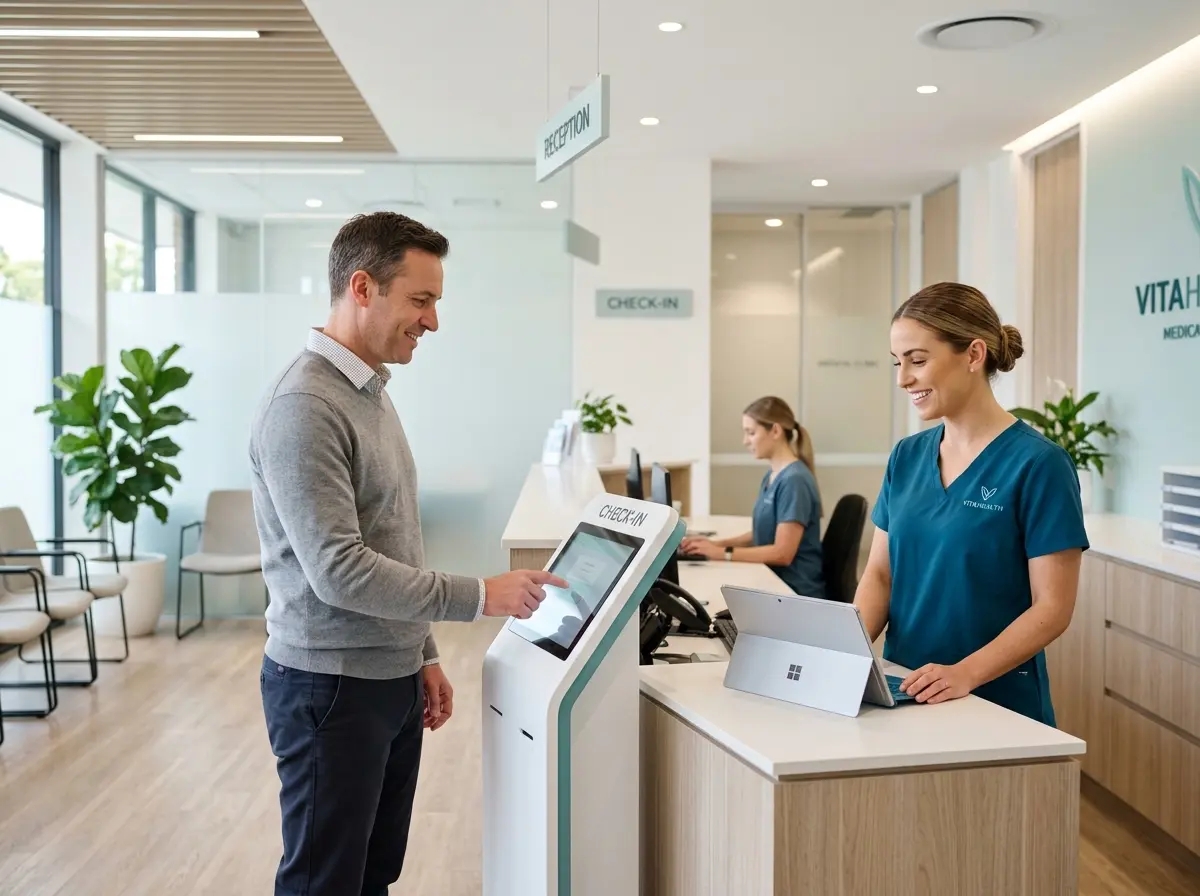
Stella is an AI robot employee that works as both a physical in-store kiosk and a 24/7 phone receptionist for businesses of all types and sizes. She answers calls, collects intake information, manages a built-in CRM, and keeps your business responsive and professional even when your human team is unavailable. At $99/month with no upfront hardware costs, she's one of the more practical investments a service business can make.
Your Phone Is Either a Sales Tool or a Liability — Pick One
The plumbing company didn't reinvent their business. They didn't run a massive ad campaign or redesign their website. They looked at the single most common entry point for new customers — the phone call — and made it better in three specific ways: they improved what callers heard when they called, they ensured someone was always available to answer, and they made follow-up faster and more organized. Forty percent more captured leads was the result.
If you're a service business owner, here are your actionable next steps. First, call your own business right now and listen to what a customer hears. Be honest about it. Second, check how many calls you're missing after hours and do the math on what those represent in revenue. Third, consider whether your current intake process actually captures the information you need before a potential customer gets off the phone. And fourth, if any of those three things reveal a gap — which they almost certainly will — fix it, whether that means rewriting your greeting, adjusting your team's availability, or deploying an AI receptionist that doesn't call in sick or take lunch breaks.
The phone is ringing. The only question is whether you're ready for it.