The Appointment That Never Came Back
Patient attrition is one of the most quietly devastating problems a dental practice can face. According to industry estimates, dental practices lose between 10% and 40% of their active patient base every year — and most of that loss isn't due to bad service. It's due to a lack of consistent, timely follow-up. People get busy. Life happens. They don't reschedule. And unless someone reaches out, they don't come back.
Understanding Why Patients Actually Leave
It's Not What You Think
When most practice owners hear the word "attrition," they immediately assume it's a quality-of-care issue. Naturally. But the reality is far more mundane and, frankly, more fixable. Research consistently shows that the number one reason patients don't return is simply that no one followed up with them. Not bad service. Not cost. Not even a competitor down the street with a newer waiting room TV. Just silence.
The Compounding Cost of Doing Nothing
Here's where it gets uncomfortable. Each lost patient doesn't just represent one missed appointment. It represents a lifetime of missed appointments, missed referrals, and missed treatment plans. The lifetime value of a single dental patient is commonly estimated between $12,000 and $15,000. Multiply that by the number of patients who quietly slip away each year, and you're looking at a very significant hole in your revenue — one that no amount of new patient marketing can fully patch if you're bleeding out the back door at the same rate.
The Gap Between Intention and Action
How Technology Can Plug the Follow-Up Gap
Automating What Your Front Desk Shouldn't Have to Remember
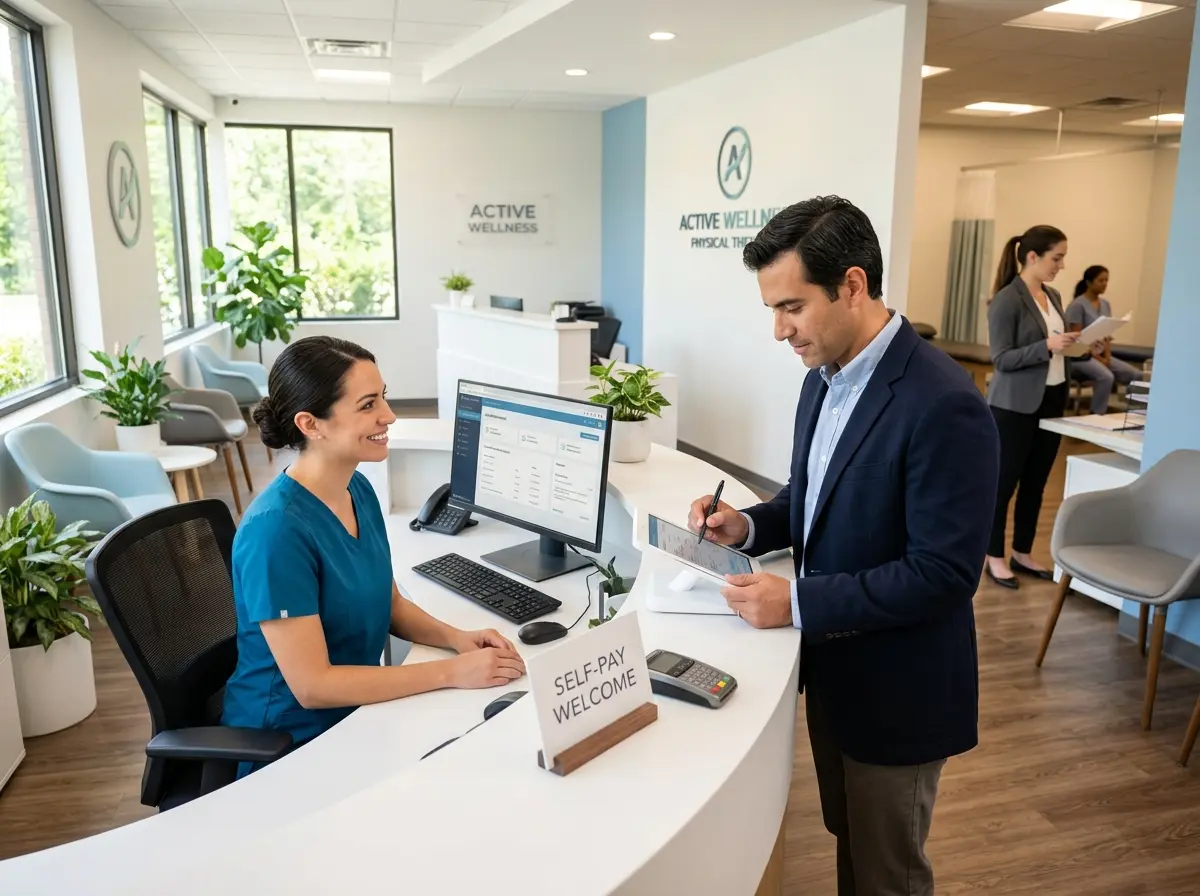
Stella, the AI robot employee and phone receptionist, is built for situations like this. For dental practices with a physical location, Stella stands at the front of the office and engages patients proactively — greeting them, answering questions about services, and even collecting information through conversational intake forms at the kiosk or during phone calls. Her built-in CRM allows your team to tag and track patients, set custom fields, and generate AI-powered patient profiles that make follow-up smarter and more personalized. When a patient calls after receiving a recall message, Stella answers 24/7 — capturing the appointment intent even if your front desk is with someone else or it's 9 PM on a Friday.
Building a Follow-Up Protocol That Actually Works
The Anatomy of an Effective Recall Sequence
Their protocol looked like this:
- Six-month automated reminder sent via email and SMS at the exact date of the patient's last visit — friendly, conversational in tone, not clinical.
- Two-week follow-up for patients who hadn't scheduled, this time with a specific call to action and a link to book online.
- Phone outreach at the one-month mark for patients who still hadn't responded, handled by a combination of front desk staff and an AI phone receptionist for after-hours callbacks.
- A "we miss you" touchpoint at six weeks, with a small incentive — a complimentary teeth whitening touch-up for patients who scheduled within the next 30 days.
The key wasn't any single step. It was the combination of steps, executed consistently, without relying on a staff member to remember to do it.
Tone and Timing: The Details That Make the Difference
A recall message that reads like a debt collection notice will not bring patients back. Tone matters enormously. The practice rewrote their messaging to feel warm and personal — short sentences, first-name greetings, and language that communicated genuine care rather than administrative obligation. Subject lines like "It's been a while — let's catch up" consistently outperformed clinical alternatives like "Your Recall Appointment Is Overdue."
Measuring What's Working and Adjusting Accordingly
Quick Reminder About Stella
Stella is an AI robot employee and phone receptionist that works for businesses both in-person and over the phone — 24/7, without breaks, complaints, or turnover. She answers calls, greets patients, manages contact records through her built-in CRM, and collects intake information conversationally so nothing slips through the cracks. For dental practices trying to tighten up their follow-up and patient communication, she's the kind of reliable, always-on presence that makes your protocols actually stick.
Your Next Steps Start This Week
You can do the same. Here's where to start:
- Pull your numbers. How many patients haven't returned in 12+ months? The answer will be motivating — possibly uncomfortably so.
- Audit your current follow-up. Is it a single touchpoint or a sequence? Is it consistent, or does it depend on someone remembering?
- Draft a three-step sequence with clear timing, warm messaging, and at least one phone touchpoint for patients who don't respond digitally.
- Track your results from month one so you have data to improve from, not just instincts.
- Automate wherever possible so execution doesn't live entirely on your front desk team's to-do list.