When Free Actually Pays Off
Let's be honest — when someone says "free workshop," most business owners picture a folding table, lukewarm coffee, and a hard sell waiting at the end like a trapdoor. But for accountants, financial advisors, attorneys, and other professional service providers, free educational workshops are quietly one of the most powerful client acquisition tools in existence. The catch? Most people do them wrong, walk away with a pile of business cards they never follow up on, and then wonder why the strategy "doesn't work."
Meet Marcus, a local CPA who decided to stop waiting for referrals and start creating his own pipeline. In a single month, after hosting one free workshop, he signed 20 new clients. No cold calls. No awkward networking events. No paid ads. Just a well-executed event strategy — and a few smart tools that handled the follow-up while he slept. Here's exactly how he did it.
The Workshop Strategy That Actually Works
Choosing the Right Topic (It's Not About You)
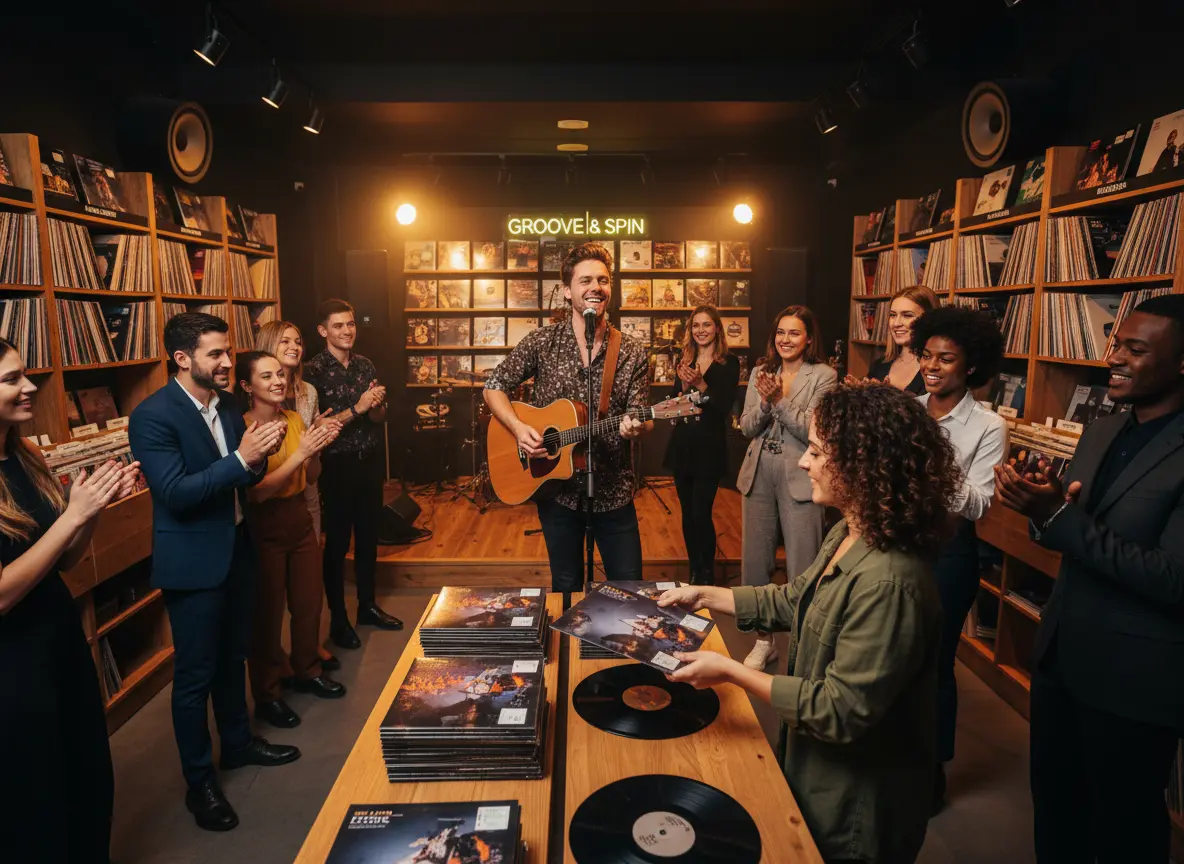
Marcus's first smart move was resisting the urge to host a workshop called "Meet Our Accounting Firm." Nobody signs up for that. Instead, he asked himself: What keeps my ideal clients up at night? The answer, for small business owners in his area, was tax season anxiety and the fear of leaving money on the table. So he named his workshop "5 Tax Mistakes Small Business Owners Make (And How to Fix Them)" — and registrations started rolling in within 48 hours of posting it to a local Facebook group and his Google Business profile.
The lesson here is simple but easy to miss: your workshop topic must lead with value, not with your credentials. Your expertise becomes obvious when you deliver genuinely useful content. According to the Content Marketing Institute, educational content consistently outperforms promotional content in generating qualified leads — and a workshop is educational content at its most powerful because it's live, personal, and interactive.
Structuring the Event for Conversion (Without Being Sleazy)
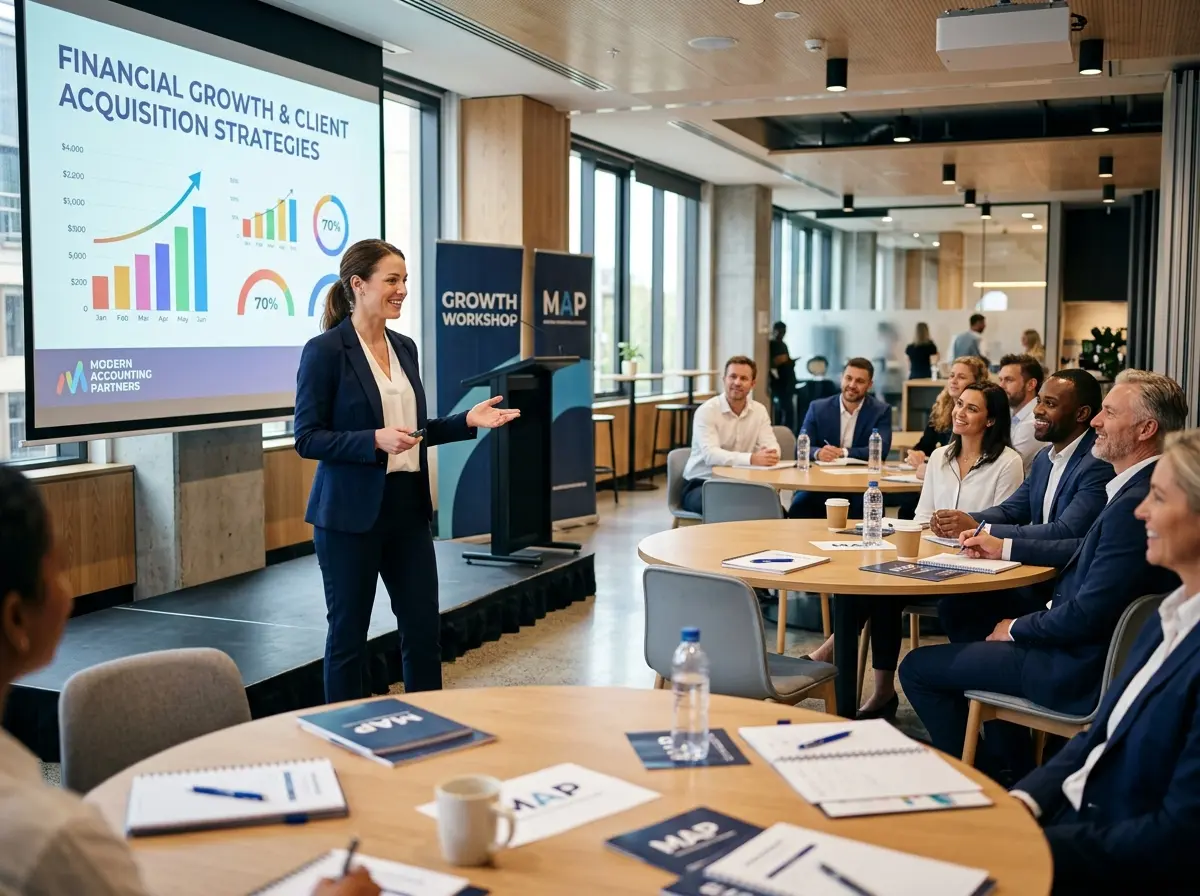
A great workshop has a natural arc: teach something valuable, establish credibility, and make an offer that feels like a logical next step — not a bait-and-switch. Marcus structured his 90-minute session in three parts. The first hour was pure education: real examples, real tax scenarios, no fluff. The last 30 minutes he opened the floor to Q&A, which did more selling than any pitch ever could. When audience members heard him answer complex questions with calm confidence, the trust built itself.
At the end, he simply offered a free 30-minute tax review for attendees — a low-commitment next step that felt like a continuation of the value he was already delivering. Out of 40 attendees, 28 booked a review. Of those, 20 became paying clients. That's a 50% conversion rate from attendee to client — numbers that most paid ad campaigns can only dream about.
Filling the Room Without a Marketing Budget
Marcus didn't spend a dollar on advertising. His promotional strategy relied entirely on free or low-cost channels: local Facebook and LinkedIn groups, his Google Business profile, a mention in the local chamber of commerce newsletter, and a simple email to his existing contact list asking them to share it. He also partnered with a local bookkeeper who sent the invite to her own clients — a cross-promotion that cost nothing but a conversation over coffee.
The takeaway is that you don't need a marketing budget to fill a room. You need relevance and distribution. Find where your ideal clients already gather — online communities, local groups, industry associations — and show up there with something genuinely useful.
Keeping the Momentum Going After the Event
How Stella Helped Handle the Rush
Here's where things get interesting. After the workshop, Marcus's phone started ringing — a lot. People who attended wanted to book their free reviews. People who heard about the workshop from a friend wanted to know if they could still get in. And Marcus, being a one-person shop, couldn't exactly answer calls between client meetings without dropping something important.
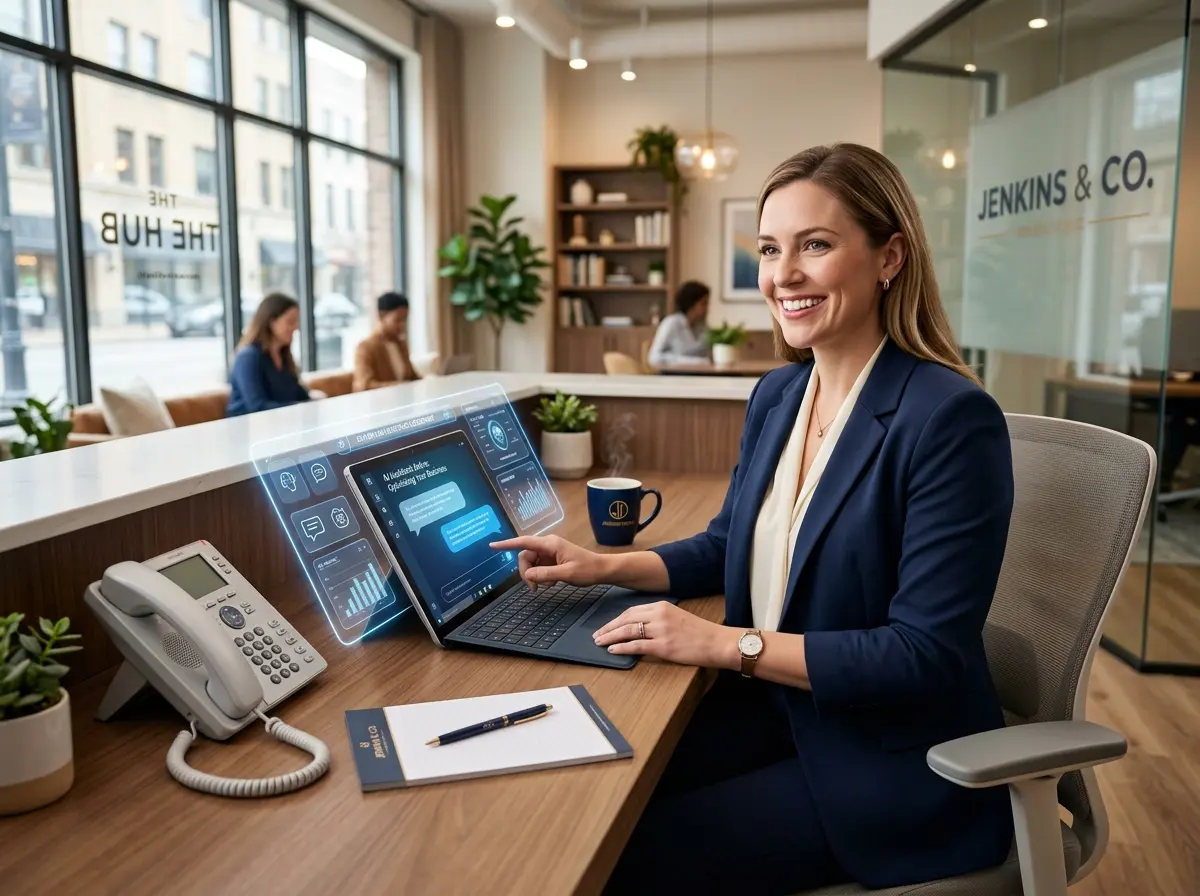
That's where Stella, the AI robot receptionist, stepped in. Stella answered every incoming call, handled scheduling inquiries, collected caller information through conversational intake forms, and routed urgent calls to Marcus when needed. She also logged every interaction into her built-in CRM — complete with AI-generated contact profiles, tags, and notes — so Marcus could review exactly who called, what they needed, and where they were in the pipeline. No missed leads. No sticky notes. No chaos. Just a clean, organized follow-up list waiting for him at the end of each day.
Turning One Workshop Into a Repeatable Client Engine
Building a Follow-Up System That Does the Heavy Lifting
The single biggest reason most workshop strategies fail isn't the event itself — it's what happens (or doesn't happen) in the week after. Leads go cold. Emails don't get sent. Business cards pile up in a jacket pocket and get discovered three months later. Marcus avoided this fate by setting up his follow-up sequence before the workshop even happened.
Every registrant was added to a simple email sequence that sent a confirmation, a reminder the day before, and a "thank you for attending" message with a direct booking link for the free review. For people who registered but didn't show up, a separate email offered a recording of key takeaways — which re-engaged several leads who eventually converted. The follow-up did its job quietly in the background while Marcus focused on delivering consultations.
Documenting and Repeating the Model
After the dust settled and 20 new client agreements were signed, Marcus did something most people skip: he wrote everything down. He documented the workshop topic, the promotional channels that worked, the event structure, the follow-up sequence, and the conversion rates at each stage. Then he scheduled his next workshop for 60 days later — already knowing what worked and what to refine.
This is the difference between a lucky month and a reliable growth system. One successful workshop is a win. A documented, repeatable workshop strategy is a business asset. Marcus now runs a workshop every other month and attributes roughly 40% of his annual new client revenue to this single channel — with virtually no ongoing cost.
Adapting the Model for Other Service Professionals
While Marcus is an accountant, this exact framework works beautifully across any professional service. An attorney could host "What Every Small Business Owner Needs to Know About Contracts." A financial advisor could run "Retirement Planning Mistakes People Make in Their 40s." A marketing consultant could offer "Why Your Google Profile Is Costing You Clients." The topic changes; the strategy doesn't. Pick a pain point, teach something real, make a soft offer, and follow up like a professional.
A Quick Word About Stella
Stella is an AI robot employee and phone receptionist designed for businesses of all sizes — from solo practitioners like Marcus to multi-location retail operations. She greets customers in person at a kiosk inside your store, answers phone calls 24/7 with full knowledge of your business, collects lead information, manages your CRM, and keeps things running professionally whether you're in a meeting or asleep. At $99/month with no hardware costs, she's the kind of employee who never calls in sick and never lets a lead fall through the cracks.
Your Next Step Starts With a Single Workshop
If you've been waiting for the "right time" to try a workshop strategy, here's a gentle nudge: the right time was six months ago, and the second best time is now. You don't need a fancy venue, a professional AV setup, or a marketing team. You need a topic your ideal clients actually care about, a simple plan to get people in the room, a structured session that delivers real value, and a follow-up system that doesn't rely on your memory.
Here's your action plan, stripped down to the essentials:
- Identify your audience's top pain point and build a workshop topic around solving it.
- Choose a format and venue — in-person, virtual via Zoom, or a hybrid. Start simple.
- Promote across free channels: local groups, your Google profile, your email list, and strategic partners.
- Structure your session with 70% education and 30% Q&A, ending with a low-friction offer.
- Set up your follow-up sequence before the event so leads don't evaporate the moment it ends.
- Document everything and run it again in 60 days.
Marcus went from hoping for referrals to building a predictable client pipeline — and he did it with a free event, smart follow-up, and the right tools in place to handle the volume. There's nothing stopping you from doing exactly the same thing. Except maybe that pile of business cards from the last networking event. Go ahead and recycle those.