Introduction: Because "How Would You Like Your Nails Done?" Barely Scratches the Surface
Let's be honest — most nail salons operate on a pretty standard script. You walk in, flip through a color swatch book the size of a small encyclopedia, say something like "just a regular manicure, please," and hope for the best. Maybe the technician remembers you prefer short almond-shaped nails. Maybe they don't. It's a guessing game, and frankly, your clients deserve better than a guessing game.
Here's the thing about personalization: customers love it, and they'll pay for it. According to McKinsey, 71% of consumers expect personalized interactions, and 76% get frustrated when they don't receive them. In the beauty and wellness industry, where loyalty is everything and the competition is literally across the street, knowing that your returning client prefers OPI's "Malaga Wine," hates gel topcoats, and always books a 30-minute foot massage add-on isn't just a nice touch — it's a revenue strategy.
So how did one forward-thinking nail salon turn client preference cards into a hyper-personalized experience engine that had customers raving, rebooking, and referring their friends? Let's get into it.
The Power of Knowing Your Clients (Like, Actually Knowing Them)
What Client Preference Cards Actually Are
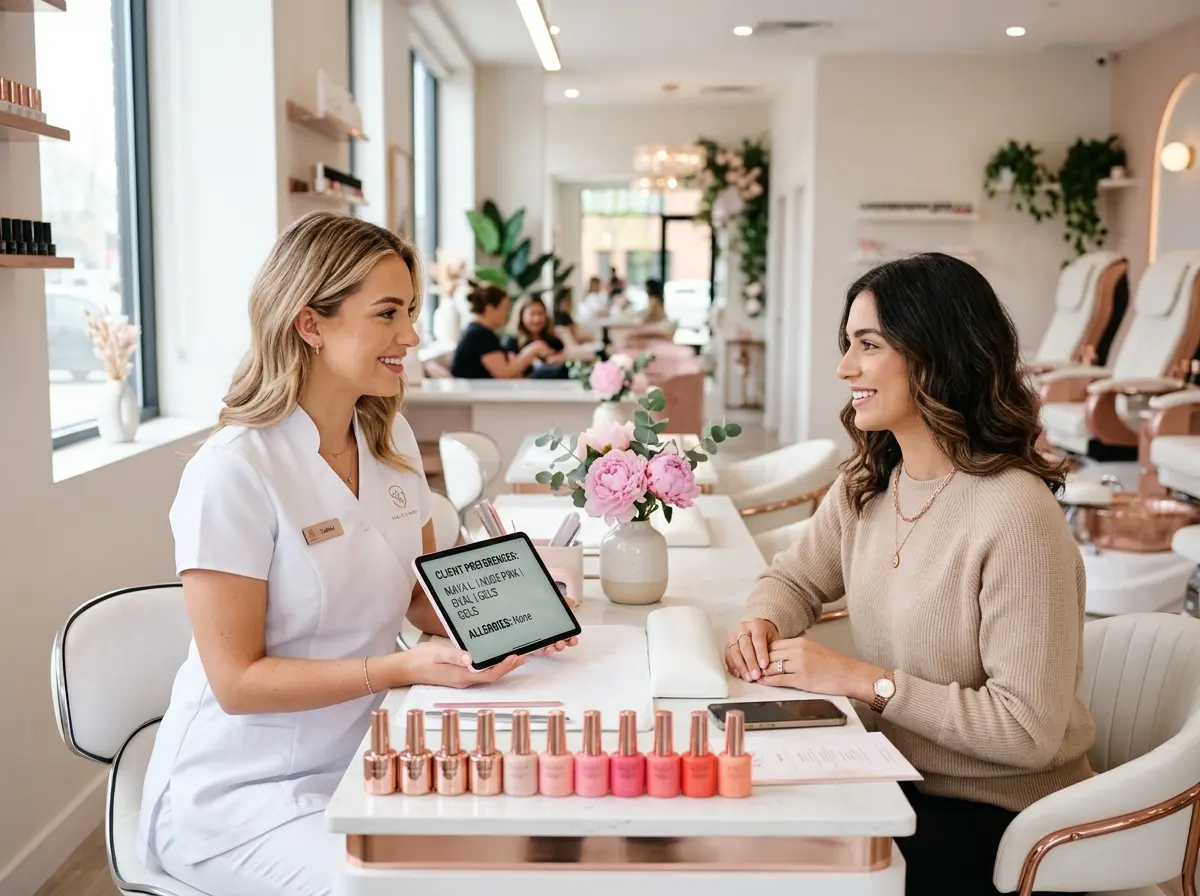
A client preference card is essentially a curated profile of everything a client cares about during their visit. It goes well beyond "gel or regular polish?" Think: preferred nail shape, favorite color families, sensitivity to certain chemicals, preferred technician, whether they like conversation or blissful silence during their appointment, and what services they've tried before versus what they're curious about.
When collected consistently and stored properly, these cards become a goldmine. Instead of starting every appointment from scratch, your team walks in already knowing the client's history, preferences, and even their quirks. It transforms a transactional service into a relationship — and relationships drive repeat business far more reliably than any discount code ever will.
How One Salon Made It Work
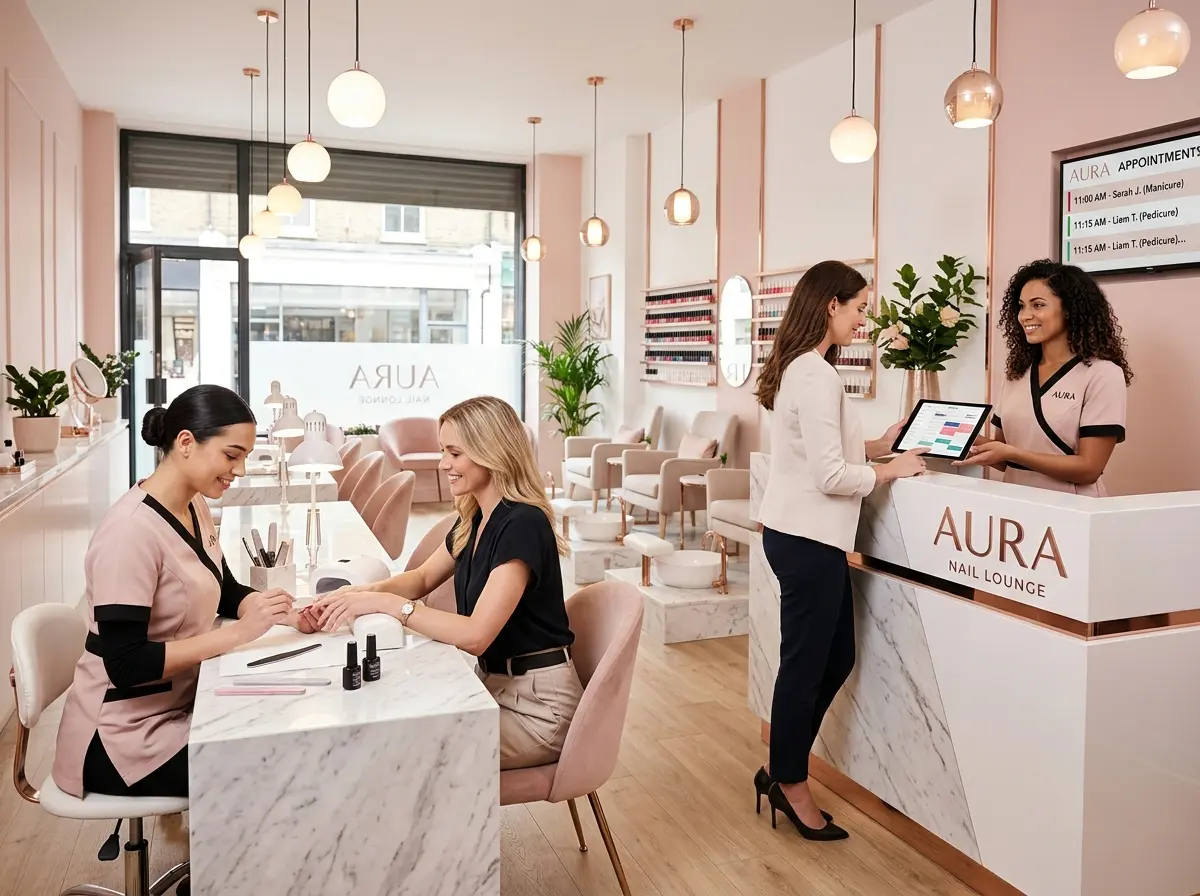
Consider the case of a mid-sized nail salon — let's call them Luxe Tips — that decided to get serious about client data. They started simple: a short intake form collected during booking and updated after each visit. Fields included polish preferences, service history, skin sensitivities, and even personal notes like "prefers quiet appointments" or "loves chatting about her grandkids."
Within three months, Luxe Tips saw a 22% increase in returning client bookings. Their technicians reported that clients seemed more relaxed and more satisfied — because they felt seen. One longtime client reportedly told the owner, "I don't know how you always remember everything. It's like you just get me." The secret, of course, was the system — not magic, just good data habits.
The Upsell Opportunity Hidden in Plain Sight
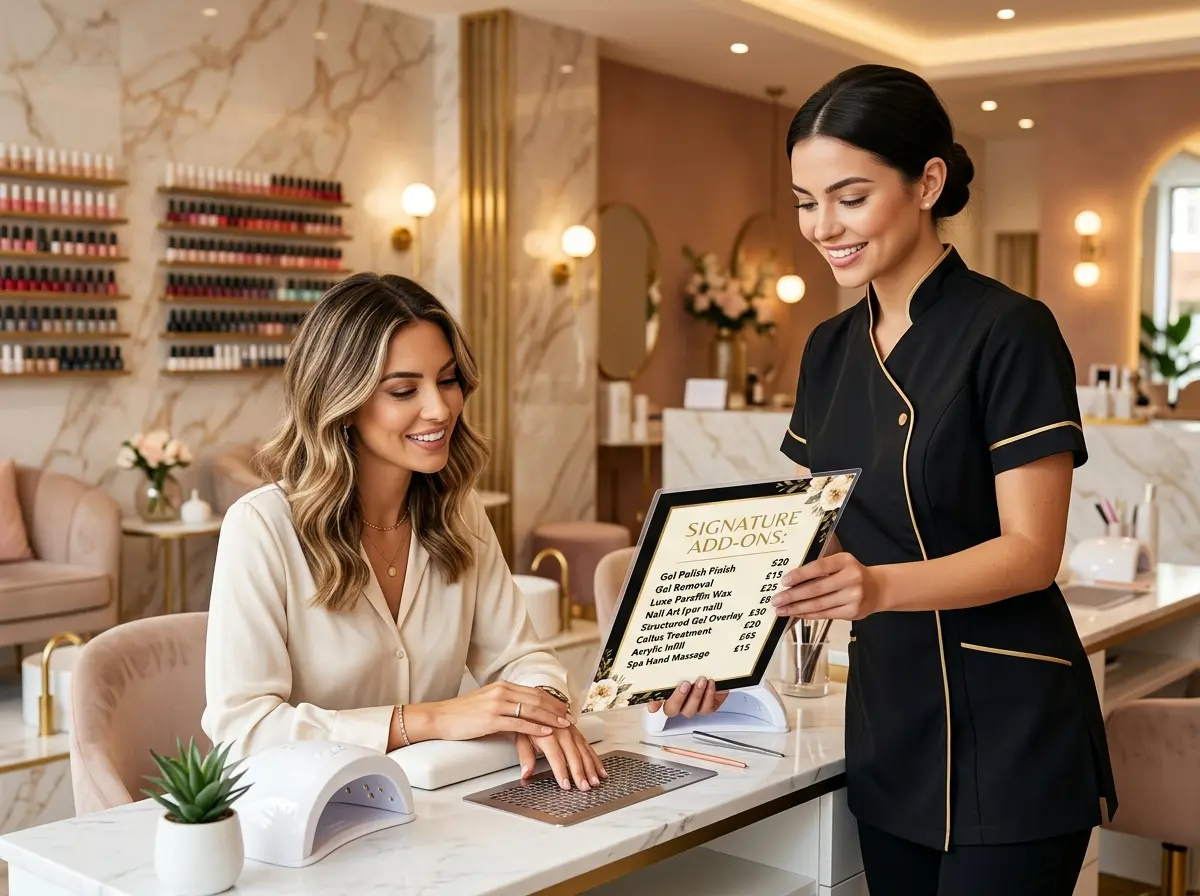
Here's where preference cards get really interesting for your bottom line. When you know a client has tried a basic manicure every visit for a year, you also know they've never tried your paraffin wax treatment or your hot stone add-on. That's not a gap — that's an opportunity. Armed with preference card data, a technician (or a well-designed intake process) can make targeted suggestions that feel thoughtful rather than pushy. "Based on what you usually love, I think you'd really enjoy our lavender soak upgrade" lands very differently than a generic "Want to add anything today?"
Tools That Make Personalization Scalable
Why Manual Systems Break Down (and What to Do About It)
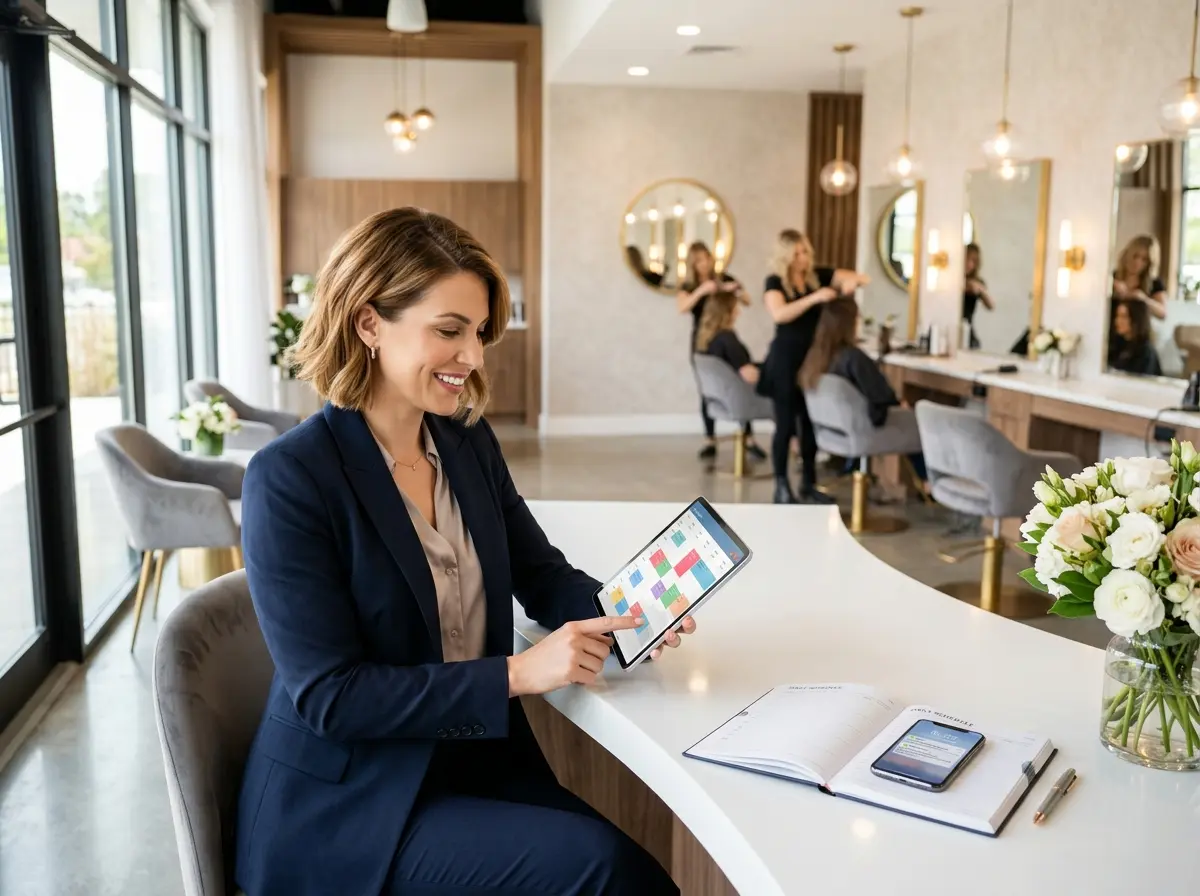
Paper preference cards are charming. They're also a logistical nightmare at scale. They get lost, they don't sync with your booking system, and they rely entirely on your staff remembering to check them — which, during a busy Saturday afternoon rush, is aspirational at best. Digital systems that collect, store, and surface client preferences automatically are the difference between a personalization strategy that works and one that dies in a filing cabinet.
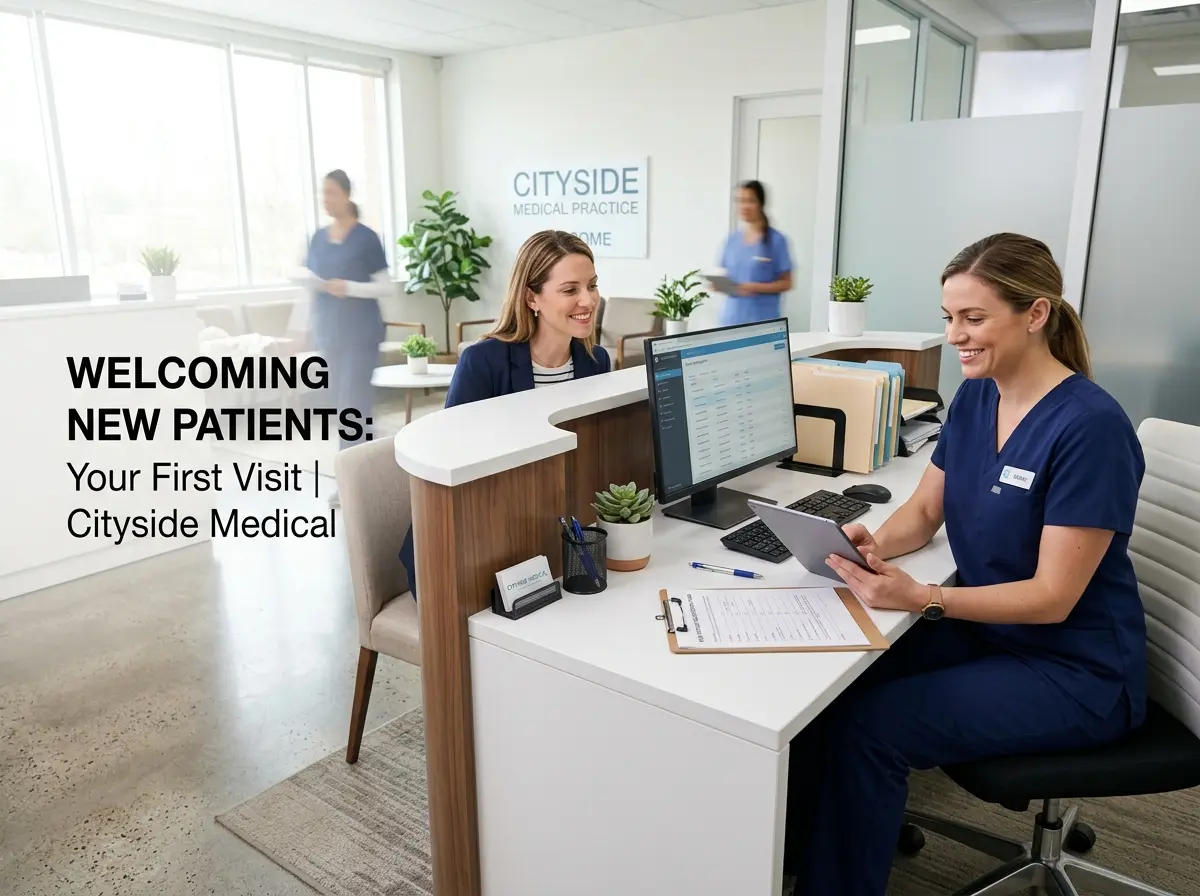
This is exactly where Stella can make a real difference for salon owners. Stella's built-in CRM allows you to store custom fields, tags, and detailed notes for every client contact. Her AI-generated profiles compile interaction history automatically, so your team always has context before a client even sits down. And because Stella can collect this information through conversational intake forms — whether during a phone booking, on your website, or right at the in-store kiosk — the data flows in without adding a single extra task to your staff's plate. She's also answering your phones 24/7, which means preference information can be captured even when your team is elbow-deep in acrylic.
Building a Preference Card System That Actually Sticks
Designing the Right Questions
The quality of your preference data depends entirely on the quality of your questions. Too many fields and clients abandon the form. Too few and you're barely scratching the surface. The sweet spot is a short intake process — ideally five to eight questions — that captures the most impactful preferences upfront, with room to add more over time based on actual visit history.
Strong starting points for a nail salon intake include: preferred nail shape and length, polish type preference (gel, regular, dip), color palette tendencies, known sensitivities or allergies, preferred technician if applicable, and whether they'd like service recommendations. You can always enrich the profile with notes added post-visit — "tried chrome powder today, loved it" is the kind of detail that turns a good next appointment into a great one.
Training Your Team to Use the Data
A preference card system is only as good as the team using it. If technicians aren't referencing client profiles before appointments, you're essentially driving with GPS but keeping your eyes closed. Build a simple pre-appointment ritual: pull up the client profile, glance at their preferences and history, and identify one personalized touchpoint to mention — whether it's referencing a service they loved last time or suggesting something new based on their profile.
Make it a culture, not a chore. When technicians see that referencing preferences leads to better tips, stronger client relationships, and easier upsells, they'll buy in fast. Recognition goes a long way too — celebrate the technician who landed a paraffin add-on because they noticed a client had expressed interest in their intake form. Small wins compound quickly.
Turning Data Into Loyalty Loops
Once your preference card system is humming, the next level is using that data proactively. Send a client who always books gel manicures a targeted promotion for your new gel color collection. Reach out to someone who mentioned interest in nail art but hasn't tried it yet with a limited-time introductory offer. When clients feel like your communications are relevant to them rather than blasted to an email list, open rates go up, redemption rates go up, and — most importantly — loyalty goes up.
This is the shift from running a nail salon to running a client relationship business that happens to do incredible nails. The distinction matters more than most owners realize until they see the numbers.
Quick Reminder About Stella
Stella is an AI robot employee and phone receptionist designed for businesses exactly like yours. She stands in your salon as a friendly kiosk, greets walk-ins, answers questions, promotes your services, and collects client information — all while your team focuses on delivering exceptional experiences. She also answers every phone call around the clock, so no booking inquiry ever goes unanswered. At $99/month with no upfront hardware costs, she's the kind of team member who never calls in sick and never forgets a client preference.
Conclusion: Stop Guessing, Start Knowing
The nail salons that will thrive over the next decade aren't necessarily the ones with the trendiest designs or the lowest prices — they're the ones that make clients feel genuinely understood. Client preference cards, done right, are one of the simplest and most effective tools available to any salon owner willing to move beyond the clipboard-and-hope approach.
Here's your action plan to get started:
- Design your intake form — Keep it to five to eight focused questions that capture the preferences most likely to influence the service experience and upsell opportunities.
- Choose a digital system — Paper doesn't scale. Invest in a CRM or client management tool that lets you store custom fields, add post-visit notes, and surface profiles easily.
- Train your team — Build a pre-appointment check-in ritual and make referencing client profiles a standard part of your salon culture.
- Put the data to work — Use preference insights to personalize communications, make targeted service recommendations, and create loyalty-building moments that clients actually notice.
- Automate where you can — Tools like Stella can handle intake collection, phone bookings, and CRM management so your human team can focus on doing what they do best.
Hyper-personalization isn't a luxury reserved for high-end spas with dedicated concierge staff. It's a system — and systems are buildable. Start small, stay consistent, and watch your clients stop thinking of you as just their nail salon and start thinking of you as their nail salon. That possessive pronoun is worth more than any loyalty punch card you've ever printed.