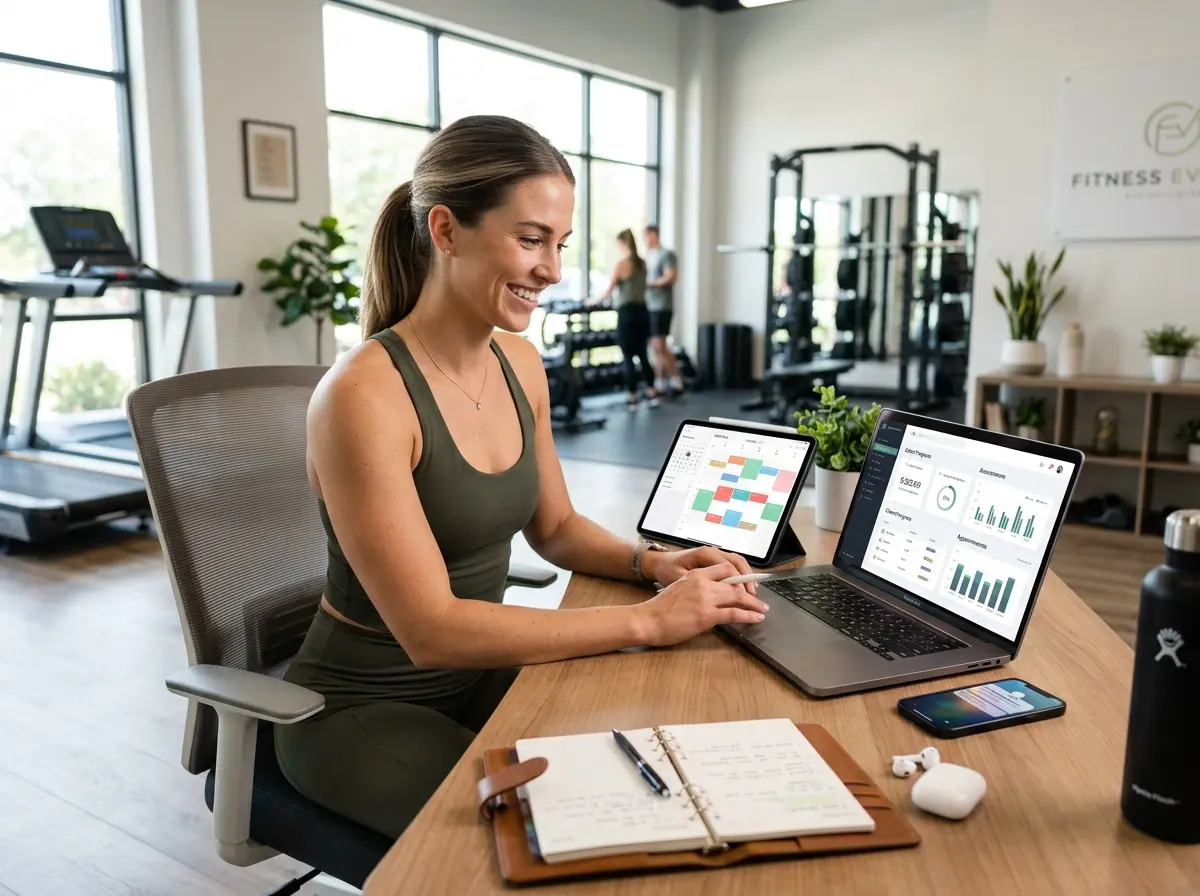
You Didn't Become a Personal Trainer to Send Emails
Let's be honest. When you decided to become a personal trainer, you probably imagined yourself transforming lives, building strong bodies, and maybe — just maybe — finally perfecting your own squat form between sessions. What you didn't picture was spending half your morning texting clients to ask if they remembered to log their meals, or chasing down check-in responses like a very fit, very tired debt collector.
And yet, here we are.
Manual client check-ins are one of those invisible time thieves that sneak up on fitness professionals. A quick message here, a follow-up there, a reminder to the client who definitely forgot to send their progress update — it adds up fast. According to a survey by Appointy, fitness business owners spend an average of 15 or more hours per week on administrative tasks. That's nearly two full workdays that could be spent coaching, growing your business, or recovering from your own leg day.
The good news? Automation has entered the chat — and it's not just for tech companies and Fortune 500 corporations anymore. Personal trainers are increasingly turning to smart systems to handle the repetitive, time-consuming parts of client management so they can focus on what actually moves the needle. Here's how it works, why it matters, and how you can get started.
The Real Cost of Manual Check-Ins
Time Is Your Most Expensive Resource
Think about your current check-in process for a moment. You probably send a message, wait for a response, follow up when you don't hear back, manually record what the client said, and then repeat the whole thing next week. For one client, maybe that's ten minutes. Multiply that by fifteen or twenty clients, and suddenly you've burned through a solid chunk of your week before you've even touched a barbell.
Five hours a week might not sound catastrophic on paper. But over a month, that's twenty hours. Over a year, it's more than 240 hours — roughly six full work weeks — spent on a task that technology could handle while you sleep. That's time you could spend on marketing, program design, continuing education, or simply not being exhausted.
The Hidden Quality Problem
There's another issue that doesn't get talked about enough: the quality of manual check-ins tends to degrade over time. When you're busy, rushed, or just plain tired, the thoughtful, personalized messages you used to send start to feel like an afterthought. Clients notice — even if they don't say anything. And in a service business built entirely on relationships and results, that erosion of attention can quietly undermine your retention rates.
Automation doesn't just save time. Done right, it actually improves consistency. Every client gets checked in on the same schedule, with the same thoroughness, regardless of how hectic your day was. That reliability builds trust, and trust keeps clients around longer.
What Trainers Actually Lose by Staying Manual
Beyond the time and quality issues, manual check-ins create a bottleneck that limits how many clients you can realistically serve. If your business can only grow as fast as your manual capacity allows, you've essentially capped your own income. Trainers who automate their check-in workflows report being able to take on 30–50% more clients without increasing their working hours — which is about as close to a business superpower as it gets.
Building a Smart Check-In System That Actually Works
Choose the Right Tools for Automated Check-Ins
The foundation of any good automated check-in system is a platform that can send scheduled messages and collect responses without requiring your manual involvement. Tools like Trainerize, TrueCoach, and My PT Hub are purpose-built for fitness professionals and include automated check-in forms, progress tracking, and client communication features. If you prefer a more general approach, platforms like Zapier combined with Google Forms or Typeform can create surprisingly powerful automated workflows for a fraction of the cost.
The key is choosing a system that captures the data you actually need — things like workout adherence, energy levels, sleep quality, nutrition compliance, and any concerns the client wants to flag — and organizes it somewhere you can review it efficiently, rather than digging through a thread of text messages.
Design Check-Ins That Clients Will Actually Complete
Here's a truth that many trainers learn the hard way: an automated check-in that nobody fills out is just automated nagging. The design of your check-in form matters enormously. Keep it short — ideally under five minutes to complete. Use a mix of quick rating scales and one or two open-ended questions. Make it feel personal, not clinical.
A well-designed weekly check-in might ask clients to rate their workout completion, their energy and stress levels, and their overall adherence to their nutrition plan on a simple 1–10 scale, followed by one question like "What's one win you want to celebrate this week?" That last question does double duty: it gets clients thinking positively about their progress and gives you something genuine to respond to, which keeps the relationship warm even when the process is automated.
Where Technology Can Do Even More of the Heavy Lifting
Letting Smarter Tools Handle Client Communication
Automated check-ins are a great start, but they're just one piece of the client management puzzle. Personal trainers also field a steady stream of inbound questions — about session times, pricing, program options, rescheduling, and more — that eat into the day just as much as outbound check-ins do. This is where AI-powered tools can genuinely change the game.
Stella, an AI robot employee and phone receptionist, is one example of technology that personal trainers and fitness businesses are using to handle this kind of communication without adding headcount. For gyms or studios with a physical location, Stella operates as a human-sized kiosk that greets visitors, answers questions about memberships and services, and proactively promotes current offers. For trainers who work remotely or run online coaching businesses, she answers phone calls around the clock with the same knowledge and professionalism as an in-person receptionist — including collecting client intake information through conversational forms during those calls and storing everything in her built-in CRM.
The result is a front-end client experience that runs smoothly whether you're mid-session with another client or actually taking a day off — something the old manual approach made nearly impossible.
Turning Saved Time Into Business Growth
Reinvesting Your Reclaimed Hours Strategically
Saving five hours a week is only valuable if you do something intentional with those hours. The trainers who benefit most from automation aren't the ones who simply work less (though there's nothing wrong with that). They're the ones who redirect that time into activities with a high return on investment.
Content creation is one of the highest-leverage uses of reclaimed time for personal trainers. A single well-produced video or a helpful weekly email newsletter can attract new clients consistently over time, turning your expertise into a marketing engine that works independently of your schedule. Similarly, investing those hours into continuing education — whether that's a new certification, a business course, or simply reading more about your niche — compounds over time in ways that manual admin tasks never will.
Scaling Without Sacrificing the Personal Touch
One of the most common fears trainers have about automation is that it will make their service feel impersonal. And it's a fair concern — clients hire you, not a robot. But the trainers who do this well understand that automation should handle the logistics of client management while freeing up human energy for the moments that actually require a human touch.
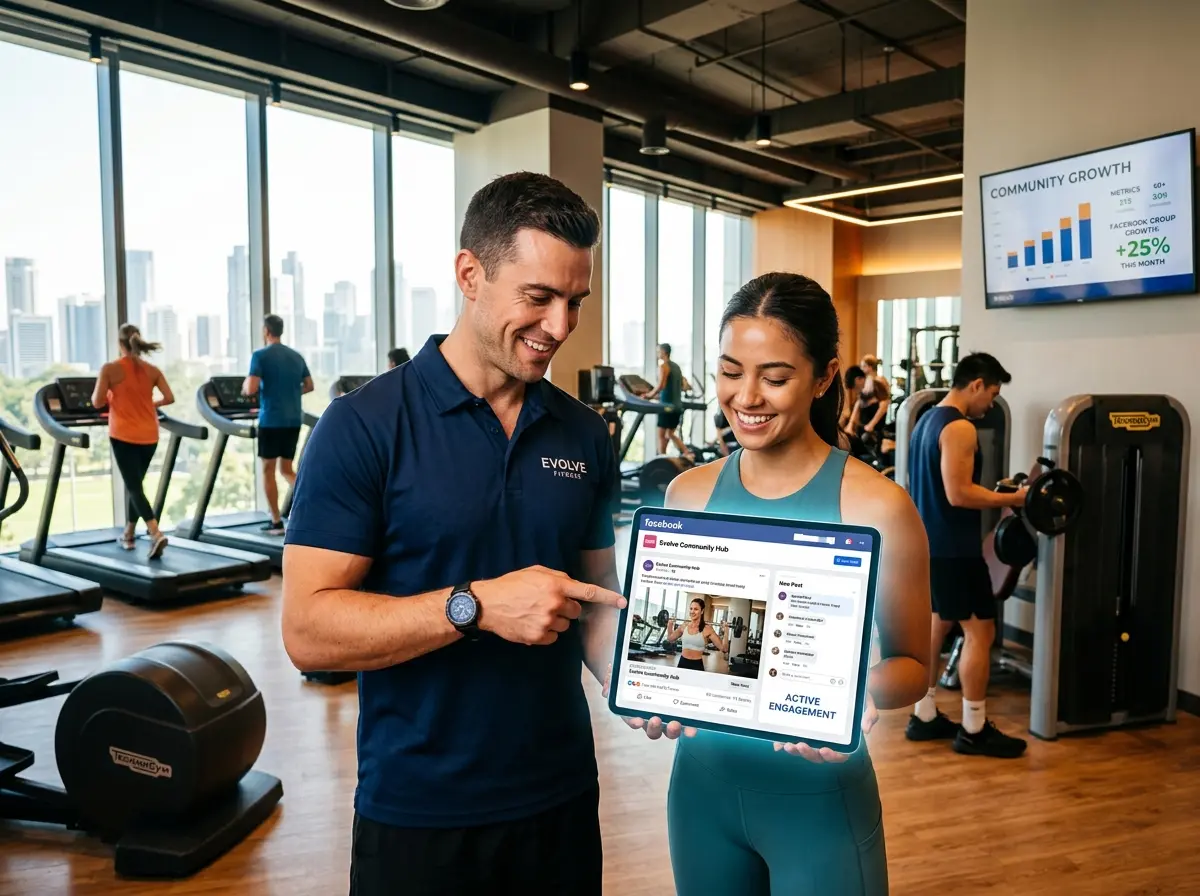
When your check-in system flags a client who's been struggling, that's your cue to pick up the phone and have a real conversation. When someone posts a personal record, that's when a handwritten note or an unexpected shoutout in your community group hits differently. Automation creates the bandwidth for those meaningful moments — it doesn't replace them. The best fitness businesses use technology to be more personal, not less, because their trainers aren't too buried in admin to notice what's actually happening with their clients.
Measuring What's Actually Working
Once your check-in process is automated, you'll have something that's nearly impossible to build with a manual system: consistent, structured data. Over time, you can identify patterns — which clients tend to disengage before churning, which program types drive the highest adherence, which weeks of the year see energy levels drop. That kind of insight lets you proactively address problems before they become cancellations, and it gives you real evidence to refine your programs and your coaching approach.
A Quick Reminder About Stella
Stella is an AI robot employee and phone receptionist built for businesses of all sizes, including personal trainers and fitness studios. She handles inbound calls 24/7, greets walk-in clients at a physical kiosk, collects intake information, manages contacts through a built-in CRM, and keeps your client-facing presence professional and consistent — all for $99 a month with no upfront hardware costs. Think of her as the front desk you always wished you could afford.
Your Next Steps Start This Week
If you're still running client check-ins manually, the goal isn't to overhaul everything overnight. Start with one concrete step: pick a check-in tool, build a simple five-question form, and schedule it to go out automatically to your clients every Sunday evening. That single change alone could give you back an hour or two per week immediately.
From there, look at the other places your time is quietly disappearing. Inbound calls and messages, scheduling logistics, and new client intake are usually the next biggest culprits — and they're all areas where automation and AI tools have become genuinely excellent in recent years.
The fitness industry is full of coaches who are incredibly talented at helping people transform their health but who are slowly burning out behind the scenes managing businesses that were never designed to scale. Automation isn't a shortcut or a cop-out — it's how you build something sustainable. It's how you serve more clients, deliver better results, and still have enough energy left at the end of the day to actually enjoy the career you worked so hard to build.
Now go automate something. Your future self — the one with five extra hours a week — will thank you.