From Empty Calendar to Fully Booked: One Massage Therapist's Retention Revolution
Let's paint a picture. You're a talented solo massage therapist. Your hands are magic. Your space is serene. Your clients leave floating on a cloud of lavender-scented bliss — and then promptly forget to rebook for four months. Sound familiar? If you're nodding along, you're not alone. The wellness industry is full of incredibly skilled practitioners who are absolutely terrible at the business side of things, and nobody ever warned you that massage school wasn't going to cover client retention strategy.
The good news? Building a fully booked schedule isn't about working harder or cramming more appointments into your day until your wrists stage a formal protest. It's about working smarter — specifically, by implementing a membership model and a deliberate retention strategy that keeps your best clients coming back like clockwork. This post breaks down exactly how one solo therapist did it, and how you can too.
The Membership Model: Turning One-Time Clients Into Loyal Regulars
The single biggest shift a solo massage therapist can make is moving from a transactional booking model — where every client is essentially a stranger who might return someday, maybe, if the stars align — to a membership model that creates predictable, recurring revenue and consistent client relationships.
Why Memberships Work in the Wellness Industry
Consider this: studies in the wellness and fitness sectors consistently show that members visit two to three times more frequently than non-members. For a massage therapist, that difference is everything. A client who books once every four months contributes maybe three visits a year. A member on a monthly plan contributes twelve. Do that math across even ten or fifteen clients and you've just transformed your business model without adding a single new customer.
The psychology behind memberships is straightforward. When clients pre-commit to a monthly plan, they stop treating massage as a luxury they'll get around to eventually and start treating it as part of their wellness routine. You're no longer competing with their Netflix subscription and a new pair of shoes for discretionary dollars — you're a standing line item in their budget, right next to the gym membership and the coffee habit they refuse to give up.
Designing a Membership Tier That Actually Sells
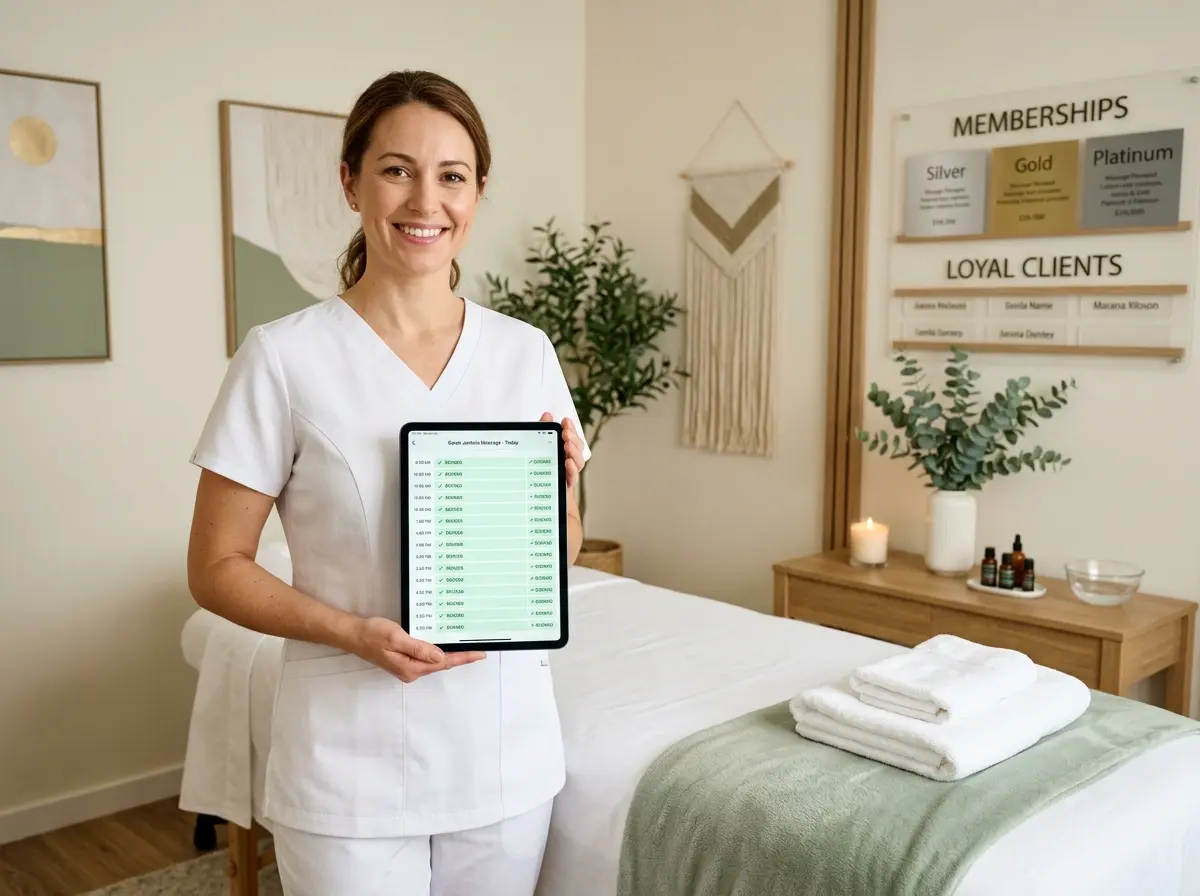
Keep it simple. Overly complex membership structures confuse clients and slow down the sales conversation. A straightforward three-tier approach works well for most solo therapists:
- Essential: One 60-minute session per month at a discounted rate, with a small discount on add-ons like hot stone or aromatherapy upgrades.
- Wellness: One 90-minute session per month plus priority booking access and 10% off retail products.
- Premium: Two sessions per month, priority scheduling, and a free add-on each visit.
The key is making the value obvious at a glance. Clients should feel like saying no to the membership is the financially irrational choice — because with the right pricing, it genuinely is. Aim for membership pricing that offers roughly 15–20% savings compared to booking à la carte, which is enough to feel meaningful without cutting too deeply into your margins.
Overcoming the "What If They Use It Too Much?" Fear
This is the concern that keeps many solo therapists from committing to a membership model: what if everyone upgrades to premium and suddenly you're slammed? Here's the honest answer — that is an excellent problem to have, and it's also not how it typically plays out. Research across subscription-based service businesses shows that a meaningful percentage of members consistently underutilize their benefits, which is part of what makes the recurring revenue model so financially stable. You're being paid for availability and relationship, not just time rendered.
Technology and Tools That Make Retention Effortless
Even the best retention strategy falls apart without the right systems to support it. As a solo operator, you don't have a front desk team following up with clients, sending reminder texts, or answering calls at 9 PM when someone decides they desperately need a massage tomorrow. That gap — between your client's impulse and their completed booking — is where you lose people.
How Stella Can Help Solo Wellness Providers
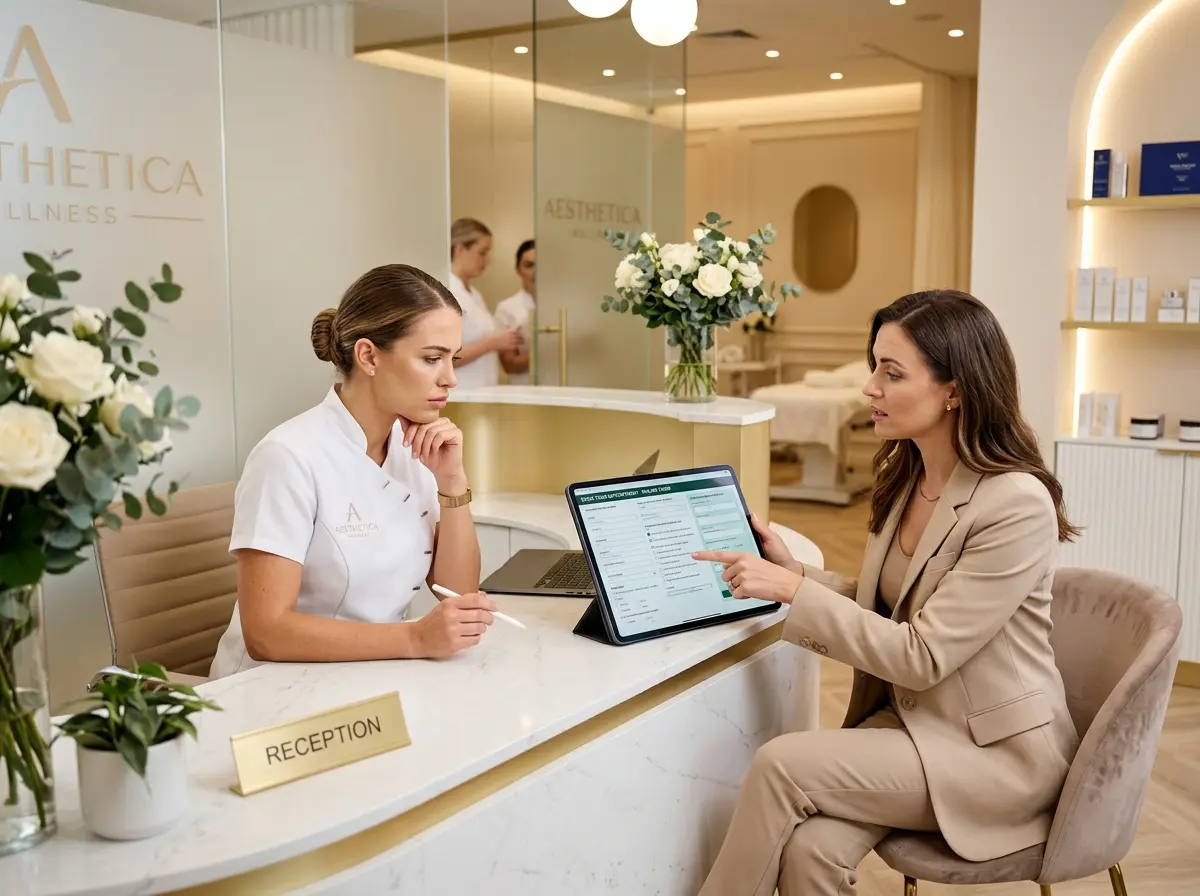
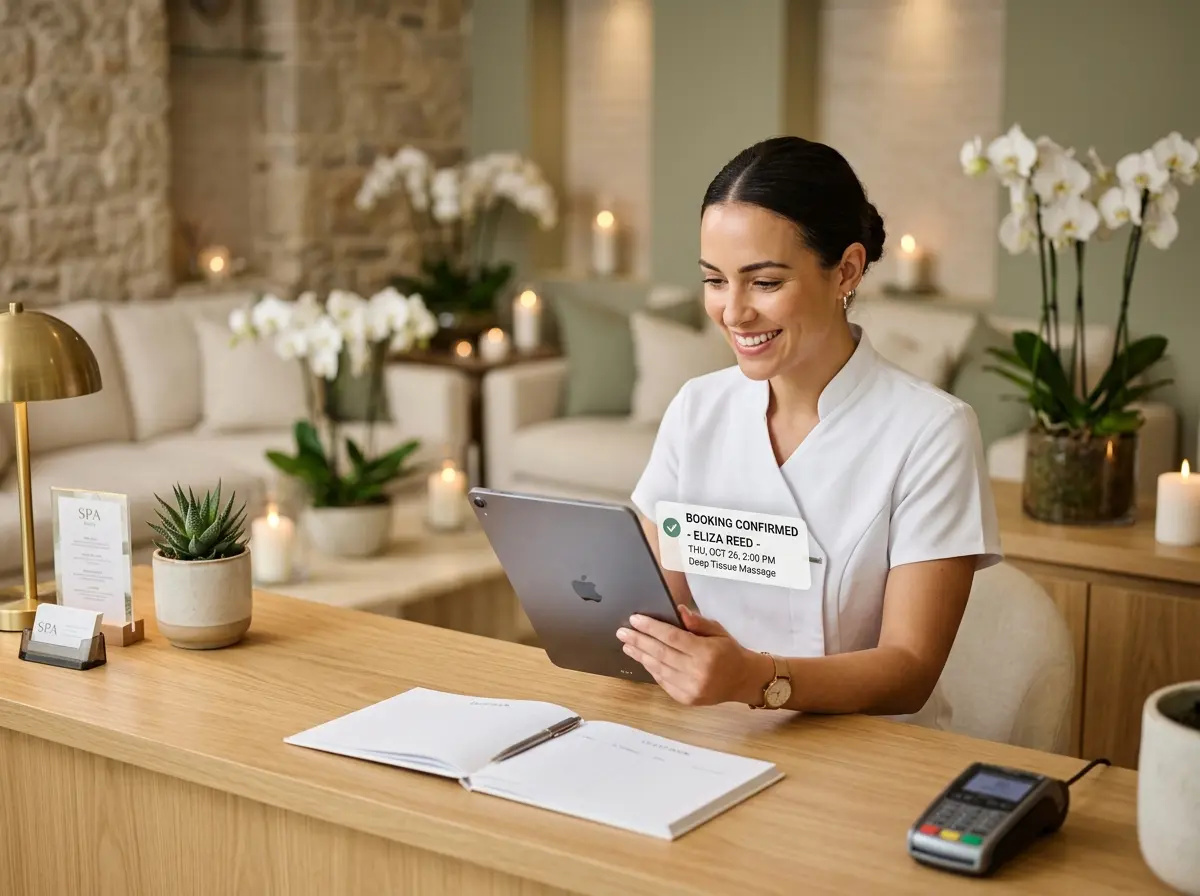
This is where Stella, the AI robot employee and phone receptionist, becomes genuinely useful for solo practitioners. If you have a physical studio, Stella greets walk-ins and curious passersby, proactively telling them about your current membership offers and available services — no awkward sales pitch required from you while you're elbow-deep in a deep tissue session. On the phone side, she answers calls 24/7, collects client intake information through conversational forms, and handles common questions about services, pricing, and availability so you're not constantly interrupted between appointments.
Stella's built-in CRM also lets you tag clients by membership tier, track notes and preferences, and build detailed profiles over time — the kind of personalized relationship data that makes clients feel genuinely known and cared for, which is frankly the whole point of the wellness business. At $99 per month, she's also a significantly cheaper hire than an actual human receptionist, and she doesn't call in sick on your busiest Saturday.
Retention Strategy: Keeping Clients Once You Have Them
A membership model gets clients committed. A retention strategy keeps them renewing. These are related but distinct efforts, and both deserve your deliberate attention.
The Follow-Up That Most Therapists Skip
The 48-hour follow-up is one of the highest-leverage habits a solo therapist can build. A simple text or email after a first appointment — asking how the client is feeling, noting what you worked on, and gently mentioning that members get priority booking — converts curious first-timers into repeat clients at a dramatically higher rate than waiting for them to rebook on their own timeline.
Don't overthink the message. Something like, "Hi Sarah, it was great working with you yesterday! I hope your neck is feeling better. If you're interested in making this a regular part of your routine, I have a few membership spots open this month — happy to tell you more." That's it. Warm, personal, low-pressure, and remarkably effective. Studies in service businesses show that a simple personalized follow-up can increase repeat booking rates by as much as 30%.
Creating Milestone Moments and Loyalty Touchpoints
People stay where they feel valued. For long-term members, small gestures make a significant difference in renewal rates. Consider celebrating membership anniversaries with a complimentary add-on, sending a handwritten note after a client reaches their fifth session, or offering a referral reward — a free upgrade or discounted session for every new member a client sends your way.
These touchpoints don't need to be expensive or elaborate. They need to feel genuine. In an industry built on physical care and human connection, clients are particularly attuned to whether or not you actually see them as a person or just a recurring transaction. The therapists with the strongest retention numbers are almost always the ones who've made their clients feel genuinely remembered.
Managing Cancellations and Pauses Without Losing the Relationship
Life happens. Clients travel, budgets tighten, schedules blow up. A rigid membership policy that punishes people for pausing will cost you more in lost goodwill than it saves in administrative headaches. Build a flexible pause option — typically one pause of up to 30 days per year — into your membership terms. Clients who know they can pause without penalty are far more likely to stay members long-term than clients who feel trapped and quietly cancel instead of having the conversation.
When a client does cancel, a brief, gracious exit survey goes a long way. Keep it to two or three questions, thank them genuinely, and leave the door open. Many former members return — but only if they left feeling respected rather than pressured.
Quick Reminder About Stella
Stella is an AI robot employee and phone receptionist designed for businesses exactly like yours — solo operators and small teams who need a reliable, professional presence without the overhead of additional staff. She handles in-person greetings, phone calls, membership inquiries, and client intake, all for $99 per month with no hardware costs. She's always on, always consistent, and genuinely quite good at her job.
Your Next Steps: Building the Booked-Out Business You Actually Want
Here's the honest summary: building a fully booked schedule as a solo massage therapist is not a mystery. It's a process. It requires a membership structure that makes financial sense for both you and your clients, a retention system that keeps people engaged between visits, and the right tools to handle the administrative work that would otherwise eat your evenings and weekends.
If you're starting from zero, don't try to overhaul everything at once. Pick one thing and do it this week. Here's a simple starting sequence:
- Week 1: Design your membership tiers and set your pricing. Write it down. Make it real.
- Week 2: Reach out to your ten most frequent clients and offer them founding member pricing as a loyalty reward.
- Week 3: Set up your follow-up system — even a simple text template saves you from the blank page every time.
- Week 4: Evaluate your front-of-house gaps. Are calls going unanswered? Are walk-ins being ignored while you're in session? Address those gaps with either staff, systems, or tools like Stella.
The therapists who build fully booked practices aren't necessarily the most skilled or the most experienced. They're the ones who treat their business like a business — with intention, systems, and a genuine commitment to client relationships. You've already got the talent. Now build the structure that lets it work for you.