So You Want Hotels to Send You Clients? Smart Move.
Here's a scenario: A couple checks into a boutique hotel downtown. They've got a long weekend ahead, no agenda, and a mild obsession with relaxation. The front desk hands them a curated list of local recommendations — restaurants, tours, shops, and yes, spas. Your spa is on that list. They book two massages before they've even unpacked. You didn't spend a dime on advertising. That, dear spa owner, is the magic of a hotel partnership program.
Of course, magic doesn't build itself. Partnership programs between spas and hotels require some strategy, some hustle, and — spoiler alert — more than just sliding your business cards under the front desk and hoping for the best (we've all been there). The good news is that when done right, these partnerships create a steady, reliable stream of warm referrals from guests who are already in vacation mode and already primed to say yes to a little pampering.
Let's break down exactly how to build a partnership program that actually works — not just one that looks good on a napkin sketch at your next networking brunch.
Building the Foundation of Your Hotel Partnership
Identifying the Right Hotel Partners
Not every hotel is your hotel. Before you approach anyone, do a little reconnaissance. Think about your ideal spa client — their budget, their vibe, their expectations — and then ask yourself which hotels in your area attract that exact person. A budget motel catering to road-trippers probably isn't sending you clientele who want a $180 hot stone massage. A boutique lifestyle hotel or an upscale business hotel? Now we're talking.
Look for hotels within a reasonable distance (guests generally won't travel more than 15-20 minutes for a spa visit unless you're truly exceptional), hotels with concierge services actively making recommendations, and hotels whose brand aesthetic aligns with yours. A wellness-forward eco-resort and a luxury day spa? Perfect match. A neon-lit casino hotel and a minimalist zen spa? You can make it work, but you'll have to get creative.
Start with three to five target hotels. Research their guest reviews to understand who stays there, follow them on social media, and if possible, stay there yourself — or at least walk through the lobby. You're looking for a genuine cultural fit, not just a transaction.
Crafting a Proposal That Hotels Actually Want to Say Yes To
Here's where most spa owners stumble: they approach hotels with a pitch that's essentially "please send us customers." Hotels, like any business, want to know what's in it for them and — more importantly — what's in it for their guests. Your proposal needs to answer both questions clearly.
Put together a clean, professional one-page partnership overview that includes your spa's story and differentiators, the specific services most relevant to hotel guests (think: quick turnaround services like 50-minute massages, couples packages, or in-room add-ons), a referral commission structure (typically 10-20% per booking is standard in the industry), and any co-branding or promotional opportunities you're offering.
Make it easy for the hotel to say yes. Offer to provide co-branded vouchers, a QR code card for rooms, or a simple link the concierge can share. The less friction there is for the hotel staff, the more referrals you'll actually see. And always — always — emphasize that you will take exceptional care of their guests, because a hotel's reputation is tied to every recommendation they make.
Structuring the Referral Agreement
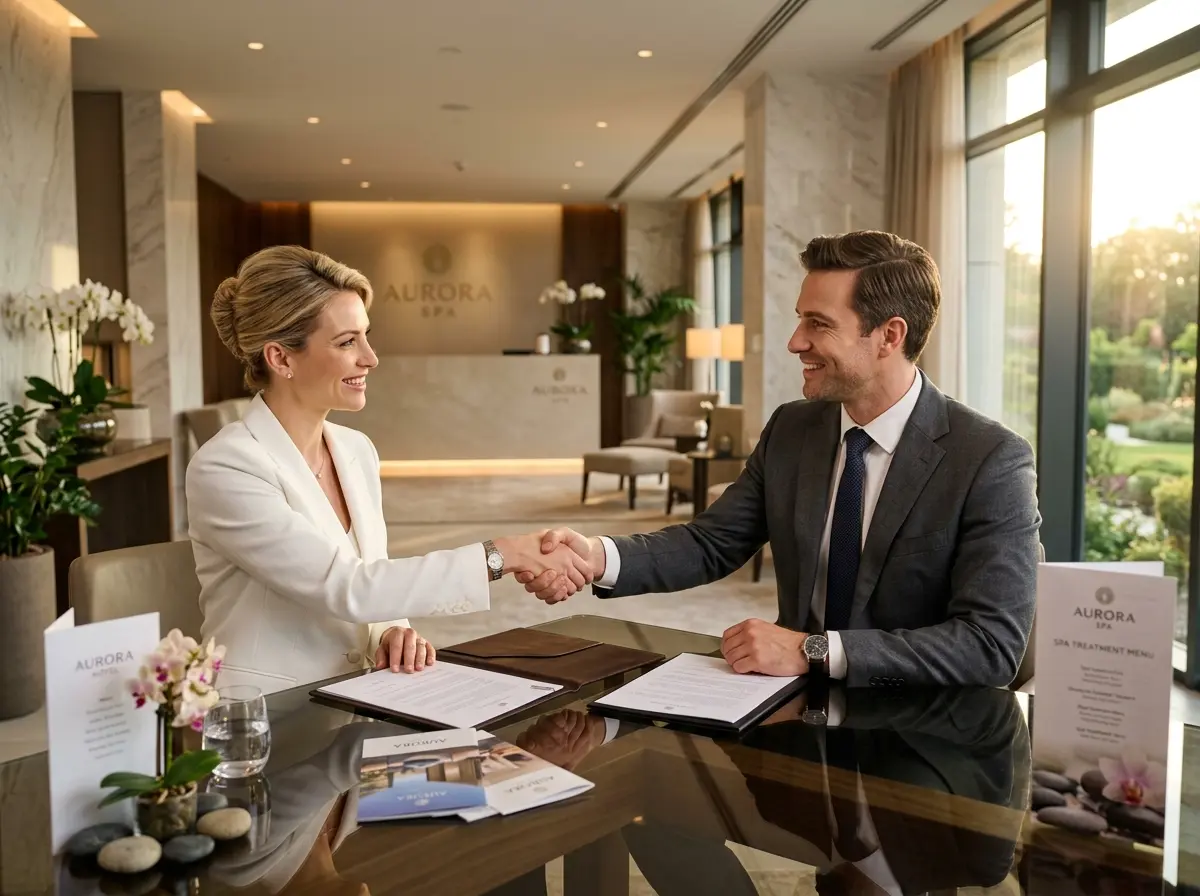
A handshake deal is charming. It is also a recipe for misunderstanding six months from now. Draft a simple written agreement that outlines commission rates and how they're tracked, payment timing (monthly is clean and easy), how the hotel staff should refer guests, and any exclusivity arrangements if applicable.
You don't need a 40-page legal document — a one or two-page agreement signed by both parties is usually sufficient. The goal is clarity, not bureaucracy. If either party wants to revisit terms after 90 days, build that into the agreement from the start. Flexibility early on builds trust for the long haul.
Keeping the Partnership Running Smoothly with the Right Tools
How Stella Can Keep the Bookings Moving
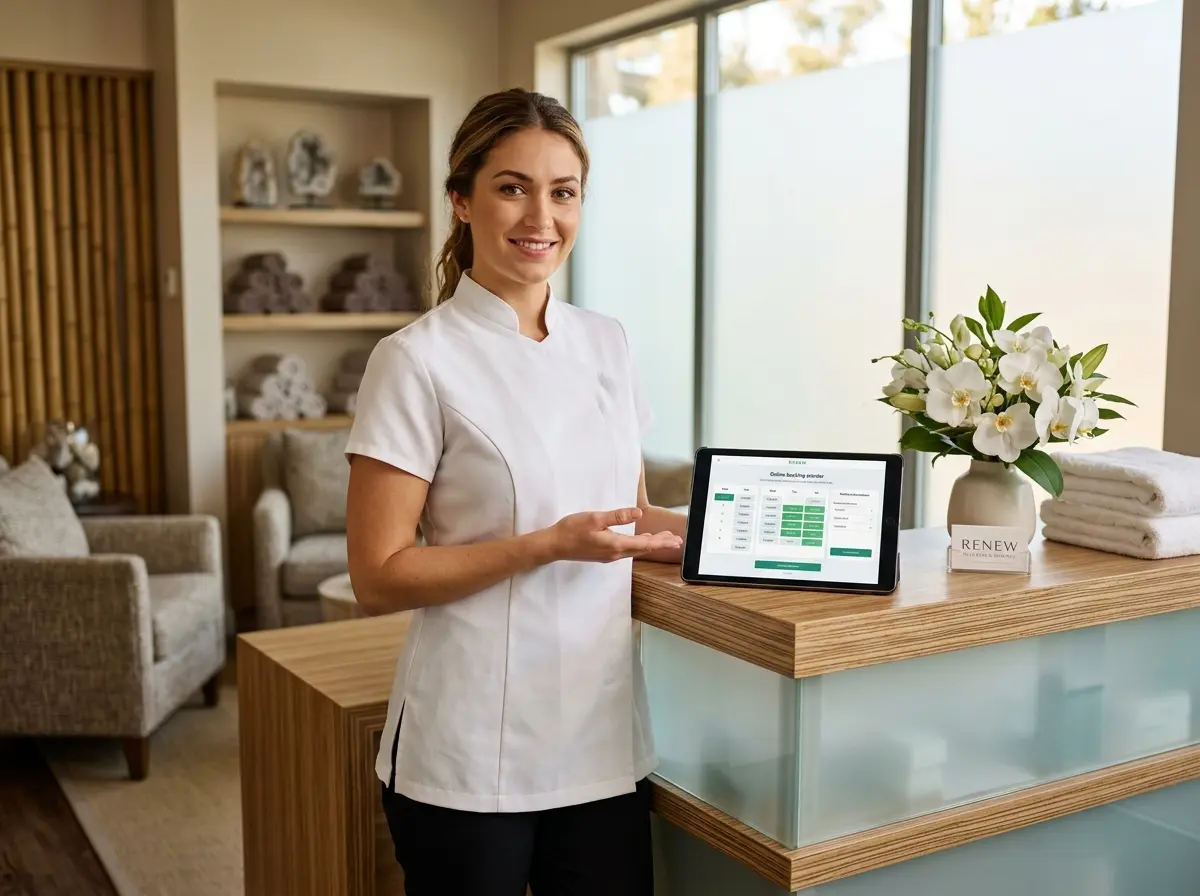
Here's where the rubber meets the road: hotel guests don't always book during business hours. They decide at 10 PM that they want a facial tomorrow morning. They call from the hotel room. They're on hold with your front desk while your team is elbow-deep in a facial appointment. This is where you lose the booking — and a referred client lost is a relationship strained.
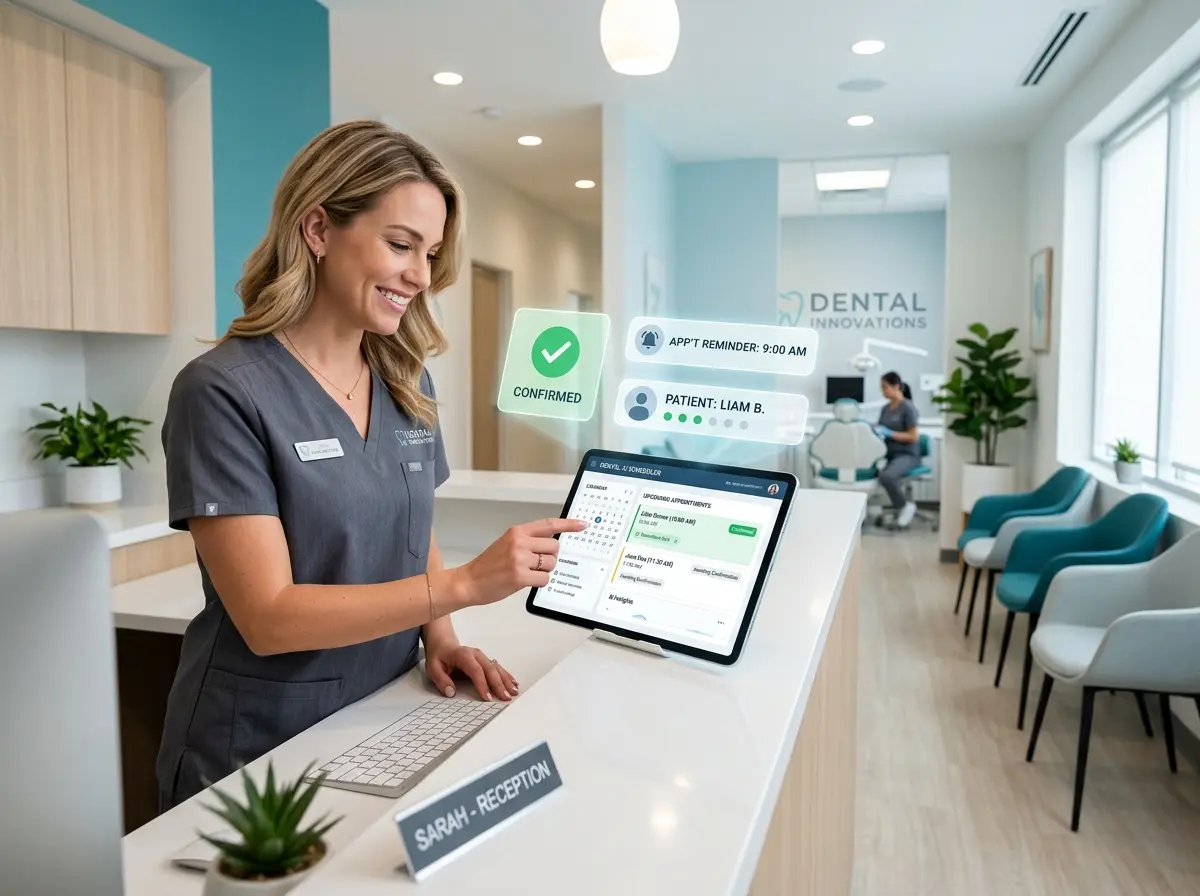
Stella, the AI robot employee and phone receptionist, makes sure that never happens. Stella answers calls 24/7 with the same knowledge about your services, packages, pricing, and availability that your best human receptionist has on their best day. She can walk a hotel guest through your service menu, highlight current promotions, and collect their booking information — all without putting anyone on hold. For your physical spa location, Stella's in-store kiosk presence means walk-in guests (including those who just hopped in a cab from the hotel down the street) are greeted proactively and guided through what's available that day. Her built-in CRM can even tag hotel-referred clients so you can track exactly how much revenue each partnership is generating — invaluable data when it's time to renew or expand your agreements.
Nurturing the Partnership for Long-Term Success
Keeping Hotel Staff Engaged and Excited
The single most underestimated piece of any hotel-spa partnership is the relationship with the hotel's frontline staff. The general manager may have signed the agreement, but it's the concierge, the front desk agents, and the bellhops who are actually making (or not making) your recommendations every day. If they've never experienced your spa, they'll recommend it with all the enthusiasm of someone reading from a pamphlet — because that's essentially what they're doing.
Invest in complimentary or deeply discounted "familiarization" treatments for hotel staff, especially concierge team members. Host a small appreciation evening at your spa once or twice a year. Send seasonal gifts or a personalized thank-you note when referrals spike. These gestures cost relatively little and pay back in genuine, enthusiastic word-of-mouth that no commission structure can fully replicate. People refer what they love. Give the hotel staff something to love.
Tracking Results and Optimizing Over Time
You can't manage what you don't measure. Set up a simple system from day one to track referrals by hotel source — whether that's a unique promo code per hotel, a specific intake question during booking, or tagged records in your CRM. Review the numbers monthly and ask some honest questions: Which hotels are sending the most clients? Which are sending the highest-value bookings? Are referred guests rebooking on their own after their first visit?
Use this data in your quarterly check-ins with hotel partners. Share wins enthusiastically — hotels love knowing their recommendations are landing well. If a partnership isn't producing, have a candid conversation about what could change before you walk away. Sometimes the issue is as simple as the referral card being buried in a welcome folder nobody opens. Small adjustments can resurrect a stalled partnership faster than you'd expect.
Expanding the Program Strategically
Once you've got one or two hotel partnerships humming along, resist the urge to immediately sign up every hotel in a 30-mile radius. Quality over quantity is especially important here — each partnership requires relationship maintenance, and spreading yourself too thin means none of them get the attention they need to thrive.
Instead, look for ways to deepen existing partnerships before expanding. Can you offer exclusive seasonal packages available only to guests of your partner hotels? Can you co-host a wellness event or pop-up in the hotel lobby? Can you get featured in the hotel's app or digital guest guide? Depth of integration almost always outperforms breadth of agreements. When you're ready to expand, let your track record with existing partners serve as your case study for the next conversation.
A Quick Note on Stella
Stella is an AI robot employee and phone receptionist built for businesses exactly like yours — she handles calls around the clock, greets walk-in clients at her in-store kiosk, promotes your services, and manages customer information through a built-in CRM, all for $99/month with no upfront hardware costs. For a spa actively growing its referral pipeline, having a reliable, professional presence available at every touchpoint isn't a luxury — it's a competitive advantage.
Your Partnership Program Starts with One Conversation
Building a partnership program between your spa and local hotels isn't complicated — but it does require intention, preparation, and consistent follow-through. Start by identifying two or three hotels that genuinely align with your brand and client base. Put together a clear, benefit-forward proposal. Get something in writing. Invest in the human relationships behind the agreement. And make sure your spa is operationally ready to handle the influx of new clients that a good partnership will generate.
Here are your immediate next steps:
- This week: Research three local hotels that attract your ideal client. Follow them on social media, read their guest reviews, and note their brand positioning.
- Next week: Draft a one-page partnership proposal with your service highlights, referral commission structure, and a clear benefit statement for the hotel and its guests.
- This month: Reach out to your top hotel target and request a brief meeting with the general manager or concierge director.
- Ongoing: Track every referred booking by source, review results monthly, and nurture the frontline hotel staff who are your best advocates.
The hotels in your area are sitting on a goldmine of potential spa clients who are already away from home, already in relaxation mode, and already looking for something to do with their afternoon. All they need is someone pointing them in your direction. Go give the hotels a reason to point.