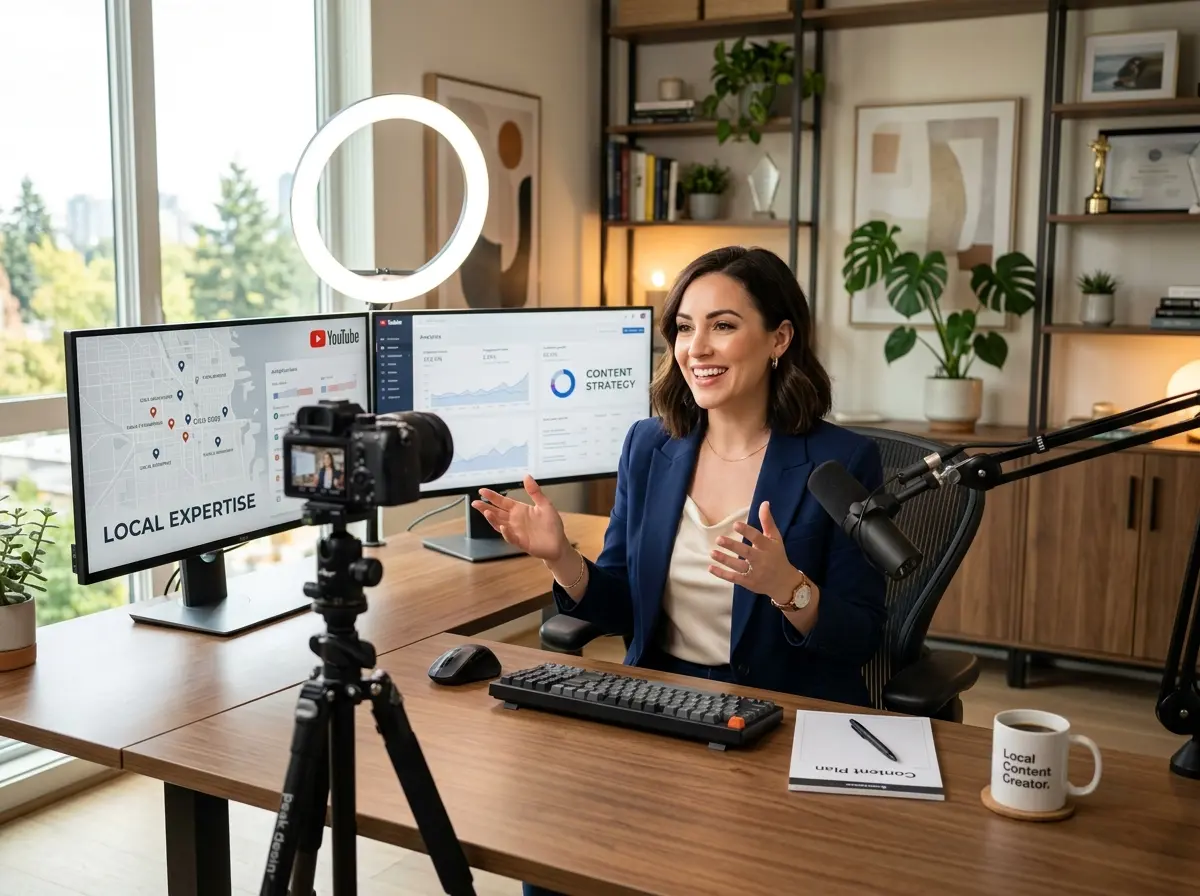
So You Want to Be the Local Expert (Without Actually Having to Wear a Cape)
Here's a fun little truth about your local market: someone is going to be known as the expert in your field. The go-to. The authority. The person everyone tags in Facebook groups when a neighbor asks for a recommendation. That person might as well be you — and YouTube is one of the most powerful (and underused) ways to claim that throne.
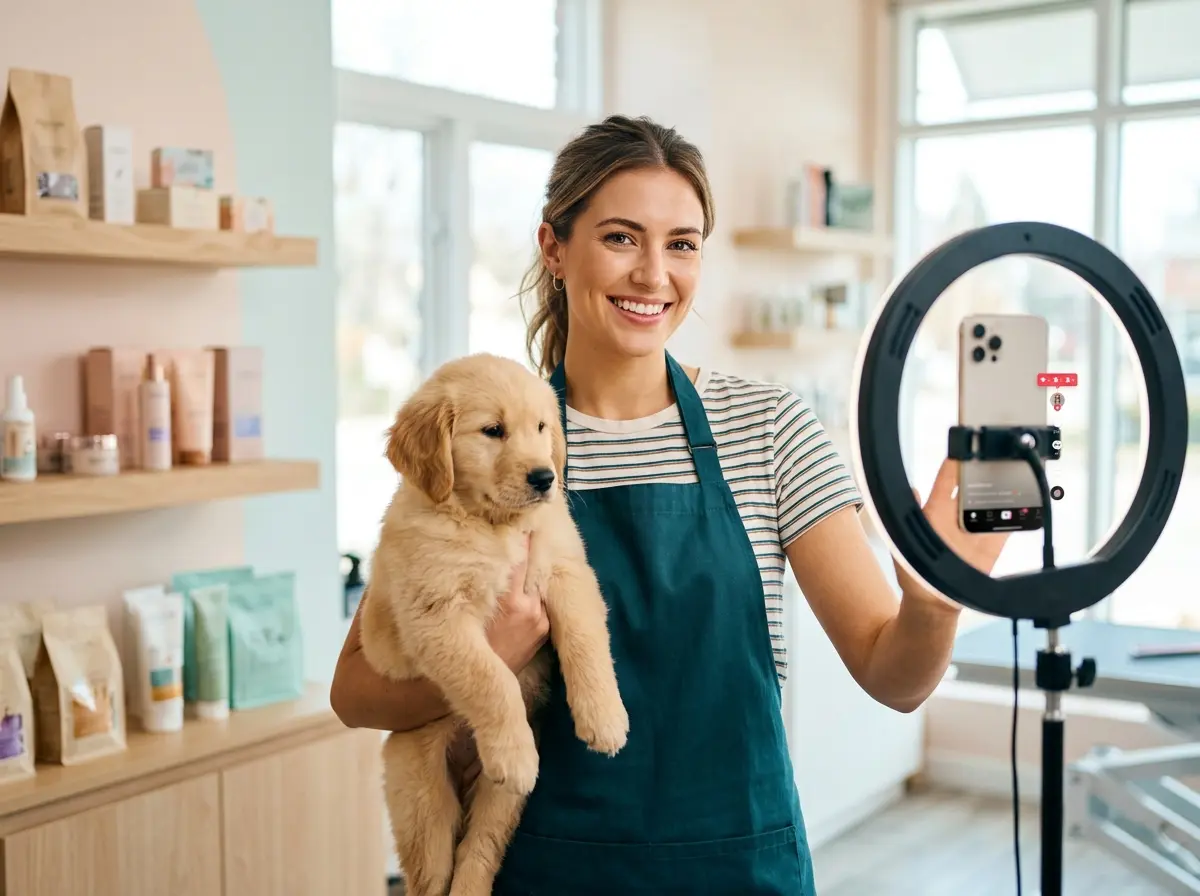
Before you start panic-sweating about being on camera, take a breath. You don't need a film crew, a ring light the size of a small sun, or a YouTube degree from the University of Going Viral. What you need is a strategy, some consistency, and the willingness to show up on screen and share what you already know. According to Google, YouTube reaches more 18–49 year-olds than any cable network in the U.S. — and locally focused channels have a massive advantage because they're not competing with the whole internet. They're competing with Dave's Auto Shop down the road, who definitely does not have a YouTube channel.
Let's break down exactly how to build a YouTube presence that positions you as the local expert your community didn't know they were desperately waiting for.
Laying the Foundation: Strategy Before You Hit Record
The biggest mistake business owners make when starting a YouTube channel is skipping straight to filming. They buy a microphone, film something awkward in their break room, upload it with no description, and then wonder why no one watched. Strategy first, camera second.
Define Your Niche and Local Angle
You're not just a dentist — you're the dentist in Naperville who explains dental anxiety in plain English and actually answers the questions people are too embarrassed to ask. You're not just a gym owner — you're the fitness expert in Austin who helps busy parents find time to train between soccer practice and soul-crushing commutes. The more specific your niche and local identity, the faster you'll build a loyal audience that trusts you.
Think about the questions your customers ask you every single week. Those questions are your content calendar. Write down the top 20 things people ask you in person or over the phone, and you've just outlined your first 20 videos. You're not creating content from scratch — you're simply documenting the expertise you already give away for free every day.
Set Up Your Channel to Convert, Not Just Inform
Your YouTube channel is a business asset, not a hobby project. That means treating it like one. Fill out your channel description with your location, services, and a clear call to action. Link to your website, your booking page, or your contact form. Use a professional banner that includes your business name and what area you serve — "Serving the Greater Denver Metro Area" does a lot of heavy lifting for local SEO.
Consistency matters more than perfection. A well-lit video filmed on an iPhone that goes up every Tuesday will outperform a cinematic masterpiece that shows up whenever inspiration strikes. Pick a realistic publishing schedule — even once or twice a month — and stick to it. YouTube's algorithm rewards consistency, and so do viewers.
Running the Business While You Build the Brand
Here's the part nobody talks about in the "build your YouTube channel" guides: while you're busy becoming a local celebrity, your actual business still needs to run. Customers still walk in. Phones still ring. Staff still have questions. It's a lot to juggle, and something usually gets dropped — often the customer experience.
Keep Business Running Smoothly While You Focus on Growth
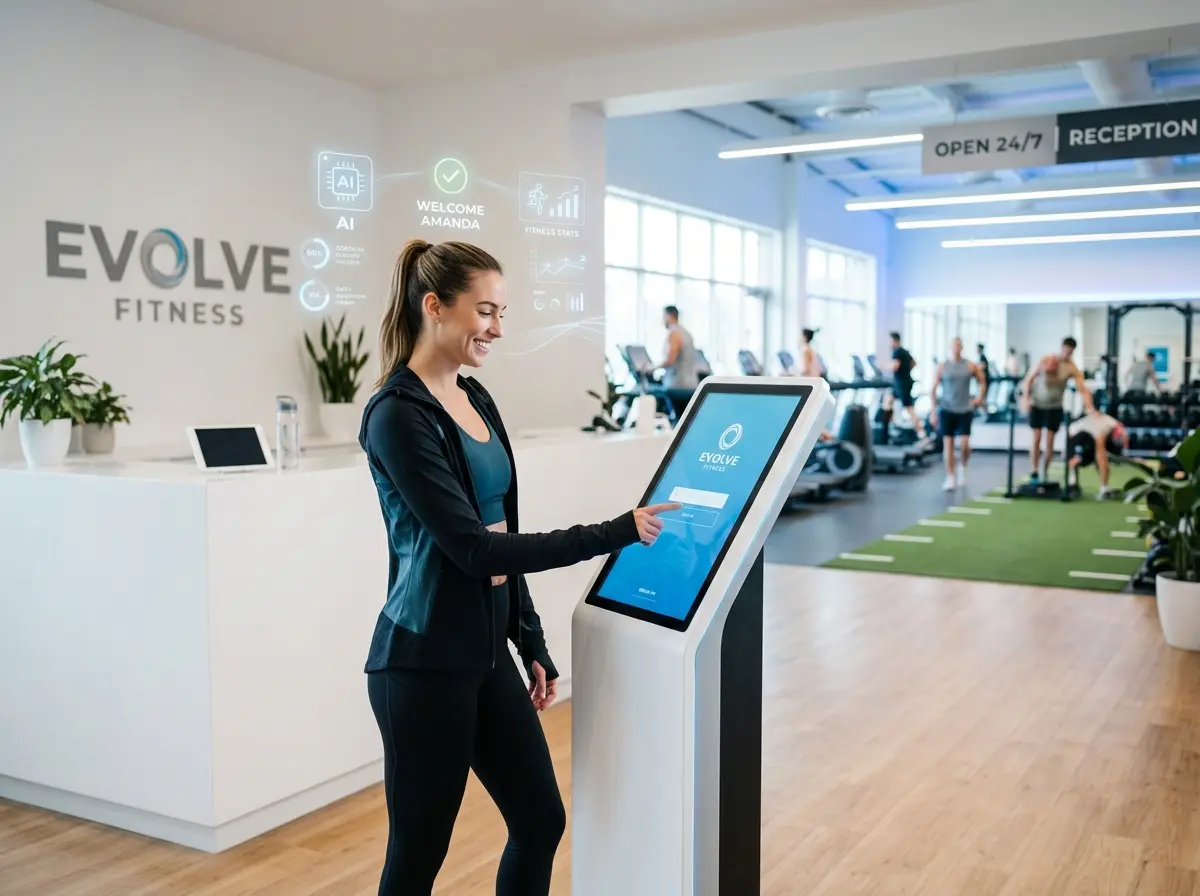
This is exactly where Stella earns her keep. Stella is an AI robot employee and phone receptionist designed to handle the front-line customer experience so you don't have to be in two places at once. For businesses with a physical location, Stella stands inside your store as a friendly, human-sized kiosk — greeting customers, answering product questions, promoting your current deals, and even upselling related services. While you're off filming a YouTube video about the top five things to look for in a quality HVAC system, Stella is back at the shop making sure every walk-in gets a warm, knowledgeable welcome.
Stella also answers your phones 24/7, handles after-hours inquiries, takes voicemails with AI-generated summaries, and forwards calls to human staff when needed. For a business owner trying to grow a YouTube presence without letting the day-to-day slip, having a reliable front-line presence that never calls in sick is less of a luxury and more of a sanity-saving necessity. At $99/month with no upfront hardware costs, she's one of the more practical investments you can make while you focus on building long-term authority.
Creating Content That Actually Makes People Trust You
Getting views is nice. Building trust is better. The goal of your YouTube channel isn't to go viral — it's to make every single viewer in your local area think, "Okay, this person clearly knows what they're talking about." That kind of credibility is worth more than any ad you could ever run.
Lead with Education, Not Promotion
The fastest way to lose an audience is to make every video a commercial for your business. The fastest way to build one is to give away genuinely useful information without immediately asking for anything in return. Teach people how to spot the warning signs of a failing water heater. Walk them through what happens during a first visit to your chiropractic office. Explain why that rash is probably not what they've been Googling at 2am. When you educate without gatekeeping, people trust you — and they come to you when they're ready to buy.
A strong educational video format for local experts is the "What to Expect" video. These are gold because they address one of the biggest barriers to purchase: uncertainty. "What to Expect at Your First Laser Treatment," "What to Expect When You Bring Your Car in for a Transmission Check" — these videos reduce friction, answer objections before they're even raised, and position you as a business that genuinely cares about customer experience.
Use Local SEO to Get Found in Your Market
YouTube is the second largest search engine in the world, and when you combine it with local keywords, you have a surprisingly low-competition opportunity. Include your city or region in your video titles, descriptions, and tags. Phrases like "best HVAC tips for [Your City] winters" or "how to choose a family dentist in [Your Neighborhood]" tell both YouTube and Google exactly who your content is for — and that specificity pays off in local search results.
Don't overlook your video descriptions. Write at least 150–200 words per video description, include your business name, address, phone number, and a link to your website. This turns every video into a local SEO asset, not just a piece of content. Over time, you'll find your videos showing up not just in YouTube searches but in Google results when someone in your area searches for the exact problem you solve.
Repurpose Your Content Across Every Channel
One YouTube video shouldn't live and die on YouTube. Pull a 60-second clip for Instagram Reels or TikTok. Turn the transcript into a blog post. Pull a key quote for a Facebook graphic. Send the video link in your email newsletter. The business owners who get the most mileage out of content marketing aren't necessarily the ones creating the most — they're the ones distributing it the smartest. Each piece of content you create becomes a breadcrumb trail leading potential customers right back to you.
Quick Reminder About Stella
Stella is an AI robot employee and phone receptionist that works around the clock — greeting in-store customers, answering phones, promoting your offerings, and keeping your front-line experience professional even when you're not around. She's available for just $99/month, requires no upfront hardware costs, and is genuinely easy to set up. While you're building your YouTube empire, she's holding down the fort.
Your Next Steps Start Now (Not "Someday")
Building a YouTube channel that establishes you as a local expert is one of the highest-leverage things you can do for your business — and it compounds over time in ways that paid advertising simply doesn't. A video you film today can generate trust, traffic, and leads for years. The local competitor who starts six months after you will always be six months behind.
Here's what to do this week: Write down the top ten questions your customers ask you most often. Pick one, write a simple outline — intro, three helpful points, call to action — and film a three-to-five minute video. Don't overthink the production. Post it, optimize the description with local keywords, and then do it again next week. That's the whole playbook to start.
Make sure your business can handle the growth that comes with increased visibility. Set up systems that let customers reach you easily, get their questions answered quickly, and experience your brand professionally at every touchpoint — whether they found you through YouTube, walked past your storefront, or called you at 9pm on a Sunday. Consistency on camera and consistency in your customer experience go hand in hand. Build both, and the "local expert" title won't just be something you claim — it'll be something your community says about you without being asked.