So, You Want to Turn Your Spa Into a Revenue-Generating Workshop Powerhouse?
Great idea — and you're not alone. Spa owners everywhere are waking up to the fact that massage tables and facial chairs don't have to sit empty between appointments. Workshop programs are one of the most underutilized revenue streams in the wellness industry, and honestly, it's a little surprising more spas aren't doing this already. You've already got the space, the expertise, and the ambiance. All you need is a plan.
Here's the reality: the average spa runs at about 60-70% capacity utilization during peak hours, but struggles badly during off-peak times. Workshops fill those gaps beautifully — and they do it while building community, showcasing your staff's expertise, and creating new customers who might never have walked through your door otherwise. According to the International Spa Association, spas that offer education-based programming report meaningfully higher customer retention and average spend per visit. In other words, workshops aren't just a nice-to-have. They're a smart business move.
This guide will walk you through exactly how to design, price, and market a profitable workshop program — without losing your mind in the process.
Designing a Workshop Program That People Actually Want to Attend
Before you book a venue or print a single flyer, you need to understand what your customers actually want to learn — not what you assume they want. This is where many spa owners trip up. They design the workshop around what they find interesting, only to end up with six attendees and a lot of leftover kombucha.
Choosing the Right Workshop Topics
Start by looking at your most popular services. If your clients can't get enough of your hot stone massages or your signature facial, there's a strong chance they'd pay good money to learn some of the techniques themselves — or to understand the skincare science behind what you're doing to their face. Popular workshop formats include at-home skincare routines, couples massage basics, stress relief and self-care practices, aromatherapy blending, and seasonal wellness topics like immune-boosting rituals heading into winter.
Survey your existing clients, check what's trending on Pinterest and Google, and don't be afraid to ask your front desk staff what questions they get asked most often. That last one is pure gold — your receptionist probably hears the same five questions on repeat every single day. Those questions are workshop topics waiting to happen.
Structuring Your Workshop for Maximum Value and Upsell Potential
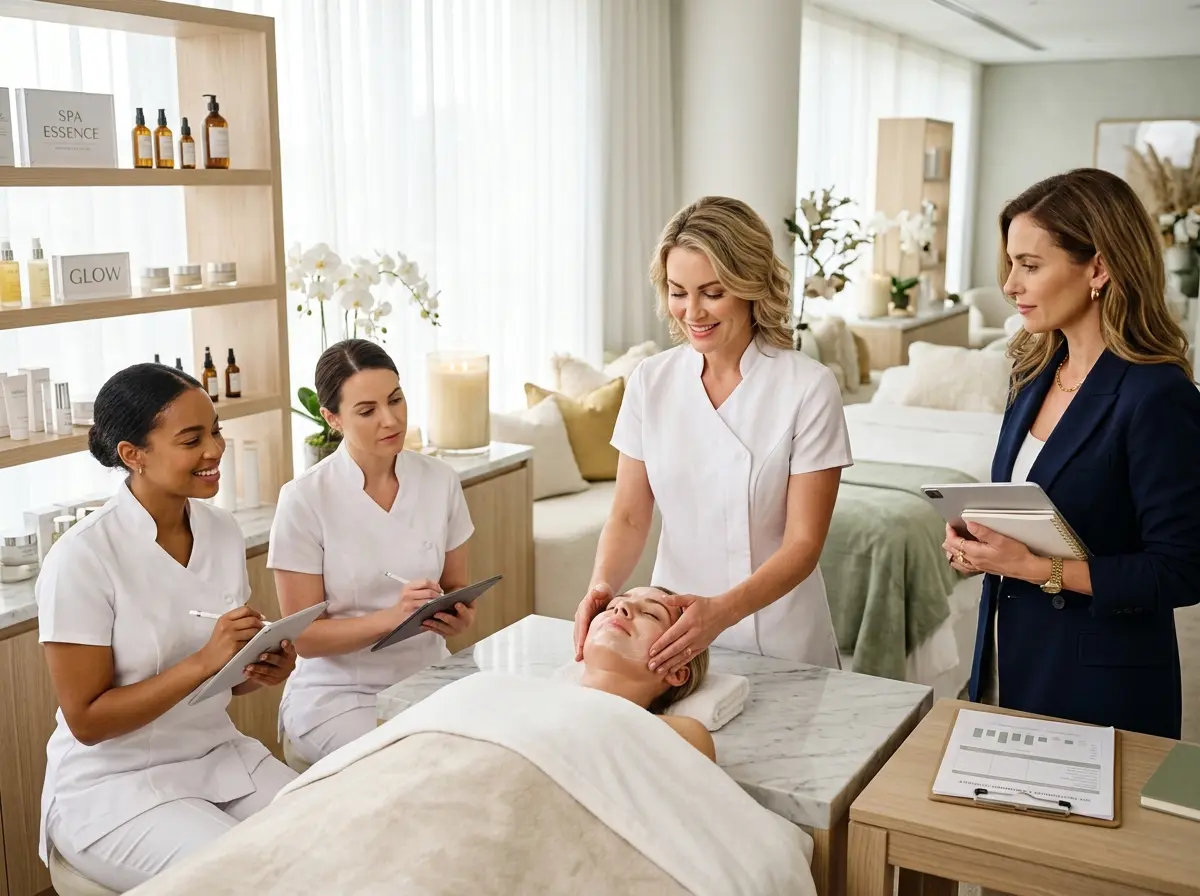
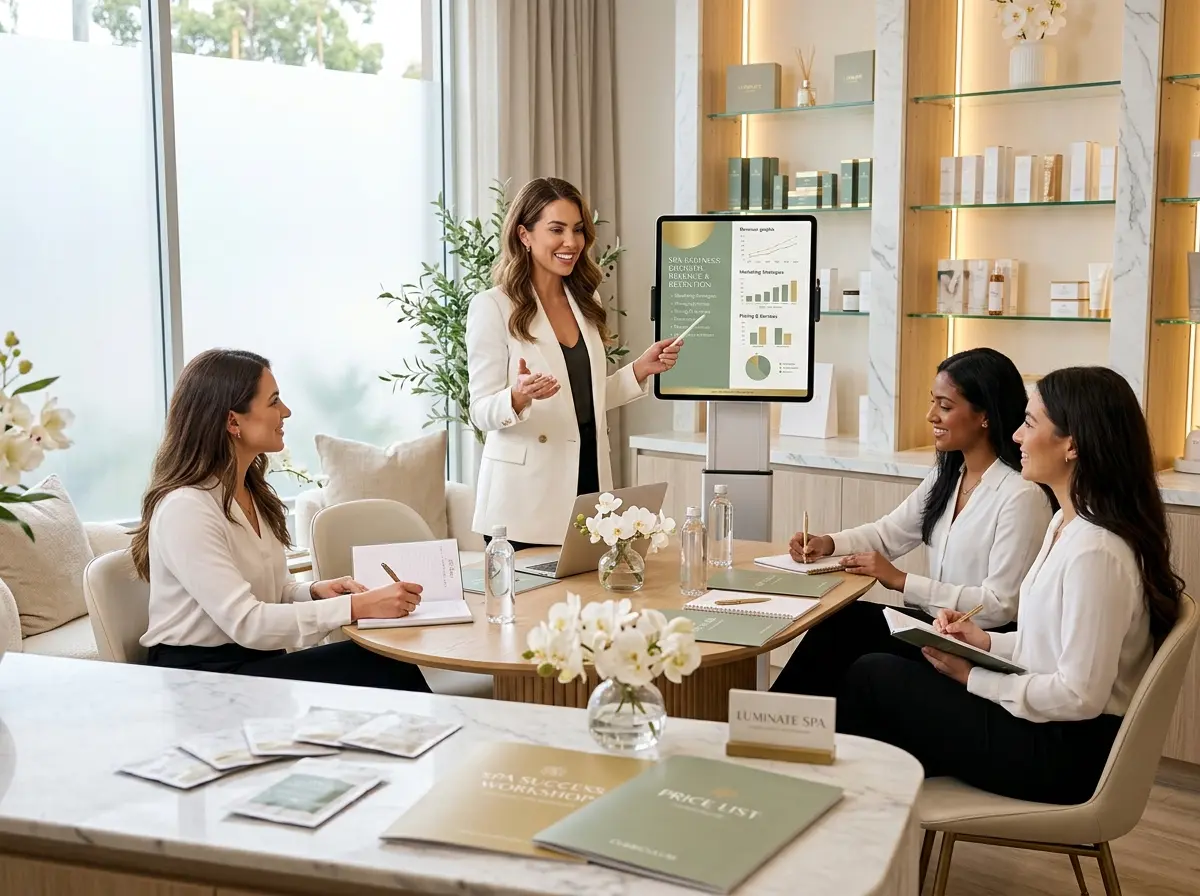
A good workshop isn't just an hour of talking — it's an experience. Build in hands-on components, take-home materials (branded, please), and a natural opportunity to showcase your retail products. For example, if you're running an aromatherapy blending class, provide attendees with a small kit of products they can purchase afterward. If you're teaching a facial workshop, offer a post-class consultation for a discounted full service.
The key is designing the workshop so that it naturally leads participants deeper into your ecosystem. They came to learn something — and they'll leave wanting more. That's not manipulation; that's just good hospitality and smart business simultaneously wearing the same robe.
Pricing Your Workshops to Be Profitable Without Scaring Anyone Off
Pricing is where a lot of spa owners undercharge dramatically, usually out of fear of rejection. Here's a general framework to work from: calculate your cost per attendee (supplies, staff time, space opportunity cost), then multiply by at least 2.5 to 3x for your ticket price. A 90-minute skincare workshop with a take-home kit might cost you $25 per person to run — which means charging $65–$85 per ticket is entirely reasonable and still competitive.
Consider offering tiered pricing: an early bird rate to fill seats quickly, a standard rate, and a premium option that includes a follow-up service or a product bundle. Tiered pricing increases conversions because it gives people choices rather than a single yes-or-no decision.
Streamlining the Booking and Customer Experience
Here's where things can get messy if you're not careful. Managing registrations, answering questions about workshop availability, and collecting attendee information can quietly eat up your staff's entire day. That's time they're not spending on clients who are actually in the chair.
Let Technology Handle the Repetitive Stuff
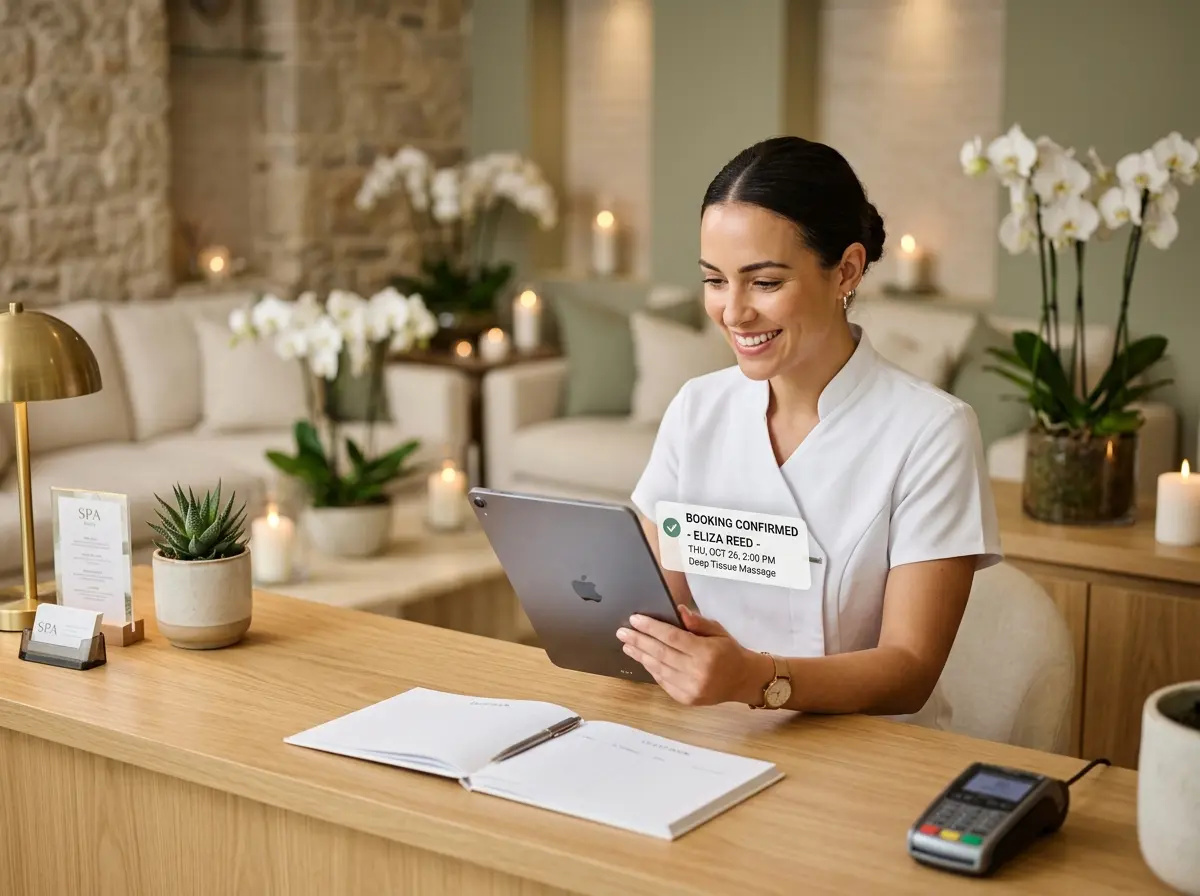
This is exactly where Stella — the AI robot employee and phone receptionist — can make a real difference for spa owners running workshop programs. When a curious client walks past your front desk or calls in after hours wondering "do you have any workshops coming up?", Stella is there to answer knowledgeably, promote your current offerings, and even collect their information through conversational intake forms — whether over the phone, at her in-store kiosk, or on your website. She handles the repetitive front-desk questions so your human staff can focus on the people who are actually in the room getting services.
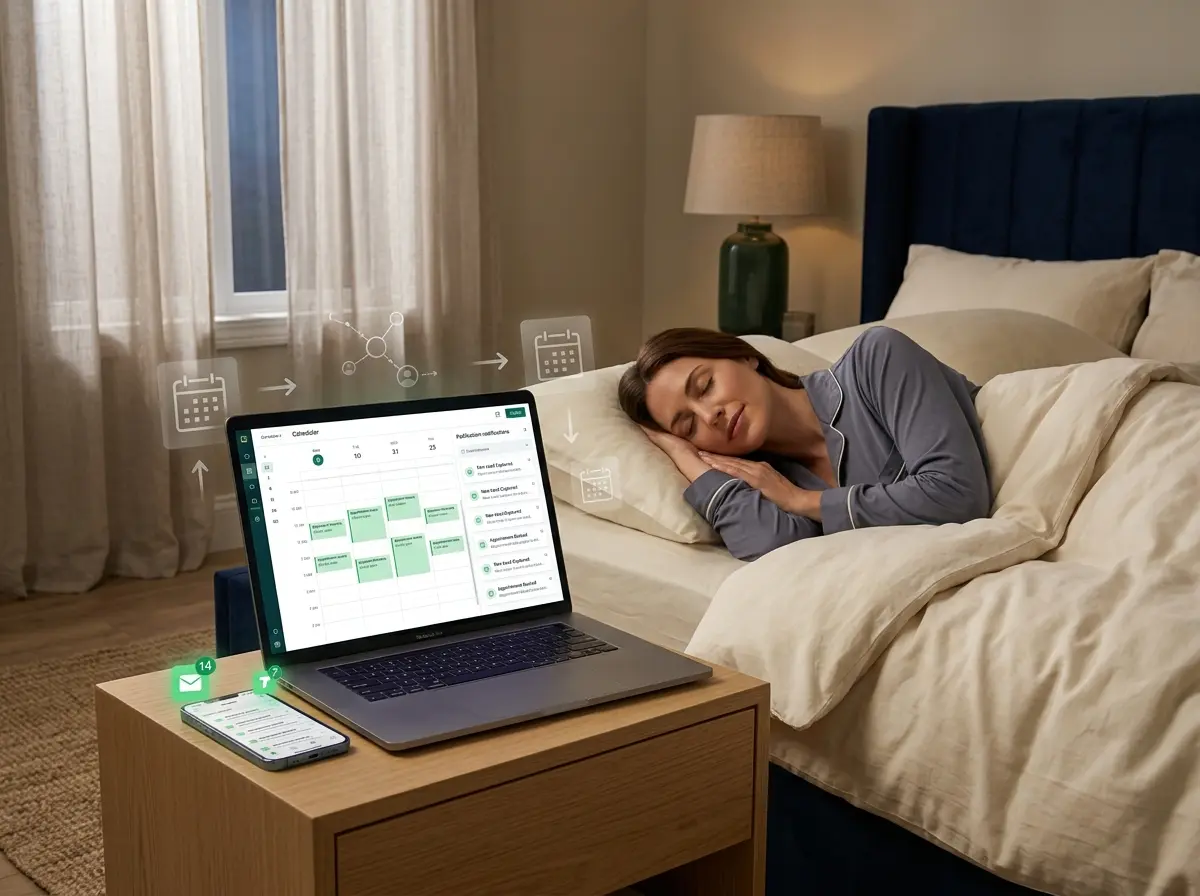
Stella also answers calls 24/7, which matters more than you might think. A significant portion of workshop inquiries happen outside of business hours — someone browsing Instagram at 10pm sees your post and calls right then. Without coverage, that lead is gone. With Stella, it's captured, summarized, and waiting for you in the morning.
Marketing Your Workshops to Fill Every Seat
A fully designed workshop with zero attendees is just an expensive staff meeting. Marketing is non-negotiable, and fortunately, spas are well-positioned to do it effectively because your clients already trust you and like spending time with you.
Leverage Your Existing Client Base First
Your current clients are your warmest audience and your easiest sell. Email your list at least three to four weeks before a workshop. Personalize the message — if someone regularly books facials, tell them specifically about your skincare workshop. Mention it during appointments. Put a sign in your waiting area. Train your staff to bring it up during checkout. Word-of-mouth from a trusted esthetician is worth more than any Facebook ad you'll ever run.
Encourage past workshop attendees to bring a friend by offering a small group discount. This is one of the most cost-effective acquisition strategies you have — you're essentially letting your best clients do your marketing for you in exchange for a modest price incentive. Everyone wins.
Social Media, Local Partnerships, and Beyond
Instagram and Facebook are natural fits for spa marketing given how visual the content is. Show behind-the-scenes prep for workshops, share testimonials from past attendees, and go live during or after events. Reels and short videos consistently outperform static posts — a 30-second clip of your aromatherapy class in action can do more work than three weeks of carefully curated grid photos.
Don't overlook local partnerships, either. Yoga studios, health food stores, fitness centers, and corporate HR departments are all potential referral partners for wellness workshops. A simple cross-promotional arrangement — you promote their classes, they promote yours — can fill seats at zero cost. Corporate wellness partnerships in particular can be lucrative, as companies increasingly pay for group experiences for their teams.
Creating a Content Calendar That Keeps Momentum Going
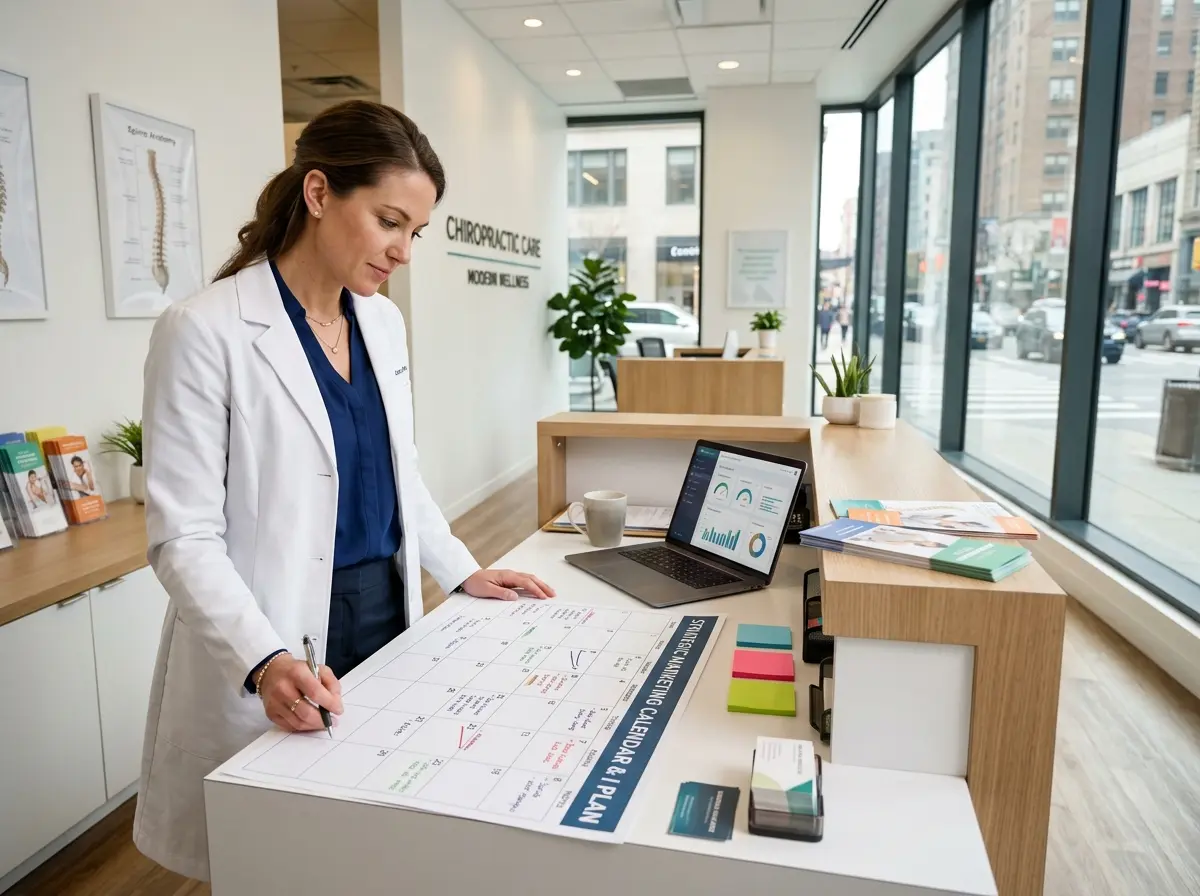
One workshop is a nice experiment. A quarterly or monthly workshop series is a revenue stream. Build out a content calendar that plans your workshop topics seasonally — detox themes in January, couples workshops around Valentine's Day, stress relief in the fall. This gives you predictable marketing windows, builds anticipation, and turns one-time attendees into regulars who look forward to what's next.
Document everything: attendance numbers, revenue, what sold well afterward, what flopped. Treat your workshop program like the business unit it is, with its own simple P&L. This data will guide your decisions far better than gut instinct alone.
Quick Reminder About Stella
Stella is an AI robot employee and phone receptionist designed for businesses exactly like yours — a friendly, knowledgeable presence that greets customers in person at her kiosk and answers phone calls around the clock. At just $99/month with no hardware costs to worry about, she's one of the most practical investments a spa owner can make for keeping the front-of-house running smoothly without burning out your staff or missing opportunities while you're busy running a workshop in the back room.
Your Workshop Program Won't Build Itself — But It's Closer Than You Think
The good news is that you already have most of what you need. You have the space, the knowledge, the clientele, and the credibility. What's left is the structure, the pricing strategy, and the commitment to treating your workshop program like a real revenue channel — not an afterthought you remember when things are slow.
Here's how to get started this week:
- Survey your top 20 clients — by email or in person — and ask what wellness topic they'd most like to learn about.
- Choose one workshop to pilot within the next 60 days. Keep it simple: one topic, one date, a cap of 10–15 attendees.
- Set your price using the 2.5–3x cost formula, and build in at least one upsell opportunity (a product bundle or a follow-up service discount).
- Promote it to your existing list first, then expand to social media and local partners.
- Evaluate honestly after the event — attendance, revenue, what attendees purchased afterward, and what you'd do differently.
Workshops done right don't just generate revenue — they build relationships, showcase your expertise, and turn casual clients into loyal advocates. That's the kind of ROI that shows up not just in your monthly numbers, but in the long-term health of your business. And really, isn't that why you opened a spa in the first place?