The Right Message, Wrong Time? That's Just Spam.
Marketing automation isn't just for enterprise companies with massive budgets and dedicated tech teams. Today's tools make it entirely accessible for small and mid-sized businesses — and the results speak for themselves. According to HubSpot, businesses that use marketing automation see a 451% increase in qualified leads. That's not a typo. Automation, when done right, is less about replacing the human touch and more about amplifying it — making sure every customer feels like you actually know them, because your system actually does.
Building the Foundation: Segmentation and Triggers
Segment Your Audience Like You Mean It
Set Up Behavioral Triggers (Not Just Calendar Reminders)
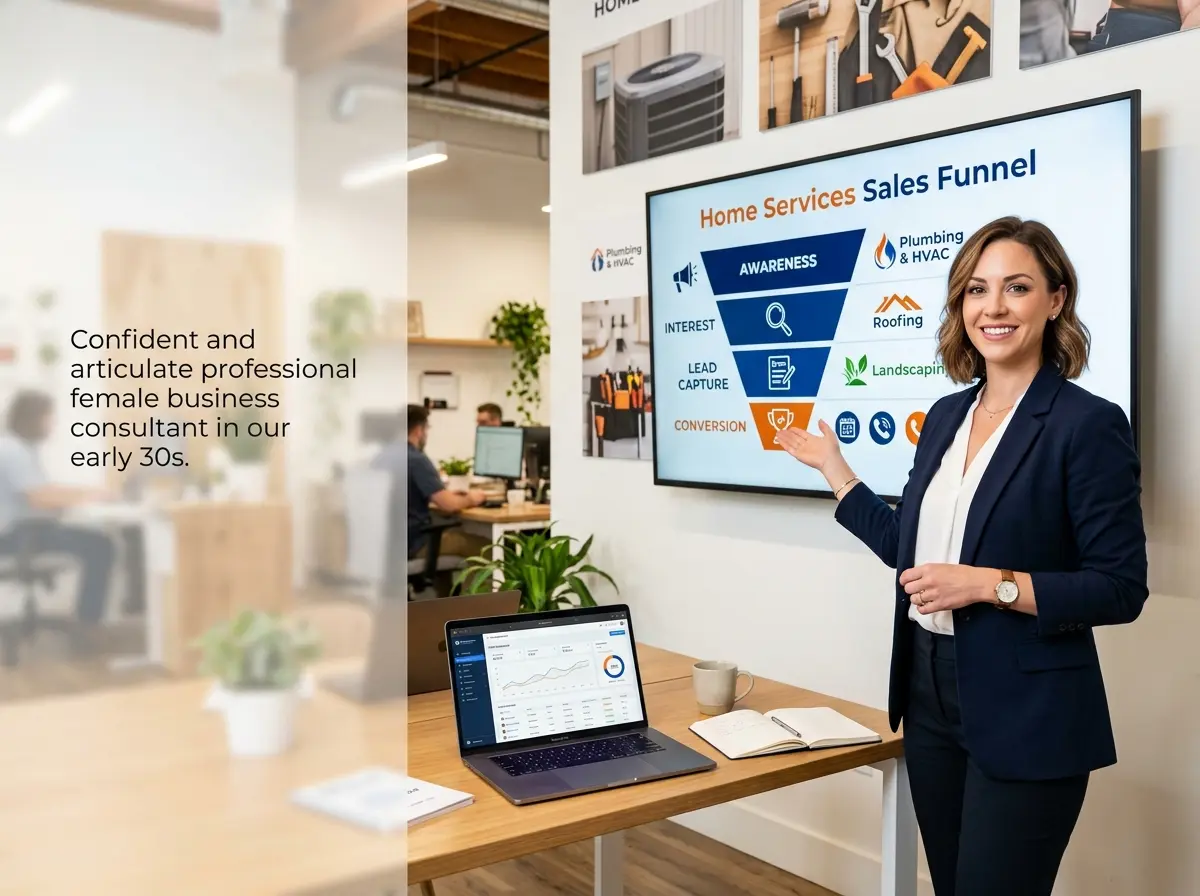
Map the Customer Journey Before You Automate It
Smarter Customer Interactions Start at the First Touchpoint
Capture the Right Data at the Right Moment
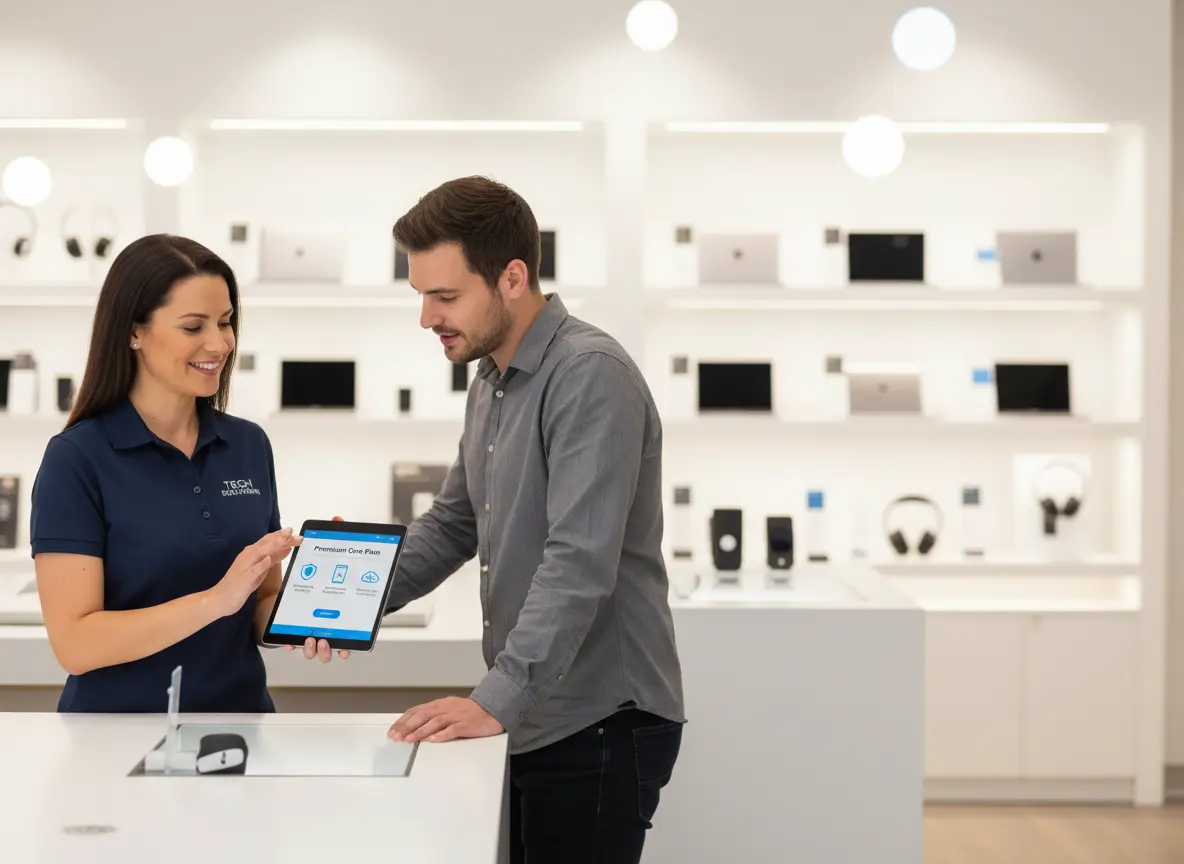
Stella, the AI robot employee and phone receptionist, is built to handle exactly this kind of first-touch data collection without making it feel like an interrogation. In-store, she greets customers, engages them in natural conversation, and can collect information through conversational intake forms — the kind that feel like a chat, not a clipboard. On the phone, she answers calls 24/7, gathers caller details, and logs everything into her built-in CRM with AI-generated customer profiles, custom fields, and tags. That data flows directly into your customer records, ready to power your segmentation and triggers. No manual entry, no lost sticky notes, no "wait, what did they say their email was?"
Stella also captures insights about which promotions customers respond to, what questions they ask most, and how interactions trend over time — exactly the kind of intelligence that sharpens your automation strategy over time.
Writing Messages That Actually Get Results
Personalization Goes Beyond "Hi [First Name]"
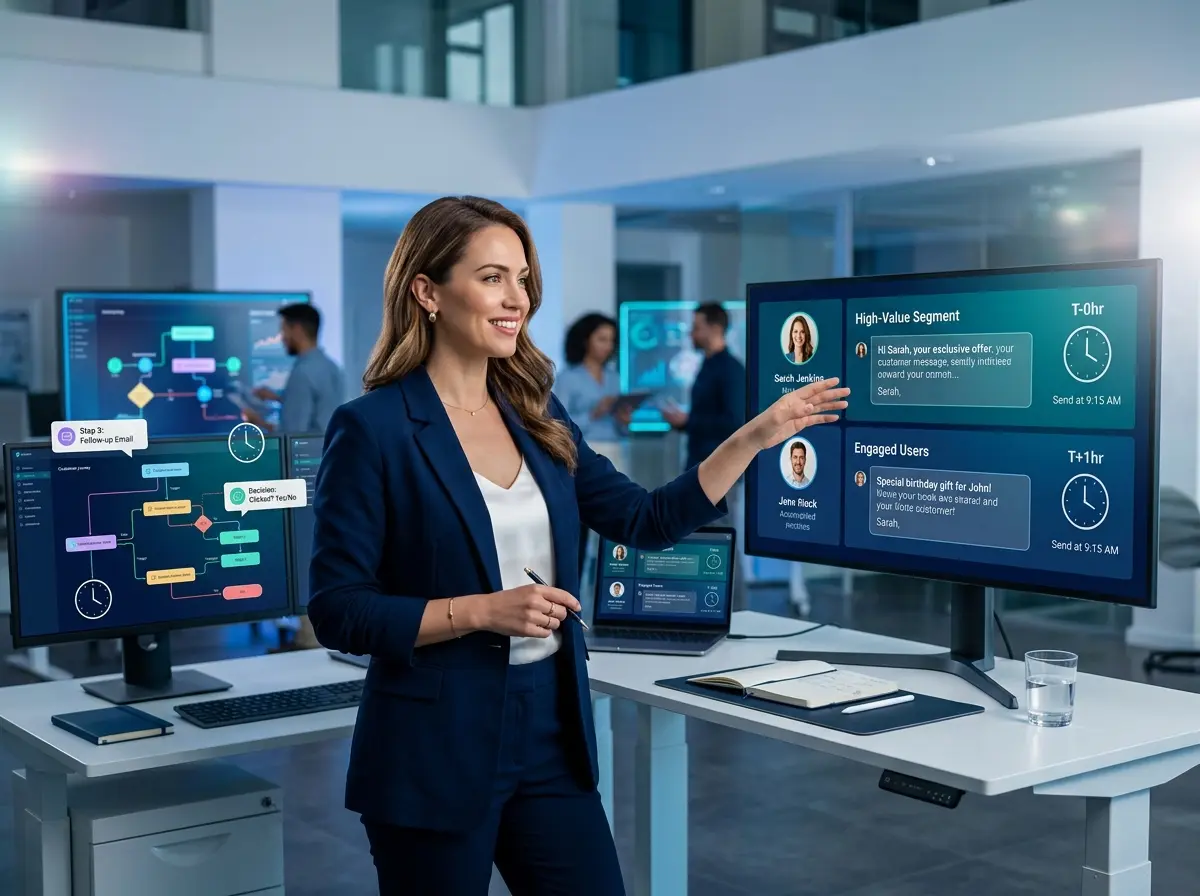
Nail the Timing and Frequency
Test, Measure, and Iterate — Always
Quick Reminder About Stella
Stella is a friendly AI robot employee and phone receptionist designed for businesses of all sizes — whether you have a physical storefront or operate entirely online. She greets in-store customers, promotes your current deals, answers questions, and collects customer data through natural conversation, all while feeding clean records into her built-in CRM. She also answers phone calls 24/7, handles inquiries, takes AI-summarized voicemails, and keeps your customer information organized without any manual effort from your team. At $99/month with no upfront hardware costs, she's the kind of employee who never calls in sick and never forgets to upsell.
Start Automating Smarter, Not Just Faster
- Audit your current customer data. What do you know about your customers? What are you missing? Identify the gaps your intake process needs to fill.
- Define three to five core customer segments based on behavior, purchase history, or lifecycle stage — and write a distinct message strategy for each one.
- Map your customer journey and identify the five most important touchpoints where a timely, relevant message could make a meaningful difference.
- Build your first three automated sequences: a welcome series, a post-purchase follow-up, and a re-engagement campaign for lapsed customers.
- Measure everything. Set a monthly review cadence to evaluate performance and make one or two targeted improvements each cycle.