Open Houses Are Expensive — Let's Make Sure People Actually Show Up
You've booked the listing, printed the flyers, set up the sign spinner on the corner (bless that person's soul), and arranged a suspiciously perfect fruit and cheese platter. And then... three people show up. One is a nosy neighbor. One is a couple who is "just looking." And one is someone who walked in because they thought it was a garage sale.
Sound familiar? Open houses are one of the most powerful tools in a real estate agent's arsenal, but they only work if the right people walk through the door. The good news is that Facebook Lead Ads were practically built for this exact problem — and when used correctly, they can fill your open house with actual prospective buyers instead of just the local curious crowd.
This guide walks you through exactly how to use Facebook Lead Ads to drive qualified attendance to your next open house, from setting up your campaign to following up like a pro.
Setting Up Facebook Lead Ads That Actually Work
Understanding What Facebook Lead Ads Are (and Why They're Perfect for Open Houses)
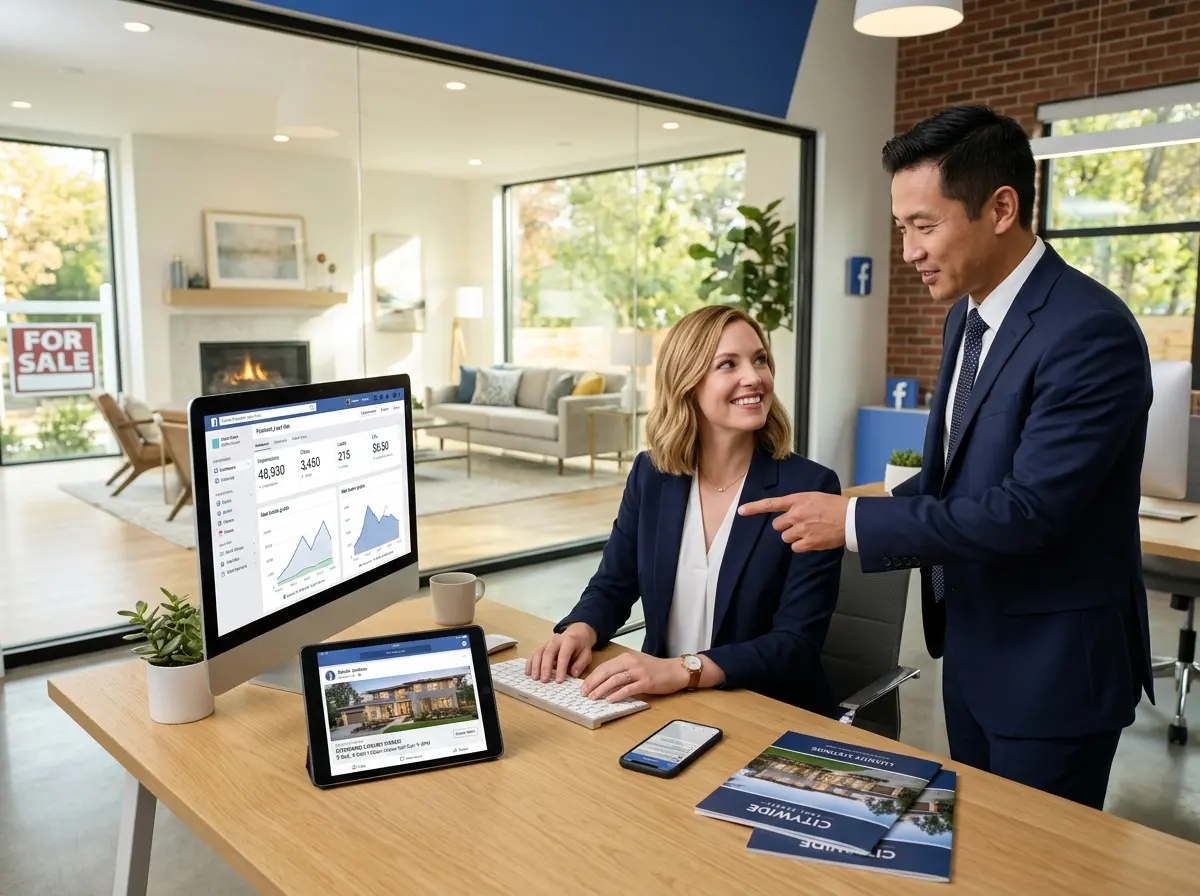
Facebook Lead Ads are a special ad format that lets users submit their contact information — name, email, phone number — without ever leaving Facebook or Instagram. Instead of clicking a link and landing on a separate page, a pre-filled form pops up right inside the app. This frictionless experience is a big deal. According to Meta's own data, Lead Ads can generate leads at a significantly lower cost-per-lead than standard traffic campaigns, largely because fewer steps mean fewer drop-offs.
For open houses specifically, this is gold. You're not selling a product with a long consideration cycle — you're promoting a time-sensitive event. The easier you make it for an interested buyer to raise their hand and say "I want to come," the more attendees you'll get. A pre-filled form that takes ten seconds to complete is about as easy as it gets.
Targeting the Right Audience
Here's where most agents either nail it or completely blow it. Facebook's targeting tools are extraordinarily powerful, but only if you actually use them intentionally. For an open house, you want to think in layers.
Start with geography — target people within a reasonable driving radius of the property, typically 10 to 25 miles depending on the market. Then layer on behavioral and demographic signals: homeownership status (Facebook can actually target renters specifically, which is useful for entry-level properties), household income ranges, age brackets that align with your buyer profile, and life events like "recently married" or "expecting a baby" if the home is a great fit for young families.
Don't sleep on Custom Audiences either. Upload your existing contact list and create a Lookalike Audience to reach people who look like your best past clients. This approach routinely outperforms cold interest-based targeting for agents who have even a modest contact database.
Crafting the Ad Creative That Stops the Scroll
Your ad has about 1.7 seconds to convince someone to stop scrolling. Lead with a strong photo or short video of the property — ideally something that shows the home's best feature immediately, whether that's a stunning kitchen, a pool, or a view. Avoid the temptation to use the same generic "Just Listed!" copy everyone else is using.
Instead, write ad copy that speaks to the lifestyle. "3 bedrooms, a chef's kitchen, and a backyard made for Sunday dinners — come see it this Saturday." That's more compelling than listing square footage. Include the date, time, and address clearly in the copy, and use a call-to-action button like "Sign Up" or "Learn More" to trigger the lead form. Keep the form itself short — name, email, phone number, and maybe one qualifying question like "Are you currently working with a buyer's agent?" is plenty.
Using Technology to Manage Your Leads Without Losing Your Mind
How a Smart Follow-Up System (and a Little AI Help) Changes Everything
Generating leads is only half the battle. The other half is following up before your leads forget they ever signed up. Research from the National Association of Realtors consistently shows that speed-to-lead is one of the most critical factors in conversion — and yet most agents take hours or even days to respond to new inquiries. By then, the lead has already toured a competitor's listing.
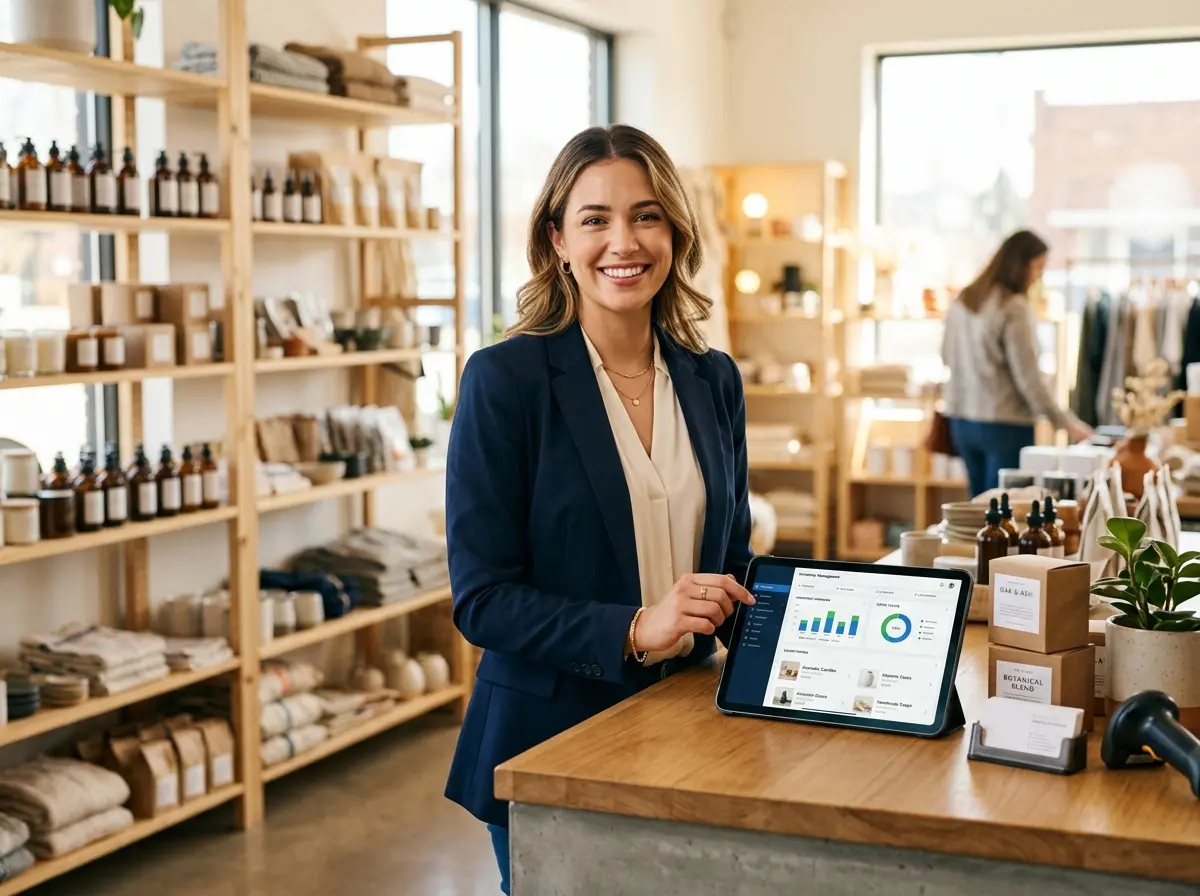
This is where Stella can quietly become your secret weapon. While Stella isn't a real estate CRM in the traditional sense, she functions as an AI receptionist and front-line contact manager for your business — answering phone calls 24/7, collecting lead information through conversational intake forms, and storing everything in a built-in CRM with custom fields, tags, and AI-generated contact profiles. If a prospective buyer calls after seeing your Facebook ad and you're busy at another showing, Stella picks up, answers their questions about the property, and captures their details so nothing slips through the cracks. For solo agents and small teams especially, that kind of always-on availability is a genuine competitive advantage.
Converting Open House Attendees Into Actual Clients
What to Do Before the Open House
Once leads start coming in from your Facebook campaign, don't just let them sit in your inbox. Set up an automated email or text confirmation that fires immediately when someone submits the form — thank them for signing up, confirm the date and time, include directions or parking notes, and build a little excitement about what they'll see. A reminder message 24 hours before and another the morning of the event will meaningfully reduce no-show rates.
Personalization matters here too. If your lead form included a qualifying question, reference it in your follow-up. Knowing that a lead is actively pre-approved for a mortgage versus casually browsing helps you prioritize your conversations before they even walk in the door.
Making the Most of the Open House Itself
When people arrive, collect their information again — yes, even if you already have it from the Facebook form. A physical sign-in sheet or tablet at the door reinforces professionalism and ensures your records are accurate. Use the time during the tour to listen more than you talk. Ask what they're looking for, what brought them in, what other homes they've seen. This isn't just small talk — it's intelligence that will make your follow-up far more effective.
After the event, follow up within 24 hours. Every single person who attended. A brief, personalized message referencing something specific from your conversation will stand out dramatically from the generic "Thanks for coming!" email that everyone else sends.
Retargeting People Who Didn't Attend
Not everyone who clicks your ad will submit the form, and not everyone who submits the form will actually show up. That's normal — and it's not the end of the relationship. Facebook allows you to retarget people who engaged with your ad but didn't convert, as well as people who opened your lead form but didn't complete it. A simple follow-up ad — "Missed the open house? Private showings available this week." — can resurrect a surprising number of warm leads who just needed a little more time.
You can also use the email addresses collected from your lead form to create a Custom Audience in Facebook and run a separate nurture campaign for people further along the consideration journey. Real estate has a long sales cycle; staying visible and relevant between now and when they're ready to make an offer is how you win the listing appointment.
Quick Reminder About Stella
Stella is an AI robot employee and phone receptionist that works 24/7 for just $99 a month — no hardware costs, no sick days, no training headaches. She answers calls, greets customers, collects lead information through conversational intake forms, and manages contacts through a built-in CRM, making her a practical support tool for real estate professionals who can't afford to miss a single inquiry. Whether you're at an open house, on a listing appointment, or simply off the clock, Stella keeps your business responsive and professional.
Stop Letting Great Listings Go Underattended
Facebook Lead Ads are one of the most cost-effective ways to get qualified buyers through the door of your next open house — but they require intentional setup, sharp creative, smart targeting, and a follow-up system that doesn't drop the ball. The agents who treat their open houses like proper marketing events rather than passive walk-in opportunities are the ones consistently building their client pipelines and closing deals.
Here's what to do next: start with one property, set a modest budget of $5 to $15 per day for the week leading up to your open house, test two ad variations with different creative or copy, and measure your cost-per-lead. Refine from there. The learning curve is shorter than you think, and the results — an open house with actual qualified buyers instead of a fruit platter audience — are absolutely worth the effort.
Now go set up that campaign. The cheese platter deserves a better crowd.