Why Your Store Smells Like Nothing (And That's a Problem)
Let's be honest — you've spent serious time and money on your logo, your website, your social media presence, and maybe even a very professional-looking business card that cost more than it should have. And yet, you might be completely ignoring two of the most powerful tools in your marketing arsenal: what your customers hear and what they smell. Yes, really.
Sensory marketing — the practice of intentionally shaping the sounds, scents, and other sensory experiences in your business environment — isn't just a fancy concept reserved for luxury hotel chains and high-end department stores. It's a proven, research-backed strategy that influences how long customers stay, how much they spend, and how they feel about your brand long after they've walked out the door. Studies have shown that background music alone can increase sales by up to 38%, and scent marketing has been linked to a 14.8% increase in intent to purchase. Those are not numbers you ignore.
This guide breaks down the science and strategy behind sensory marketing so you can start using it — practically and affordably — in your own business today.
The Science of Sound: How Music Shapes Buying Behavior
Music is not just background noise. It's a psychological lever. The tempo, volume, and genre of the music playing in your space actively shapes how customers perceive time, price, and product quality. Getting it right doesn't require hiring a DJ — it just requires understanding a few key principles.
Tempo Controls the Pace (Literally)
Slow music makes customers move slowly and browse longer. Fast music does the opposite. A landmark study published in the Journal of Marketing Research found that supermarket shoppers exposed to slow-tempo music spent significantly more time in the store — and left with fuller carts — than those who shopped to faster-paced tracks. If you run a retail shop, a restaurant, or a spa, slower music is almost always your friend. If you're running a quick-service lunch spot or a gym, crank it up — your customers want energy, not a leisurely stroll.
Genre Signals Brand Identity
Beyond tempo, the type of music you play communicates something about who you are. A wine shop playing classical music isn't being pretentious — research shows that customers in that environment actually buy more expensive bottles and perceive the products as higher quality. A boutique clothing store playing indie folk creates a very different vibe than one playing Top 40, even if the products are identical. The genre you choose should align with your brand personality and your target customer's taste. Think of your playlist as part of your brand identity, not an afterthought.
Volume Matters More Than You Think
Volume affects social behavior. Louder environments tend to encourage faster decision-making and increase arousal — great for bars and nightclubs, less ideal for a medical office or a high-end jewelry store. Moderate volume is generally the sweet spot for most retail and service businesses. You want customers to hear the music without having to shout their order or their credit card number across the counter. Keep it pleasant, keep it appropriate, and please — if you're still playing the radio with commercials — stop immediately. Ads for a competing business are never a good look.
The Science of Scent: Why Smell Sells
Scent is arguably the most underutilized and underestimated sensory marketing tool available to small and mid-sized businesses. Unlike sight or sound, smell bypasses the rational brain almost entirely and connects directly to the limbic system — the part of your brain responsible for emotion and memory. That's why the smell of fresh cookies can make a house feel like home during an open house, or why a hotel lobby that smells like eucalyptus and cedar feels instantly more luxurious than one that smells like carpet cleaner.
Signature Scents Create Brand Memory
Some of the world's most recognized brands have signature scents — Abercrombie & Fitch's infamous cologne misting, Singapore Airlines' Stefan Floridian Waters, even the distinct smell of a new car (which, fun fact, manufacturers have been known to artificially enhance). You don't need a multinational budget to create a signature scent. A local spa, salon, or boutique can develop a consistent aromatic identity using diffusers and carefully chosen essential oil blends. When customers smell that scent elsewhere — at a friend's house, in a candle store — they think of you. That's free advertising, courtesy of their nose.
Match the Scent to the Moment
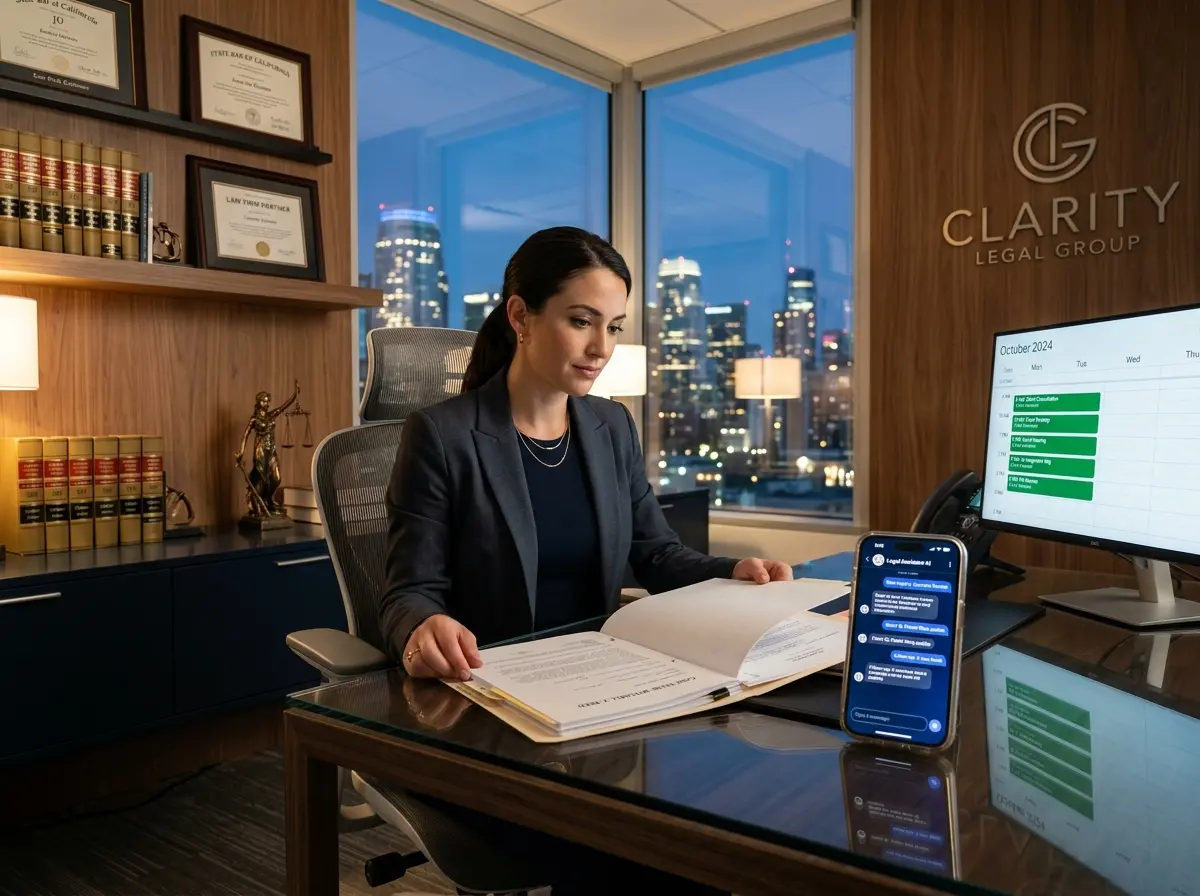
Not every scent works for every business. Bakeries and coffee shops have it easy — their natural product aromas are already doing the heavy lifting. For everyone else, here's a quick cheat sheet: citrus scents increase energy and alertness (great for gyms and offices); lavender and vanilla reduce anxiety and encourage lingering (ideal for spas and waiting rooms); warm woody scents like sandalwood and cedar signal luxury and quality (excellent for boutiques, salons, and professional offices). Auto shops, medical offices, and law firms can benefit enormously from a well-chosen ambient scent — simply because it counters the sterile or industrial odors those environments often carry.
How Technology Supports the Full Customer Experience
Sensory Strategy Starts Before They Walk In
Here's something worth remembering: your customer's experience with your business doesn't begin when they walk through your door. It begins the moment they call, click, or search for you. All the carefully curated ambient music and perfectly diffused lavender in the world won't save a first impression ruined by a phone that rings endlessly, a voicemail box that's full, or a staff member who answers "yeah, hold on" while juggling three other tasks. Sensory marketing is one piece of a larger customer experience puzzle.
Where Stella Fits In
That's where Stella, the AI robot employee and phone receptionist, comes in. For businesses with a physical location, Stella stands inside your store as a human-sized kiosk and greets every customer who walks by — proactively engaging them about products, services, specials, and promotions. She complements your sensory environment by ensuring that every customer who enters is acknowledged warmly and immediately, no matter how busy your human team gets. On the phone side, Stella answers calls 24/7 with consistent professionalism, handles questions, promotes current deals, and can forward calls to staff based on your preferences. Think of her as the part of the customer experience that never forgets to smile.
Putting It All Together: Building a Full Sensory Strategy
Knowing the science is one thing. Actually implementing a sensory strategy across your business is another. The good news is that it doesn't have to be complicated or expensive — it just has to be intentional.
Start With an Audit of Your Current Sensory Environment
Walk into your own business as if you're a customer. What do you hear the moment you step inside? What do you smell? Is the music appropriate for your brand, or is it just whatever someone put on because silence felt awkward? Is there a scent — any scent — or does your space smell like nothing in particular, or worse, like cleaning products? Take notes, be honest with yourself, and identify the two or three biggest gaps. You don't need to overhaul everything at once. A good playlist and a quality diffuser are an affordable starting point that can deliver noticeable results within weeks.
Test, Measure, and Adjust
Sensory marketing is not a set-it-and-forget-it strategy. Test different playlists during different dayparts. Try a new scent for a month and see if staff or customers comment on it. Survey your regulars informally — "Hey, do you notice anything different in the store lately?" Pay attention to dwell time, average transaction value, and repeat visit rates before and after changes. These are imperfect metrics for an admittedly subjective strategy, but patterns do emerge. Some retailers have reported noticeable improvements in average basket size within just a few weeks of implementing intentional music and scent strategies.
Don't Neglect the Digital and Phone Touchpoints
Your sensory environment is powerful inside your four walls, but customers also interact with your business through your website, your hold music (if you have it), and your phone greeting. If someone calls your business and hears a generic, robotic voicemail prompt or — even worse — a long hold with silence or elevator music from 2003, that's a sensory experience too. Just not a good one. Extend the same care and intentionality you apply to your in-store environment to every touchpoint where a customer might encounter your brand.
Quick Reminder About Stella
Stella is an AI robot employee and phone receptionist built for businesses of all sizes — from brick-and-mortar shops to solopreneurs who never want to miss a call. She works as an in-store kiosk that engages customers in natural conversation and as a 24/7 phone receptionist that answers, informs, and promotes on your behalf. At just $99/month with no upfront hardware costs, she's one of the most affordable ways to ensure every customer interaction — in person or on the phone — is handled professionally and consistently.
Your Sensory Strategy Starts Today
The businesses that win long-term aren't just the ones with the best product or the lowest price. They're the ones that make customers feel something — comfort, excitement, trust, delight — from the moment they encounter the brand to the moment they leave. Sensory marketing is one of the most cost-effective ways to engineer those feelings deliberately rather than leaving them to chance.
Here's what to do this week: walk through your own front door, close your eyes for a moment, and just listen and breathe. If what you experience doesn't reflect the brand you've worked hard to build, it's time to make a change. Start with the music. Add a scent. Make sure your phone experience is as polished as your in-store one. Then test, observe, and refine.
Your customers are already forming opinions about your business based on what their senses are telling them. The only question is whether you're the one deciding what those senses pick up — or whether you've left that entirely to chance. Choose intentionality. Your bottom line will thank you.