First Impressions: The Silent Make-or-Break Moment
Let's paint a picture. A potential customer walks into your business — or calls for the first time — nervous, a little uncertain, maybe comparing you to three competitors they visited this week. They're not yet a loyal customer. They're an audition. And you, whether you realize it or not, are performing.
Here's the uncomfortable truth: most service businesses treat the first visit as just another transaction. A customer comes in, gets helped (eventually), and leaves. No formal welcome. No consistent experience. No intentional effort to turn that nervous first-timer into a raving regular. And then owners wonder why retention feels like trying to fill a bucket with a hole in it.
According to research from Bain & Company, increasing customer retention rates by just 5% can increase profits by 25% to 95%. Yet the majority of businesses invest almost nothing in structuring that critical first interaction. The "First Visit Protocol" — a deliberate, repeatable system for welcoming and engaging new customers — is one of the highest-ROI things a service business can implement. And it doesn't require a complete overhaul of your operations. It just requires intention.
What a First Visit Protocol Actually Looks Like
It's a System, Not a Speech
A First Visit Protocol isn't about scripting your staff to recite a robotic welcome like they're auditioning for a theme park. It's about creating a consistent, structured experience that every new customer receives, regardless of which employee is working, how busy the floor is, or whether Mercury is in retrograde. The goal is predictability — not for the customer to feel processed, but for your business to never accidentally drop the ball on someone's very first impression.
At minimum, a solid protocol should address three things: how the customer is greeted, what information is collected, and what follow-up is triggered. Think of it as a welcome funnel. You catch the customer at the top with warmth and professionalism, gather what you need to serve them well, and then set the stage for a second visit before they've even left.
The Elements That Actually Matter
Not all first-visit touchpoints are created equal. Here are the ones that move the needle:
- Immediate acknowledgment — within the first 30 seconds of walking in or calling. Silence and being ignored are the fastest paths to a one-star review.
- A brief needs assessment — ask one or two smart questions to understand what brought them in. "Is this your first time with us?" is a magical sentence. It signals attentiveness and opens the door to personalization.
- A relevant promotion or highlight — new customers are primed to discover. Mentioning a current special or a complementary service during the first visit isn't pushy; it's helpful.
- Contact information capture — done conversationally and with purpose, not like a hostage negotiation. Explain why you're asking ("so we can send you your intake summary / remind you of your appointment / keep you updated on specials").
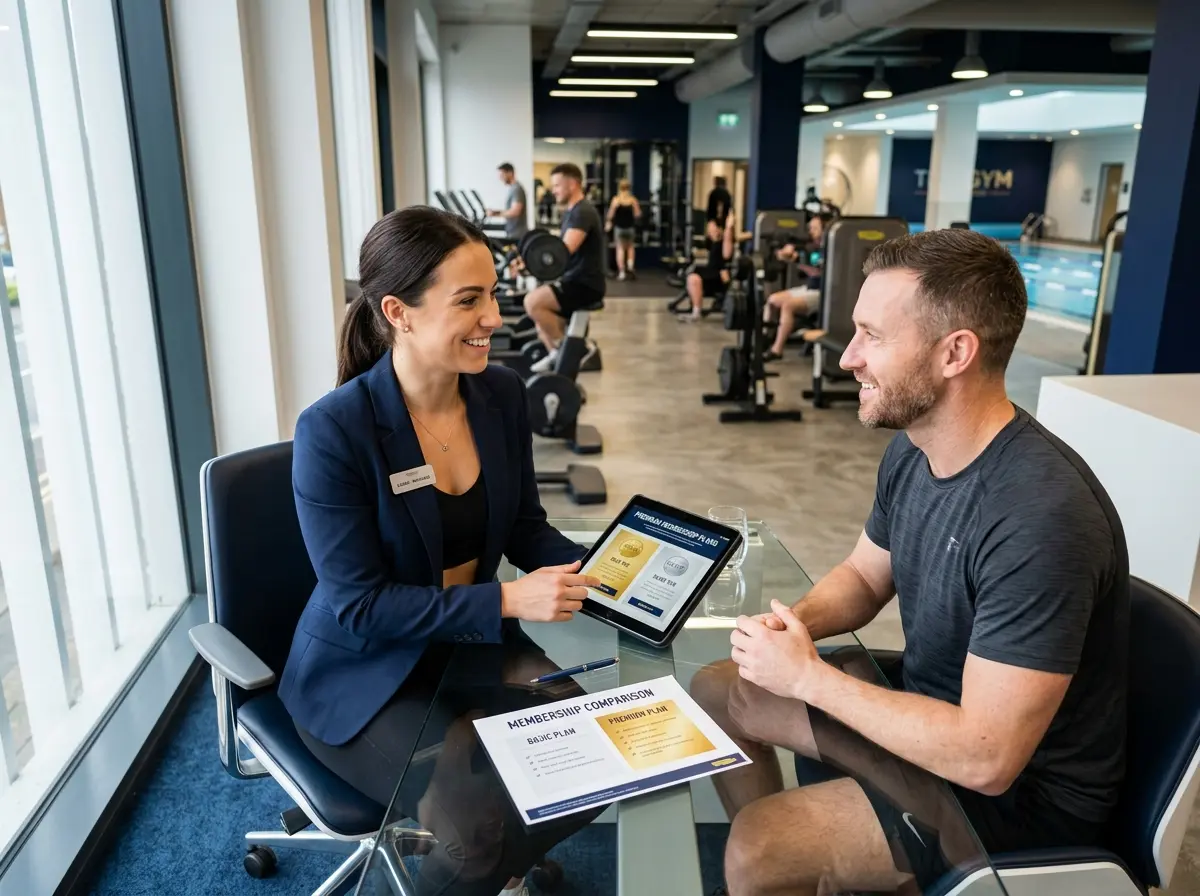
- A soft next-step invitation — before they leave, plant the seed. "Most of our clients come back every four to six weeks — want me to go ahead and get something on the books?"
Why Most Businesses Skip This (And Pay for It Later)
The most common reason businesses don't have a First Visit Protocol is simple: they're busy. When you're juggling staff schedules, inventory, marketing, and the seventeen other hats that come with owning a business, designing a customer onboarding experience feels like a luxury project. It goes on the "someday" list, right next to updating the website and finally organizing the supply closet.
But skipping it has a compounding cost. Without a protocol, your first-visit experience is entirely dependent on whoever happens to be working that day — and their mood, their workload, and their natural inclination toward friendliness. That's a lot of variables for something this important. Inconsistency breeds missed opportunities, and missed opportunities in the first visit are particularly expensive because those customers already found you. The hard part was done.
How Technology Can Carry Some of the Weight
Let Automation Handle the Consistent Parts
Here's where the good news lives. You don't have to rely entirely on your human team to execute a perfect first-visit experience every single time. Parts of the protocol — especially greeting, information gathering, and promotion delivery — can be handled (or supported) by technology that doesn't call in sick, doesn't forget to ask, and doesn't get distracted by the lunch rush.
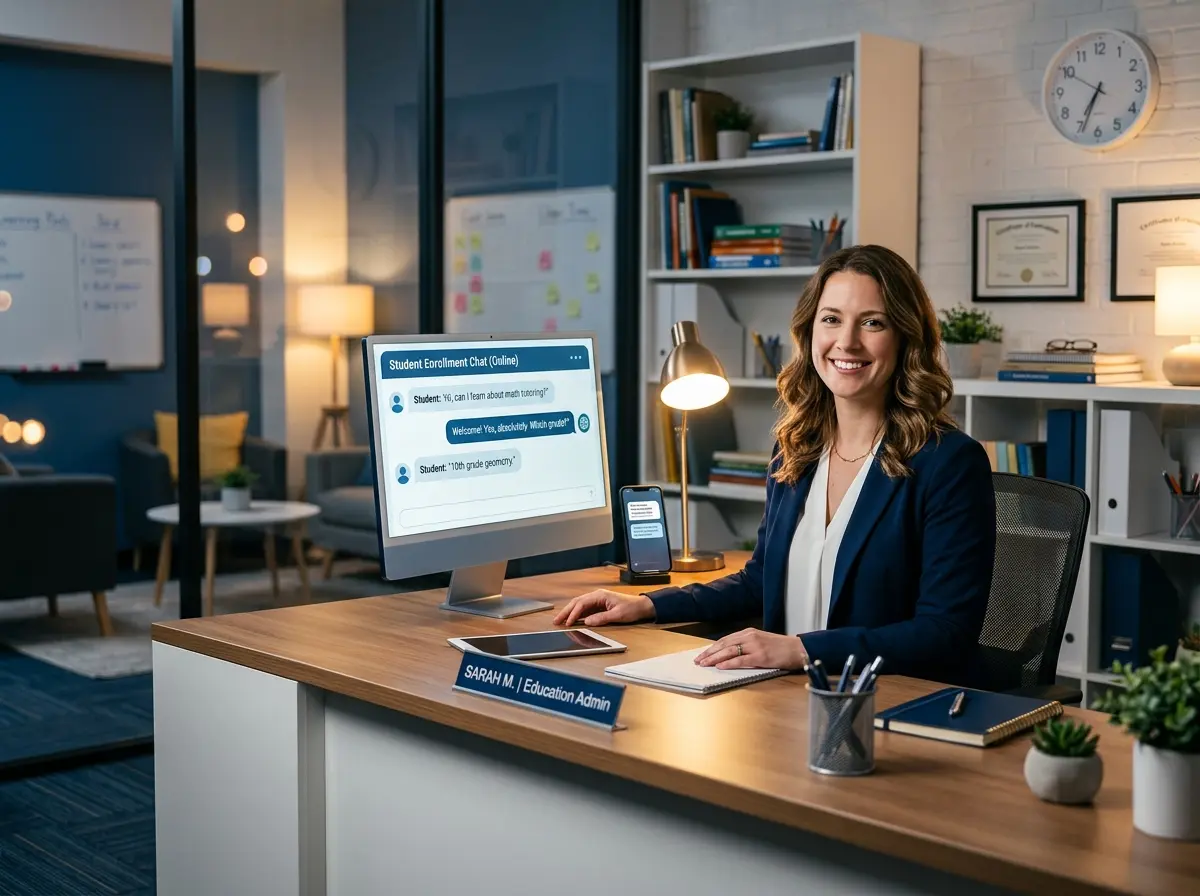
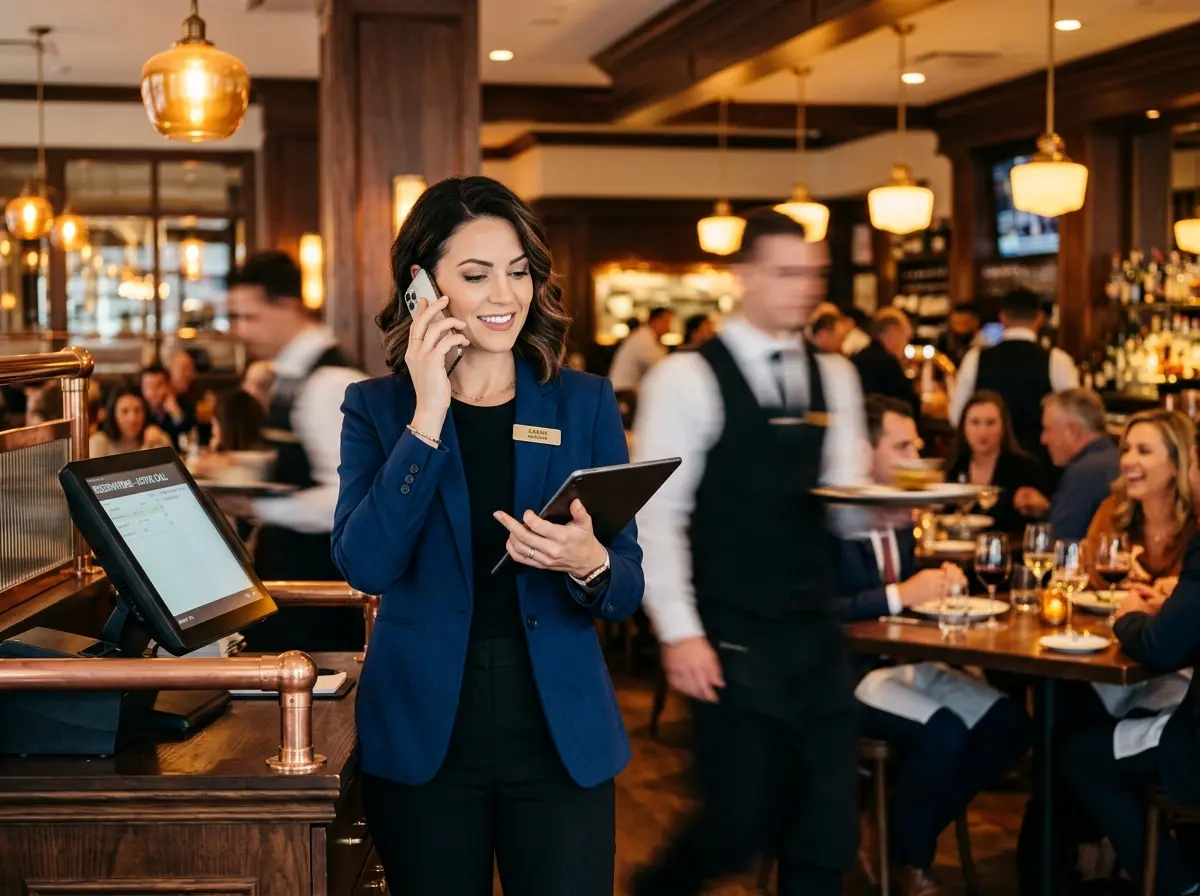
Stella, the AI robot employee and phone receptionist, is built precisely for this kind of front-line consistency. For businesses with a physical location, Stella stands inside the store as a friendly, human-sized kiosk that greets customers proactively, answers questions about your services and specials, and collects customer information through natural, conversational intake forms. For any business — including service providers without a storefront — she answers phone calls 24/7 with the same knowledge and professionalism, capturing new customer details, summarizing voicemails, and forwarding calls to human staff when needed. Her built-in CRM stores customer profiles, tags, and notes so that no new contact slips through the cracks. Whether someone walks in or calls in, Stella ensures the first touchpoint is handled with warmth and consistency — every time.
Building Your Protocol: A Practical Framework
Map the First-Visit Journey Before You Design It
Before you write a single script or checklist, walk through your customer's experience as if you were them — from the moment they arrive (or call) to the moment they leave. Where are the gaps? Where is the experience inconsistent? Where do customers currently fall through the cracks? For most service businesses, the weak spots are the first 60 seconds and the last 60 seconds. The middle usually takes care of itself because it's the actual service — the part everyone is trained on. It's the bookends that are chaotic.
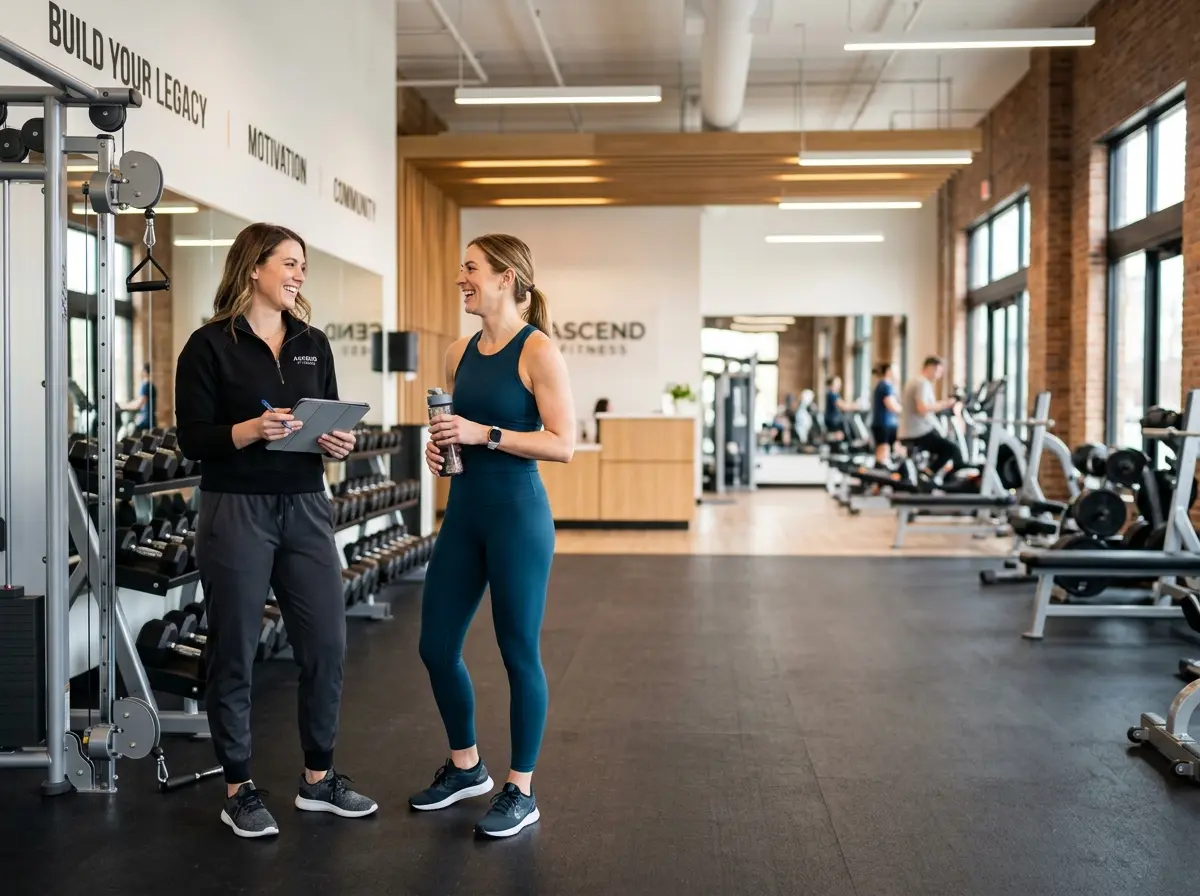
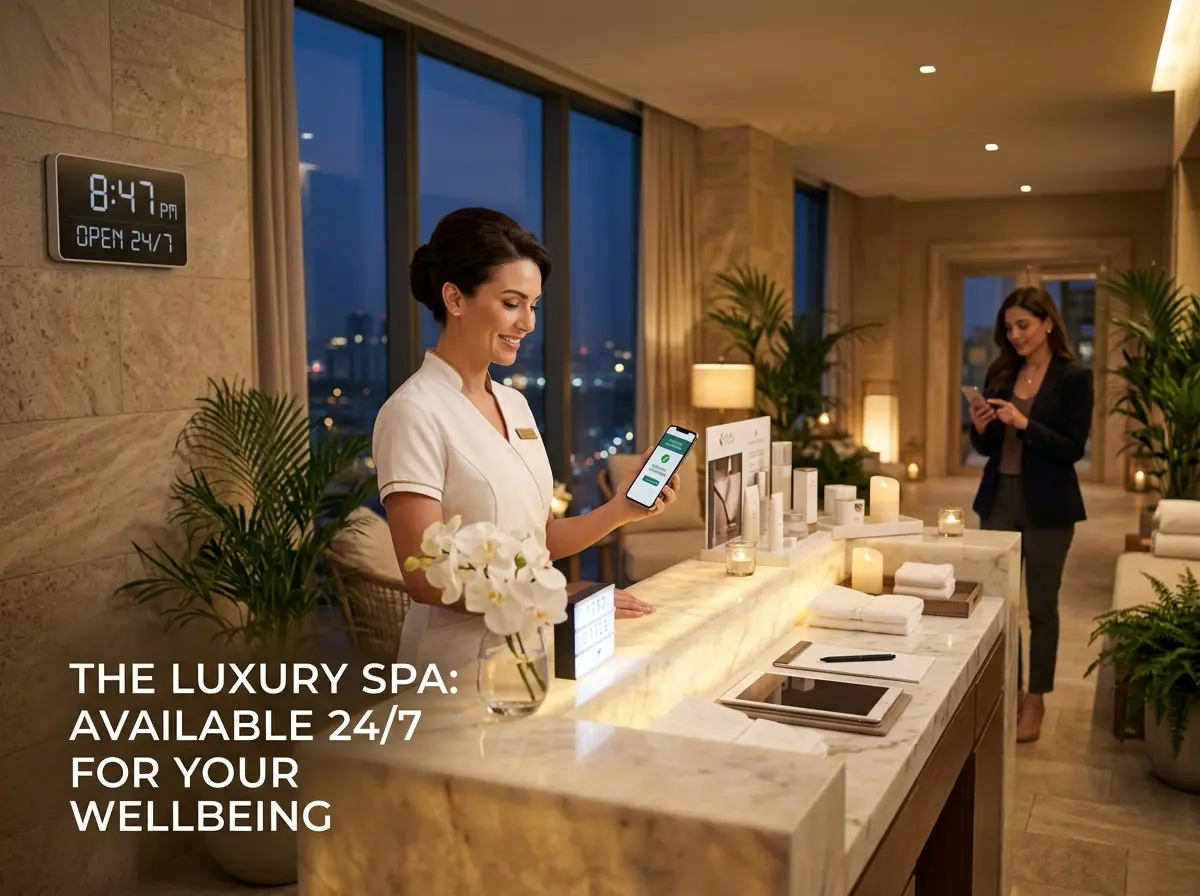
Once you've identified the gaps, you can design targeted interventions. A spa might discover that new clients aren't being asked about health considerations consistently. A gym might find that new members leave without knowing about the onboarding class. An auto shop might realize no one is explaining what to expect during the service. Each gap is a protocol opportunity.
Train Your Team on the Why, Not Just the What
Protocols fail when staff treat them as checklists to survive rather than standards to uphold. The difference between compliance and genuine execution is understanding the purpose. Train your team on why each element of the first-visit experience matters — not just what to say, but what outcome that interaction is designed to create. When an employee understands that asking "Is this your first time with us?" can meaningfully increase the likelihood of a return visit, they'll ask it with genuine curiosity instead of mechanical obligation.
Role-playing is underrated here. Run through first-visit scenarios during team meetings. Practice the awkward moments — the customer who doesn't want to give their email, the one who asks a question no one prepared for, the one who walks in five minutes before closing. Preparation reduces improvisation, and improvisation in customer-facing moments is where protocols go to die.
Measure, Adjust, and Actually Improve
A protocol without measurement is just a suggestion document. Track meaningful metrics from day one: new customer return rate (are first-timers coming back?), conversion from first visit to booking, and opt-in rate for follow-up communication. These numbers will tell you very quickly whether your protocol is working or just existing on paper.
Set a 90-day review cadence. Revisit the protocol, look at the numbers, talk to your staff about what's working and what feels clunky, and make adjustments. Customer-facing systems are never "set and forget" — they're living frameworks that should evolve as your business does. The businesses that treat their first-visit protocol as a dynamic tool rather than a static document are the ones that see compounding improvements in retention over time.
A Quick Reminder About Stella
Stella is an AI robot employee and phone receptionist built for service businesses of all sizes — from solo operators to multi-location teams. She greets walk-in customers as an in-store kiosk, answers calls 24/7, collects customer information, promotes your specials, and keeps your CRM organized — all for $99/month with no upfront hardware costs. If part of your first-visit protocol involves consistent greetings, information capture, or phone coverage, she's worth a very close look.
Your Next Move Starts Before the Next Customer Walks In
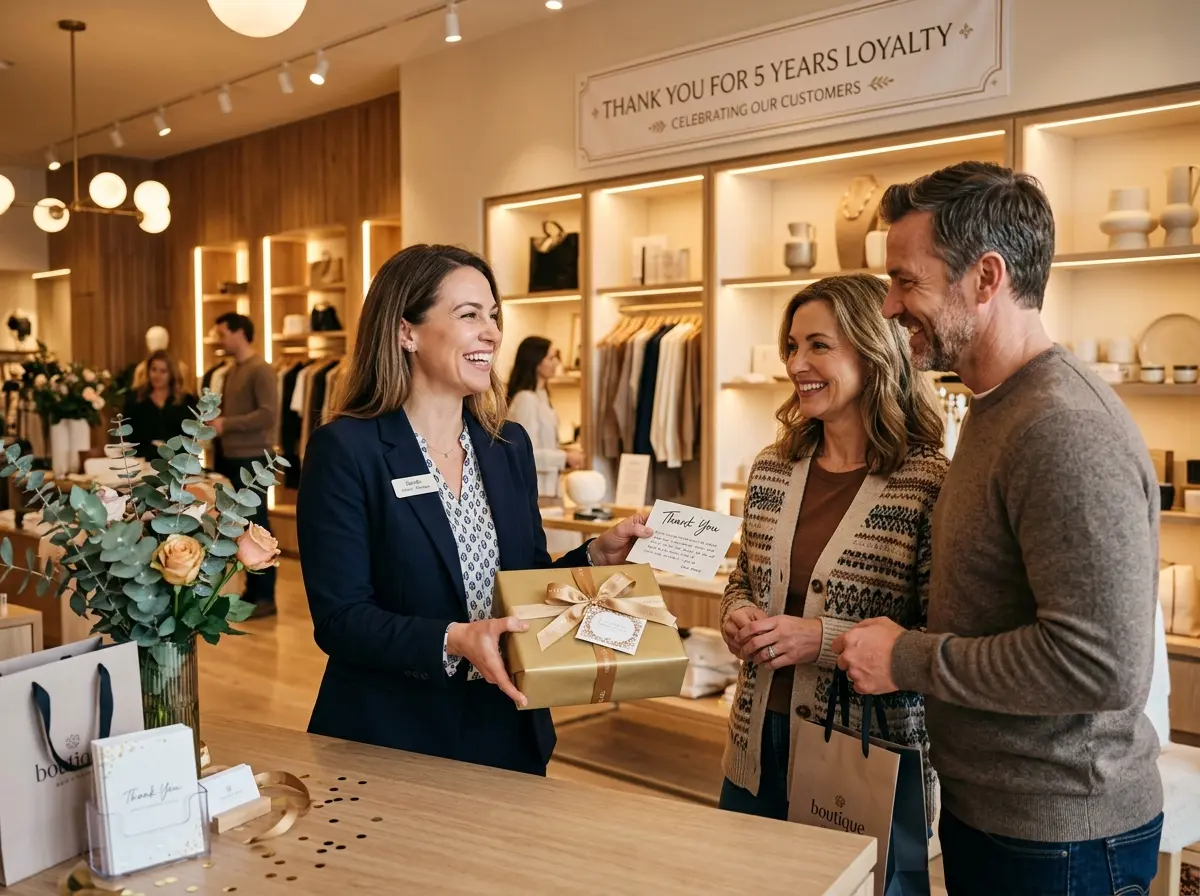
The businesses that win long-term aren't always the ones with the best service or the best prices. They're often the ones that make people feel the most welcome, the most remembered, and the most confident they made the right choice. A First Visit Protocol is the structural backbone of that feeling.
Here's your action plan to get started this week:
- Audit your current first visit. Walk through it as a customer. Write down every gap, awkward silence, and missed opportunity you notice.
- Draft a simple protocol document. Cover the greeting, needs assessment, information capture, promotion mention, and next-step invitation. Keep it to one page.
- Train your team on the why. Share the retention research. Run a few role-play scenarios. Make it a conversation, not a lecture.
- Identify what technology can handle. If consistency is the challenge, consider tools — like a kiosk, AI receptionist, or CRM — that remove the human variable from the most predictable parts of the protocol.
- Set a 90-day review date. Put it on the calendar right now, before you close this tab and forget everything you just read.
Your next new customer is coming. The question is whether they're going to become a regular — or a one-time visit you never quite remember. A First Visit Protocol doesn't leave that to chance. And honestly, neither should you.