The Treasure Hunt No One Warned You About
You opened an independent gift shop because you have taste. You wanted to curate a collection of delightful, unique, conversation-starting products that your customers couldn't find at the big-box store down the street. Noble ambition. Truly. The only problem? Finding those products without stumbling into the same generic wholesale catalogs that every other shop in town is already using.
Where to Find Wholesalers Worth Finding
Trade Shows: Still the Gold Standard
For gift shop owners specifically, shows like NY NOW, Atlanta Market, Las Vegas Market, and the National Stationery Show are well worth attending. These events attract independent designers and small-batch manufacturers who may not even have a robust online wholesale presence yet — meaning you could be one of the first retailers to carry their work. That's the kind of exclusivity that builds loyal customers. Attending once a year, even just regionally, can completely refresh your inventory pipeline and introduce you to vendors you'd never stumble across otherwise.
Going Straight to the Makers
Platforms like Etsy, Faire, and even Instagram are goldmines for finding independent makers who offer wholesale pricing — if you just ask. Many small-batch creators on Etsy, for example, don't advertise wholesale because they've never been approached about it. A professional, friendly inquiry can open doors to exclusive arrangements, custom orders, and pricing that works for both parties.
Niche Directories and Industry Associations
Beyond the big platforms, there are industry-specific wholesale directories and trade associations that most shop owners never think to explore. Organizations like the Gift and Home Trade Association (GHTA) and the Specialty Food Association (if you carry gourmet gifts) maintain member directories that connect retailers directly with vetted suppliers. Regional craft guilds and artisan cooperatives are also worth investigating — many have wholesale programs designed specifically for brick-and-mortar retailers who want locally made, story-rich products.
Don't overlook international sources, either. Platforms like Alibaba (approached carefully and with thorough vetting), Abound, and regional import wholesalers specializing in goods from specific countries can add genuine global flair to your shop without requiring you to personally negotiate at a souk in Marrakech. Although, if you do get to negotiate at a souk in Marrakech, please consider that a business trip.
Running a Smarter Shop While You Source
Let Technology Handle the Front Door While You Focus on the Back Office
Here's the thing about sourcing: it takes time. Real time. Researching vendors, attending shows, vetting samples, negotiating terms — none of that happens between customer transactions. Yet somehow, your customers still expect someone to greet them, answer their questions, and know whether that ceramic planter comes in teal. This is where Stella, an AI robot employee and phone receptionist, earns her keep.
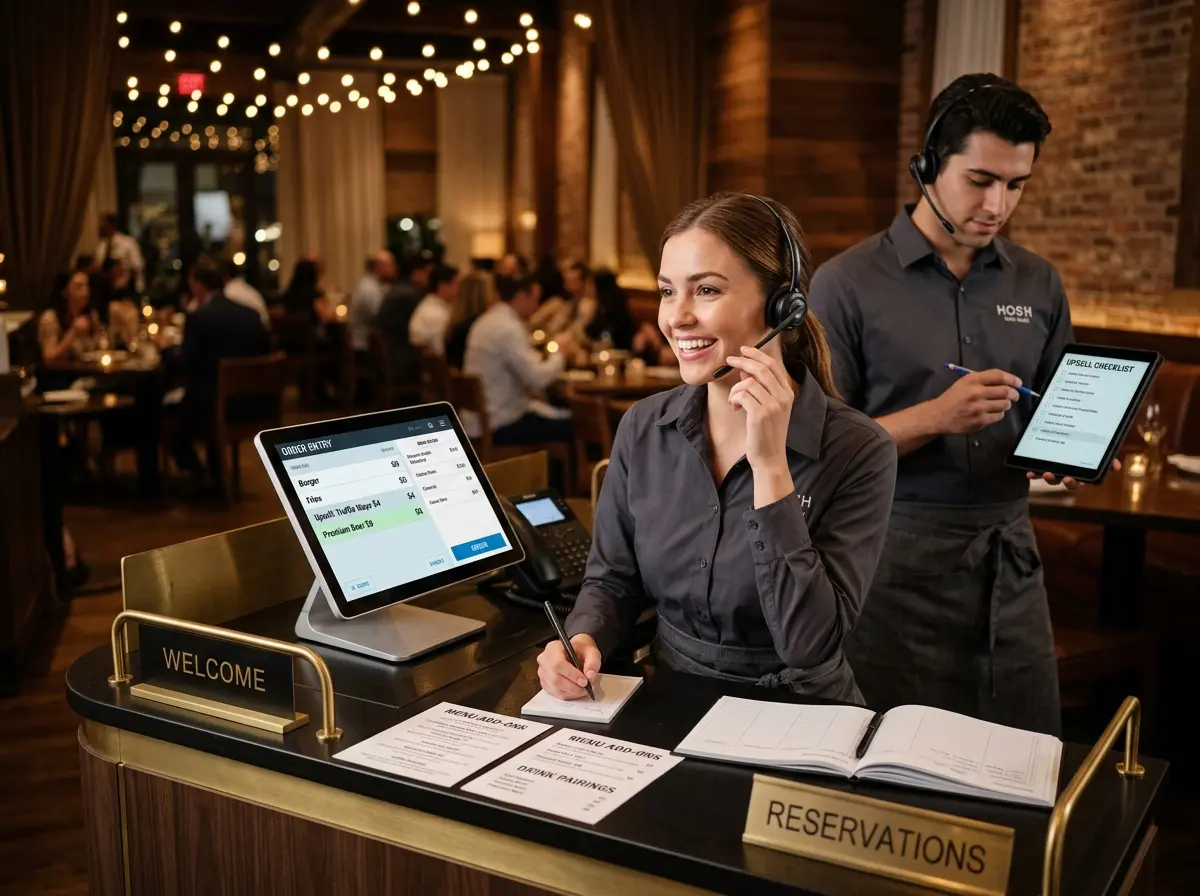
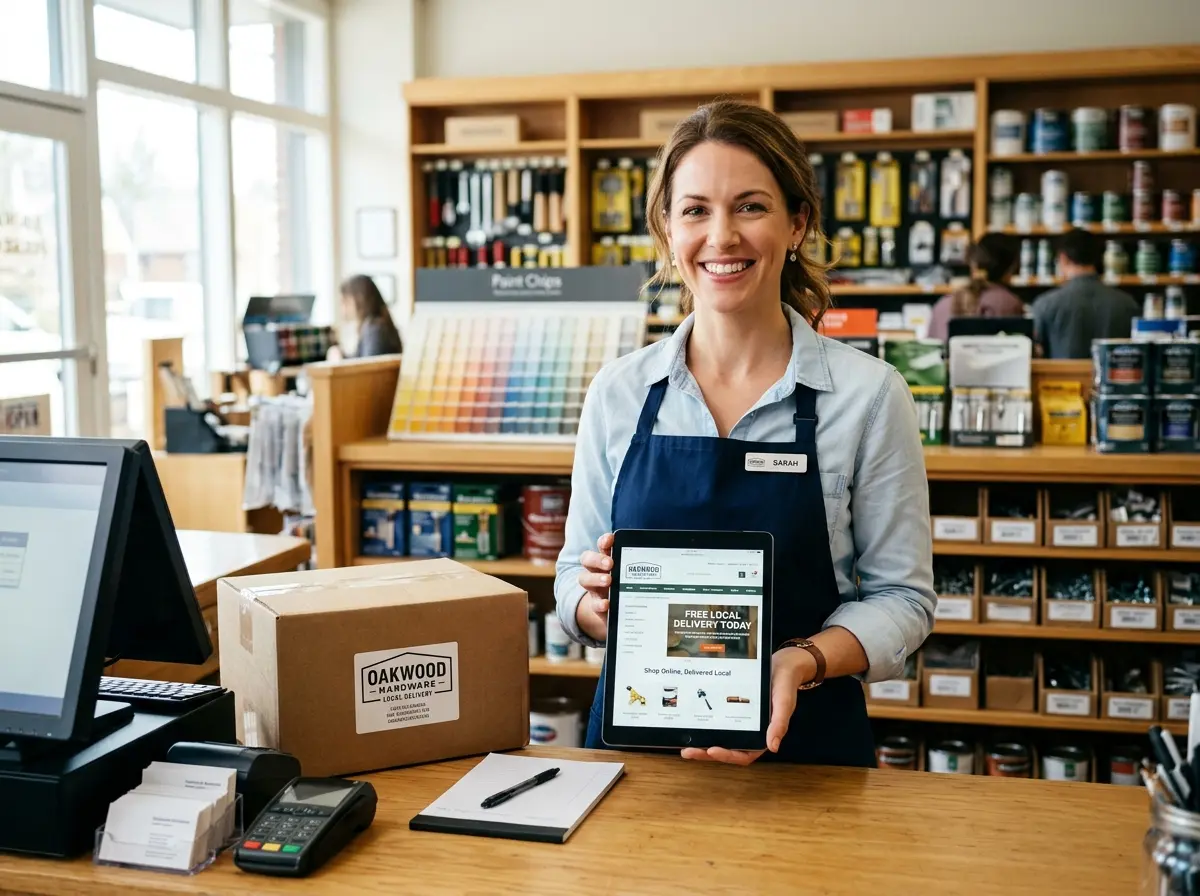
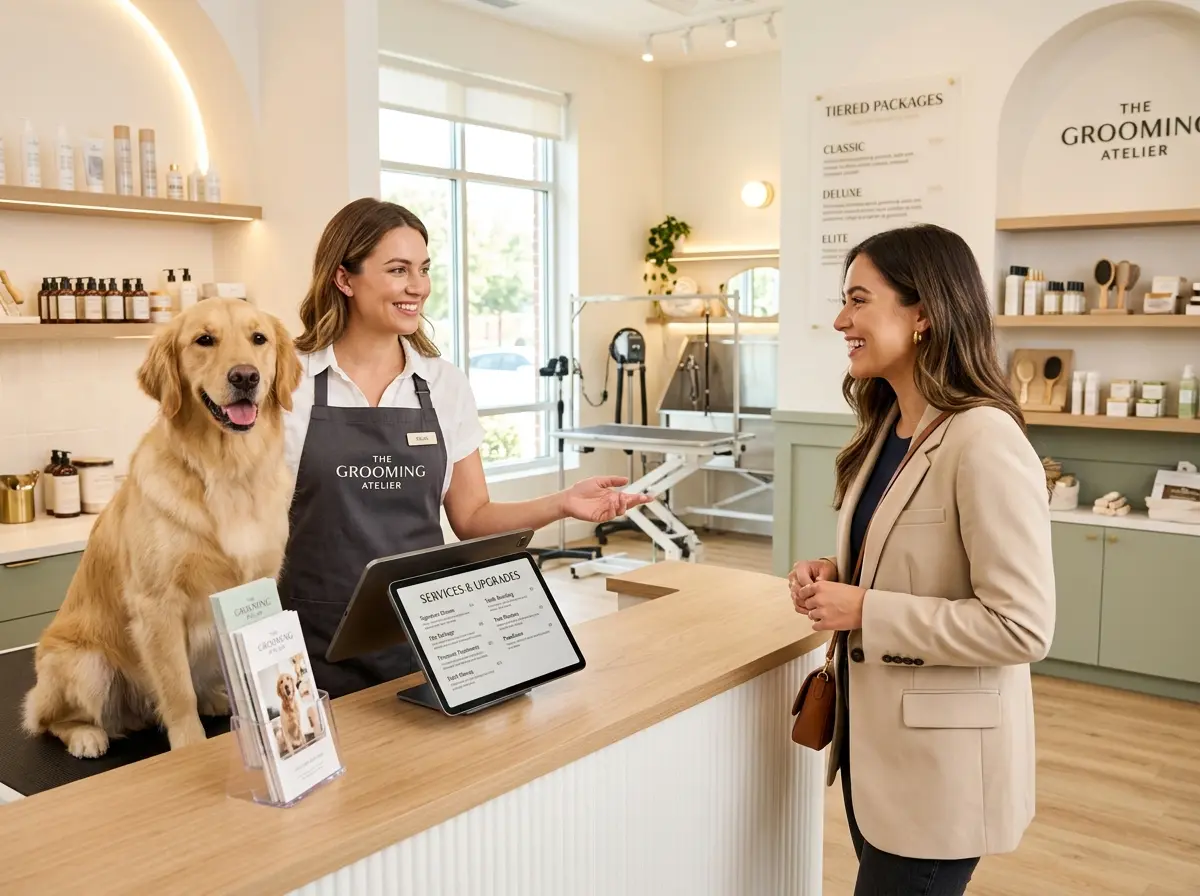
Stella stands inside your shop as a friendly, knowledgeable kiosk that greets customers as they walk by, answers product questions, promotes current specials, and even upsells related items — all without pulling your staff away from what they're doing. On the phone side, she handles incoming calls 24/7, answers questions about hours and policies, and forwards calls to human staff only when necessary. While you're at a trade show in Atlanta or deep in a Faire rabbit hole at midnight, your shop's front-of-house experience keeps running smoothly. It's not magic — it's just a very capable robot.
Vetting Vendors Like a Pro
Minimum Orders, Lead Times, and the Questions You Forgot to Ask
Finding a great vendor is only half the battle. Before you place that exciting first order, there are some practical questions that can save you serious headaches down the road. Always clarify minimum order quantities (MOQs) upfront — some small makers have low minimums that work perfectly for independent retailers, while others require quantities that simply don't make sense for a boutique shop. Similarly, ask about lead times with brutal specificity. "A few weeks" means something very different in December than it does in July.
Building Long-Term Vendor Relationships
Diversifying Your Supplier Mix Intentionally
A well-curated gift shop typically draws from multiple supplier tiers: a handful of anchor vendors for reliable bestsellers, a rotating cast of emerging or seasonal makers for freshness, and at least one or two truly unexpected sources that give your shop a genuine "where did you find that?" quality. Aim for intentional diversity — not just in product aesthetics, but in supplier geography, scale, and story. A shop that carries handmade ceramics from a local artist alongside ethically sourced goods from a small international cooperative and clever novelty items from an indie designer has a story to tell. Customers can feel that curation. It's what keeps them coming back — and it's what no algorithm can fully replicate.
Quick Reminder About Stella
If customer questions, phone calls, and walk-in traffic are eating into your sourcing and buying time, Stella is worth a serious look. She's an AI robot employee and phone receptionist that greets in-store customers, answers questions, promotes deals, and handles calls around the clock — all for $99/month with no hardware costs. Your shop stays covered while you focus on building the inventory that makes it special.