When "Near Me" Actually Means You: The Local SEO Wake-Up Call
Picture this: Someone throws out their back moving furniture on a Saturday morning. They grab their phone, type "physical therapy near me," and — thanks to some savvy local SEO work — your practice pops up first. They call. They book. You helped someone in pain and grew your business. That's the magic of local search done right.
Now picture the alternative: Your competitor shows up first because they claimed their Google Business Profile and you... didn't. That's a harder image to sit with.
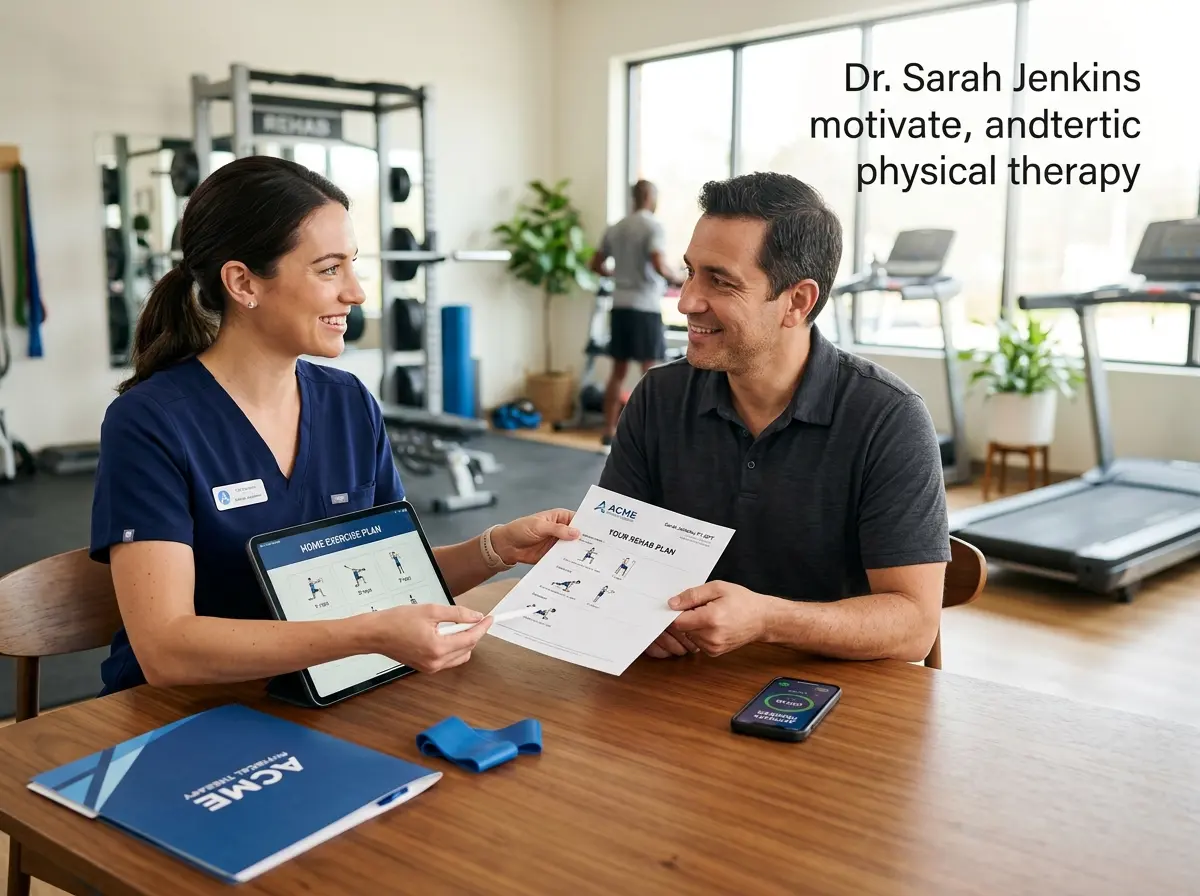
Local SEO isn't some mystical dark art reserved for big marketing agencies with bigger budgets. It's a set of practical, repeatable strategies that any brick-and-mortar business owner can execute — including the physical therapy practice we're about to walk through. This practice went from invisible in local search to dominating their neighborhood results in under six months. No black-hat tricks. No paid ads. Just smart, consistent execution.
Whether you run a PT clinic, a chiropractic office, a salon, or a sandwich shop, the blueprint is largely the same. Let's break it down.
Building the Foundation: The Three Pillars of Local SEO
Pillar One: Your Google Business Profile Is Your New Front Door
If your Google Business Profile (GBP) is incomplete, outdated, or — brace yourself — unclaimed, you are essentially running a storefront with no sign, no hours posted, and the lights off. Google uses your GBP to decide whether to show your business in the coveted "local pack," that cluster of three businesses that appears above organic results on local searches.
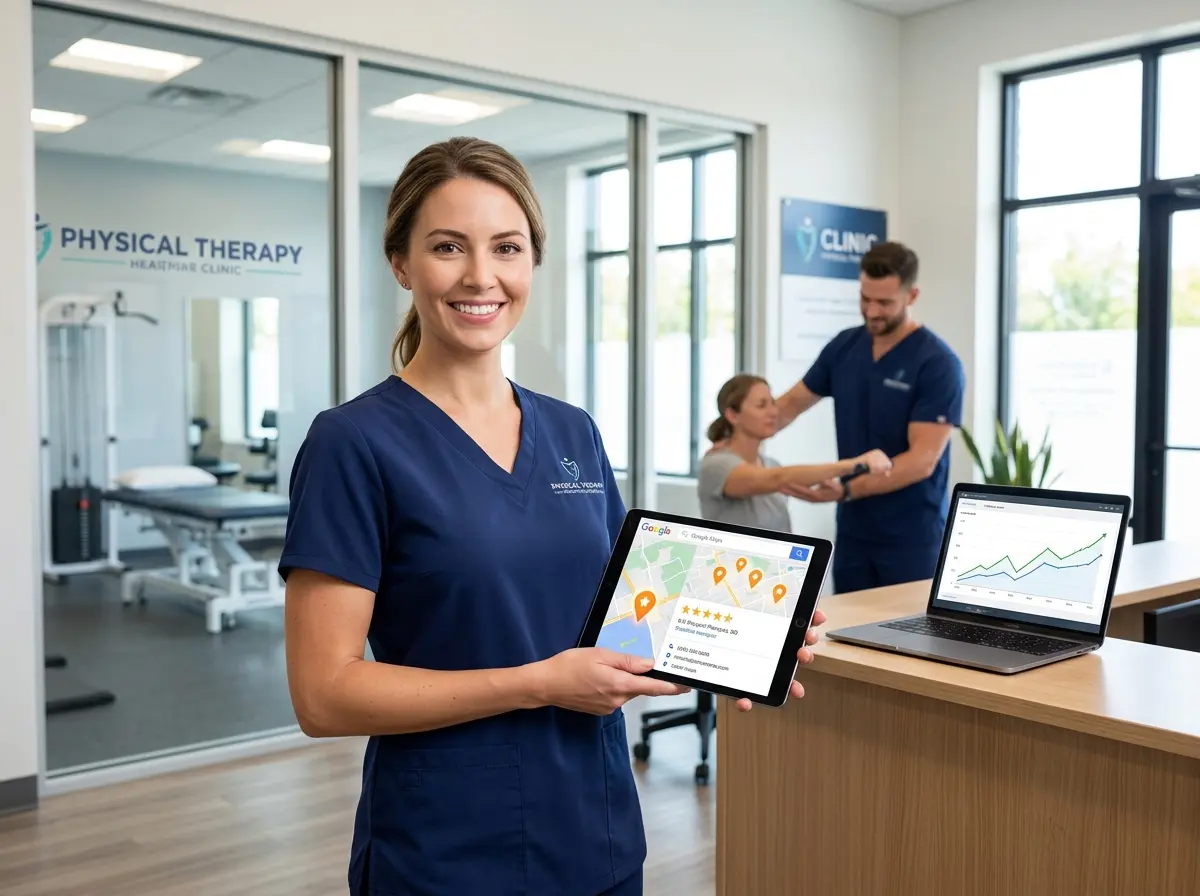
The physical therapy practice in our case study had a claimed profile, but it was skeletal. No photos, inconsistent hours, zero responses to reviews, and a business description that read like a legal disclaimer. The first step was treating the GBP like the premium piece of digital real estate it actually is. They updated every field: services offered, specialties, accepted insurance, accessibility features, and added a genuine, keyword-rich business description. They uploaded 20+ high-quality photos of the clinic interior, staff, and equipment. They also enabled GBP messaging so patients could reach out directly from search results.
The result? Within eight weeks, their profile views increased by 140% and direction requests doubled. All from free optimizations.
Pillar Two: NAP Consistency Across Every Directory
NAP stands for Name, Address, and Phone Number — and Google is shockingly particular about consistency. If your business is listed as "PT Wellness Center" on Google, "P.T. Wellness Center, LLC" on Yelp, and "Physical Therapy Wellness" on Healthgrades, Google gets confused. Confused Google does not reward you with visibility.
The practice audited every online directory listing — Yelp, Healthgrades, Zocdoc, Facebook, Apple Maps, Bing Places, and a dozen niche healthcare directories — and standardized their NAP across all of them. They also discovered three outdated listings pointing to an old phone number. Fixing those alone likely recovered lost patient calls they never knew were bouncing into the void.
Pillar Three: Hyperlocal Content That Actually Serves the Community
Google wants to surface businesses that are genuinely useful to local searchers. Publishing blog posts and service pages with hyperlocal intent signals is one of the most underutilized strategies in local SEO. The practice created dedicated landing pages for each surrounding neighborhood — "Physical Therapy in [Neighborhood Name]" — each with unique, genuinely helpful content about common injuries in that area, local sports teams they treated, and community events they sponsored.
They also published blog posts like "How to Stay Active After a Knee Replacement in [City Name]" and "The Best Walking Trails Near [Neighborhood] — And How to Avoid Overuse Injuries." These weren't keyword-stuffed fluff pieces. They were real resources. Google noticed. So did patients.
How an AI Receptionist Supports Your Local SEO Momentum
Turning Search Traffic Into Booked Appointments (Without Dropping the Ball)
Here's the part of the local SEO conversation most marketing guides conveniently skip: all the visibility in the world means nothing if your phone goes to voicemail during a busy treatment session or if your front desk is too overwhelmed to answer questions from every walk-in who just found you on Google.
This is where Stella becomes genuinely useful for practices and businesses like this one. As an AI robot receptionist, Stella answers every phone call — 24 hours a day, 7 days a week — with the same knowledge your best staff member would use. Someone finds your practice via a late-night search, decides they want to book, and calls? Stella is there to answer questions about services, insurance policies, hours, and intake requirements. No voicemail. No missed opportunity.
For businesses with a physical location, Stella also stands inside the space as a kiosk, greeting every customer who walks in and proactively engaging them — which matters when a new patient finds you on Google Maps and walks through the door for the first time. First impressions still count, even after excellent SEO does its job. At just $99/month with no upfront hardware costs, it's an easy addition that turns your local SEO investment into actual, captured revenue.
The Review Strategy That Changes Everything
Why Reviews Are Local SEO Rocket Fuel
Reviews are not just social proof — they are a direct local search ranking factor. Google's algorithm actively considers the quantity, recency, and sentiment of your reviews when deciding where to place you in local results. A business with 12 reviews from three years ago is going to lose to a competitor with 85 reviews from the past 12 months, even if everything else is equal.
The physical therapy practice implemented a simple but disciplined review generation process. At the end of each successful session, staff were trained to make a brief, authentic ask: "If we've helped you out, we'd really appreciate a Google review — it helps other people in the community find us." They also sent a follow-up text via their patient management system with a direct link to their GBP review page. No hoops. No friction.
Over four months, they grew from 23 reviews to 97 reviews, with an average rating of 4.9 stars. Their appearance in the local pack for competitive terms like "physical therapist [city name]" shifted from inconsistent to dominant.
Responding to Reviews: The Step Everyone Skips
Responding to reviews — both positive and negative — signals to Google that your business is active and engaged. It also signals to potential patients that you actually care, which is particularly important in healthcare. The practice committed to responding to every review within 48 hours. Positive reviews got warm, personalized responses (not copy-paste "Thanks for the kind words!" filler). Negative reviews, rare as they were, received calm, empathetic, professional replies that demonstrated accountability.
This review response habit also opened an unexpected local SEO benefit: naturally incorporating service keywords into responses. A reply like "We're so glad our sports injury rehabilitation program helped you get back on the field" works harder than a generic thank-you, both for human readers and search algorithms.
Building Local Links Through Community Relationships
One of the highest-impact local SEO tactics is earning backlinks from other locally relevant websites — and in a community context, this is more relationship-driven than technical. The practice partnered with a local running club, offered free injury prevention workshops, and got featured on the club's website. They sponsored a youth soccer league and earned a link from the league's sponsor page. They contributed a guest article to a neighborhood blog about ergonomics for remote workers.
None of this required a link-building agency. It required showing up in the community they were trying to rank in. Authenticity, as it turns out, is also good for search engines.
Quick Reminder About Stella
Stella is an AI robot employee and phone receptionist that greets customers in your physical space and answers calls around the clock — so the patients your local SEO efforts attract are never met with a busy signal or a voicemail box. She handles intake questions, promotes your services, and ensures a professional, consistent experience whether someone walks in off the street or calls at 11 PM. At $99/month, she's one of the more straightforward investments a local business can make.
Your Local SEO Action Plan: Start This Week
The physical therapy practice in this story didn't have a secret weapon or an unlimited marketing budget. They had a clear strategy, consistent execution, and the discipline to treat local SEO as an ongoing business practice rather than a one-time project. Six months later, they were fielding more new patient inquiries than ever before — and more importantly, those inquiries were converting because the experience on the other end of the phone and at the front desk matched the credibility their search presence promised.
Here's where to start if you're ready to take local search seriously:
- Claim and fully optimize your Google Business Profile today. Don't leave a single field empty. Add photos. Write a real description. Enable messaging.
- Audit your directory listings for NAP consistency. Use a tool like Moz Local or BrightLocal to identify and fix discrepancies.
- Build a simple, consistent review request process. Make it easy for happy customers to leave reviews and respond to every single one.
- Create hyperlocal content on your website. Neighborhood-specific service pages and genuinely useful local blog posts signal relevance to Google.
- Invest in local community relationships that naturally generate backlinks and brand awareness — sponsor something, teach something, partner with someone.
Local SEO is not a sprint. But the businesses that commit to it consistently tend to find that the race eventually gets a lot less crowded at the top. The question is simply whether you're showing up — in search results, in the community, and when a new patient calls on a Saturday morning after moving too many boxes.
Make sure the answer is yes.