The Estimate Problem Nobody Talks About
Sound familiar? If you're in the roofing business, this is basically a Tuesday. The industry is hyper-competitive, customer patience is notoriously short, and the window between "interested" and "gone forever" is surprisingly narrow. The good news? One roofing company figured out that the problem wasn't their pricing, their crew, or their reputation — it was their estimate process. And by fixing it, they doubled their conversion rate. Here's exactly how they did it, and how you can too.
The Broken Estimate Process Costing You Jobs
Speed Is Everything in the First 24 Hours
Here's a stat worth framing on your wall: according to a study by Harvard Business Review, companies that follow up with leads within one hour are seven times more likely to qualify that lead than companies that wait even 60 minutes longer. In roofing, where customers are often stressed-out homeowners dealing with storm damage or a leaking ceiling, that urgency is multiplied. Every hour you wait is an hour your competitor uses to answer their phone.
The Hidden Cost of the "We'll Come Take a Look" Default
Peak Ridge Roofing started offering tiered estimates: a rapid preliminary estimate generated from customer-provided information (roof size, material type, visible damage description, and photos), followed by a finalized quote after the in-person inspection. This gave customers something to work with immediately and dramatically reduced the number of no-shows on site visits — because customers who receive a preliminary estimate are already partially committed.
Intake Forms Were the Missing Link
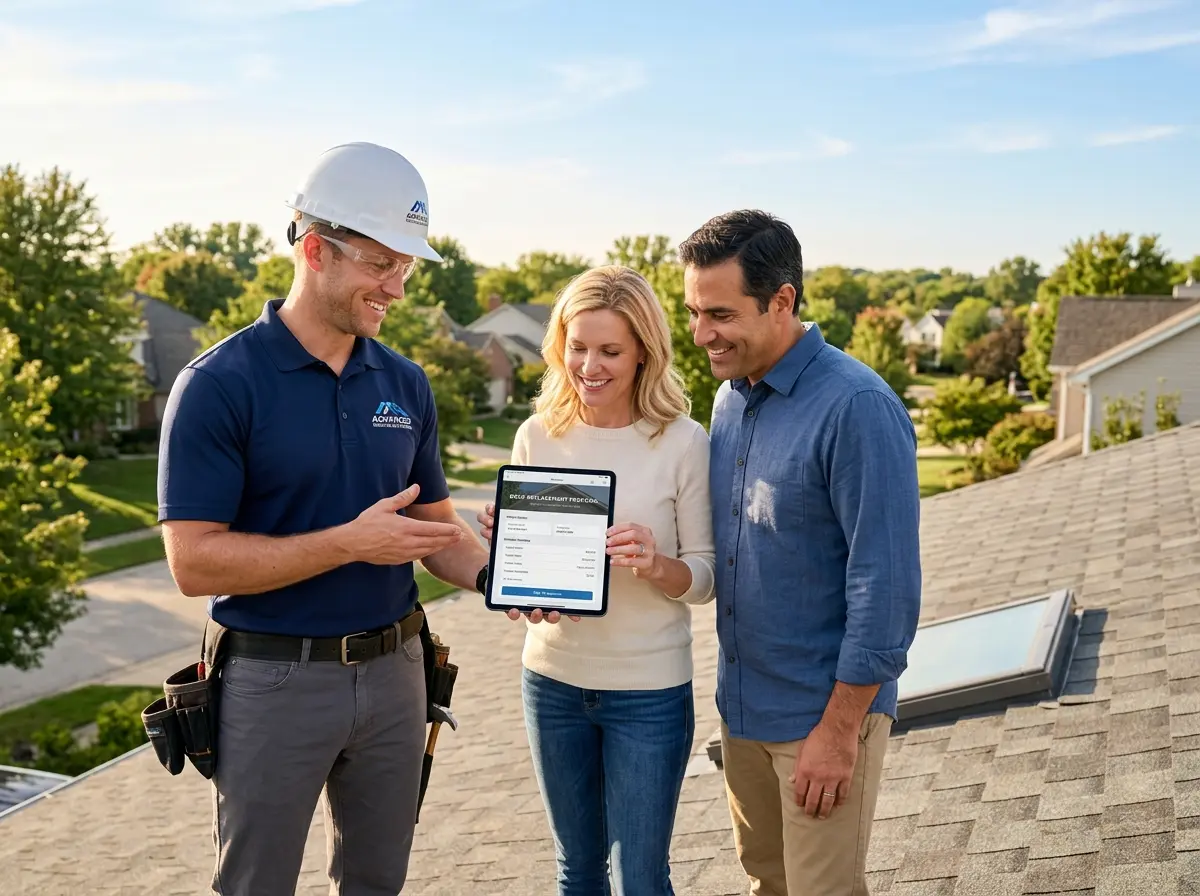
The secret weapon in this whole transformation? A smarter intake form. Not a generic "name, email, phone number" form — a conversational intake process that walked customers through the details needed to prepare a useful preliminary estimate. Roof square footage, age of the existing roof, type of damage, preferred materials, timeline, and whether they'd be using insurance. Collecting this information upfront meant that by the time a salesperson picked up the phone, they already had context. Calls that used to take 20 minutes dropped to under 8. Conversion rates climbed.
How Technology Closes the Gap Between Interest and Action
Automating the First Response Without Losing the Human Touch
Stella, the AI robot employee and phone receptionist, is one example of technology built specifically for this kind of problem. For roofing companies and other service businesses, Stella answers phone calls 24/7 with real knowledge about your services, pricing ranges, and processes. She can walk a caller through a conversational intake form, collecting all the job-relevant details while the human crew is up on a roof somewhere — which, to be fair, is exactly where they should be. Her built-in CRM automatically logs the interaction, tags the lead, and generates an AI summary so your sales team can follow up with full context instead of starting from zero. For businesses with a physical location, like a roofing supply showroom or a home services office, she also works as an in-store kiosk — greeting walk-in customers and answering their questions on the spot. No more "let me grab someone who can help you."
Building a Conversion-Optimized Estimate Process From Scratch
Step One — Redesign Your Intake From the Customer's Perspective
Step Two — Create a Preliminary Estimate Template
Develop a templated preliminary estimate that your team can generate in under five minutes using the intake data. This doesn't need to be a binding contract — it's a ballpark that shows the customer you're responsive, professional, and capable of delivering fast. Include a clear disclaimer that the final quote is subject to in-person inspection, and offer to schedule that visit at the bottom of the estimate. You've now given them value, established trust, and created a natural next step — all before a single shoe hits their roof.
Step Three — Follow Up Like You Mean It
Quick Reminder About Stella
Stella is an AI robot employee and phone receptionist who works 24/7 for just $99/month — no hardware costs, no sick days, no onboarding drama. She answers calls, greets in-store customers, collects lead information through conversational intake forms, manages your CRM, and keeps your business running professionally even when your human team is elbow-deep in a job. For service businesses like roofing companies, she's the front-line presence that makes sure no lead ever falls through the cracks.
Start Converting More Estimates Today
- Audit your current intake process. Time how long it takes from a customer's first contact to their first meaningful response. If it's more than an hour during business hours, that's your first fix.
- Build or refine your intake form to collect job-specific details upfront — not just contact information.
- Create a preliminary estimate template so your team can respond with a ballpark figure quickly, without waiting for a site visit.
- Implement a follow-up cadence with at least three touchpoints: confirmation, personal call, and a 72-hour check-in.
- Consider automating your first response so that calls and inquiries after hours get an immediate, professional reply that starts the intake process — not a voicemail void.