Why Local Events Are Your Secret Weapon (And Why You're Probably Ignoring Them)
Let's be honest — most dental practices rely on the same tired marketing playbook: Google ads, a Facebook page that gets updated twice a year, and the occasional postcard mailer that ends up competing with pizza coupons for refrigerator real estate. And yet, dentists wonder why new patient numbers feel like pulling teeth. (Yes, pun intended. No, we're not sorry.)
Here's a reality check: people choose their dentist based on trust. And trust is extraordinarily hard to build through a banner ad. What actually builds trust? Face-to-face interaction. Community presence. The feeling that your practice genuinely cares about the neighborhood it operates in — not just the neighborhood's wallets.
Local event marketing is one of the most underutilized growth strategies available to dental practices today. According to the American Dental Association, nearly 40% of adults haven't visited a dentist in the past year — often citing anxiety, cost concerns, or simply not having a dentist they trust. Local events give you a low-pressure, high-impact way to address all three of those barriers before a potential patient ever sits in your chair.
This guide walks you through a practical, actionable local event marketing strategy that will actually drive new patients through your door — not just likes on Instagram.
Building Your Local Event Foundation
Choosing the Right Types of Events to Attend or Host
Not all events are created equal, and showing up to the wrong ones is just expensive networking with no ROI. For dental practices, the sweet spot lies in community-focused events where families, young professionals, and local residents are already gathering and are in a relaxed, receptive mindset.
Consider these high-performing event categories for dental practices:
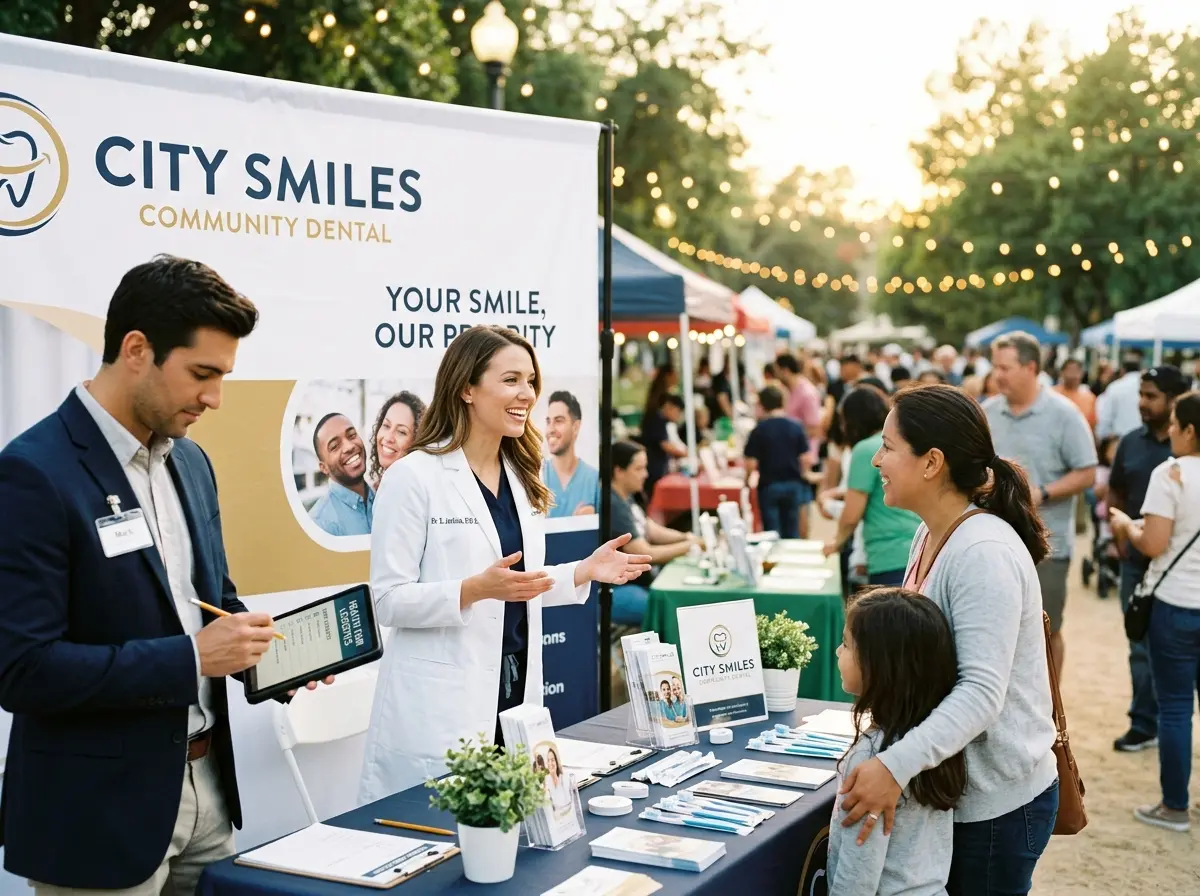
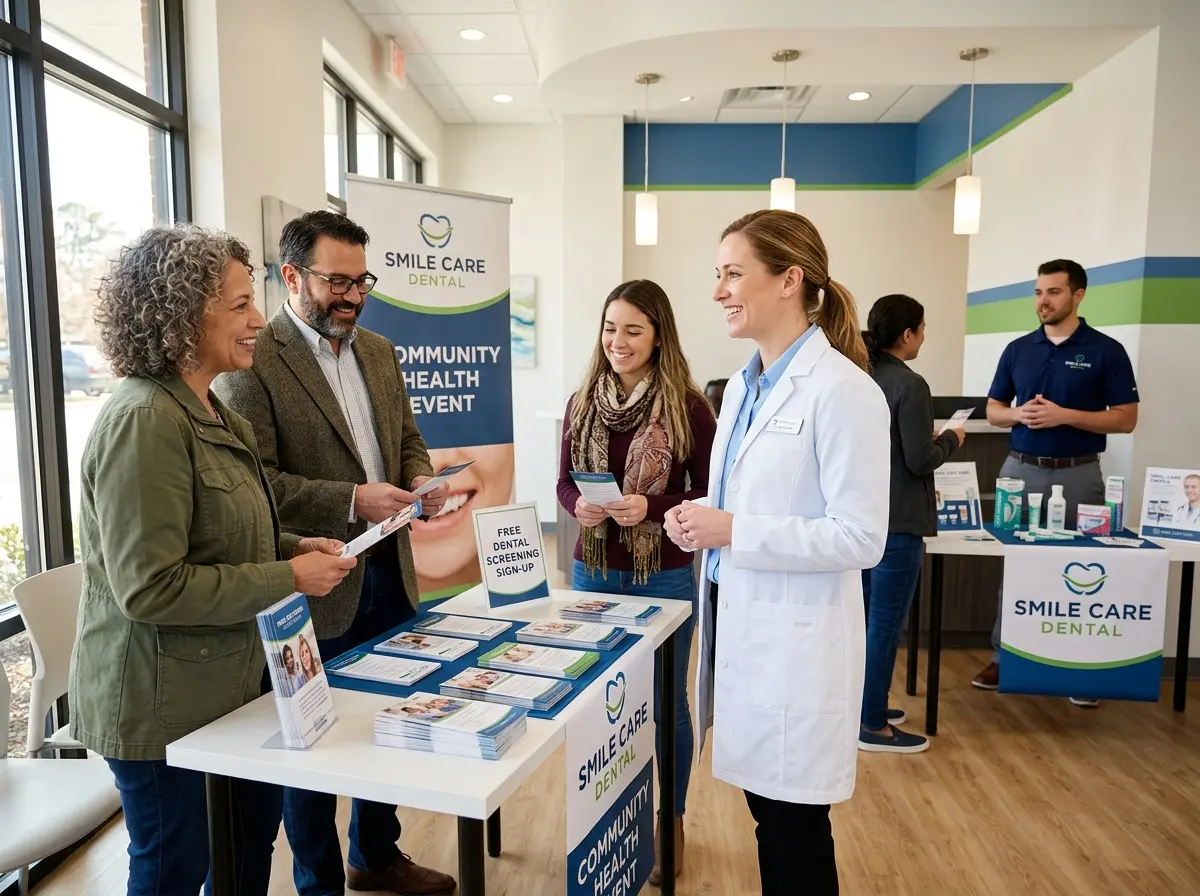
- Community health fairs — A natural fit. Set up a booth, offer free oral health screenings, hand out toothbrush kits, and position your team as approachable experts rather than the people who judge you for not flossing.
- School and PTA events — Parents at school events are actively thinking about their kids' health. A dental practice that sponsors a school carnival or offers a "Healthy Smiles" presentation builds goodwill with an entire household at once.
- Local farmers markets and street fairs — High foot traffic, relaxed atmosphere, and you get to be the dental booth next to the artisanal hot sauce vendor. Perfect.
- Charity runs and sports events — Sponsorship visibility combined with association to a healthy, active lifestyle is a powerful branding combination for a dental practice.
- Your own hosted events — An in-office "Open House" or a "Kids' First Visit Day" removes the intimidation factor entirely and lets prospective patients see your space, meet your team, and ask questions without any commitment.
Crafting an Irresistible Event Offer
Showing up to an event with a tablecloth and a stack of business cards is not a strategy. It's a hope. You need an offer — something compelling enough to make a stranger stop, engage, and hand over their contact information.
The best event offers for dental practices tend to be low-risk and high-value. A free whitening consultation, a complimentary X-ray for new patients, or a "first exam free" promotion gives people a concrete reason to take the next step. Pair this with a raffle or giveaway (a free electric toothbrush kit, for example) that requires attendees to fill out a simple entry form with their name, phone number, and email — and suddenly you've built a warm lead list by 2 PM on a Saturday.
The key is making sure your offer is memorable and easy to act on. If someone has to jump through three hoops to redeem something, they won't. Keep the path from "interested stranger" to "booked appointment" as short as possible.
How Stella Can Help You Capture and Convert Event Leads
Turning Event Buzz Into Booked Appointments
Here's where most practices drop the ball: they collect leads at an event, feel great about it, and then those leads sit in a spreadsheet for two weeks while the practice gets busy with actual patients. By the time someone follows up, the prospective patient has already booked with the dentist down the street.
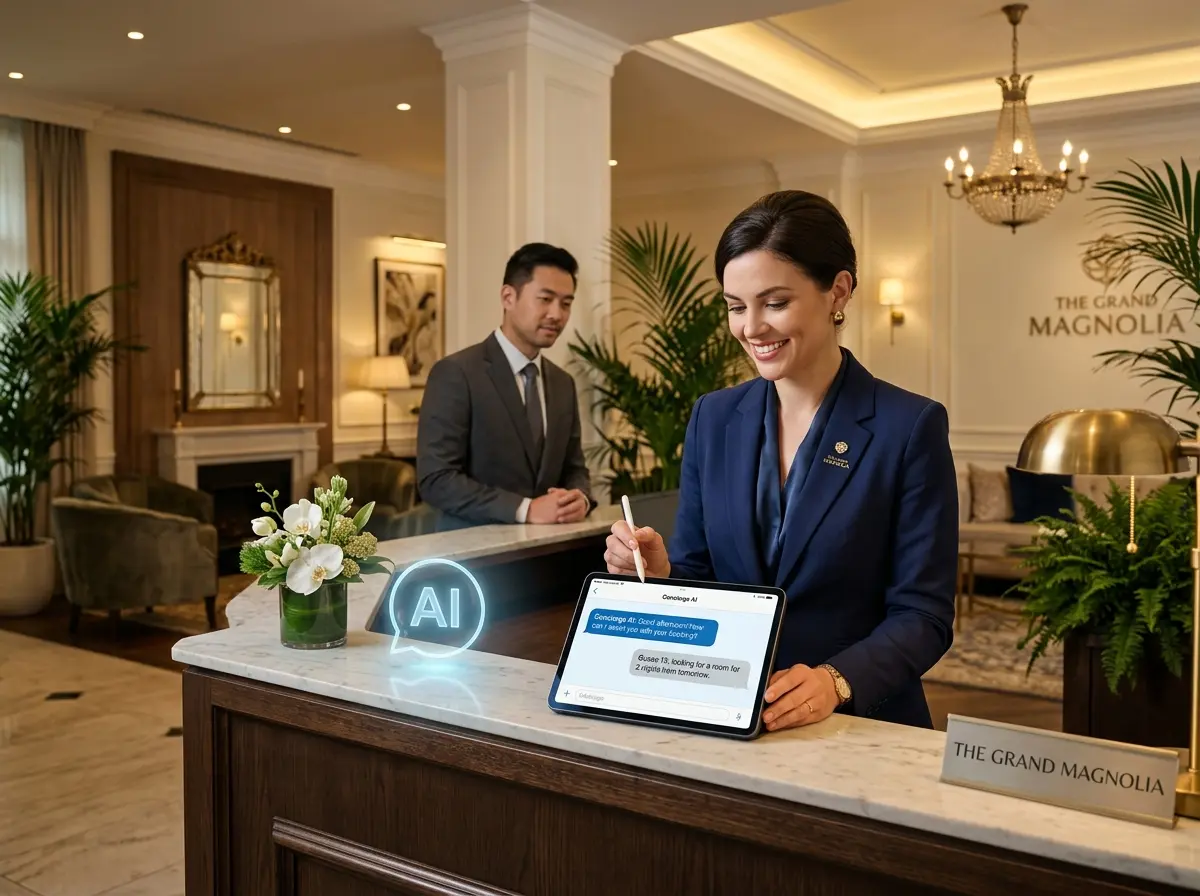
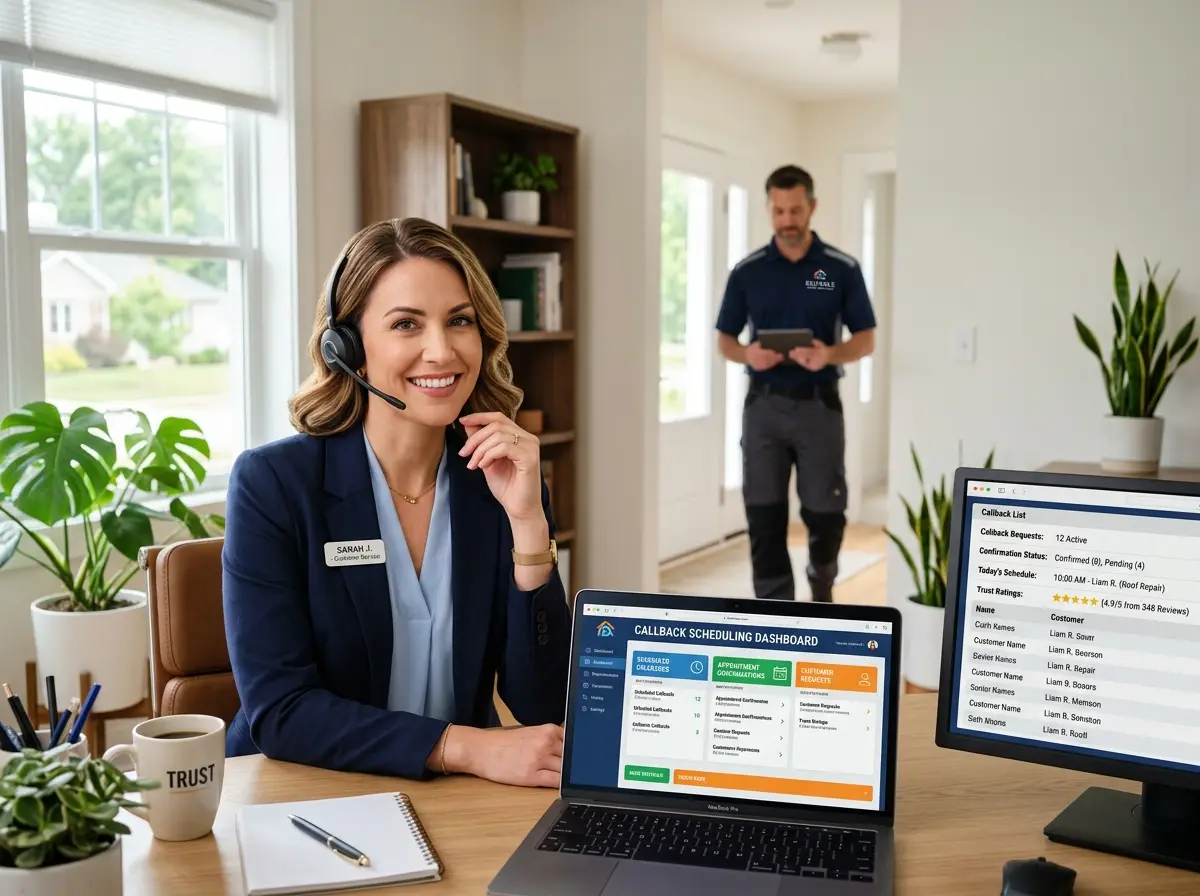
Stella, the AI robot employee and phone receptionist, helps bridge this gap. When event attendees call your practice to redeem their offer or ask questions, Stella answers 24/7 — even at 9 PM on the Sunday night after your Saturday health fair, when curiosity and motivation are at their peak. She collects caller information through conversational intake forms, logs everything in her built-in CRM with AI-generated contact profiles, and ensures no warm lead goes cold simply because your front desk wasn't staffed at that moment.
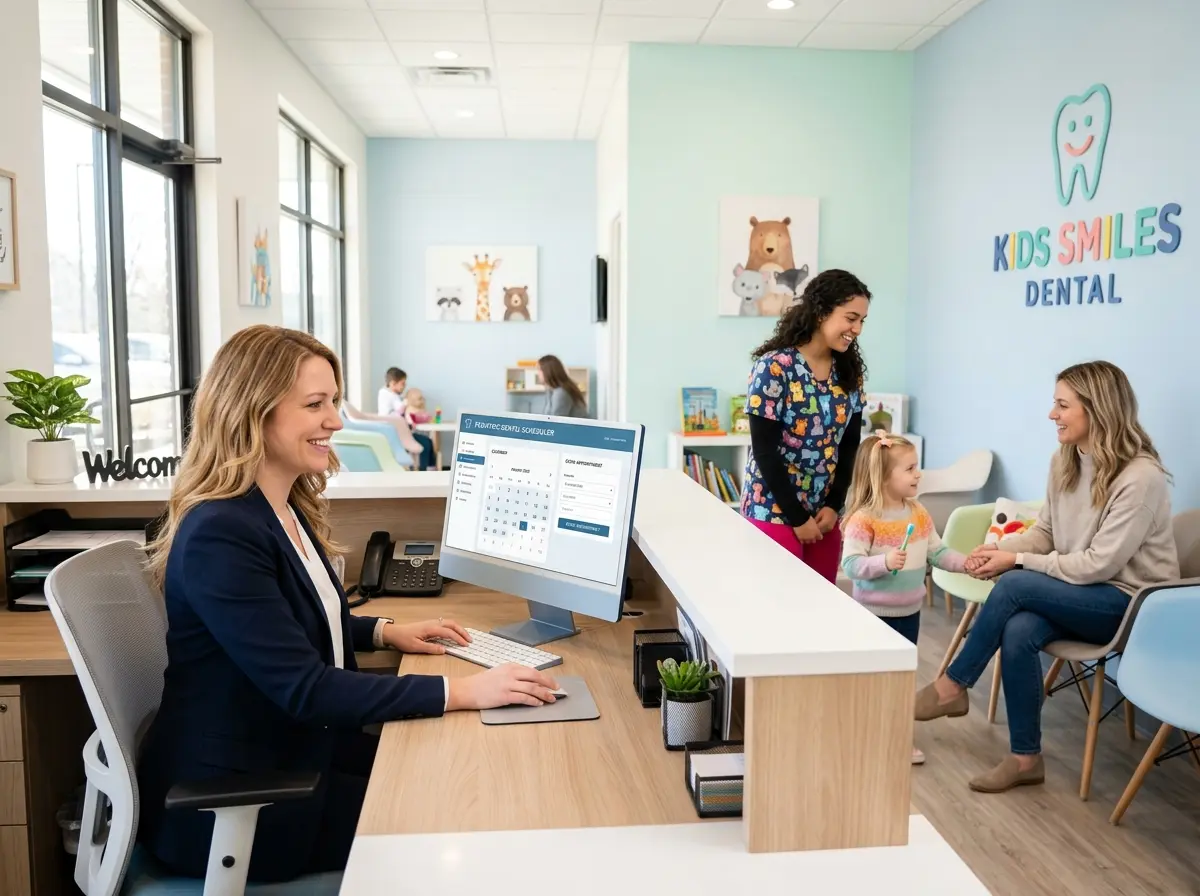
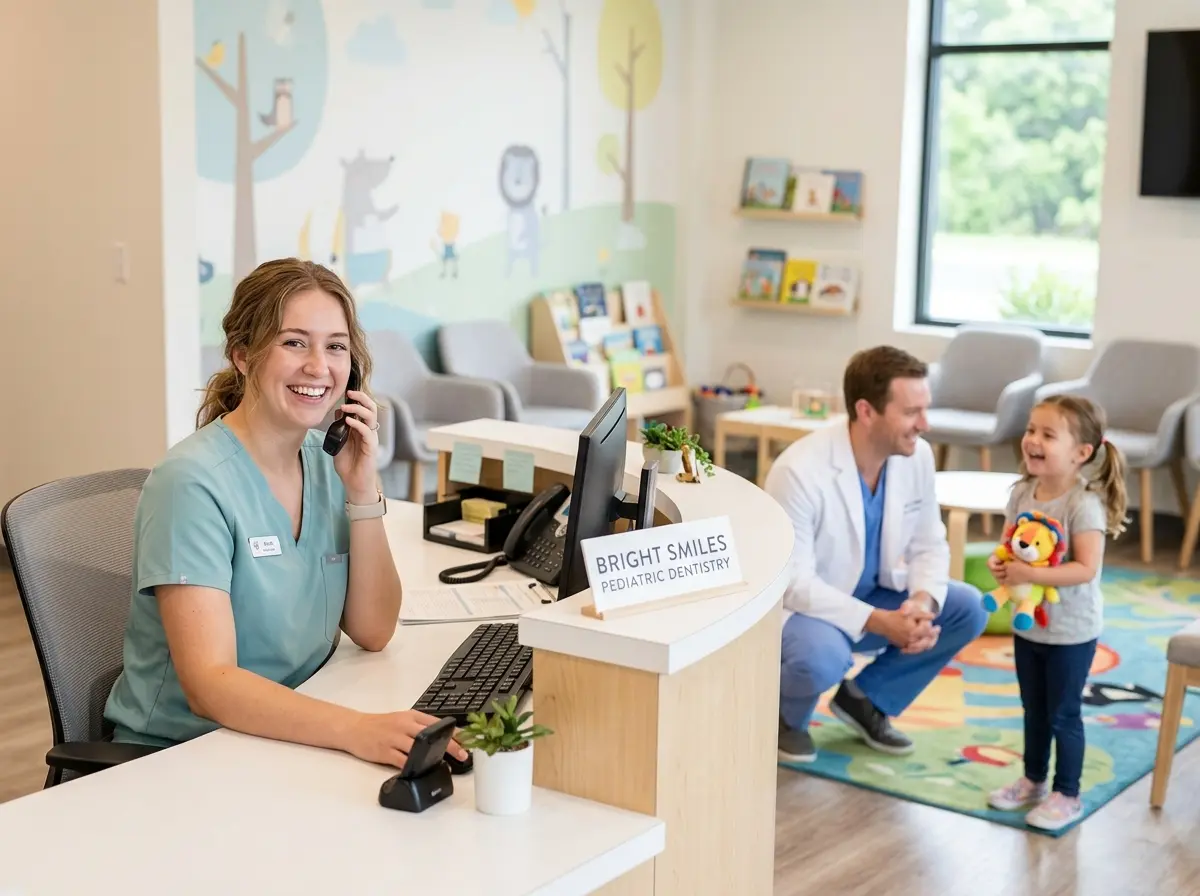
For practices with a physical location, Stella's in-store kiosk presence means that when event attendees walk in to redeem their promotion, she greets them proactively, answers questions about services, and keeps the experience professional and welcoming — even during busy periods when your human staff is juggling appointments.
Maximizing Your Event Impact Before, During, and After
Pre-Event Marketing That Actually Gets Attention
The work begins long before you set up your booth. A successful event appearance requires a promotional runway of at least two to three weeks. Start by posting consistently on your social media channels about the upcoming event — not just once, but several times, with increasing urgency as the date approaches. Tag the event organizers, use local hashtags, and create a short video from your dentist or office manager explaining what you'll be offering and why attendees should stop by.
Send an email to your existing patient list as well. Word-of-mouth is still extraordinarily powerful in local marketing, and a patient who knows you'll be at the community fair might just bring their neighbor who's been putting off finding a dentist for two years. That referral cost you approximately zero dollars.
Consider running a small, targeted social media ad campaign geofenced to your local zip codes in the week leading up to the event. Even a modest $50–$100 budget can put your booth in front of thousands of local residents who might already be planning to attend.
During the Event: Standing Out and Collecting Data the Right Way
Your booth setup matters more than you'd think. Invest in a professional banner, branded materials, and a setup that looks intentional rather than improvised. If you're doing screenings or consultations, create a semi-private space so people feel comfortable — nobody wants to open their mouth in the middle of a crowded fairground with strangers walking by.
Train your team members on how to have genuine, non-salesy conversations. Ask about people's current dental concerns. Listen. Empathize. The goal is to make someone feel heard and understood, not pitched to. When people feel that a practice genuinely cares, they book appointments. When they feel like they're being sold to, they take the free toothbrush and walk away.
For data collection, use a simple tablet-based form or even a paper entry for your raffle. Collect: name, phone number, email, and optionally, whether they currently have a dentist. That last question alone helps you prioritize follow-ups.
Post-Event Follow-Up That Converts Leads Into Patients
The follow-up is where the money is made — and where most practices completely fall apart. Within 24–48 hours of the event, every lead you collected should receive a personalized follow-up. This means a phone call for your highest-priority leads (those who expressed strong interest or don't currently have a dentist), and at minimum a warm, friendly email or text for everyone else.
Your follow-up message should reference the event specifically — "It was great meeting folks at the Maplewood Health Fair this weekend!" — so the recipient immediately knows this isn't a generic marketing blast. Remind them of the offer they expressed interest in, make it easy to book online, and include a direct phone number in case they prefer to call.
For leads who don't respond to the initial outreach, build a short nurture sequence — a follow-up email at day 3, another at day 7, and perhaps a final check-in at day 14. After that, move them to your general marketing list and let long-term content do the heavy lifting. Persistence is good; being annoying is counterproductive.
A Quick Reminder About Stella
Stella is an AI robot employee and phone receptionist available for just $99/month with no upfront hardware costs. She answers calls around the clock, greets patients at your front desk, promotes your current offers, collects intake information, and manages contacts in her built-in CRM — all without taking a lunch break or calling in sick. For a dental practice running event marketing campaigns and expecting an influx of new inquiries, that kind of reliable, always-on presence isn't just convenient — it's a competitive advantage.
Your Next Steps Toward a Packed Appointment Calendar
Local event marketing isn't a magic bullet, but it is one of the most genuine, relationship-driven growth strategies available to a dental practice. And unlike digital advertising, the trust you build in person compounds over time. People remember the dentist who showed up at their kid's school fair and offered a free screening. They tell their coworkers. They tag you in neighborhood Facebook groups. They become patients and referral sources simultaneously.
To get started, take these concrete steps this week:
- Research local events in your area over the next 60–90 days. Check community boards, city websites, local Facebook groups, and school newsletters.
- Design your event offer — decide on your lead magnet, your raffle giveaway, and your new patient promotion.
- Create a follow-up system before you attend your first event so you're not scrambling afterward.
- Brief your team on how to engage authentically at events without slipping into sales mode.
- Ensure your phone coverage is airtight so that when the post-event calls come in, every single one gets answered professionally and promptly.
The practices that win in local markets aren't necessarily the ones with the biggest ad budgets. They're the ones that show up — literally and figuratively — and make people feel confident that their oral health is in good hands. Start showing up, and watch your new patient numbers follow.