Who Needs a Punch Card Anyway?
Let's be honest — somewhere in America right now, there is a crumpled, coffee-stained loyalty punch card sitting at the bottom of someone's bag, completely forgotten, representing eight perfectly good visits to a small business that will never be rewarded. The customer won't be back. The business owner has no idea. And the punch card will eventually meet its fate in a washing machine.
Points-based loyalty programs sound great in theory. Reward customers for spending money, they come back, everyone wins. But in practice, for small independent businesses, these programs come with a mountain of complexity — tracking software, redemption rules, customer confusion, and staff who have to explain why "your 500 points only get you a free coffee" for the eleventh time this week. It's exhausting, and more often than not, it quietly dies within a year.
Here's the good news: you don't need a points system to build loyal customers. In fact, some of the most powerful loyalty-building strategies are completely points-free, cost almost nothing to implement, and actually work better for small independent businesses than any app-based rewards program ever could.
What Actually Makes Customers Come Back
It's Not the Discount — It's the Experience
Research consistently shows that customers return to businesses not primarily because of discounts, but because of how they feel when they interact with that business. A 2023 Salesforce report found that 88% of customers say the experience a company provides matters as much as its products or services. That's a staggering number, and it's especially relevant for small businesses that can't compete with big-box retailers on price or selection.
What small businesses can compete on is personal connection. When a customer walks into your shop and someone remembers their name, their usual order, or that they mentioned last time they were remodeling their kitchen — that's worth more than a 10% discount. That's the kind of thing people tell their friends about. That's word-of-mouth marketing you can't buy.
Consistency Is the Unsung Hero of Loyalty
Here's something no one talks about enough: customers don't leave because they had one bad experience. They leave because the experience is unpredictable. One visit is great, the next feels rushed and impersonal, and now they're not sure what to expect. Inconsistency is the silent killer of customer loyalty.
Small businesses with small teams are especially vulnerable to this. When your best employee calls in sick, or when you're slammed during a rush and can't give every customer the attention they deserve, the experience dips — and customers notice. Building loyalty means creating systems that deliver a consistently good experience regardless of who's working or how busy the day gets.
Recognition Without a Rewards App
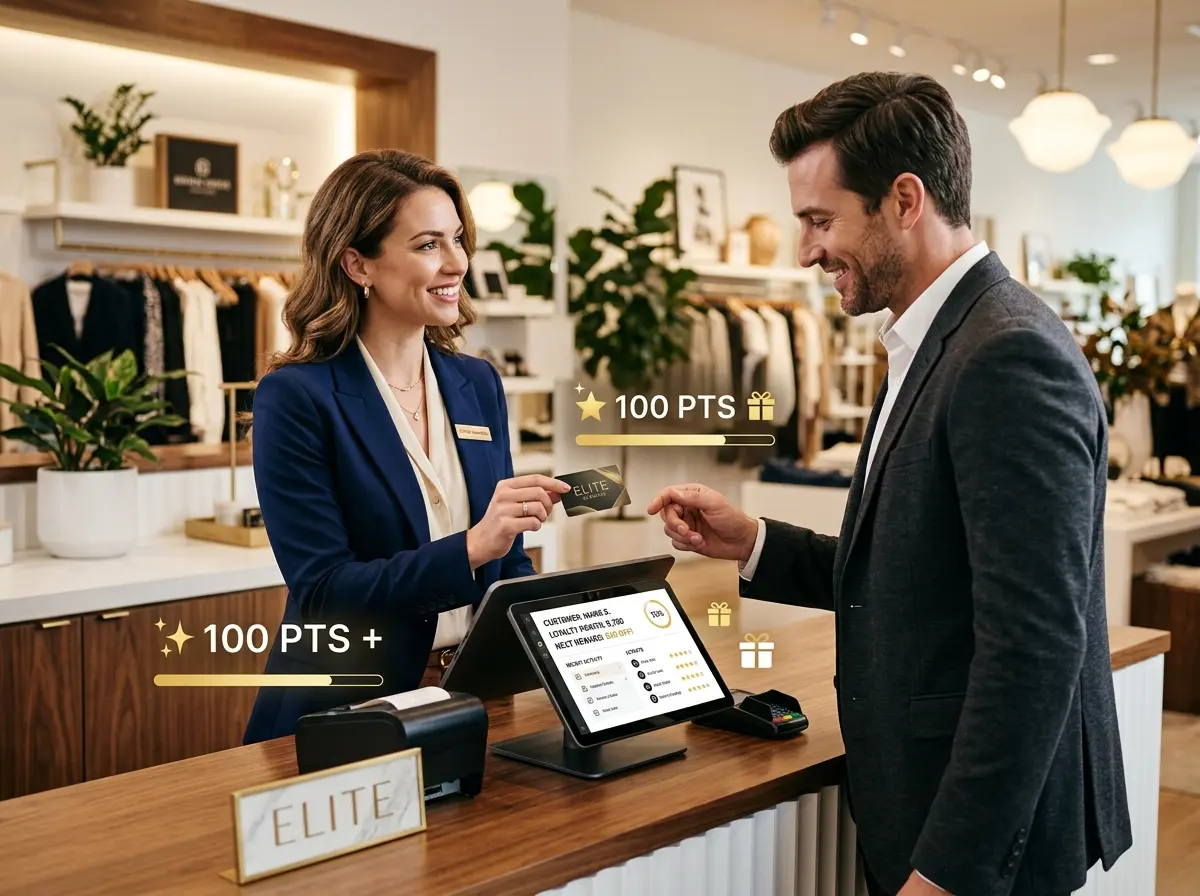
You don't need a loyalty app to make customers feel recognized. Simple CRM habits — keeping notes on customer preferences, purchase history, and personal details — can power a surprisingly personal experience. When a customer calls to book an appointment and your team can say "Oh, last time you mentioned you preferred the evening slots — shall I put you down for 6 PM again?" that customer feels like a VIP without a single point being exchanged.
The key is actually capturing and using that information. Most small businesses collect it informally in staff memories, which is lovely until that staff member leaves. Building a lightweight system for capturing customer insights is one of the highest-ROI habits you can develop.
Let Technology Handle the Consistency Problem
Where AI Can Quietly Do the Heavy Lifting
One of the most practical ways to ensure consistent, engaging customer experiences — without hiring more staff or printing another punch card — is to let smart technology fill the gaps. Stella, the AI robot employee and phone receptionist, is built specifically for this. For businesses with a physical location, Stella stands in-store and greets every customer who walks in, engages them in natural conversation about your products, services, and current promotions, and never has an off day. For any business — brick-and-mortar or otherwise — she answers your phones 24/7 with the same knowledge and warmth she'd bring in person.
What makes Stella particularly useful in the context of customer loyalty is her built-in CRM. She collects customer information through conversational intake forms, builds AI-generated customer profiles, and logs interaction data that helps you understand what your customers actually care about. That's the foundation of personalized, loyalty-building service — without the complexity of a points program or the chaos of trying to remember everything yourself.
Building Your Points-Free Loyalty Strategy
The Power of Proactive Communication
One of the simplest, most underused loyalty tactics is simply reaching out first. Don't wait for customers to remember you exist. A quick follow-up message after a service, a heads-up about a new product that fits their known preferences, or a "we haven't seen you in a while" note can re-engage lapsed customers and make active ones feel genuinely valued.
This doesn't require a massive marketing budget. With a basic CRM and some tagging habits (segment by visit frequency, service type, or product interest), you can send targeted, relevant outreach that doesn't feel like spam. The businesses that do this well tend to see significantly higher return visit rates — some studies suggest that increasing customer retention by just 5% can increase profits by 25% to 95%, according to research from Bain & Company.
Create Moments Worth Talking About
Loyalty isn't just about repeat visits — it's about referrals. Your happiest customers are your most powerful marketing channel, and the businesses that understand this design their customer experience to be share-worthy. This doesn't mean you need a photo wall or a gimmick. It means surprising customers with something unexpectedly good.
Examples that work beautifully for small independent businesses include a complimentary add-on service during a slow period, a handwritten thank-you card with a first order, or remembering a customer's birthday and acknowledging it on their next visit. None of these cost much. All of them get talked about. The goal is to create at least one moment in every customer interaction that makes them think, "I should tell someone about this place."
Make It Effortless to Return
Friction is the enemy of loyalty. If it's hard to book an appointment, hard to get a question answered after hours, or hard to figure out whether you're even open on Sundays, customers will drift toward competitors who make it easier. Audit your customer journey with fresh eyes. How easy is it to contact you? How fast do you respond to inquiries? What happens when someone calls at 8 PM on a Tuesday?
Reducing friction at every touchpoint — especially communication and booking — has a direct impact on how often customers choose to come back. The businesses that are easiest to do business with tend to win, even when they're not the cheapest option in town.
A Quick Reminder About Stella
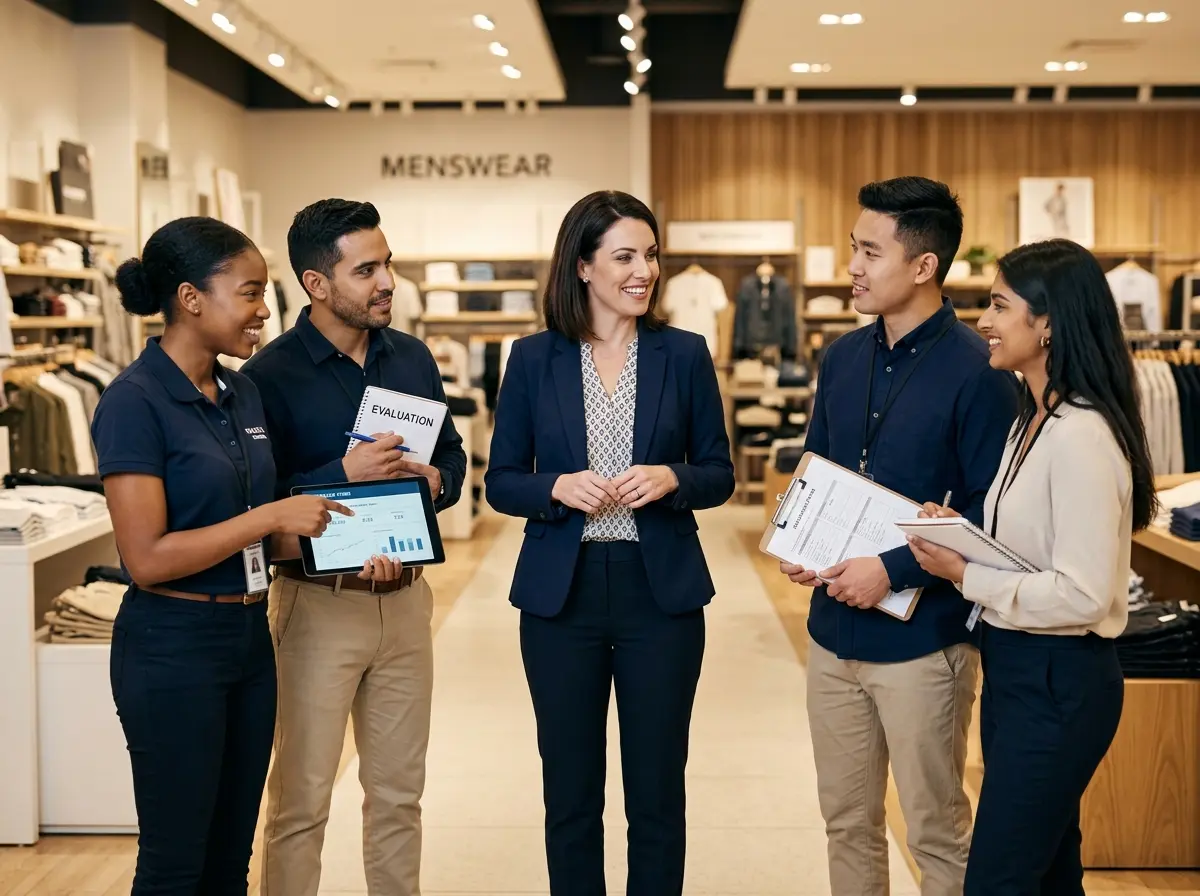
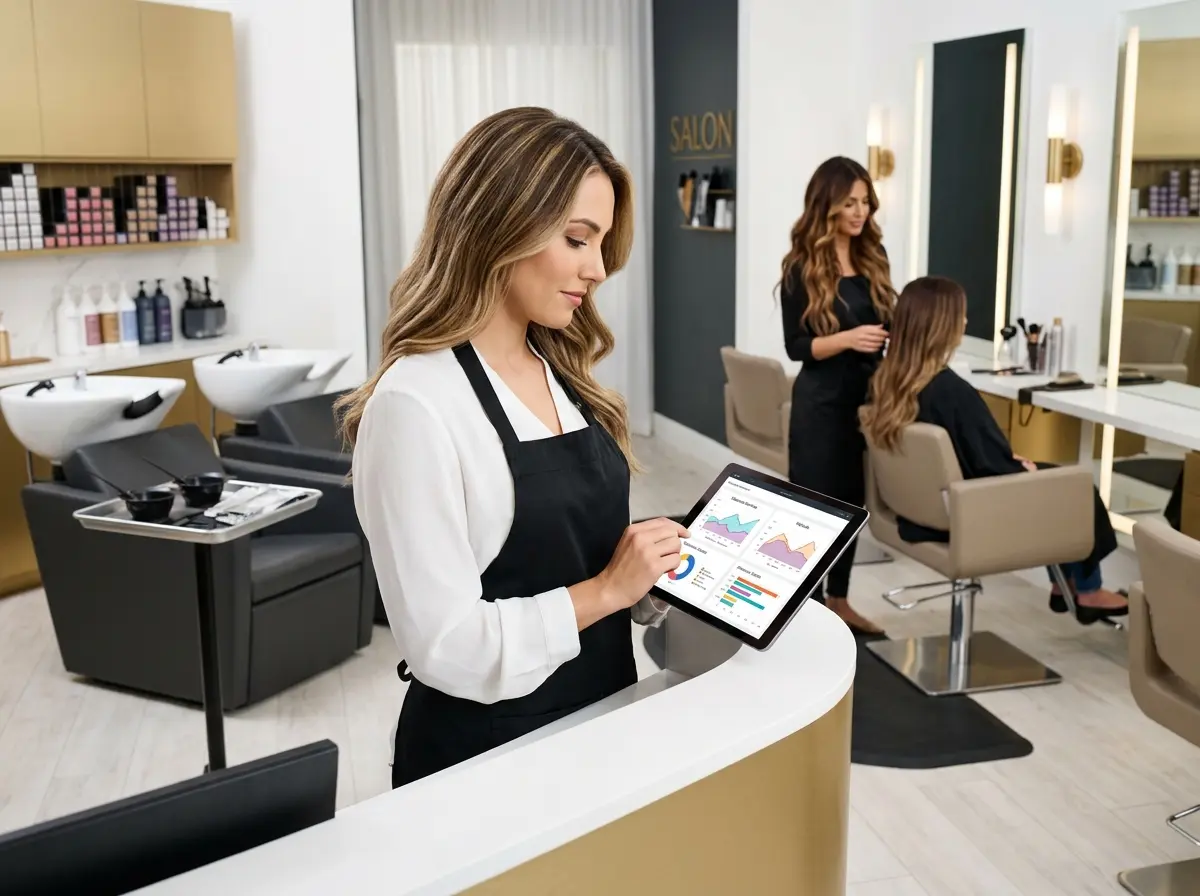
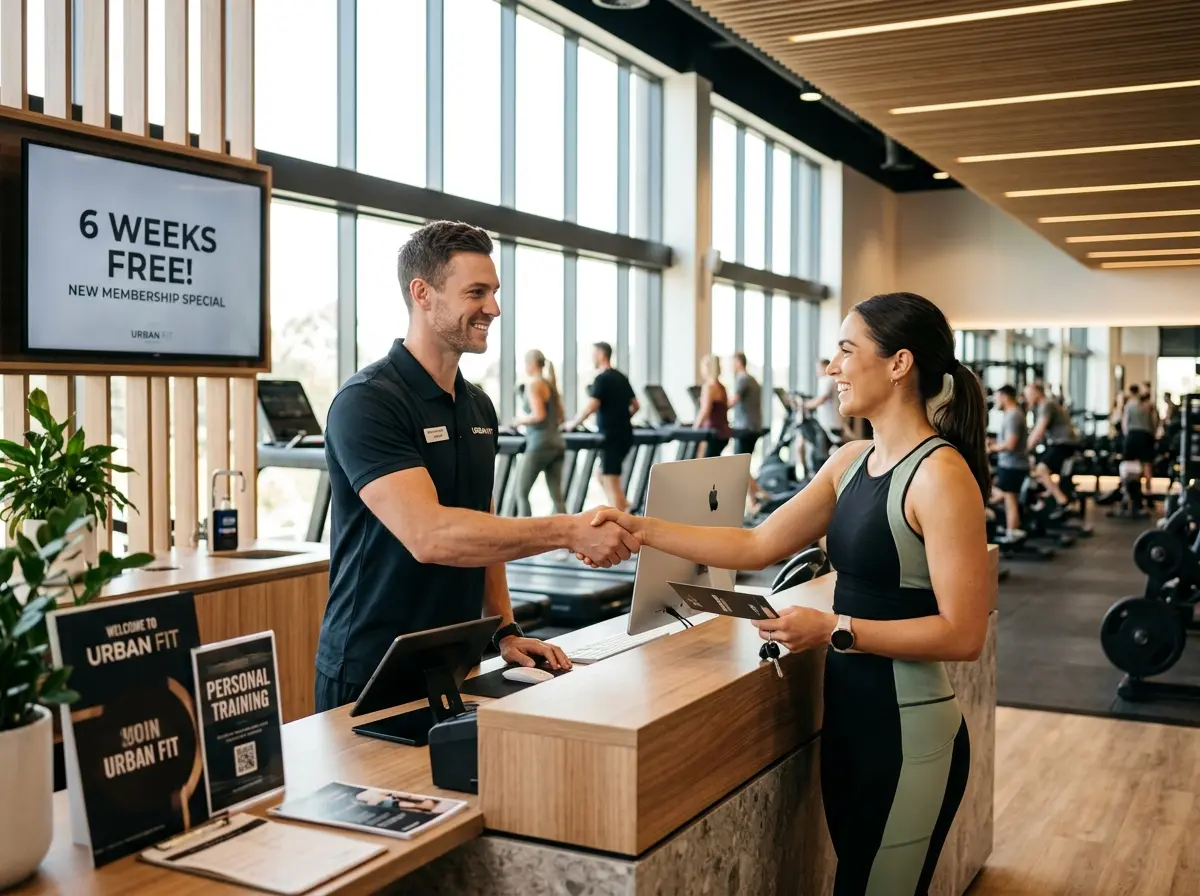
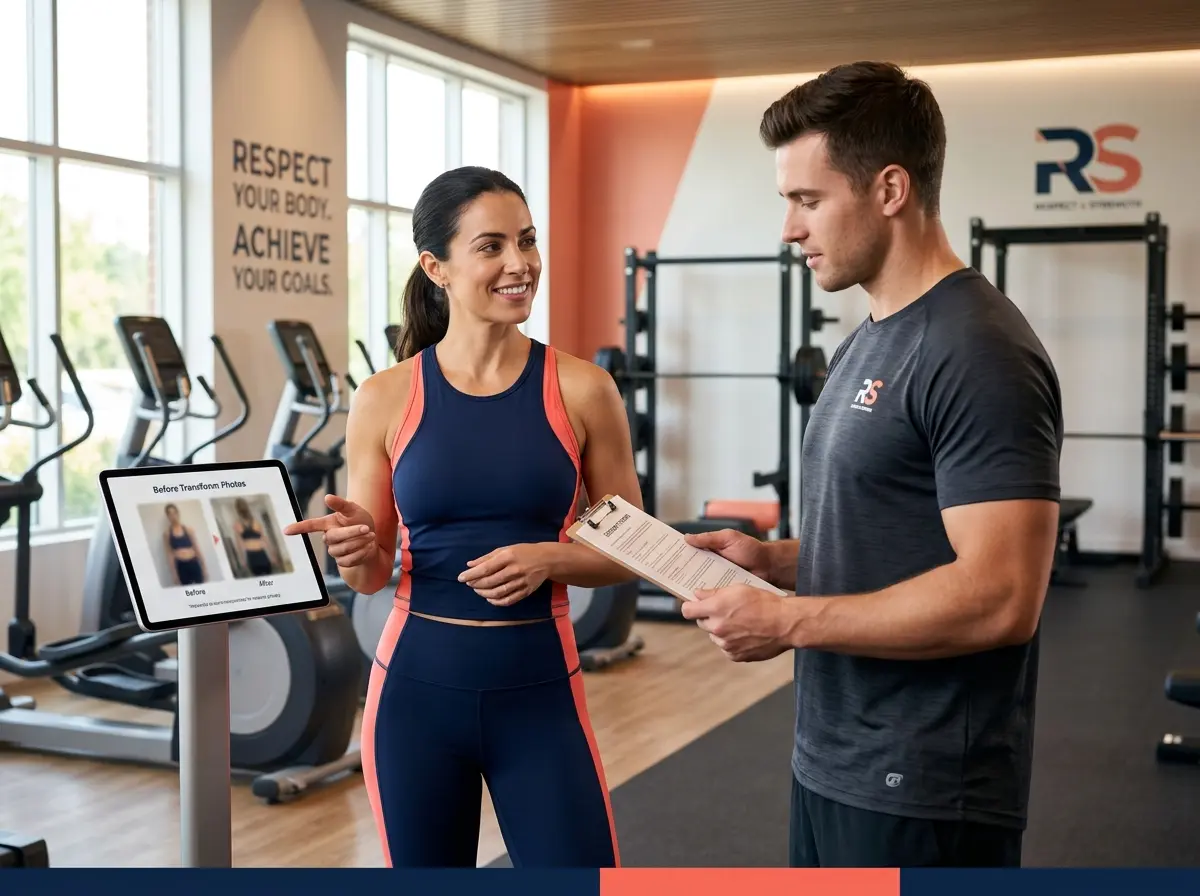
Stella is an AI robot employee and phone receptionist designed for small businesses across virtually every industry — retail, restaurants, salons, gyms, medical offices, law firms, auto shops, and more. She greets in-store customers, answers calls around the clock, promotes your current deals, and collects customer information that feeds directly into a built-in CRM. At $99/month with no upfront hardware costs, she's built to be genuinely accessible for independent businesses that want a more consistent, professional customer experience without the overhead of additional staff.
Your Next Steps (No Punch Card Required)
Building customer loyalty without a points program isn't complicated, but it does require intention. Here's where to start:
- Audit your current customer experience for consistency gaps — especially during busy periods or when your best staff aren't available.
- Start capturing customer data in a structured way. Even basic notes about preferences and history can power surprisingly personal service.
- Build one proactive communication habit — a follow-up message, a re-engagement sequence, or a birthday acknowledgment for your regulars.
- Design one share-worthy moment in your customer journey that costs little but creates genuine delight.
- Reduce friction in how customers contact, book, and communicate with you — especially after hours.
The businesses that win on customer loyalty aren't always the ones with the fanciest rewards programs. They're the ones that make every customer feel remembered, welcomed, and genuinely valued. That's not a technology problem or a budget problem — it's a priorities problem. And now that you've read this far, you're clearly the kind of business owner who gets it.
So go ahead and throw away that half-stamped punch card template you downloaded in 2019. You've got better tools now.