Because Who Doesn't Love a Pleasant Surprise (That Isn't a Bill)?
Let's be honest — in today's retail landscape, getting a customer through the door once is hard enough. Getting them to come back and tell their friends? That's the real prize. Yet so many businesses pour their energy into flashy acquisition campaigns while quietly neglecting the customers they already have. Spoiler alert: that's backwards.
Enter the Surprise and Delight Strategy — a well-worn but perpetually underutilized approach to building fierce customer loyalty through small, unexpected gestures. We're not talking about grand, budget-busting giveaways. We're talking about the kind of thoughtful, well-timed moments that make a customer stop, smile, and think, "Okay, I actually love this place."
Research from Bain & Company famously found that increasing customer retention rates by just 5% can boost profits by anywhere from 25% to 95%. Meanwhile, acquiring a new customer costs five to seven times more than retaining an existing one. So while you're busy crafting your next Facebook ad, your best customers might be quietly drifting toward a competitor who remembered their birthday. This article is your practical guide to fixing that — starting today.
The Art of the Unexpected: What Surprise and Delight Actually Means
It's Not About Discounts — It's About Moments
The biggest misconception about Surprise and Delight is that it requires a coupon. It doesn't. In fact, over-relying on discounts trains customers to wait for deals rather than valuing your business at full price. The most memorable gestures are almost never financial — they're personal.
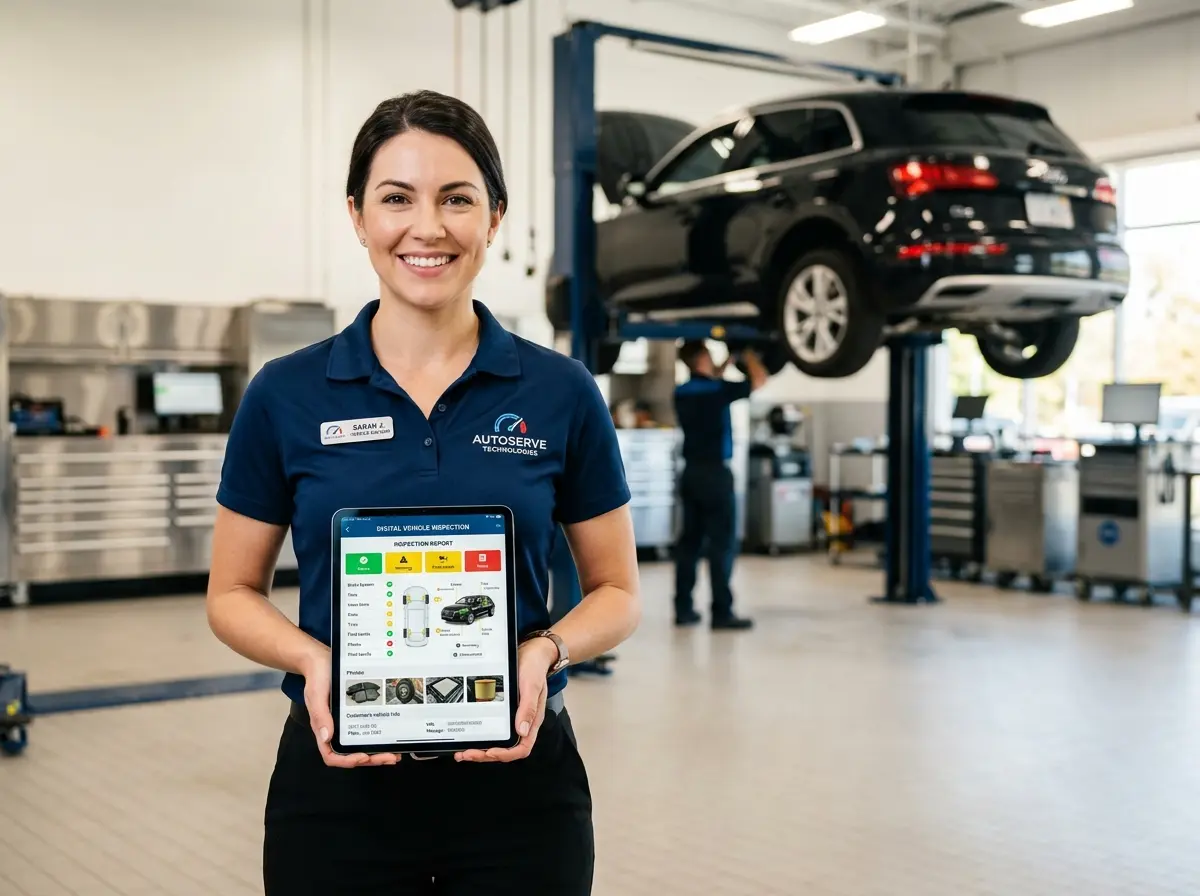
Think about the coffee shop that writes a little joke on your cup because they know you always look tired on Mondays. Or the boutique that texts you when something new arrives in your size. Or the auto shop that leaves a handwritten thank-you note in your glovebox. None of these things cost much. All of them are remembered. The magic is in the specificity — the feeling that someone actually noticed you.
The Psychology Behind Why It Works So Well
There's solid science backing this up. Unexpected rewards trigger a stronger dopamine response than expected ones — meaning a surprise gift creates more positive emotion than the same gift given routinely. This is sometimes called the "peak-end rule": people judge an experience largely based on how they felt at its most intense moment and at its end, not on the average. A single unexpected delight at the right moment can recolor an entire customer relationship.
Beyond the neurochemistry, surprise gestures also tap into the principle of reciprocity. When someone does something unexpectedly kind for us, we feel a genuine pull to return the favor — whether that means a repeat visit, a glowing review, or enthusiastically recommending you to anyone who will listen. That last one, by the way, is worth more than most ad campaigns you'll ever run.
Real Examples That Actually Work in Retail
Here are a few practical gestures that retail businesses have used to powerful effect:
- The unexpected upgrade: A customer orders a standard gift wrapping, and you give them the premium version for free — just because it's a Tuesday and you felt like it.
- The loyalty milestone surprise: When a customer hits their 10th purchase, instead of just giving them the expected reward, you add a handwritten card from the owner.
- The personal recognition: A staff member remembers that a regular always buys gifts for her sister and sets aside a new arrival specifically for her before it hits the floor.
- The rainy day surprise: You notice it's pouring outside and offer complimentary umbrellas to customers leaving your store. Simple, practical, unforgettable.
The common thread? None of these required a massive budget or a complex system. They required attention.
Using Technology to Make Delight Feel Personal at Scale
How Stella Helps You Remember What Matters
Here's the uncomfortable truth: as your business grows, personal touches get harder to maintain. You can't rely on individual staff members to remember every customer's preferences, milestones, and quirks — especially if you're dealing with high foot traffic or a phone line that rings off the hook. That's where smart tools make the difference.
Stella, the AI robot employee and phone receptionist, is built to help businesses do exactly this. In-store, she greets every customer who walks through the door, engages them in natural conversation, and collects valuable information that can inform personalized follow-up. On the phone, she's available 24/7 with full knowledge of your products, services, and promotions — so no customer ever feels ignored at 8pm on a Sunday. Her built-in CRM lets you tag customers, add notes, and build profiles over time, giving you a living record of who your customers are and what they care about. That's your surprise-and-delight cheat sheet, right there.
Building a System That Sustains the Magic
Creating Triggers That Prompt Action
Spontaneous delight is wonderful, but sustainable delight requires a system. The goal isn't to make it feel robotic — it's to make sure great gestures actually happen consistently rather than only when someone remembers to do them. Start by identifying natural trigger points in your customer journey: a first purchase, a fifth visit, a birthday, a post-complaint follow-up, or even just a long absence. Each of these moments is an invitation.
Map out two or three high-impact triggers and assign a specific action to each. Keep it simple. "Every customer who hasn't visited in 60 days gets a personal check-in message from the owner." That's a trigger and an action. Write it down, put it in your process, and make someone responsible for it. What gets scheduled gets done.
Training Your Team to Spot and Seize Opportunities
Even the best system still depends on humans noticing things. Train your team to listen actively during customer interactions — not just for transactional information, but for context clues. Is someone shopping for a gift? Mention something that might help. Did a customer mention it's their first time in the neighborhood? Welcome them properly and give them a little something to remember you by. Is someone visibly frustrated? Acknowledge it directly and over-deliver on the resolution.
These habits don't develop overnight, but a brief weekly team huddle focused on sharing "delight moments" from the past week can do wonders for building the muscle. Celebrate the wins publicly, even the small ones — it reinforces exactly the behavior you want to see more of.
Measuring Whether It's Actually Working
You don't have to fly blind here. Track metrics like repeat visit rate, average purchase frequency, referral source data, and online review sentiment over time. If you run a specific surprise-and-delight initiative, note the timing and watch for any corresponding movement in your numbers. Customer satisfaction surveys — even just a simple one-question post-visit text — can give you fast, honest feedback.
Don't obsess over ROI on every individual gesture. The return is cumulative and relational, not transactional. But do pay attention to trends. If your retention rate is climbing and your review scores are ticking upward, you're doing something right. If they're not, it's time to look at whether your delight efforts are actually landing — or whether they're missing the mark in terms of timing, relevance, or execution.
Quick Reminder About Stella
Stella is an AI robot employee and phone receptionist designed to help businesses of all sizes deliver a consistently professional, engaging customer experience — without the overhead. She greets customers in-store, answers calls around the clock, and helps you capture the customer insights that make personalized gestures possible. At $99/month with no upfront hardware costs, she's one of the more practical investments a retail business owner can make in showing up better for every customer, every day.
Start Small, Stay Consistent, and Watch Loyalty Compound
The Surprise and Delight Strategy isn't a campaign. It's a posture — a daily commitment to treating your customers like people worth remembering, rather than transactions worth processing. And the good news is that most of your competitors are absolutely not doing this well, which means the bar is surprisingly low and the opportunity is genuinely significant.
Here's how to get started this week:
- Pick one trigger moment in your customer journey and assign a specific, repeatable delight action to it.
- Audit your customer data — do you know enough about your regulars to personalize anything? If not, start collecting it intentionally.
- Brief your team on the concept and ask each person to share one delight idea they could realistically execute with no additional budget.
- Set a 30-day checkpoint to review whether the initiative is happening consistently and whether customers are responding.
Small gestures, executed consistently and with genuine care, have a compounding effect on customer loyalty that no discount strategy can match. Your customers want to feel valued — and the businesses that make them feel that way don't just earn their repeat business. They earn their stories, their referrals, and their loyalty for years to come. That, as it turns out, is a much better return on investment than another round of paid ads.