Summer Is Calling — and So Are Your Customers
Ah, summer. The season of sunshine, melting ice cream, and customers who are actually willing to step outside and spend money. If you run a retail shop, boutique, or any business with a physical storefront, a sidewalk sale is one of the most time-honored, gloriously low-tech ways to drive foot traffic, move old inventory, and remind your neighborhood that you exist. And yet, somehow, many business owners treat their sidewalk sales like an afterthought — slapping a folding table outside, tossing some markdown stickers around, and hoping for the best.
Spoiler: hope is not a marketing strategy.
A well-planned sidewalk sale can generate a serious revenue spike, attract new customers who've walked past your store a hundred times without stopping, and give you a natural excuse to clear out slow-moving inventory before fall arrives. The difference between a sidewalk sale that sells and one that just gives your staff a sunburn comes down to planning, promotion, and execution. This guide will walk you through all three — plus a few ideas to make your event genuinely memorable.
Before the Big Day: Planning and Promotion That Actually Works
The businesses that crush it at sidewalk sales don't wing it. They plan weeks in advance, and it shows. Whether this is your first outdoor event or your tenth, a little strategic thinking upfront pays massive dividends when the day arrives.
Set Clear Goals Before You Set Up a Single Table
Before you haul anything outside, ask yourself what you're actually trying to accomplish. Are you trying to liquidate winter inventory to free up shelf space? Drive new customer acquisition? Boost revenue during a slow week? Your goal shapes everything — what you discount, how you market, and what success looks like when it's all over.
A common benchmark: a well-promoted sidewalk sale can increase daily foot traffic by 30–50% compared to a normal business day, but only if you give people a compelling reason to show up. "20% off select items" is not compelling. "Up to 70% off overstocked inventory, plus free samples and a raffle" is compelling. Set your goal, then build an event around it — not the other way around.
Build Your Promotional Timeline
Start promoting at least two to three weeks before the event. Use every channel available to you: email list, social media, Google Business Profile, in-store signage, and even old-fashioned flyers if your neighborhood is walkable. Here's a simple promotional timeline that works:
- 3 weeks out: Announce the date on social media and send a teaser email to your list. Build anticipation — don't give everything away yet.
- 2 weeks out: Start revealing specific deals or categories that will be featured. Post on Instagram Stories, Facebook, and anywhere your customers actually spend time online.
- 1 week out: Go all in. Post daily reminders, share behind-the-scenes prep content, and run a targeted local social media ad if your budget allows.
- Day before: Send a "Tomorrow is the day!" email with your hours, location, and the top deals to expect. Create urgency.
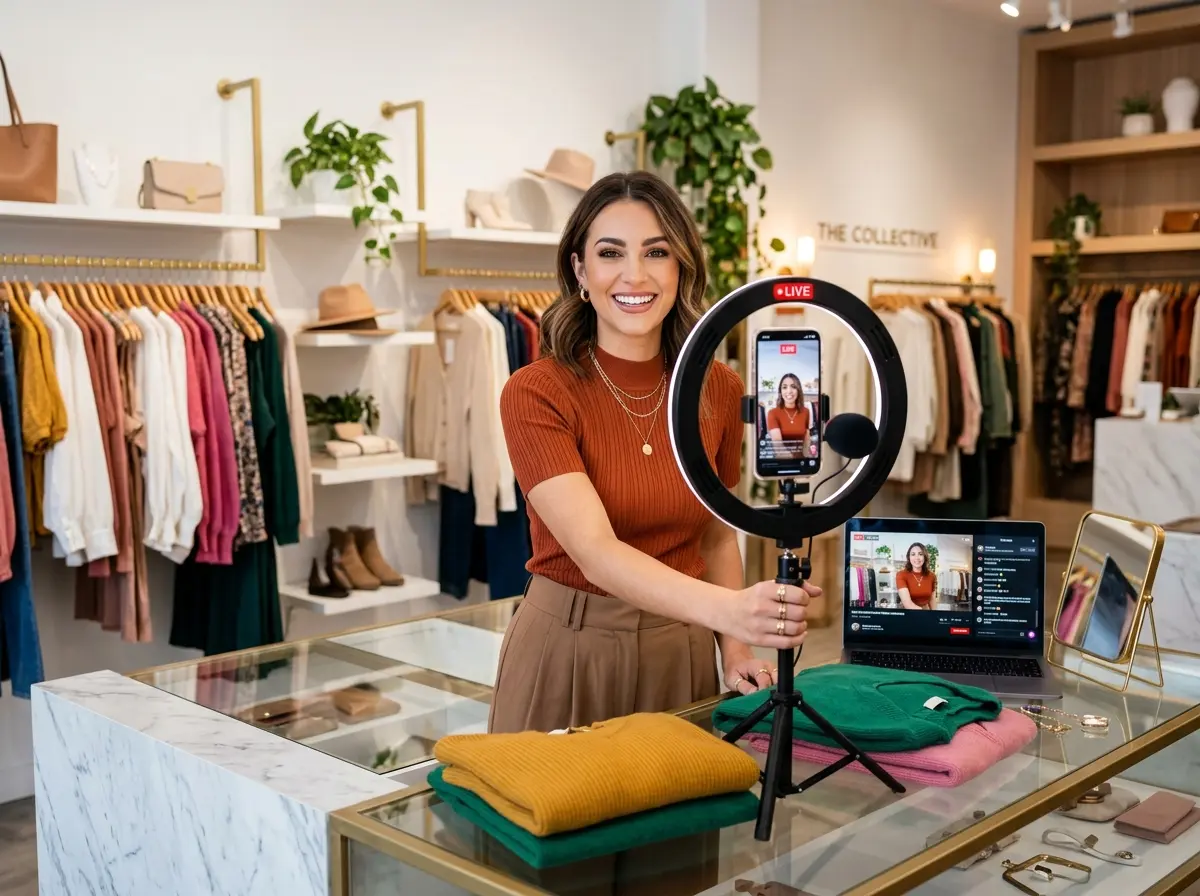
- Day of: Post in real time. Photos of your setup, candid shots of happy customers, updates on inventory flying off the tables. Live energy is contagious.
Price It to Move — But Strategically
The psychology of pricing at a sidewalk sale is different from your regular in-store pricing. Shoppers expect deals, and they're in browse mode — which means impulse purchases are your best friend. Consider using a tiered discount structure: one table of items at 30% off, another at 50%, and a "clearance corner" at 70% or more. This creates a natural flow through your display and rewards customers who dig a little deeper.
Don't discount everything you own. Sidewalk sales are a perfect opportunity to pull in new customers who then step inside your store and pay full price for something else. Think of your outdoor display as the appetizer — your store is the main course.
Setting the Scene: Making Your Sidewalk Sale Impossible to Walk Past
You could have the best deals in the city and still watch people stroll by if your setup doesn't stop them in their tracks. Visual merchandising matters outdoors just as much as it does inside — maybe more, because you're competing with pigeons, food trucks, and a hundred other distractions.
Create a Display That Does the Selling for You
Think vertically. Flat tables at waist height are fine, but adding height variation — racks, risers, shelves — makes your display more visually interesting and lets you showcase more product. Use bold, readable signage with large fonts and clear messaging. "SALE" is a start, but "UP TO 70% OFF TODAY ONLY" is a closer. Color-code your discount tiers so shoppers can navigate quickly without needing to flag down a staff member for every question.
Make it inviting, not chaotic. There's a fine line between "abundant and exciting" and "yard sale at a haunted house." Keep your displays organized, replenish them regularly throughout the day, and make sure there's enough space for multiple people to browse without bumping into each other.
Let Technology Pick Up the Slack
Here's the hard truth: sidewalk sales are exhausting for your staff. They're outside, it's hot, they're answering the same five questions on repeat ("Is this price right?" "Do you have this in a different size?" "What time do you close?"), and your phone inside is probably ringing off the hook with people calling to ask if the sale is still happening.
This is exactly the kind of day where Stella, the AI robot employee and phone receptionist, proves her worth. Inside the store, Stella greets customers, answers product and pricing questions, and promotes your sale deals — giving your human staff the breathing room to focus on closing sales and keeping the floor running smoothly. Meanwhile, she's simultaneously answering every phone call that comes in, giving callers accurate information about your hours, your sale, and your products without putting anyone on hold or sending calls to voicemail. On a high-traffic sale day, that kind of reliable coverage isn't a luxury — it's a lifeline.
Day-Of Execution: The Details That Separate Good Sales from Great Ones
The day is here. The tables are set, the signage is up, and the sun is — hopefully — cooperating. Now it's about execution. The businesses that make the most of sidewalk sales are the ones paying attention to the small stuff while the big stuff takes care of itself.
Keep the Energy Up All Day
Sidewalk sales often follow a predictable pattern: a morning rush of early birds hunting deals, a midday lull, and an afternoon pickup as the post-lunch crowd wanders by. Plan for this. Schedule your most energetic staff members for the morning rush and the late-afternoon push. Use the midday lull to restock, rearrange displays, and post fresh content to social media to remind followers that the sale is still going strong.
Music helps — a lot. A well-curated playlist at a reasonable volume makes the outdoor environment feel intentional and festive rather than awkward. And if you want to create a reason for people to linger, consider small additions like a complimentary lemonade station, a raffle entry with any purchase, or a simple demo of a popular product. The longer people stay, the more they buy. It's practically physics.
Capture Customer Information While You Have Their Attention
One of the most underutilized opportunities at any in-person event is lead collection. You've got a crowd of warm, engaged, deal-hunting humans right in front of you — many of whom may be first-time customers. Don't let them leave without a way to reconnect.
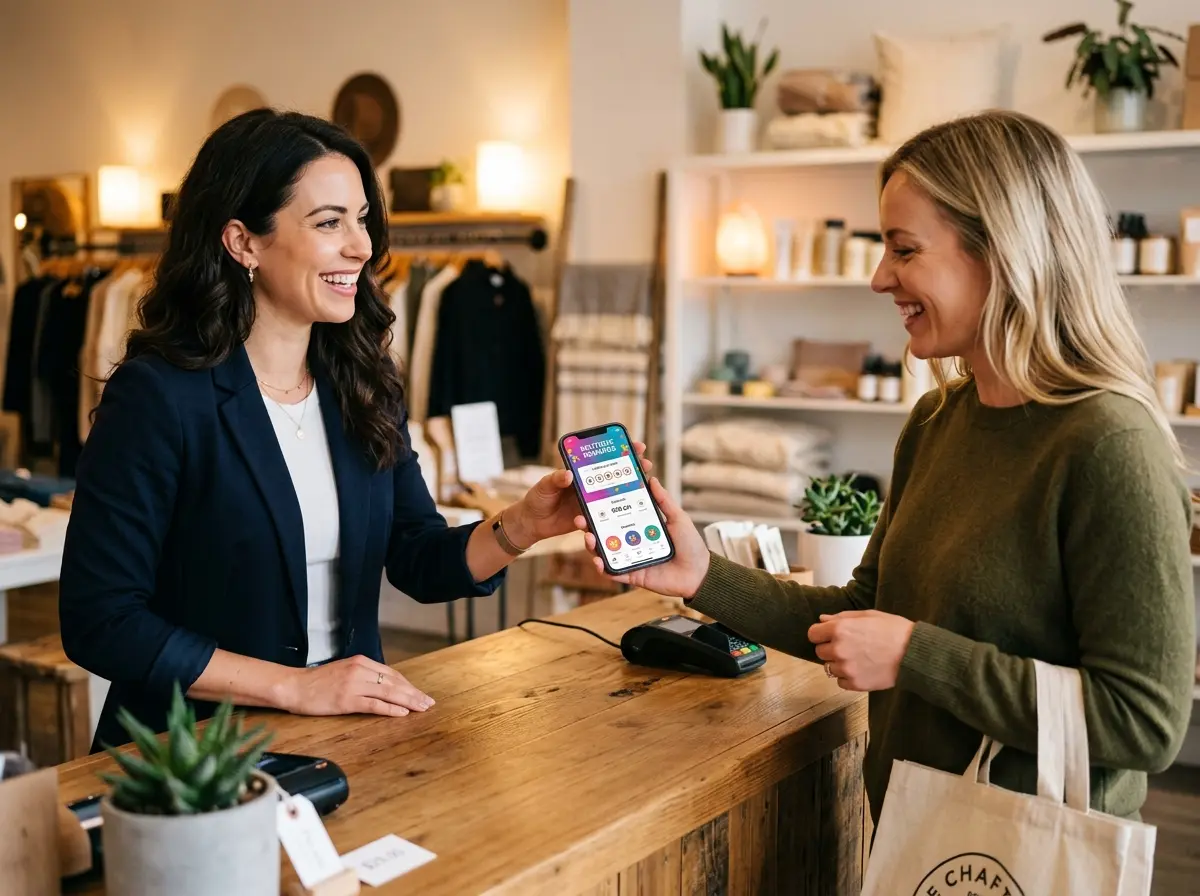
Set up a simple email sign-up at checkout — either on a tablet, via a QR code, or through an AI-powered kiosk. Offer a small incentive: "Sign up for our email list and get 10% off your next purchase." You'd be surprised how many people take you up on it when the ask is simple and the reward is immediate. These new contacts become your retargeting audience for the next sale, the next product launch, and every email campaign in between. A single sidewalk sale could add dozens of qualified local contacts to your list — contacts that have already demonstrated they're willing to spend money with you.
Follow Up Before the Momentum Fades
The sale ends, you collapse into a chair, and it's tempting to call it a win and move on. Resist that temptation. Within 24–48 hours of your event, send a follow-up email to everyone who signed up or purchased. Thank them for coming, share a recap of any highlights, and give them a reason to come back — a short-term bonus offer, a sneak peek at upcoming inventory, or simply a warm "we'd love to see you again" message. Customer retention starts the moment the transaction ends.
Quick Reminder About Stella
Stella is an AI robot employee and phone receptionist designed to help businesses of all kinds — retail, restaurants, salons, service providers, and more — deliver a consistent, professional customer experience without burning out their human staff. She greets in-store customers, answers questions, promotes deals, and handles phone calls 24/7, all for just $99/month with no upfront hardware costs. Whether it's a packed sidewalk sale or a regular Tuesday afternoon, she's always ready to work — no sunscreen required.
Your Summer Sale Success Starts Now
A profitable sidewalk sale doesn't happen by accident. It happens because a business owner decided to treat it like the real revenue opportunity it is — planned it properly, promoted it early and often, built a display worth stopping for, kept the energy up all day, and followed up with the new customers it brought through the door. That's the formula, and it works every time.
Here's your action plan to get started:
- Pick your date — aim for a weekend with favorable weather forecasts and minimal local competition for attention.
- Set your goal — revenue target, units moved, or new customers acquired. Pick one primary metric and own it.
- Audit your inventory — identify what's being discounted, at what tiers, and what you want to keep at full price inside.
- Build your promotional timeline — start at least three weeks out and schedule your content in advance so it actually happens.
- Plan your setup — think visual merchandising, signage, flow, and what small touches will make your event memorable.
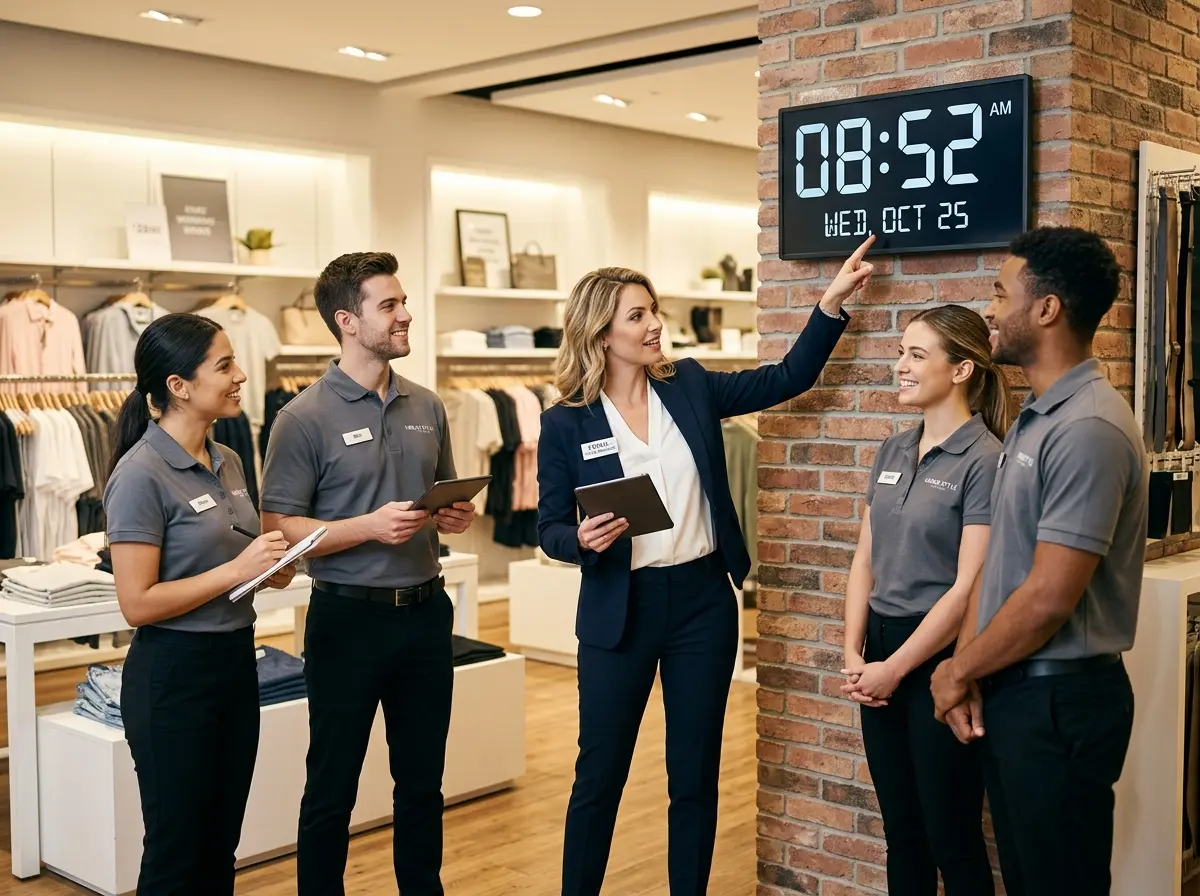
- Prepare your team — brief your staff on the day's goals, the discount structure, and how to handle the inevitable surge in questions and phone calls.
- Follow up — collect customer information during the event and send a follow-up within 48 hours.
Summer doesn't last forever, but the customers you win this season absolutely can. Get out there, set up those tables, and make some noise — your neighborhood is waiting.