Introduction: Because Paper Punch Cards Deserve Better
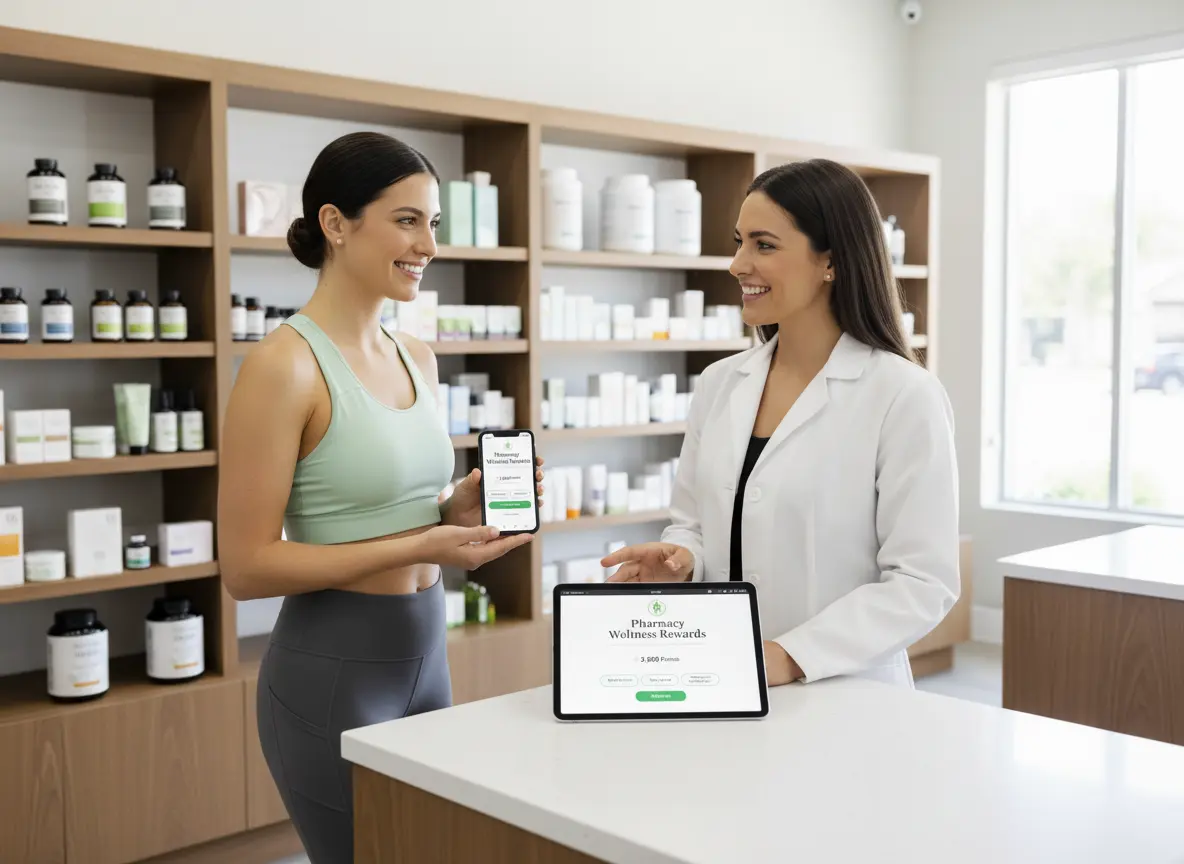
Let's be honest. Somewhere in your wallet right now — or buried in a junk drawer at home — is a half-stamped paper punch card from a coffee shop you visited twice in 2019. Loyalty programs have been around forever, and for good reason: repeat customers spend, on average, 67% more than new ones. But the classic paper punch card? It's getting a little long in the tooth.
The good news is that you don't need to drop thousands of dollars on a fully baked loyalty app to give your customers a reason to keep coming back. Between dedicated loyalty platforms, point-of-sale integrations, and some surprisingly clever low-tech solutions, small retailers have more options than ever to build genuine customer loyalty — without hiring a software development team or remortgaging the shop.
This post walks you through practical, affordable alternatives to traditional loyalty apps, how to pick the right approach for your business, and how to actually use these tools to drive repeat visits rather than just collect digital dust.
Understanding Your Loyalty Program Options
Dedicated Loyalty Platforms: The Heavy Hitters
Platforms like Stamp Me, Belly, Fivestars, and LoyaltyLion are purpose-built to replace that sad paper punch card with something customers will actually remember to use. Most of these tools offer digital stamp cards, points-based systems, tiered rewards, and automated marketing integrations — all manageable from a dashboard that won't make your eyes bleed.
For small retailers, the sweet spot is usually a platform with a free or low-cost entry tier, SMS or email marketing built in, and a simple customer-facing interface. Fivestars, for example, is known for its small business focus and automatically sends targeted promotions to lapsed customers — which means less manual marketing work for you. If you run a boutique, bookshop, or specialty food store, this kind of automated re-engagement can quietly work in the background while you focus on, you know, actually running the store.
Point-of-Sale Integrations: Loyalty Without the Extra Login
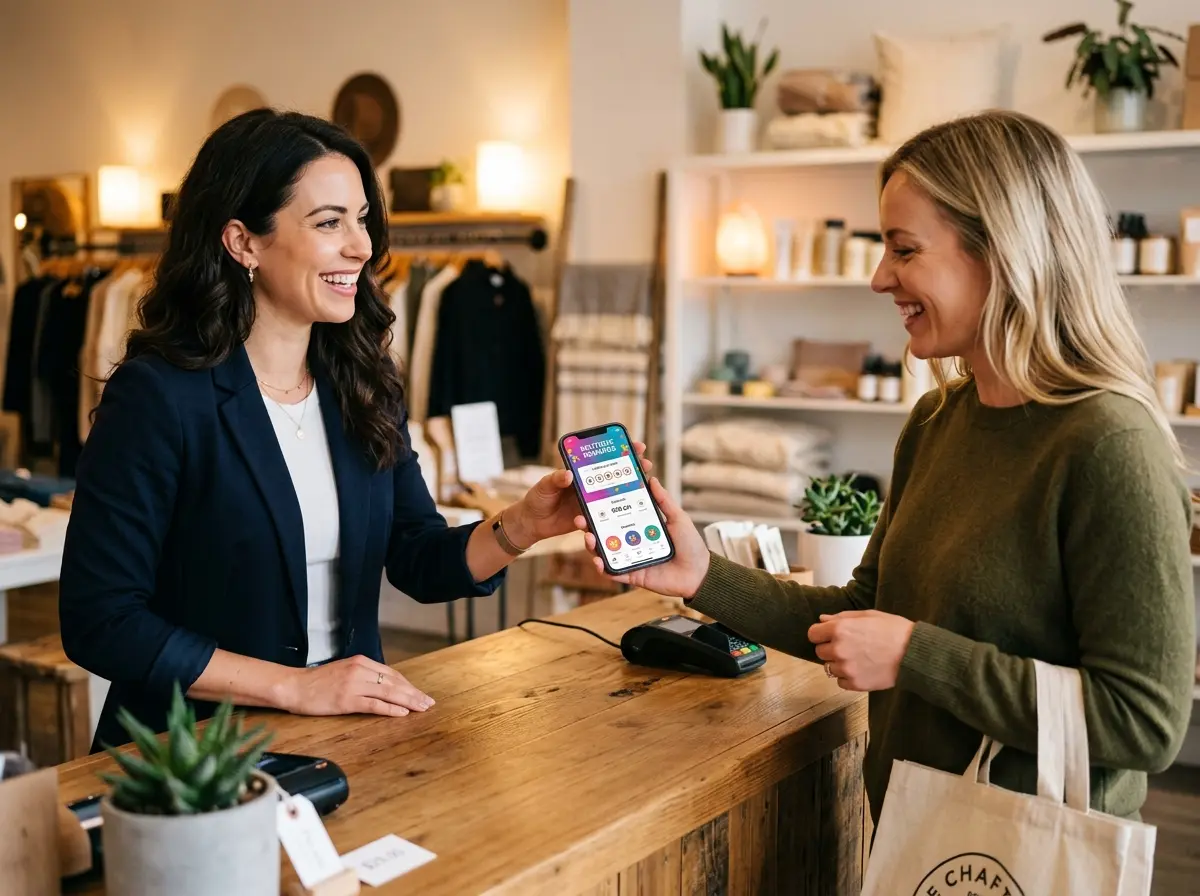
If you're already using Square, Lightspeed, Clover, or Shopify POS, you may be sitting on loyalty features you haven't activated yet. Square Loyalty, for instance, bolts directly onto your existing Square setup and tracks points automatically at checkout — no separate app, no extra hardware, and no training your staff to explain a completely new system to every customer at the register.
The biggest advantage here is friction reduction. Customers don't need to download anything. They sign up with a phone number at checkout, and the system does the rest. For a small retailer with a busy counter and limited staff patience, this seamless approach can dramatically improve sign-up rates compared to asking customers to scan a QR code, download an app, create an account, verify their email, and — oh, they've left.
Email and SMS-Based Loyalty: Simple, Scrappy, and Effective
Not every loyalty program needs to be a sophisticated points engine. Sometimes a well-timed email saying "You've been with us for a year — here's 20% off just for you" is more powerful than any gamified reward system. Tools like Mailchimp, Klaviyo, or Postscript let you segment your customer list and send personalized offers based on purchase history, visit frequency, or even birthday data.
This approach works especially well for retailers who already have a customer email list but haven't done much with it. If your list is just sitting there collecting virtual cobwebs, a simple email-based loyalty campaign — "Spend $100 this month, get a $15 credit" — can drive immediate results without any new software investment. Pair it with an SMS tool for a one-two punch that reaches customers wherever they actually are.
How Stella Can Help You Capture and Keep Customer Data
Turning Walk-Ins and Phone Calls Into Loyalty Opportunities
Here's the quiet killer of most loyalty programs: data collection is a pain. You have to train staff to ask for sign-ups, customers are rushed, and the whole thing falls apart during a busy Saturday afternoon. That's where Stella, the AI robot employee and phone receptionist, steps in to make this embarrassingly easy.
In-store, Stella's kiosk presence means she can greet customers, introduce your current promotions, and collect their contact information through a natural, conversational interface — without pulling your staff away from the register or the fitting room. She handles the awkward "can I get your email for our loyalty program?" moment so your employees don't have to.
On the phone side, Stella answers calls 24/7 and can gather customer information through AI-powered intake forms during the conversation, feeding everything directly into her built-in CRM. That CRM supports custom fields, tags, notes, and AI-generated customer profiles — meaning your loyalty data and customer history actually live somewhere useful, rather than scattered across a sticky note and three spreadsheets.
Making Your Loyalty Program Actually Work
Design Rewards That People Actually Want
This sounds obvious, but you'd be amazed how many loyalty programs offer rewards that customers couldn't care less about. A free keychain after 500 purchases is not going to move the needle. The most effective loyalty rewards share a few characteristics: they're attainable within a reasonable timeframe, they feel genuinely valuable, and they're relevant to why customers shop with you in the first place.
For a small retailer, this might mean a free item from a specific product category, early access to new arrivals, a meaningful discount on a high-margin product, or even a VIP in-store experience. Tiered programs — where spending more unlocks better perks — work particularly well because they give customers a reason to consolidate their spending with you rather than splitting it between you and a competitor. Think of it as the "almost at Silver status" psychology that airline loyalty programs have exploited for decades, now available to your little candle shop.
Promote the Program Without Being Annoying About It
A loyalty program no one knows about is just an expensive hobby. Promotion has to happen consistently, but it doesn't have to feel like you're begging. At the point of sale — whether physical or online — make enrollment frictionless and obvious. A simple counter card, a line in your email footer, a mention in your Instagram bio, and a note on your receipts go a long way.
Train your staff to mention it naturally: "Do you have our rewards account set up? You'd actually earn points on this purchase." That's it. No script, no pressure, no cringe. And for phone customers, an automated mention of your loyalty program during the call or in a follow-up message can capture people who otherwise never would have known it existed.
Measure What Matters and Adjust Without Drama
Loyalty programs live and die by their data. At minimum, you should be tracking enrollment rate, redemption rate, and the average spend of loyalty members vs. non-members. If your redemption rate is very low, rewards might be too hard to earn or not worth redeeming. If enrollment is sluggish, your sign-up process has too much friction.
Most platforms give you a dashboard that makes this analysis relatively painless. Review your numbers quarterly, make small adjustments, and resist the urge to overhaul the entire program every six months. Consistency matters here — customers need time to build the habit of engaging with your program before you start tinkering with the rules.
Quick Reminder About Stella
Stella is an AI robot employee and phone receptionist built for businesses of all sizes — she stands in your store as a human-sized kiosk, greets and engages customers, promotes your deals, and answers questions without interrupting your staff. She also answers phone calls 24/7 with the same business knowledge she uses in person. At $99/month with no upfront hardware costs, she's one of the more refreshingly affordable ways to add a consistent, professional presence to your business.
Conclusion: Start Small, Stay Consistent, and Reward People Who Deserve It
You don't need a million-dollar app to run a loyalty program that actually builds customer retention. What you need is the right tool for your business size and customer base, a reward structure people genuinely want, and a data collection process that doesn't rely entirely on your staff remembering to ask at the exact right moment.
Here's a practical action plan to get started:
- Audit what you already have. Check whether your existing POS system has a loyalty feature you haven't activated. Free money, essentially.
- Pick one platform and commit to it for at least six months. Try Fivestars, Square Loyalty, or an email-based approach depending on your setup and budget.
- Design two or three meaningful rewards — something attainable within 30–60 days for a regular customer.
- Build your data collection into every touchpoint — in-store signage, phone calls, receipts, and your website.
- Review your metrics quarterly and make small, deliberate adjustments rather than scrapping the whole thing in frustration.
The customers who keep coming back are your most valuable asset — more valuable, in fact, than any single new customer you'll ever acquire through paid advertising. Building a loyalty program doesn't have to be complicated or expensive. It just has to be consistent, relevant, and a little bit better than that coffee shop punch card that's still in your wallet.