Introduction: The Price Objection Nobody Talks About Honestly
You've been there. You climb down from a roof, look a homeowner in the eye, and hand them a quote that's fair, professional, and reflects the actual cost of doing the job right. Then comes the pause. The squint. The dreaded phrase: "That's a lot more than we were expecting." Suddenly, you're not a skilled roofing contractor — you're a used car salesman defending a sticker price.
Here's the thing: the problem usually isn't your price. It's the perceived barrier to payment. Most homeowners aren't sitting on a pile of cash earmarked for roof replacement. A $12,000 roof feels very different from $199 a month — even if the math works out the same. And that gap in perception is exactly where financing offers can do the heavy lifting for you.
This guide is for roofers who are tired of discounting their way to profitability (spoiler: there is no profitability that way) and want a smarter, more strategic approach to closing jobs at full price. Financing isn't just a payment option — it's a sales tool, a trust signal, and a competitive advantage. Let's dig in.
Understanding Why Financing Changes the Conversation
The Psychology of Monthly Payments
Humans are wired to think in terms of immediate pain versus future benefit. Writing a $15,000 check today feels like getting punched in the wallet. But agreeing to a manageable monthly payment? That feels like a reasonable decision made by a responsible adult. Financing reframes your quote from a lump-sum gut-punch into a structured, digestible commitment — and that shift in framing can be the difference between a signed contract and a homeowner calling three more roofers "just to compare."
Research consistently shows that consumers are more likely to purchase — and purchase at higher price points — when financing is available at the point of sale. The home improvement industry in particular benefits enormously from this dynamic, because roofing is rarely a planned purchase. Nobody budgets for a roof until the ceiling starts dripping. Offering financing turns an emergency expense into a manageable monthly line item, and that transforms your close rate in a very real way.
Financing as a Full-Price Protection Strategy
Here's where the sarcasm kicks in just a little: discounting your services to win jobs is a fantastic strategy if your goal is to work harder for less money. Not exactly the dream, right? Financing gives you an alternative lever to pull when a customer pushes back on price. Instead of shaving $500 off your quote to make the homeowner feel better, you can offer them a monthly payment structure that makes the full price feel approachable. You protect your margin, you win the job, and everybody goes home happy — especially you.
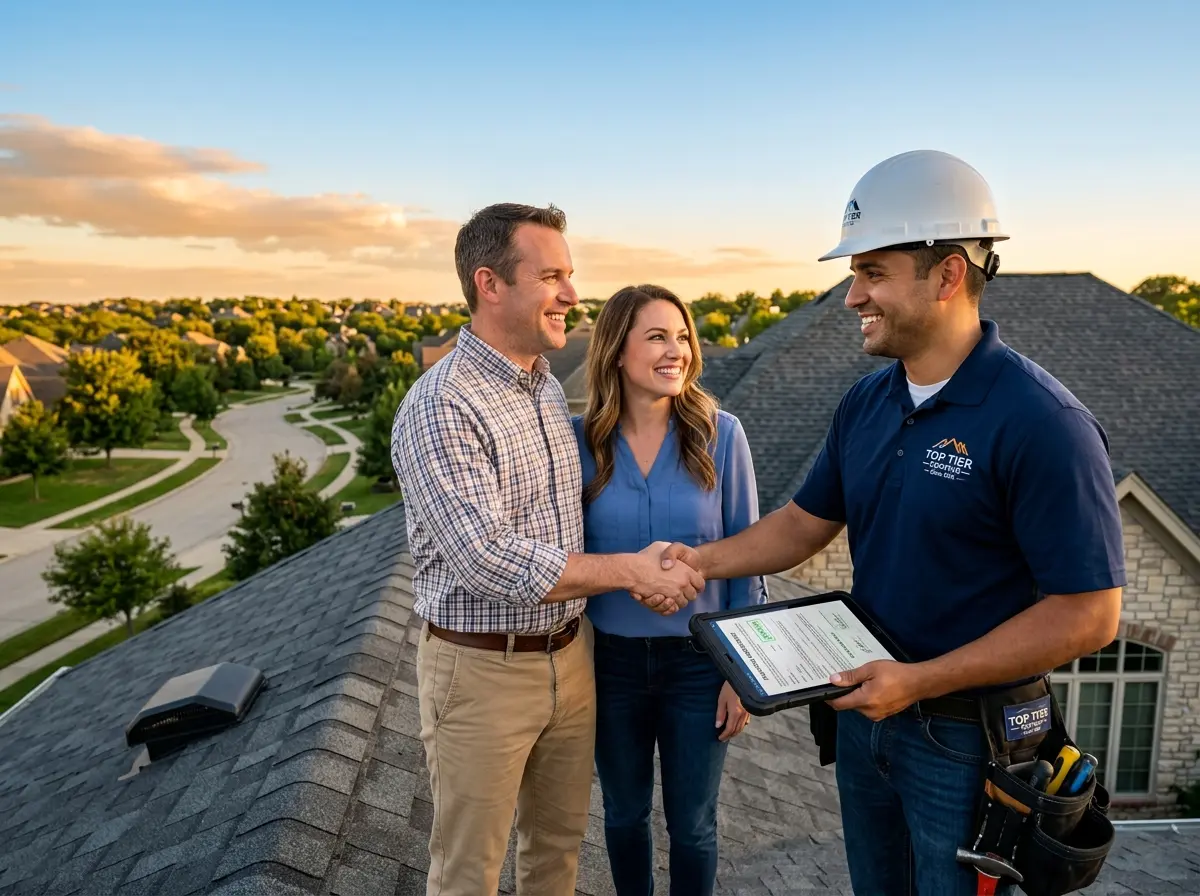
Consider this scenario: a homeowner balks at your $14,000 quote. You could drop it to $12,500 and absorb the loss, or you could say, "We offer financing with approved credit — would it help to look at what this looks like as a monthly payment?" More often than not, that question resets the entire conversation. The number on the page stops being the focus, and the feasibility of moving forward becomes the focus instead.
Which Financing Partners and Products Actually Work for Roofers
Not all financing products are created equal, and as a roofer, you have options that are specifically designed for home improvement contractors. Companies like GreenSky, Hearth, Service Finance Company, and Foundation Finance specialize in contractor financing and offer dealer programs that let you offer financing directly to your customers at the point of sale — often with instant decisions and simple paperwork.
When evaluating a financing partner, look for a few key things: a fast approval process (nobody wants to wait three days to find out if they qualify), a range of loan products (some customers want 12-month same-as-cash, others want a 7-year term), and transparent dealer fees so you can factor those into your pricing model. Some roofers absorb the dealer fee as a cost of doing business; others build it into their standard pricing. Either approach is valid — just be intentional about it.
How to Present Financing Without Feeling Like a Finance Bro
Introducing Financing Early and Naturally
The biggest mistake contractors make with financing is treating it like a last resort — something you mention only after the customer has already said no to the full price. That approach positions financing as a consolation prize, which undercuts its effectiveness. Instead, introduce your financing options early in the sales conversation, ideally during your initial estimate presentation.
Something as simple as, "We work with several financing partners, so if you'd like to spread this out over time rather than paying all at once, we can absolutely make that happen," normalizes the option before it becomes a negotiation tactic. You're not pulling it out of your back pocket to save a failing deal — you're presenting it as a standard feature of doing business with your company. That's a completely different posture, and customers respond to it differently.
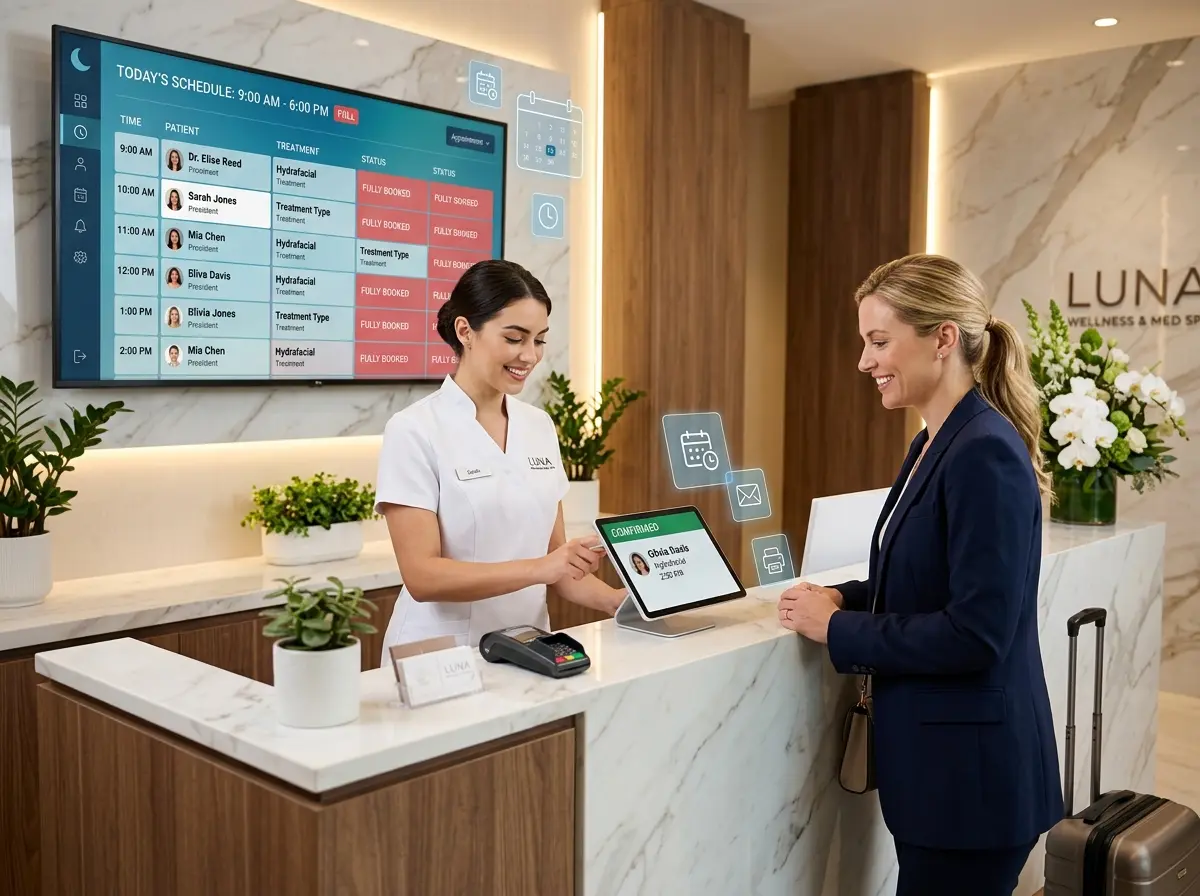
Consider how Stella, the AI robot receptionist and kiosk solution, can actually support this process for roofing businesses that operate a showroom or office location. She can proactively mention financing availability to walk-in customers and answer incoming calls around the clock — so when a homeowner calls at 9 PM after discovering a leak, they hear about your financing options right away, not just your voicemail greeting. Stella's built-in CRM and conversational intake forms also make it easy to capture lead information and tag prospects by financing interest, so your sales team walks into every follow-up already knowing where the conversation stands.
Structuring Your Offers to Maximize Conversions
Same-as-Cash vs. Long-Term Installment: Knowing Which to Lead With
Different customers respond to different financing structures, and knowing which to present first is a small skill that pays real dividends. Same-as-cash offers — typically 12 or 18 months with no interest if paid in full — appeal to customers who have the financial capacity to pay but prefer to keep cash liquid. These customers are often less price-sensitive and simply appreciate flexibility. Presenting a same-as-cash option to this type of buyer can close the deal faster than any discount you could offer.
Long-term installment plans, on the other hand, are your tool for customers with tighter budgets. A 7- or 10-year term at a reasonable interest rate can bring a $15,000 roof down to under $200 a month — a figure that competes favorably with a car payment and is far more palatable than a five-figure lump sum. Lead with the monthly payment figure when you sense budget sensitivity, and let the customer anchor to that number rather than the total project cost.
Creating Urgency Without Being That Guy
Urgency is a legitimate and ethical sales tool when it's real — and in roofing, it often is. Damaged roofs don't improve with time, storm seasons are predictable, and your calendar fills up. The mistake is manufacturing fake urgency, which customers can smell from a mile away and which erodes trust instantly.
Instead, tie your financing offers to genuine time-sensitive factors. Promotional financing rates from your lending partner may have expiration dates — use those. Your schedule availability has real constraints — mention them honestly. If a customer's roof sustained storm damage, remind them that delays can result in additional interior damage that their homeowner's insurance may not cover. Real urgency, delivered calmly and factually, closes jobs. Manufactured pressure closes doors.
Training Your Team to Talk About Financing Confidently
If your sales team is uncomfortable talking about financing, customers will feel it. Confidence in presenting financial options comes from familiarity, so invest some time in role-playing common financing conversations with your crew. Walk through how to introduce financing options early, how to present monthly payment figures, and how to handle common questions like "What's the interest rate?" or "Will this affect my credit score?"
Make sure everyone who quotes jobs knows your financing partners, the general terms available, and the application process. The goal is for financing to feel like a natural, well-understood part of your service offering — not a foreign concept your estimator fumbles through while reading from a brochure. A well-prepared team closes more jobs at full price, full stop.
Quick Reminder About Stella
Stella is an AI robot employee and phone receptionist that works 24/7 for roofing businesses — answering calls, promoting financing options, capturing lead information, and managing customer contacts through her built-in CRM. At just $99/month with no upfront hardware costs, she's the kind of team member who never calls in sick and never forgets to mention your current promotions. Whether you operate a physical office or run your business on the go, Stella handles the front-line customer experience so your human team can focus on closing deals and doing great work.
Conclusion: Stop Discounting, Start Financing
The roofing industry is competitive, margins are tight, and homeowners are increasingly price-aware. Discounting might feel like the path of least resistance, but it's a slow leak in your business model — one that gets worse over time. Financing offers give you a legitimate, professional, and surprisingly powerful alternative that protects your pricing, wins more jobs, and actually improves customer satisfaction because it makes the purchase more accessible.
Here are your actionable next steps to get started:
- Research contractor financing partners in your area — GreenSky, Hearth, and Foundation Finance are solid starting points. Compare dealer fees, approval rates, and available loan products.
- Build financing into your standard estimate presentation so it's introduced early, not as a fallback when negotiations get sticky.
- Train your team to present monthly payment figures alongside total project costs, and to answer common financing questions with confidence.
- Track your close rate before and after you implement a financing offer strategy. The data will speak for itself within a few months.
- Automate your customer touchpoints — including financing promotion — so that every call, every inquiry, and every walk-in hears about your financing options without relying on a human to remember to mention it every time.
Your craftsmanship deserves to be priced appropriately. Financing is the tool that makes the right price feel like the right decision — for your customers and for your bottom line. Now get out there and close some full-price jobs.