The Art of the Ask: Why Most Servers Leave Money on the Table
Picture this: A table of four sits down, ready to enjoy their evening out. The server rattles off the specials like they're reading terms and conditions, drops the menus, and disappears. The table orders water and the cheapest pasta. The server sighs internally. The restaurant owner sighs externally. Everyone goes home slightly disappointed.
It didn't have to be that way.
Upselling in a restaurant setting is one of those skills that sounds simple in theory and somehow manages to go wrong in practice on a daily basis. Done well, it increases your average check size, improves the guest experience, and makes your servers more money in tips. Done poorly, it makes customers feel like they wandered into a timeshare presentation instead of a nice dinner. The difference between the two is almost entirely in the how.
According to research from the National Restaurant Association, a server who consistently upsells can increase a restaurant's revenue by as much as 30% without adding a single new customer. That's not a rounding error — that's a real number that shows up in your margins. So let's talk about how to actually make it happen, without making your guests want to hide behind their menus.
The Fundamentals of Upselling That Don't Make People Cringe
Know the Menu Like You Mean It
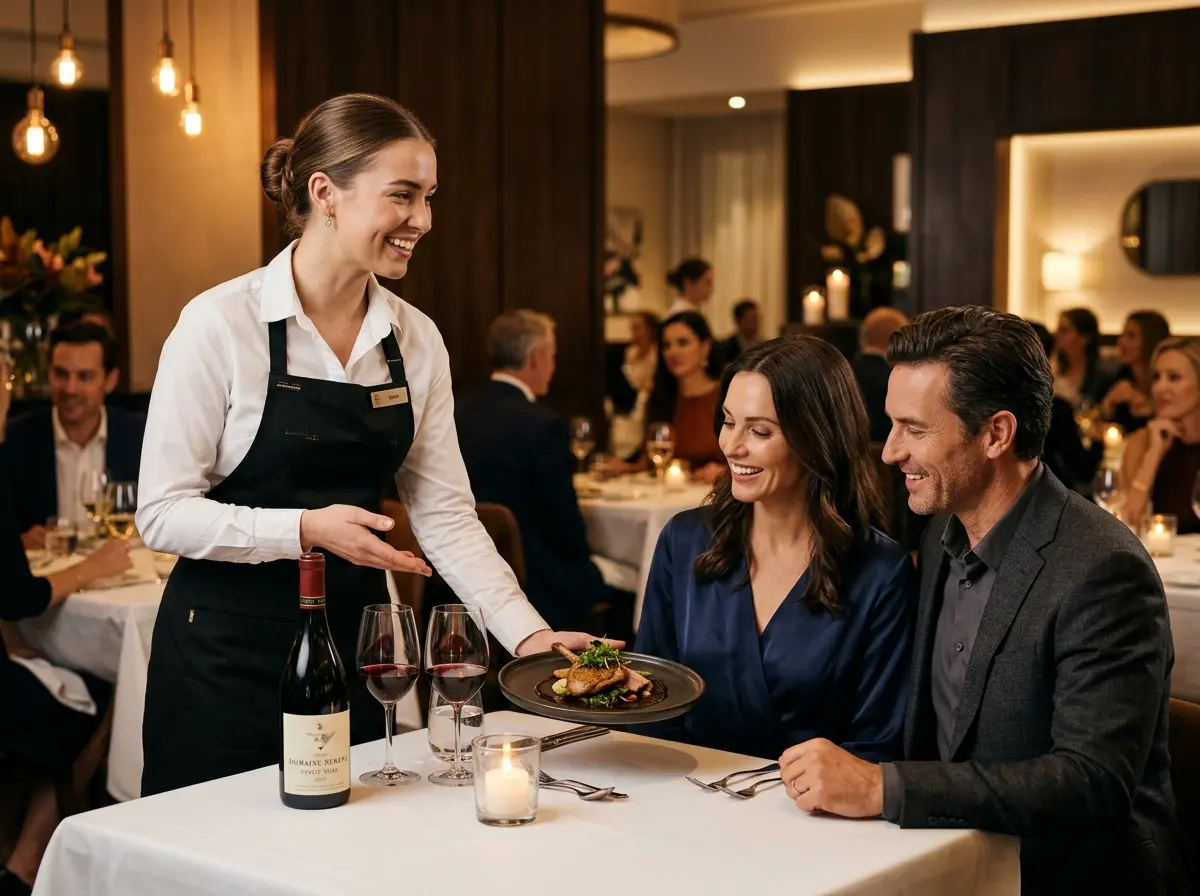
You cannot sell what you do not understand, and you definitely cannot sell it with enthusiasm if you've never tasted it. The single most effective thing a restaurant can do to improve upselling is invest time in genuine menu education. This means tastings, not just laminated cheat sheets. When a server says, "The mushroom risotto is honestly one of my favorites — it's earthy and rich without being too heavy," that lands differently than "The risotto is good."
Train your team to know the stories behind dishes. Where did the concept come from? What makes an ingredient special? Why does the chef do something a particular way? Guests don't just eat food — they eat experiences. A server who can speak to a dish with genuine knowledge and enthusiasm becomes a trusted guide rather than a salesperson, and that's the sweet spot where upselling stops feeling like upselling.
Timing Is Everything — Seriously, Everything
Recommending a dessert while a guest still has half their entrée in front of them is a classic rookie move. So is pitching a bottle of wine after someone has already ordered cocktails and settled in. Upselling has a natural rhythm, and learning to read it is what separates a good server from a great one.
Here's a practical framework to share with your team:
- On arrival: Welcome warmly, mention a signature cocktail or a drink special. Keep it casual and conversational.
- Before ordering: Highlight one or two appetizers or shareable starters — not the entire menu. Specificity sells.
- During the meal: Check in naturally. If a wine is pairing well, mention it. If the bread basket is empty, offer more.
- After entrées: This is the window for desserts and after-dinner drinks. Don't lead with "Did you save room for dessert?" — that question is a trap. Lead with the item: "We just got our pastry chef's chocolate torte on the menu this week — it's incredible."
Use Suggestive Language, Not Pushy Language
There's a meaningful difference between "Would you like to add a salad?" and "The heirloom tomato salad is a great way to start — the dressing is made in-house and people go crazy for it." The first is forgettable. The second is an invitation. Train your team to make specific, enthusiastic recommendations rather than open-ended questions that practically beg for a "no."
Equally important: teach your servers when to back off. If a guest declines a suggestion once, that's a full stop. No second pitch, no guilt trips, no lingering glances at the dessert menu. Respecting the "no" builds trust, and a guest who feels respected is more likely to return — and to spend more on that return visit.
How Technology Can Take Some of the Pressure Off Your Team
Let the Right Tools Handle the Heavy Lifting
Upselling isn't only a tableside skill — it also happens before a guest ever sits down. Think about your phone interactions. Someone calls to make a reservation, and whoever answers is either creating a warm, informed impression or just... taking a name and hanging up. That's a missed opportunity happening multiple times a day, often because your host stand is juggling three things at once and the phone is the lowest priority in the moment.
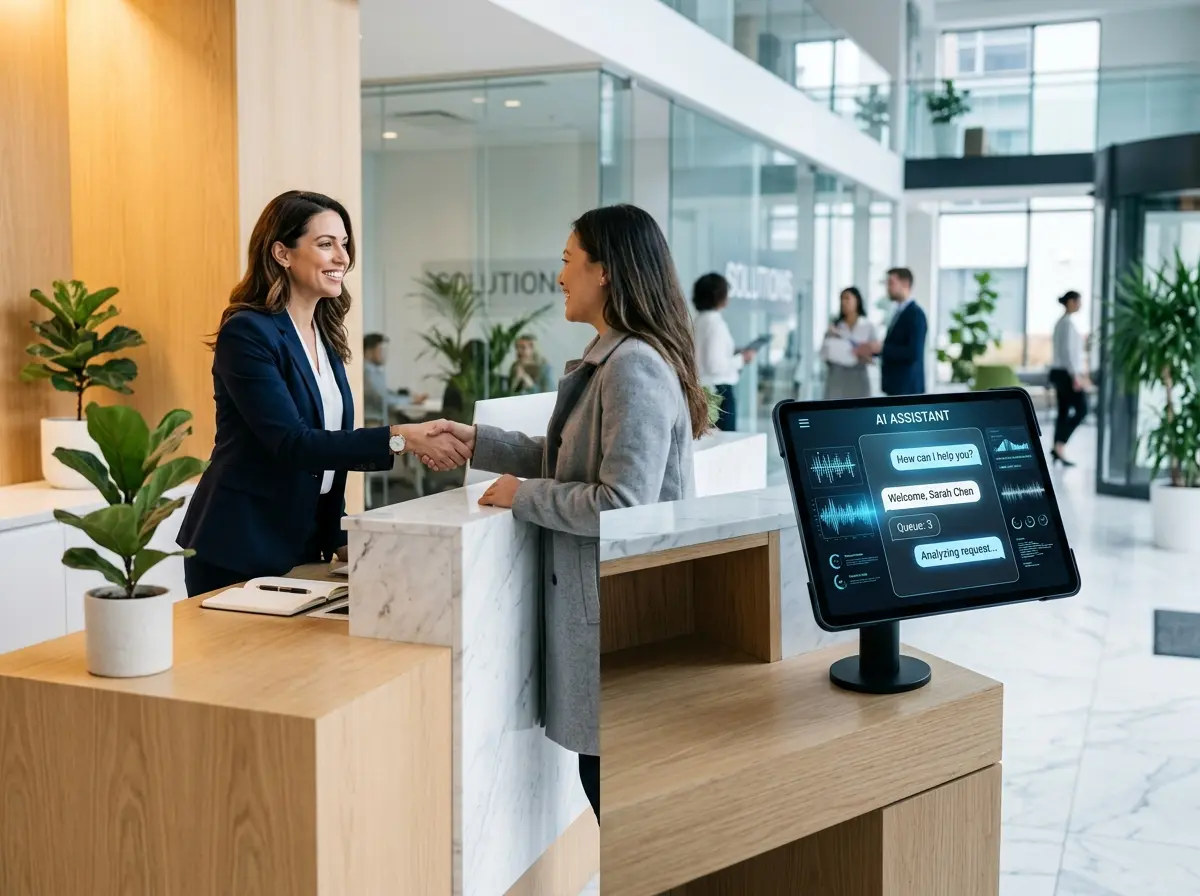
This is where Stella — an AI robot employee and phone receptionist — becomes genuinely useful for restaurants. Stella can answer calls 24/7, mention current specials and promotions, and give callers a consistent, knowledgeable experience every single time. For restaurants with a physical location, she also operates as an in-store kiosk, greeting guests who walk in and engaging them proactively about what's on offer before they've even looked at a menu. It's the restaurant equivalent of having a really well-prepared host who never calls in sick, never gets overwhelmed during a Saturday rush, and always remembers to mention tonight's featured cocktail.
Training Your Team to Upsell Without Hating Themselves
Make It a Culture, Not a Quota
The fastest way to turn upselling into an awkward, transactional experience is to attach it to a quota or a competition that rewards the wrong behaviors. When servers feel pressured to hit numbers, they rush recommendations, they interrupt natural conversation, and they stop listening to guests. None of that serves anyone.
Instead, frame upselling as hospitality. The best servers in the world will tell you they aren't "selling" anything — they're making sure guests don't miss out on something great. That reframe matters. When your team genuinely believes that a recommendation is in the guest's best interest, the energy behind that recommendation changes completely. Build a culture where sharing enthusiasm about food is celebrated, not just checking boxes on a suggestive selling list.
Role-Play and Real Feedback
Training sessions are where good upselling habits get built, and they don't have to be painful. Short, regular role-play exercises — even ten minutes before a shift — can do wonders. Pair servers up, let them practice recommending items to each other, and give real feedback. What landed? What felt forced? What would you actually respond to as a guest?
Also consider mystery dining or periodic table feedback reviews. Guests will often tell you exactly how their experience felt if you give them a structured way to share it. That data is gold for refining how your team approaches the table.
Incentivize the Right Way
If you do want to use incentives — and they can work — tie them to guest satisfaction scores alongside revenue metrics. A server who increases their average check by pushing unwanted items and annoys every table in the process is not winning. A server who genuinely elevates the dining experience and happens to sell more as a result? That's the behavior worth rewarding. Consider small bonuses tied to positive feedback, not just ticket averages.
Quick Reminder About Stella
Stella is an AI robot employee and phone receptionist built for businesses of all kinds — including restaurants. She greets guests in-store, answers phone calls around the clock, promotes specials and deals, and gives every customer a consistent, professional experience from the very first interaction. At just $99 per month with no hardware costs, she's the kind of reliable team member who never needs a shift covered.
The Bottom Line: Good Upselling Is Just Good Hospitality
If there's one thing to take away from all of this, it's that upselling and guest experience are not opposites — they're the same thing when done right. A server who is knowledgeable, enthusiastic, well-timed, and genuinely interested in making a guest's meal better will sell more. Full stop. Not because they're running a script, but because people respond to authenticity and expertise.
Here's what you can do starting this week:
- Schedule a menu tasting for your front-of-house staff. Make it a regular practice, not a one-time event.
- Review your training materials and replace generic "would you like to add" language with specific, enthusiastic suggestion frameworks.
- Audit your phone interactions. Call your own restaurant during a busy period and see what the experience actually sounds like.
- Celebrate the right behaviors in your team meetings — highlight examples of great recommendations that enhanced a guest's experience.
Upselling doesn't have to feel like a used car lot with better bread. With the right training, the right culture, and the right tools supporting your team, it becomes the most natural thing in the room. And your bottom line will notice.