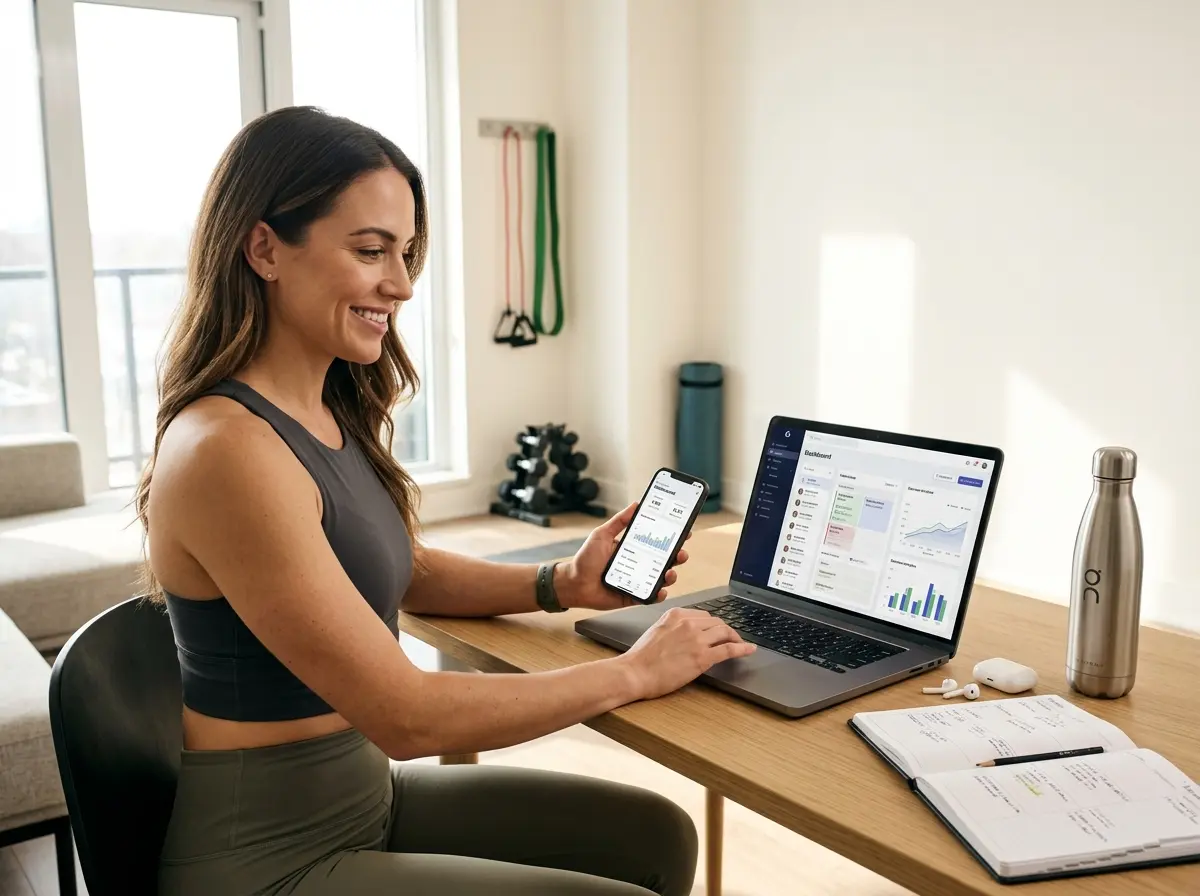
From Side Hustle to Six Figures: One Trainer's Story of Ditching the Overhead
Let's paint a picture: You're a personal trainer. You're great at what you do. Your clients get results, they refer their friends, and your reputation is growing. And yet somehow, the idea of "scaling your business" seems to require signing a lease for a facility you can't afford, hiring staff you don't need yet, and spending more time managing a building than actually training anyone. Sounds fun, right?
Meet Marcus. He's a certified personal trainer who built a thriving six-figure fitness business without a single square foot of commercial real estate to his name. No gym lease. No storefront. No receptionist desk collecting dust. Just smart systems, a loyal client base, and the discipline to run his business the same way he coaches his clients — lean, intentional, and efficient.
Whether you're a fitness professional or a solopreneur in any industry, Marcus's playbook is worth studying. Because the real secret to building a scalable service business has less to do with a physical address and everything to do with how you structure your time, your systems, and your client experience.
The Business Model That Actually Works
Going Where the Clients Are (Instead of Hoping They Come to You)
Marcus started by rejecting the "build it and they will come" fantasy. Instead of betting on foot traffic, he built his business around mobile personal training — meeting clients at their homes, local parks, and community fitness spaces. His overhead? A reliable vehicle, quality portable equipment, and a professional online presence. That's it.
This model isn't unique to fitness. Service providers across industries — from tutors to consultants to massage therapists — have discovered that removing the physical location from the equation doesn't shrink the business. It frees it. Without rent eating 20–30% of revenue, margins improve dramatically. Marcus reinvested that money into marketing, certifications, and client retention tools that actually moved the needle.
Packaging Services for Predictable Revenue
One of the smartest moves Marcus made early on was shifting away from selling individual sessions. Instead, he created tiered training packages — a 12-session foundation package, a 6-month transformation program, and a premium VIP coaching tier with nutrition planning and weekly check-ins. Clients paid upfront or on monthly retainers, giving Marcus predictable cash flow instead of the feast-or-famine cycle that burns out most solo trainers.
The numbers back this up. According to industry data, fitness professionals who sell packages rather than single sessions report 40–60% higher annual revenue. More importantly, they report significantly less stress. When you know what's coming in next month, you can focus on delivering great service instead of constantly hustling for the next booking.
Building an Online Revenue Stream
Marcus didn't stop at in-person training. He launched an online coaching program for clients who couldn't train with him locally, offering personalized workout plans, video check-ins, and a private community for accountability. This digital layer scaled his income without scaling his hours — the dream of every service business owner.
He used simple tools: a basic website, an online scheduling platform, and a payment processor. No custom software. No $50,000 app development budget. Just accessible, affordable tools stitched together into a system that worked. His online program now accounts for roughly 35% of his total revenue, and it runs largely on autopilot between client touchpoints.
Running a Professional Operation Without a Full-Time Staff
Automating the Client Experience From First Contact to Booking
Here's where a lot of solo business owners quietly fall apart: the phones. Marcus is a trainer, not a receptionist. But potential clients don't care about that — they call, they expect someone to answer, and if they get voicemail, there's a very good chance they're calling the next trainer on the list before the beep finishes.
Marcus solved this with Stella, an AI robot employee and phone receptionist that handles incoming calls 24/7 with the same knowledge and professionalism as a trained human receptionist. Stella answers calls, answers questions about his services and pricing, collects new client information through conversational intake forms, and sends him AI-generated summaries of every interaction. No missed calls. No dropped leads. No awkward "sorry I was with a client" voicemails that go unreturned for three days.
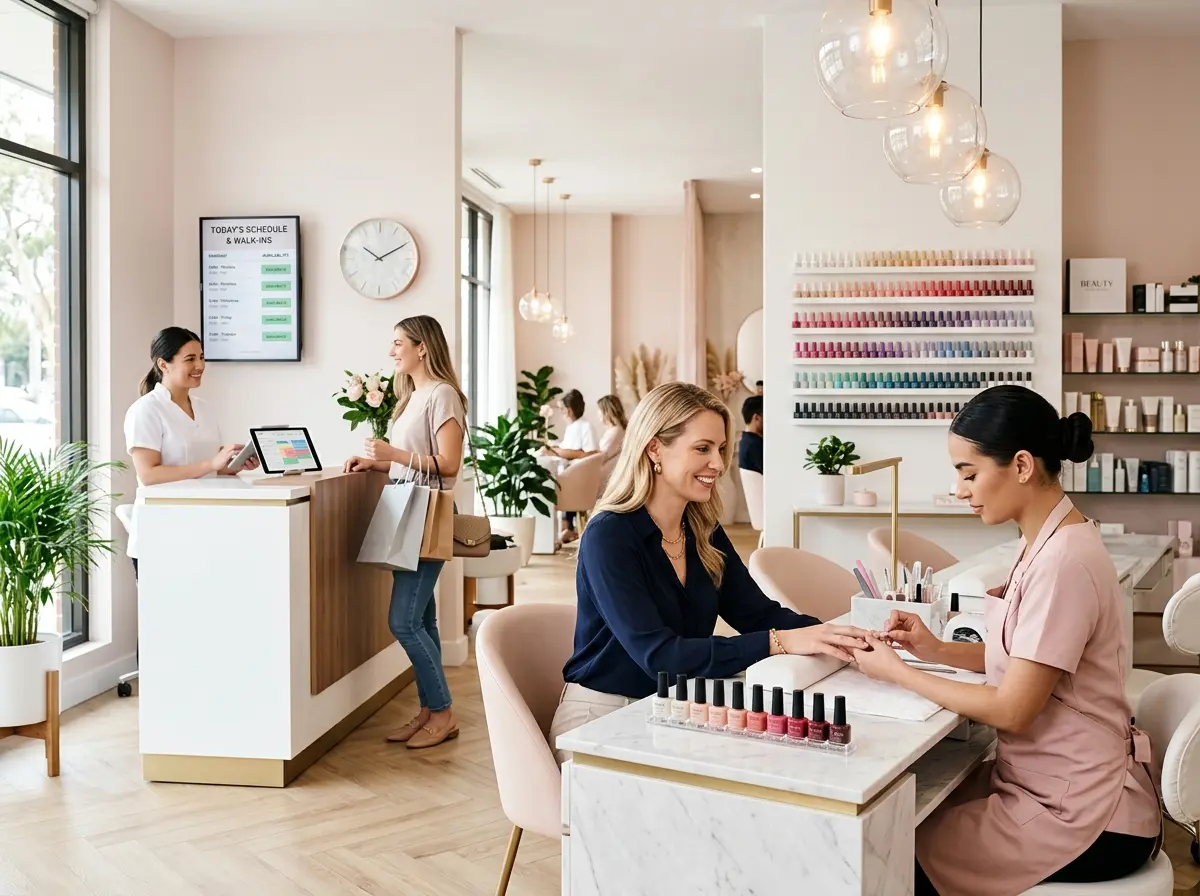
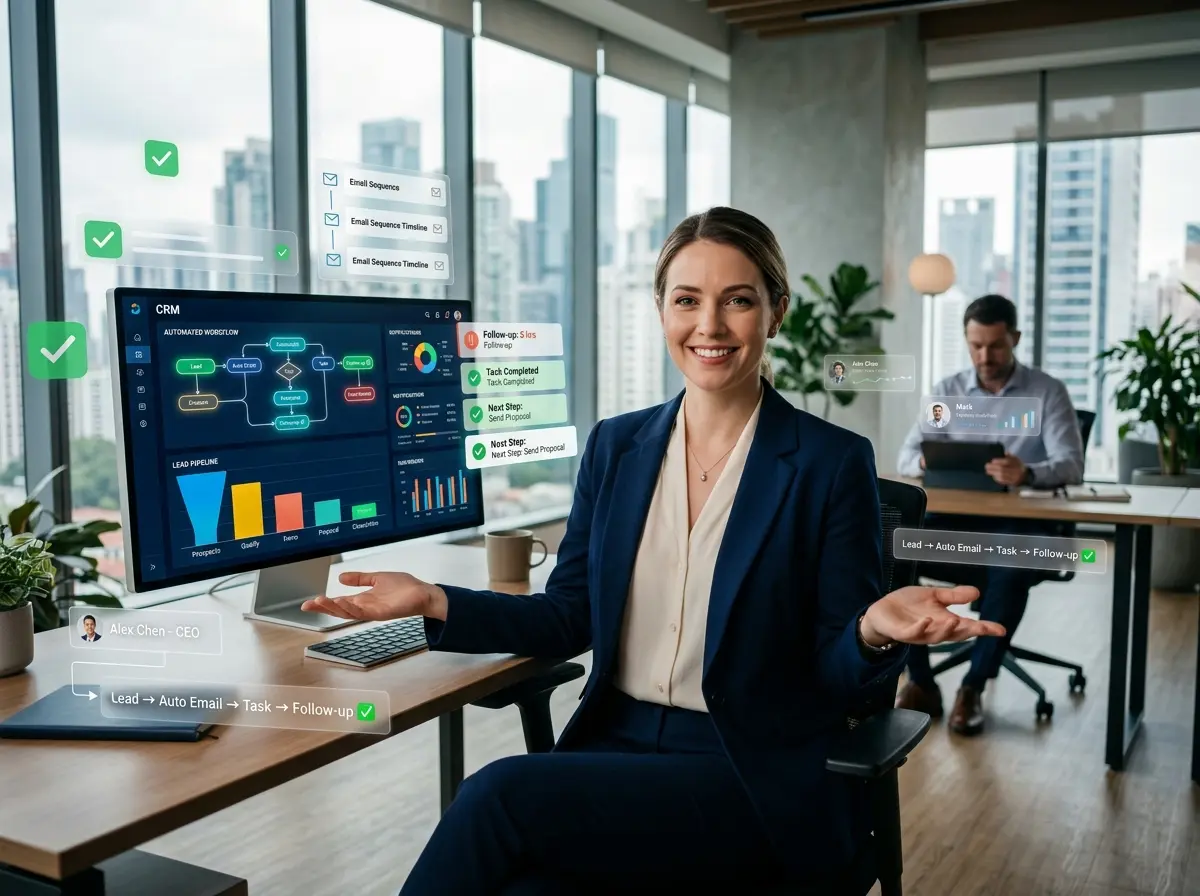
For businesses with a physical location, Stella also operates as a human-sized AI kiosk that greets customers, promotes current offerings, and handles inquiries on the spot — so staff can focus on what they do best. For a solopreneur like Marcus, her phone capabilities alone are a game-changer, and her built-in CRM keeps every client contact organized with notes, tags, and AI-generated profiles without requiring a separate subscription or manual data entry.
Marketing Without a Marketing Budget
Turning Clients Into a Referral Engine
Marcus doesn't run paid ads. He never has. His primary growth engine has always been referrals — and that didn't happen by accident. He built a deliberate referral system: clients who referred a friend received a complimentary bonus session, and the referred friend received a discounted first package. Simple, repeatable, and free to operate.
The math on referral marketing is compelling. Referred customers have a 16% higher lifetime value than non-referred customers, according to Wharton research, and they churn at lower rates. Marcus attributes more than 70% of his new client acquisitions to word-of-mouth and direct referrals. His marketing budget? Essentially zero. His results? Better than most gym owners who spend thousands per month on ads they can't track.
Content That Builds Trust Before the First Call
Marcus posts consistently on social media — not to go viral, but to stay visible and credible. Short workout videos, transformation stories with client permission, nutrition tips, and the occasional behind-the-scenes glimpse of what working with him actually looks like. This content does two things: it attracts new prospects who resonate with his approach, and it reinforces the buying decision for anyone who was already considering reaching out.
The key here isn't production quality. Marcus films on his phone. The key is consistency and authenticity. Prospective clients are essentially interviewing you before they ever speak to you — your content is your audition. Show up regularly, be genuinely helpful, and let your expertise speak for itself. That's a marketing strategy any service business can execute without a creative agency on retainer.
Leveraging Google and Local SEO for Passive Discoverability
In addition to social media, Marcus optimized his Google Business Profile — completely free — and encouraged satisfied clients to leave reviews. Within six months, he was appearing in local search results for "personal trainer near me" without spending a dollar on search advertising. For service businesses operating without a storefront, a well-maintained Google presence is the closest thing to a free billboard that actually works.
Respond to every review, update your profile with accurate information, and post occasional updates or offers. Google rewards active profiles with better visibility. This takes about thirty minutes a month and costs nothing. If you haven't done this yet, close this tab and go do it first. We'll be here when you get back.
Quick Reminder About Stella
Stella is an AI robot employee and phone receptionist designed for businesses of all sizes — from solo service providers to multi-location retailers. She answers calls around the clock, collects client information, manages a built-in CRM, and for businesses with a physical location, she greets customers in person as a friendly, knowledgeable kiosk presence. All of this starts at just $99 per month with no upfront hardware costs and no complicated setup.
Building Your Own Location-Free Business: Where to Start
Marcus's story isn't a fluke — it's a framework. And if you're a personal trainer, consultant, therapist, or any kind of service provider wondering whether you actually need a physical space to build a serious business, the answer is almost certainly no. Here's what to take away and put into action.
Start with your packaging. Stop selling time by the hour. Build packages that create commitment, predictability, and perceived value. If you don't know where to start, look at your most loyal clients and design an offer around what they actually use and love.
Fix your intake and follow-up process. Most solo businesses lose clients before the first conversation is over — not because their service isn't good, but because the logistics are a mess. Missed calls, slow responses, and no-shows kill momentum. Automate what you can. Answer every inquiry, every time.
Show up consistently in one or two places online. You don't need to be everywhere. Pick the platforms where your ideal clients actually spend time and show up there with genuine, helpful content. Consistency over perfection, every time.
Build your referral system before you need it. Don't wait until business slows down to ask for referrals. Create a formal, repeatable process now and make it a part of every strong client relationship you build.
Marcus hit six figures not because he worked harder than everyone else, but because he worked smarter — with fewer expenses, better systems, and a relentless focus on client experience. The gym was never the point. The results were. And that lesson applies to just about every business, whether you're selling fitness, legal advice, or custom cupcakes.
Build lean. Automate intelligently. Show up professionally at every touchpoint. The storefront was always optional.