When a Room Isn't Just a Room Anymore
Let's be honest — most hotel guests don't walk through the front door thinking, "I wonder what else I can spend money on today." They're tired, possibly hangry, and just want to find their room before their phone dies. And yet, the most successful boutique hotels in the industry have quietly mastered the art of turning a single reservation into a complete, revenue-generating experience — without making guests feel like they're being upsold at a car dealership.
Cross-selling in the hospitality industry isn't a new concept, but it remains one of the most underutilized growth levers available to independent hotel owners. When done right, it's not pushy — it's genuinely helpful. It's the difference between a guest who checks out thinking "that was fine" and one who leaves a glowing five-star review raving about the spa package they almost didn't know existed.
This post breaks down exactly how one boutique hotel increased its average stay revenue by 25% through smart cross-selling strategies — and how you can apply the same principles to your own property, whether you're running a 12-room bed and breakfast or a 60-room lifestyle hotel.
The Cross-Selling Playbook That Moved the Needle
Understanding the Guest Journey (Before You Try to Sell Anything)
The boutique hotel at the center of this story — a 34-room coastal property — didn't start by adding more services. They started by mapping their guest journey in obsessive detail. Where did guests make decisions? What questions did they repeatedly ask at the front desk? What amenities went consistently underbooked despite guests loving them after the fact?
The answers were illuminating. Guests frequently didn't know about the hotel's private beach cabana rentals until they stumbled upon them on day two. The in-room massage service was booked almost exclusively by repeat visitors who already knew to ask. And the curated local experiences package — a genuinely lovely product — was buried on page four of the welcome binder that approximately no one reads.
The lesson here is simple but important: you cannot cross-sell what your guests don't know exists. Before obsessing over scripts and timing, audit your own touchpoints. Where does information about your ancillary services actually reach guests — and where does it quietly go to die?
Timing Is Everything: When to Present Add-Ons
Once the hotel had a clear picture of their guest journey, they identified three high-conversion windows for cross-selling: at booking confirmation, at check-in, and during the first evening of the stay. Each window required a different approach.
The booking confirmation window was handled via a follow-up email sent 48 hours after reservation, highlighting two or three relevant add-ons based on the guest's room type and length of stay. A couple booking a weekend suite received information about the romance package. A solo traveler booking a weekday room got a nudge toward the weekday wellness credit.
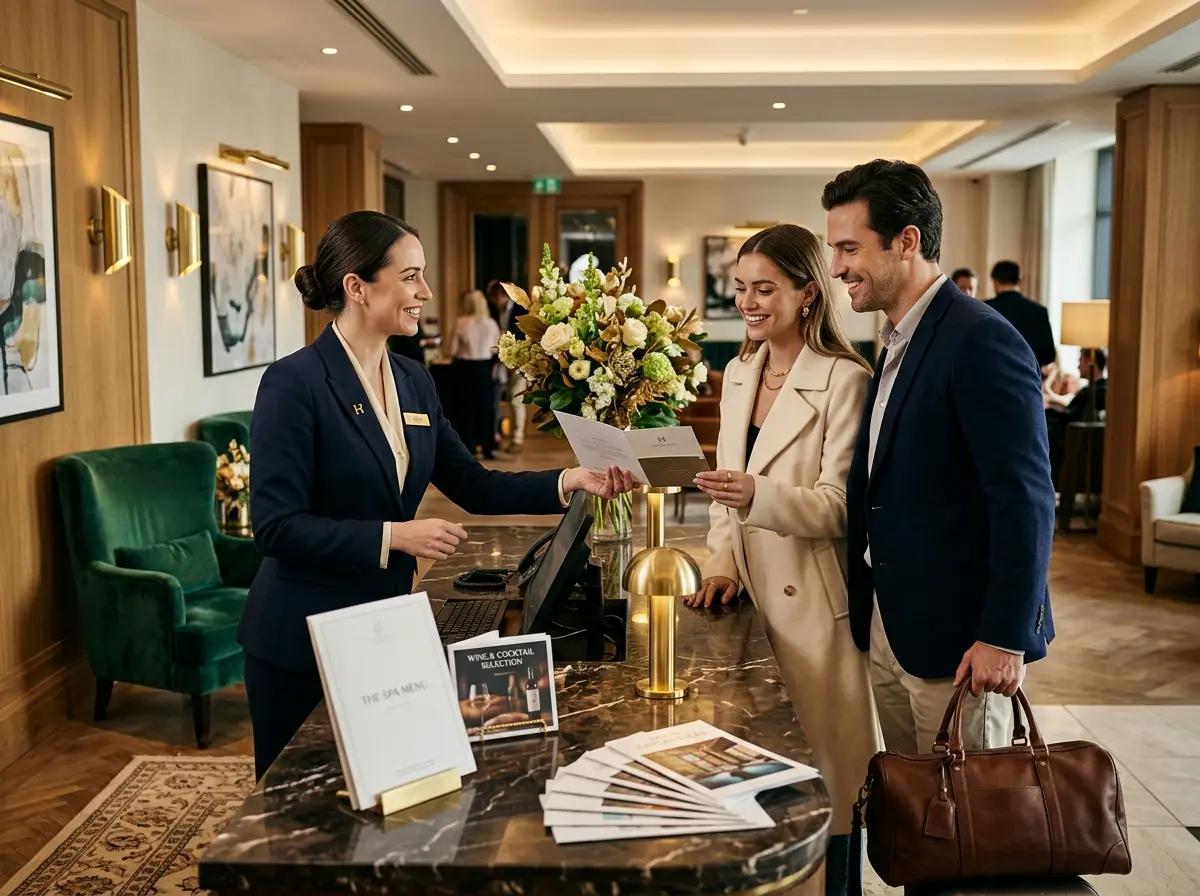
The check-in window proved to be their highest-converting moment. A brief, friendly conversation — not a scripted sales pitch — while handing over keycards resulted in a measurable uptick in same-day cabana bookings and dinner reservations. The key was training staff to frame everything as a recommendation, not an upsell. "A lot of guests love getting a cabana spot first thing — they tend to fill up by 10am" works infinitely better than "Would you like to add a cabana for $85?"
The first-evening window was addressed through a simple in-room card and a QR code linking to a mobile-friendly services menu. No pressure, just easy access at the exact moment guests were relaxing and open to exploring their options.
Package Bundling: The Art of Making Math Feel Like Magic
One of the most effective tactics the hotel deployed was repackaging existing services into curated bundles. Instead of listing a massage at $110, a bottle of champagne at $45, and late checkout at $30 as separate line items, they created a "Slow Sunday" package for $159 that felt like a steal — even though the margin was nearly identical.
Bundling works because it shifts the guest's mental framing from "is this worth the price?" to "which package fits my trip?" That's a fundamentally different — and far more purchase-friendly — conversation. The hotel saw bundle adoption increase by 40% within the first quarter of implementation, contributing significantly to their overall 25% revenue lift.
How the Right Tools Make Cross-Selling Effortless
Letting Technology Handle the Heavy Lifting
Even the most well-trained front desk staff can't be everywhere at once — and they certainly can't greet every guest who walks past the concierge desk, answer every phone call during a busy check-in rush, and proactively mention the spa special to every single person who passes through the lobby. That's where smart hospitality technology earns its keep.
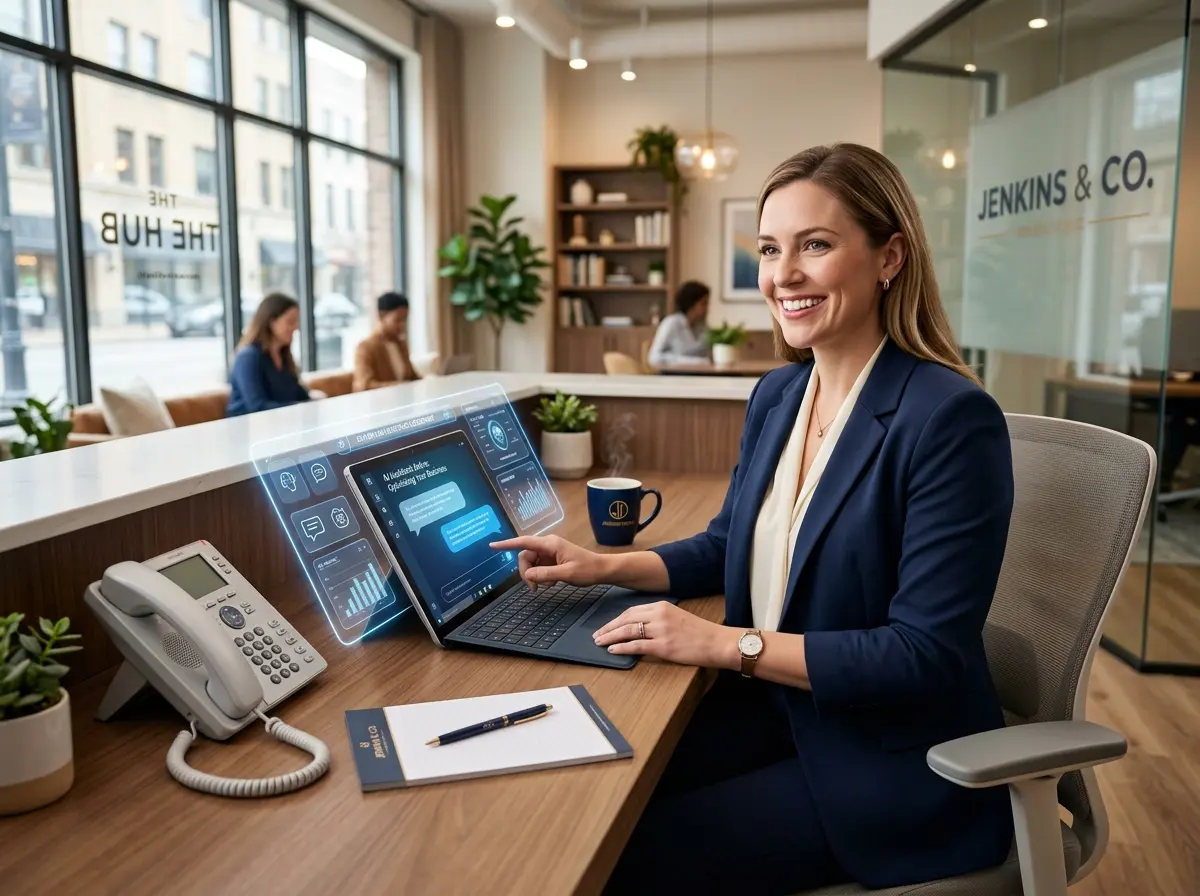
Stella, the AI robot employee and phone receptionist, is a practical solution for exactly this kind of gap. As a friendly, human-sized kiosk stationed in your lobby or common area, she proactively greets guests, answers questions about hotel amenities, and — crucially — promotes current packages, specials, and add-on services without ever forgetting to mention them, getting distracted, or going on break. She brings the same consistent energy to your 11pm check-in as she does to your 9am rush.
Stella also handles phone calls 24/7, which matters more than most hotel owners realize. A significant portion of cross-sell opportunities happen before arrival, and a missed call or a rushed conversation is a missed revenue opportunity. With built-in intake forms and a CRM that automatically profiles guest preferences and interactions, she helps ensure that the right offers reach the right guests at the right time — without requiring your team to manually track any of it.
Turning One-Time Guests Into Returning Revenue
The Follow-Up Strategy Most Hotels Completely Ignore
Cross-selling doesn't end at checkout — in fact, some of the most valuable cross-selling happens after a guest has left. The boutique hotel implemented a post-stay email sequence that did two things: it thanked guests genuinely (not with a templated snooze-fest) and it introduced services they hadn't used during their stay.
A guest who enjoyed the restaurant but never booked a spa treatment received a targeted offer for a wellness weekend. A guest who raved about their suite in a post-stay survey got early access to a new seasonal package. This approach converted a meaningful percentage of one-time visitors into repeat bookers — and repeat bookers, as any hospitality operator knows, are the lifeblood of a sustainable boutique property.
The data backs this up: according to research from Bain & Company, increasing customer retention rates by just 5% can increase profits by 25–95%. For a boutique hotel operating on tight margins, that's not a rounding error — that's a game-changer.
Training Your Team to Cross-Sell Without Cringing
No cross-selling strategy survives contact with a staff that finds it awkward. The hotel invested in short, scenario-based training sessions that focused on one principle above all: recommend, don't pitch. Staff were coached to connect add-ons to things guests had already expressed interest in, rather than running through a checklist of available services.
If a guest mentioned they were celebrating an anniversary, that was a natural opening to mention the romance package — not because staff were required to, but because they'd internalized that it was genuinely useful information for that guest. This shift in framing — from "selling" to "serving" — made a measurable difference in both staff confidence and guest receptiveness. Nobody wants to feel sold to. Everybody appreciates a good recommendation.
Measuring What Actually Matters
The hotel tracked three core metrics throughout this process: revenue per available room (RevPAR), ancillary revenue per guest, and package adoption rate. Obsessing over vanity metrics like social media impressions or website traffic is fun, but it won't tell you whether your cabana bundles are pulling their weight.
By reviewing these numbers monthly and adjusting their offers, timing, and messaging accordingly, the hotel was able to identify which cross-sell strategies were working, which weren't, and why. The 25% increase in average stay revenue didn't happen because of one brilliant idea — it happened because of a disciplined, iterative process that treated every guest interaction as both a service opportunity and a data point.
A Quick Reminder About Stella
Stella is an AI robot employee and phone receptionist designed to help businesses like yours engage customers, promote services, and handle inquiries — both in person and over the phone — without adding to your staffing overhead. She's available 24/7, never has an off day, and starts at just $99/month with no upfront hardware costs. For hospitality businesses looking to systematize their cross-selling without burning out their team, she's worth a serious look.
Your Next Steps Start at the Front Desk
A 25% increase in average stay revenue is not the result of luck, a particularly charming front desk manager, or a viral TikTok. It's the result of understanding your guest journey, presenting the right offers at the right time, packaging services in ways that feel like value rather than extraction, and following up consistently after checkout.
If you're a boutique hotel owner reading this and thinking "we have half of this in place but never quite pulled it together," that's actually great news — low-hanging fruit is the best kind. Start by auditing one touchpoint: your check-in conversation. What are your staff saying? What are they not saying? What services do guests consistently discover too late to actually enjoy?
From there, build outward. Test a bundle. Send one follow-up email sequence. Station a digital concierge in your lobby that doesn't need a lunch break. Measure what moves. Adjust. Repeat.
The guests are already there. The revenue is already available. It's just waiting for someone to make the introduction.