The Catering Inquiry Black Hole (And How to Escape It)
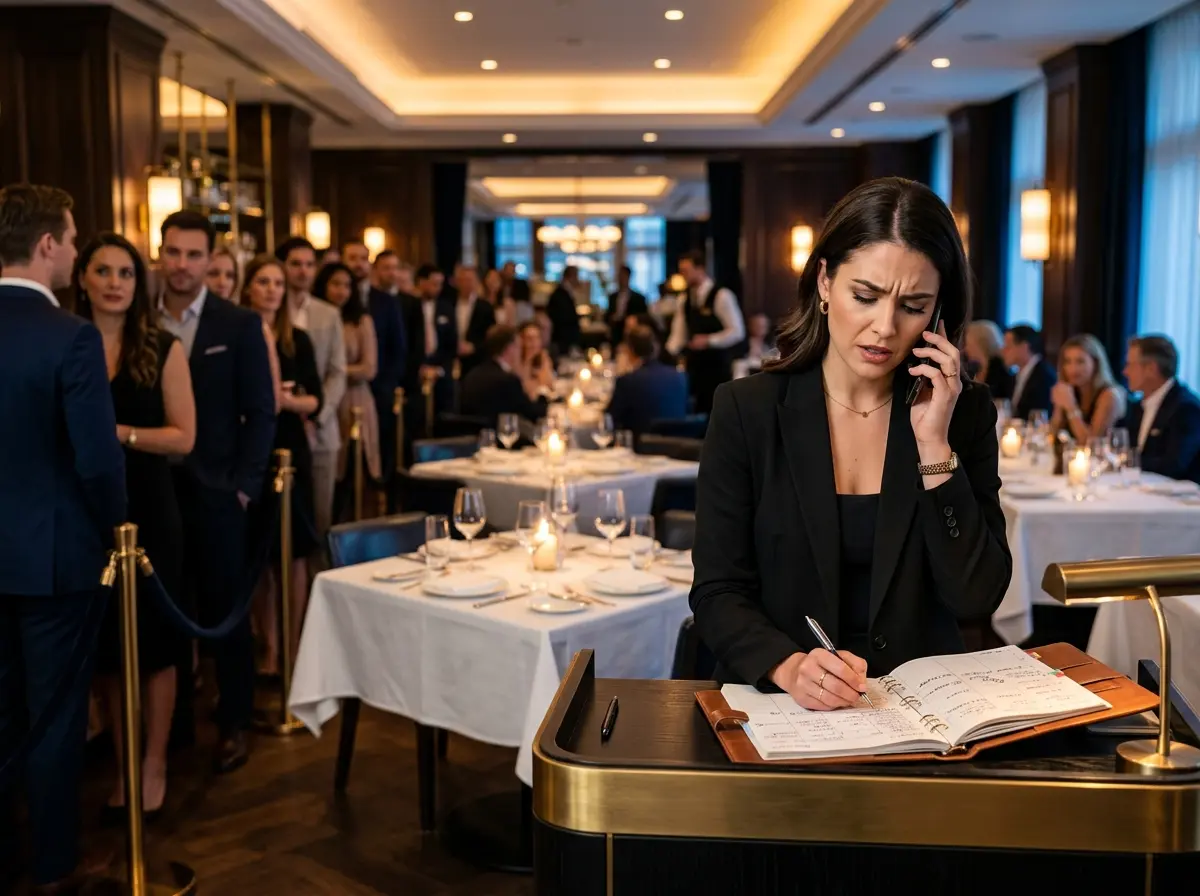
Picture this: A bride-to-be, a corporate event planner, or an excited parent planning a graduation party finds your restaurant online, loves what they see, and fires off a catering inquiry. They're ready to spend thousands of dollars with you. And then... silence. Or worse, they get a response three days later that says, "Hi! Thanks for reaching out. We do catering! Let us know what you need 😊"
Congratulations. You just handed that business to your competitor.
Here's a sobering reality: according to industry research, businesses that respond to leads within an hour are seven times more likely to qualify that lead than those who respond even an hour later — and yet most restaurants treat catering inquiries like a suggestion box that gets checked whenever someone remembers it exists. Catering and private event revenue can represent 20–30% of a restaurant's total income, and every fumbled inquiry is real money walking out the door.
The fix isn't hiring a full-time events coordinator (though that'd be nice). The fix is a formal catering inquiry response protocol — a repeatable, professional system that captures leads, communicates quickly, and converts curious inquirers into paying clients. Let's build one.
Why Most Restaurants Are Losing Catering Business Before It Starts
The Speed Problem: You're Slower Than You Think
Restaurant operators are busy people. Between managing food costs, scheduling staff, handling the dinner rush, and putting out the metaphorical (and occasionally literal) fires, responding to a catering email within 24 hours can feel like a heroic achievement. The problem is that event planners and private clients don't see it that way. They're often shopping multiple venues at once, and whoever responds first — with something useful — tends to win the deal.
Speed matters more than polish in the initial response. A fast, friendly acknowledgment that sets expectations ("We received your inquiry and will send you our full catering menu and pricing within one business day") dramatically outperforms a beautifully crafted reply that arrives 72 hours later. People just want to know you're alive and paying attention.
The Information Gap: Asking the Wrong Questions (or None at All)
Another common failure point is the back-and-forth email spiral. A potential client submits a vague inquiry. You ask what date they need. They respond. You ask how many guests. They respond. You ask about dietary restrictions. They respond. By email number seven, both of you are exhausted and they've already booked somewhere else.
A proper intake process collects the right information upfront — event date, guest count, venue (on-site or off-site), budget range, cuisine preferences, service style, and any special requirements. This isn't bureaucracy; it's efficiency. The more you know before the first real conversation, the faster you can deliver a meaningful proposal instead of a vague "it depends" reply that helps nobody.
The Follow-Up Failure: Leads That Die in Your Inbox
Even restaurants that respond quickly often drop the ball on follow-up. A client submits an inquiry, gets your initial response, and then goes quiet — maybe they got busy, maybe they're still deciding, maybe they're waiting on a date confirmation from their venue. A surprising number of restaurants interpret this silence as a "no" and move on. It's not a no. It's an opportunity.
A structured follow-up cadence — a check-in at 48 hours, another at five days, a final touchpoint at two weeks — can recover a significant percentage of inquiries that would otherwise go cold. You don't need to be pushy; a simple "Just wanted to make sure you received our catering guide — happy to answer any questions!" goes a long way. The restaurants winning catering business aren't necessarily the ones with the best food. They're the ones who show up consistently.
How Technology Can Take the Chaos Out of Catering Inquiries
Capturing Leads Before They Disappear
One of the smartest moves a restaurant can make is automating the first step: lead capture. Stella, the AI robot employee and phone receptionist, is built exactly for moments like this. Whether a potential catering client walks into your restaurant and wants to ask about private events, or calls after hours when your events coordinator has gone home, Stella is there to handle it professionally. She can walk callers and walk-in guests through a conversational intake form, capturing all the key details — date, headcount, budget, preferences — and log everything directly into her built-in CRM. No more sticky notes, no more "I think someone called about a wedding?" No dropped leads.
For restaurants, having Stella stationed at the host stand or near the entrance means catering conversations can happen organically, even during a busy service. And since she answers phones 24/7, your restaurant never misses an after-hours inquiry from an eager event planner working on a Sunday evening.
Building Your Catering Inquiry Response Protocol from Scratch
Step One: Create a Standardized Inquiry Form
The foundation of any good catering protocol is a consistent intake process. Whether you embed a form on your website, use a conversational intake tool, or hand guests a one-page questionnaire, the goal is the same: collect structured information before you invest significant time in a proposal. Your form should capture the event date and time, estimated guest count, type of event, preferred service style (buffet, plated, stations, passed appetizers), dietary restrictions, venue details, and a rough budget range.
That last one — budget — makes a lot of restaurateurs nervous, but it's genuinely helpful. Knowing upfront whether someone is working with $500 or $5,000 saves everyone time and prevents the awkward moment when you present a proposal that's wildly out of range. Frame it as a way to customize their experience, not a gatekeeping question, and most clients are happy to share.
Step Two: Design a Response Timeline with Real Deadlines
Once you have a form, create a written internal protocol that specifies exactly what happens and when. For example:
- Within 1 hour: Send an automatic acknowledgment confirming receipt and setting expectations for a full response.
- Within 24 hours: Deliver a personalized response that includes your catering menu, general pricing, and an invitation to schedule a call or walkthrough.
- Within 48–72 hours of the call: Send a formal proposal or quote tailored to their event details.
- 5 days after the proposal: Send a friendly follow-up checking if they have questions.
- 2 weeks out: Final follow-up before archiving the lead.
Put this timeline in writing, assign ownership to a specific person or role, and actually hold that standard. A protocol that lives only in someone's head isn't a protocol — it's a hope.
Step Three: Build a Proposal Template That Closes Deals
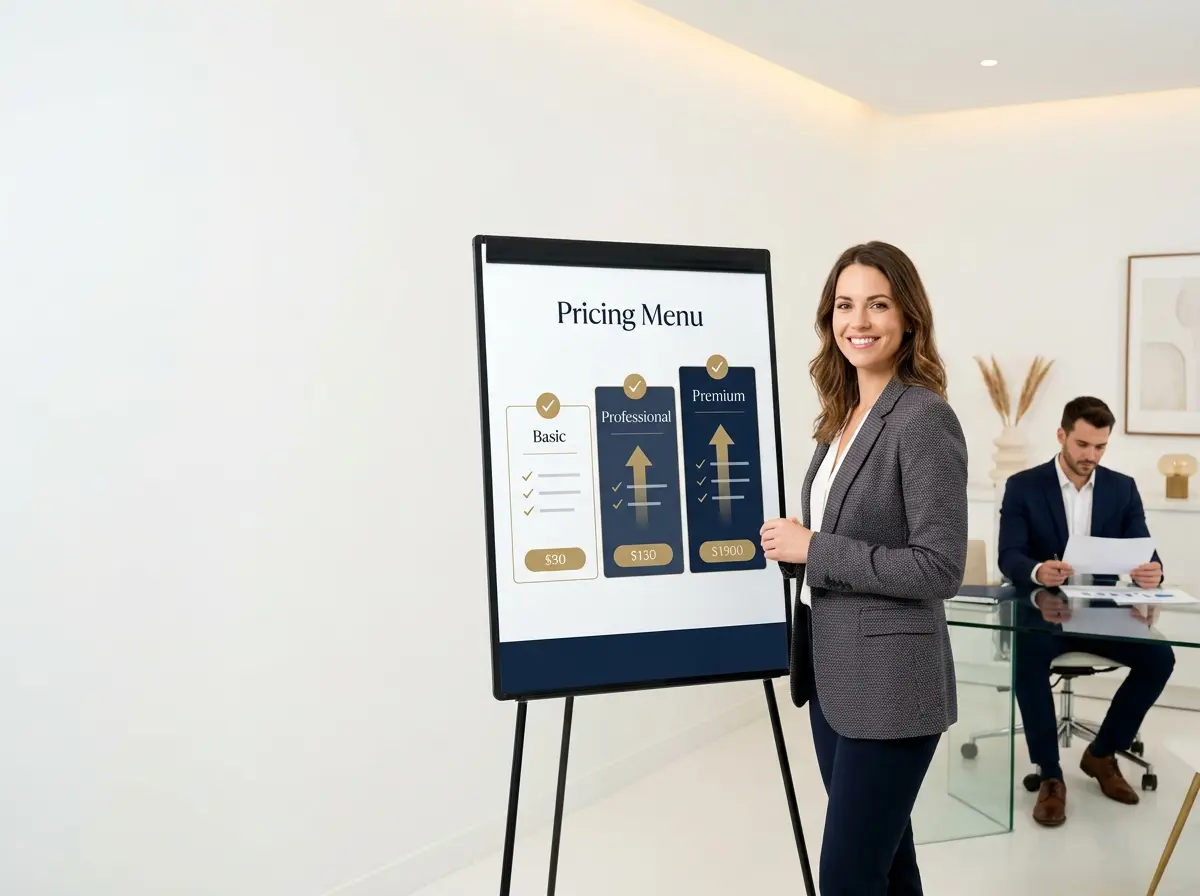
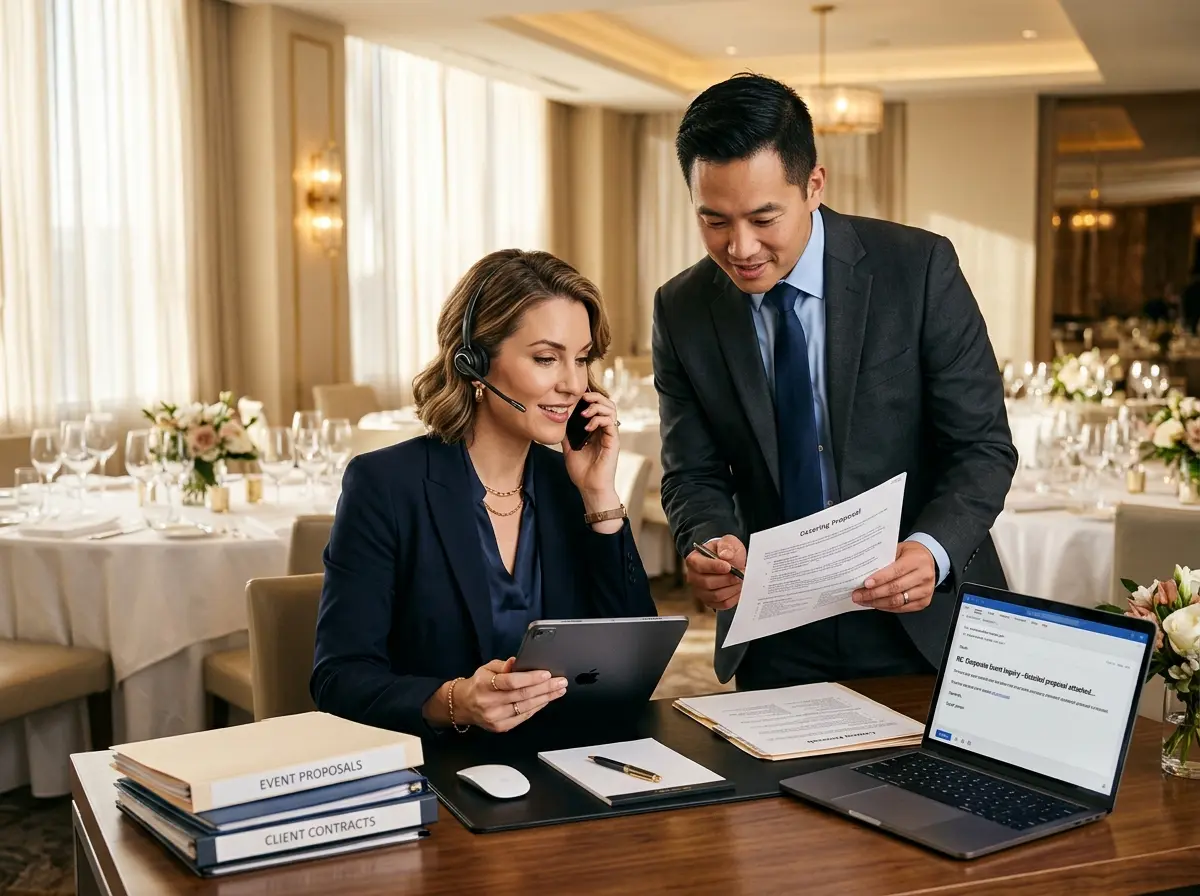
Your catering proposal is a sales document, not just a price list. The best proposals include a warm, personalized opening that reflects the details of their specific event, a clear description of what's included (menu options, staffing, equipment, setup and breakdown, minimum spend), transparent pricing with any applicable fees or gratuities spelled out, client testimonials or a brief highlight of past events you've catered, a clear call to action with next steps, and a deadline for the quoted pricing to encourage timely decisions.
Restaurants that present polished, professional proposals signal to clients that they're organized, experienced, and worth trusting with an important event. It's not just about the food anymore — it's about confidence. Clients want to believe their event is in good hands, and a well-structured proposal does that before the first fork hits the table.
Quick Reminder About Stella
Stella is an AI robot employee and phone receptionist that greets customers in person at your location and answers phone calls around the clock — so your restaurant never misses an inquiry, a question, or a catering lead. At just $99/month with no upfront hardware costs, she's the tireless, always-professional team member who never calls in sick and never forgets to follow a protocol. For restaurants managing catering inquiries, her built-in CRM and intake forms make lead capture effortless and organized from the very first contact.
Start Converting Catering Inquiries Instead of Just Collecting Them
The restaurants that dominate their local catering market aren't necessarily the most talented kitchens in town. They're the ones who treat every inquiry like the significant revenue opportunity it actually is — responding fast, asking smart questions, presenting professional proposals, and following up without fail. That's not magic. It's process.
Here's where to start this week: audit your current catering inquiry process by submitting a test inquiry through your own website or by calling your own restaurant after hours. What happens? How fast does a response come? How professional does it look? If the answer makes you even slightly uncomfortable, you have your roadmap.
From there, build your intake form, write out your response timeline, create or upgrade your proposal template, and decide how you'll handle inquiries that come in after hours or during a packed Saturday dinner service. Put someone in charge of owning the process, and review it quarterly to see what's working.
Catering revenue is there for the taking. The restaurants getting it aren't doing anything revolutionary — they're just doing the basics better than everyone else. Now go be one of them.