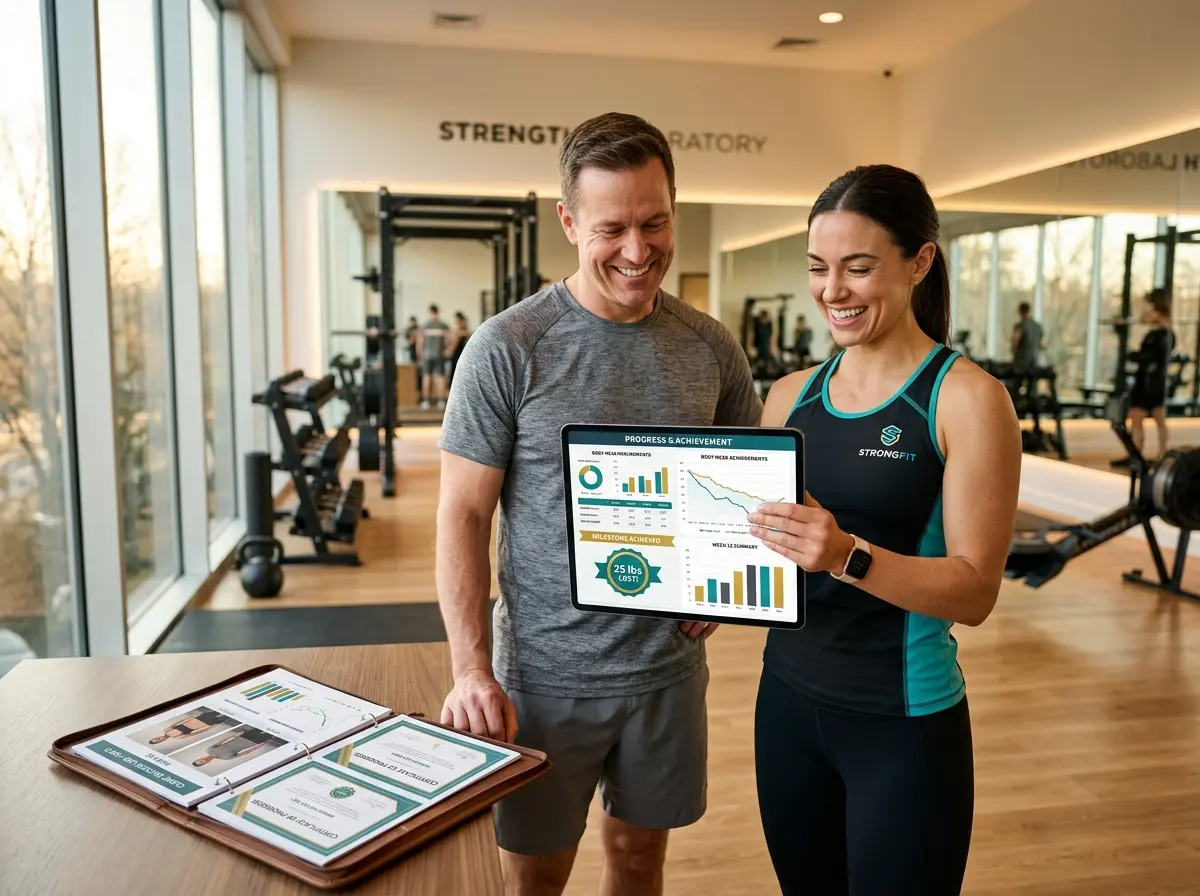
So You Got New Members — Now What?
Congratulations! Someone just signed up for your gym. They're motivated, they're excited, and they have absolutely every intention of showing up every single day for the rest of their lives. You and I both know how this story usually ends. By week six, they've ghosted you harder than a bad Tinder date, and by month three, they're paying their monthly dues as a very expensive form of guilt.
The fitness industry's dirty little secret is that most gyms rely on member drop-off. If every person who held an active membership actually showed up every day, most facilities would be dangerously overcrowded. But here's the thing — high churn rates mean constant, expensive acquisition costs, unstable revenue, and a reputation that doesn't exactly grow on word of mouth. Research from the Association of Fitness Studios suggests that retaining an existing member costs five times less than acquiring a new one. That math is not subtle.
The solution isn't to cross your fingers and hope people stay motivated. The solution is a deliberate, structured 90-day CRM onboarding sequence — a series of automated, personalized touchpoints that make new members feel seen, supported, and too embarrassed to quit before they've actually given it a real shot. Here's how to build one that works.
Building Your 90-Day Onboarding Framework
Phase One: Days 1–14 — The Honeymoon Period (Don't Waste It)
The first two weeks are when enthusiasm peaks and habits begin forming — or don't. Your CRM sequence should be firing on all cylinders during this window. Start with a warm, personalized welcome email or SMS within the first hour of sign-up. Not a generic "Thanks for joining!" blast, but something that references their goal, their membership tier, or the specific class they signed up for. This is where custom CRM fields earn their keep.
Follow that with a Day 2 check-in that introduces them to key resources: how to book classes, where to find staff, what the locker room situation looks like. On Day 5, send a "How's it going?" message that invites a reply or a short survey. On Day 10, celebrate their first week — even if they only showed up once, acknowledge it. Positive reinforcement at this stage is enormously powerful. The goal of Phase One is simple: make them feel like joining was the best decision they've made all year.
Phase Two: Days 15–45 — The Danger Zone
This is where most gyms go completely silent and members start quietly slipping away. Your CRM sequence should actually intensify slightly during this phase, not taper off. Around Day 20, trigger a check-in based on visit frequency data. If they've visited four or more times, send an encouragement message and a subtle upsell — personal training intro session, a nutrition workshop, a buddy referral discount. If they've visited fewer than two times, send a re-engagement message that removes friction: "We noticed you haven't been in — no judgment! Here's a free guest pass to bring a friend this week."
Around Day 30, send a "One Month Strong" milestone message. Even if they haven't been a model member, marking milestones creates psychological investment. People don't quit things they feel invested in. This is also a great moment to collect a short testimonial or Google review from members who are visibly engaged — strike while the iron is warm.
Phase Three: Days 46–90 — Converting Habit Into Loyalty
By the time you hit the back half of your 90-day sequence, the goal shifts from engagement to loyalty. Members who make it to 90 days with consistent attendance have an exponentially higher lifetime value. Your messaging during this phase should lean into community, identity, and long-term vision. Introduce them to upcoming events, seasonal challenges, or member spotlight opportunities. Around Day 60, consider a personal outreach — a text or a call from a real staff member, not just an automated message. Around Day 75, preview their renewal benefits or offer a loyalty reward for upgrading their membership. By Day 90, you want them to feel like leaving would be genuinely strange.
How Automation and Smart Tools Make This Actually Manageable
Your CRM Is Either Your Best Employee or Your Most Ignored Software
A 90-day onboarding sequence sounds impressive until you realize your front desk team is already juggling check-ins, phone calls, equipment questions, and the chaos of peak hours. Manual follow-ups at this scale are essentially fantasy. This is exactly where smart automation — and the right CRM setup — changes everything.
Stella, the AI robot employee and phone receptionist, fits naturally into this workflow. Her built-in CRM supports custom fields, tags, notes, and AI-generated member profiles — meaning when a new member walks in or calls to inquire, Stella can capture their information through conversational intake forms, automatically tag them as a new member, and trigger the onboarding sequence without a single staff member lifting a finger. She handles calls 24/7, so even the 11 PM "I just signed up online, what do I do next?" inquiry gets a warm, informed response. If your gym has a physical location, she's also standing right there at the kiosk, greeting every walk-in and collecting intake information before they even reach the front desk. That's your first touchpoint handled — automatically, every time.
Personalization, Segmentation, and Why Generic Messaging Kills Retention
Not All New Members Are the Same — Stop Treating Them Like They Are
A 22-year-old signing up for powerlifting classes has almost nothing in common with a 55-year-old who joined for low-impact group fitness after their doctor had a serious conversation with them. Sending both of them identical emails about your 6 AM HIIT bootcamp is not just unhelpful — it's actively counterproductive. Your CRM should be segmenting members from the moment they sign up based on membership type, stated goals, class preferences, and visit behavior.
Build at minimum three or four member personas and create sequencing branches for each. The "fitness newbie" track should focus heavily on education, reassurance, and small wins. The "returning athlete" track can skip the basics and jump straight to performance-focused content and community integration. The "I'm-here-because-my-doctor-said-so" track needs empathy, accessibility information, and gentle encouragement above all else. Segmentation isn't complicated — it just requires you to actually use the data you're already collecting.
Behavioral Triggers Beat Calendar Triggers Every Time
The most sophisticated onboarding sequences don't just fire on Day 7 or Day 30 — they fire based on what a member actually does. Missed three consecutive scheduled sessions? Trigger a re-engagement workflow. Booked their first personal training session? Trigger a preparation and excitement sequence. Referred a friend in the first 30 days? Trigger a loyalty reward. Behavioral triggers require more upfront setup in your CRM, but they produce dramatically better results because they're relevant to the member's actual experience, not just the calendar on your wall.
Start simple: build two behavioral branches — one for high-engagement members and one for at-risk members — and layer in more complexity over time as you see what actually moves the needle for your specific audience.
Quick Reminder About Stella
Stella is an AI robot employee and phone receptionist available for just $99/month with no upfront hardware costs. She greets members in your gym, answers calls around the clock, manages your CRM contacts with AI-generated profiles and custom tags, and collects new member information through conversational intake forms — automatically feeding your onboarding sequences from day one. She's the team member who never calls in sick and never forgets to follow up.
Your Next 90 Days Start Today
Building a 90-day onboarding sequence isn't a weekend project you'll get around to eventually — it's a revenue protection strategy that pays for itself every single month through higher retention, lower churn, and members who actually refer their friends instead of quietly canceling and pretending the gym never happened.
Here's where to start: audit your current member communication. If the honest answer is "we send a welcome email and then hope for the best," you have significant room to grow. Map out your three phases — the honeymoon, the danger zone, and the loyalty conversion — and write messaging for each. Set up behavioral triggers in your CRM for at-risk members. Segment your audience into at least two or three personas. And make sure your intake process is capturing the right information from day one so your personalization actually has something to work with.
The gyms that win long-term aren't necessarily the ones with the best equipment or the lowest prices. They're the ones that make members feel like they matter — consistently, automatically, and without burning out their staff in the process. Build the sequence, trust the system, and watch your 90-day retention numbers quietly become something you're actually proud to talk about.