Why Your Dental Office Might Be Every Sensory-Sensitive Child's Worst Nightmare (And How to Fix That)
Let's be honest — for a lot of kids, a trip to the dentist ranks somewhere between "eating broccoli" and "the end of recess" on the list of desirable activities. Now imagine being a child with sensory processing differences. The bright overhead lights, the high-pitched whir of the drill, the antiseptic smell, the stranger in a mask coming at your face with metal tools — it's a lot. And for pediatric dental practices, this isn't just a sympathy issue. It's a business issue.
According to the CDC, approximately 1 in 6 children in the United States has a developmental disability, many of which involve sensory sensitivities. That's a significant portion of your potential patient base that may be avoiding your practice — or dreading it so deeply that parents avoid scheduling altogether. A sensory-friendly dental experience isn't just a kind gesture. It's a competitive differentiator, a retention strategy, and frankly, a way to make your job a whole lot easier when a child isn't mid-meltdown in your exam chair.
The good news? Creating a sensory-friendly environment doesn't require a complete office overhaul or a PhD in occupational therapy. It requires thoughtfulness, a few strategic investments, and — as you'll see — a little help from some modern tools that make the whole experience smoother for everyone involved.
Designing a Sensory-Friendly Environment From the Waiting Room In
The sensory experience begins the moment a family pulls into your parking lot — or honestly, the moment they think about calling you. Every touchpoint matters, and designing for sensory sensitivity means auditing your practice from the outside in.
Rethinking Your Physical Space
Your waiting room is doing a lot of heavy lifting. It's the first physical impression, the place where anxiety either ramps up or settles down, and the stage for many a pre-appointment meltdown. Consider making the following adjustments:
- Lighting: Swap harsh fluorescent lighting for warm LED alternatives or dimmable fixtures. Flickering, buzzing overhead lights are a sensory nightmare for many children (and honestly, for most adults too).
- Sound management: Keep background music low and calm — think spa, not sports bar. Consider a designated quiet corner with visual barriers where families can decompress before their appointment.
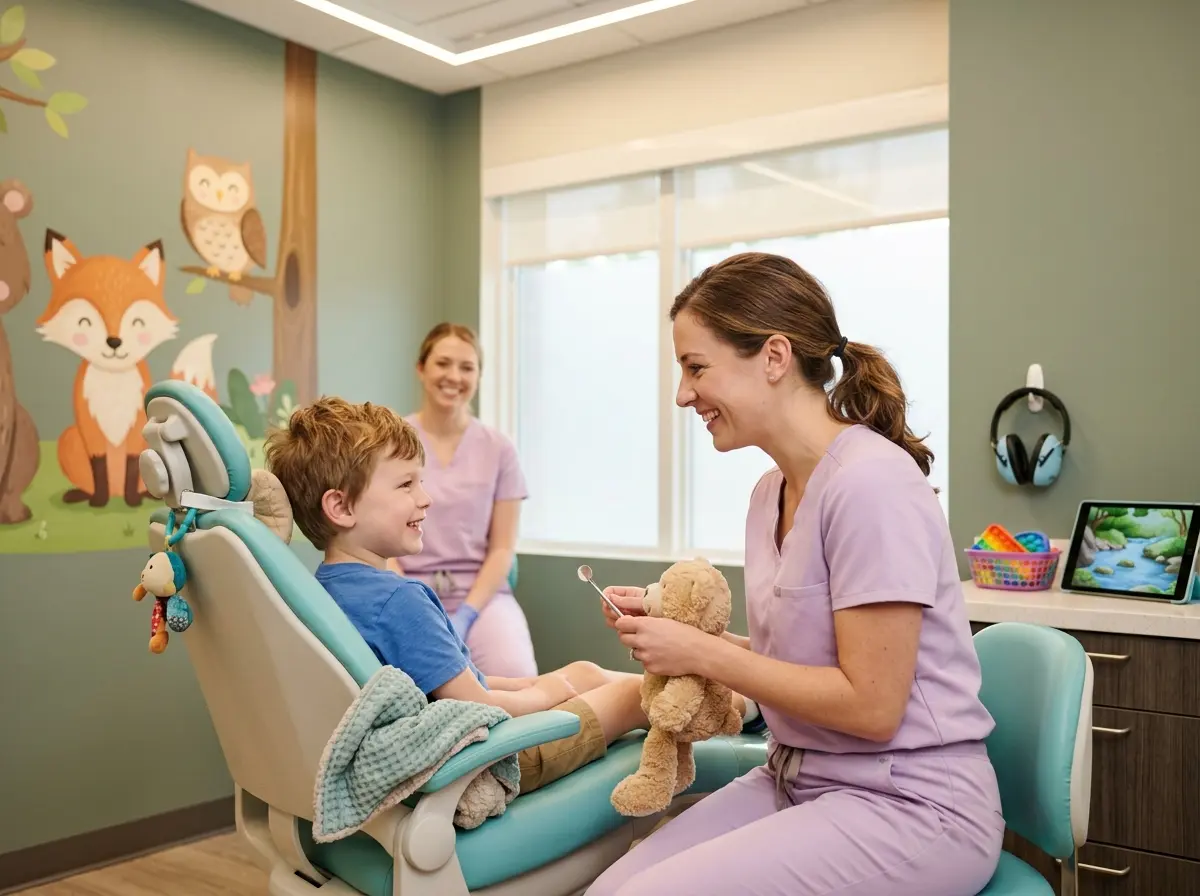
- Sensory tools: Stock a small sensory bin with fidget toys, weighted lap pads, noise-canceling headphones, and chewy sensory tools. These aren't expensive, but they signal to families that you get it.
- Color and décor: Avoid overly busy, chaotic visual environments. Murals are great — loud, clashing color palettes are not.
Some practices have taken this further by designating a separate "calm room" — a small, quiet space families can request when a child needs extra time to regulate before entering the clinical area. It's a modest investment with an outsized impact on patient loyalty.
The Clinical Environment: What Happens in the Chair Matters Most
Your operatory can feel like a sensory assault course. Between the suction sounds, the overhead lamp, and the general unpredictability of what's happening inside someone's mouth, there's plenty to address.
Start with the basics: offer sunglasses for the overhead light, play child-selected music or audiobooks through headphones during procedures, and use a visual "social story" booklet that walks children through each step of their appointment before it happens. Social stories — simple illustrated narratives describing what will occur — are a widely used tool in autism therapy that translate beautifully into dental settings. Predictability is calming. Surprises, not so much.
Train your clinical staff in trauma-informed communication. Phrases like "This might pinch a little" land very differently than "This won't hurt at all" — especially when the latter turns out to be untrue. Honesty, delivered gently and proactively, builds trust with sensory-sensitive children far more effectively than cheerful reassurances that don't pan out.
Staff Training and the Human Element
No amount of fidget toys will compensate for a team that doesn't know how to interact with a sensory-sensitive child. Invest in training that covers the basics of sensory processing differences, de-escalation techniques, and how to communicate with both the child and their caregiver simultaneously. Many dental hygiene programs don't cover this adequately, which means the responsibility falls to you as a practice owner to fill the gap.
Consider partnering with a local occupational therapist to conduct a half-day training for your team. It builds skill, signals commitment to your staff, and gives you great marketing content. Win, win, and win.
Streamlining the Experience Before Patients Even Arrive
A sensory-friendly visit doesn't start in your waiting room — it starts the moment a family first contacts your practice. And that first contact is almost always a phone call.
First Contact Sets the Tone
Parents of sensory-sensitive children often need to ask specific questions before they'll even consider booking: Do you have a quiet room? Do you offer tell-show-do techniques? Can we schedule during low-traffic hours? If their first call goes to voicemail, or they're put on hold by a distracted front desk team, many will simply call the next practice on their list.
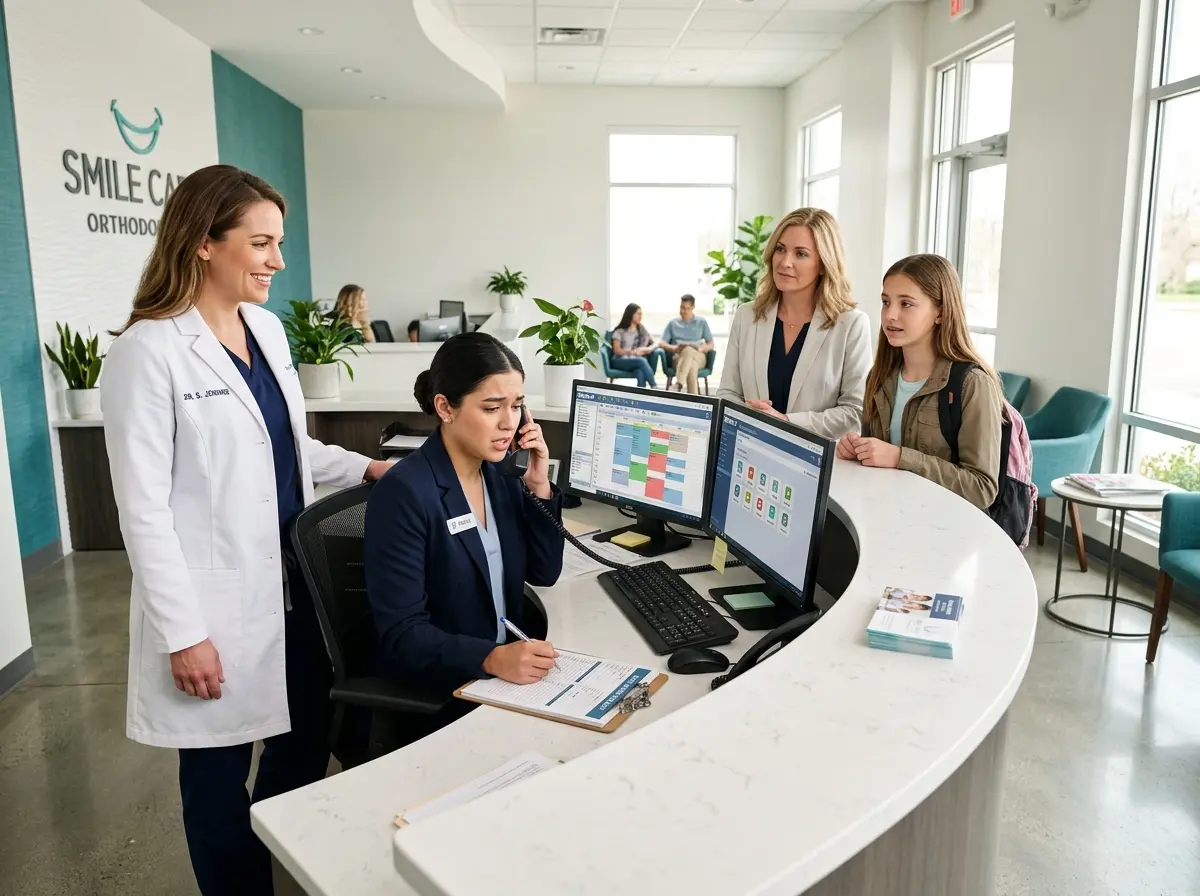
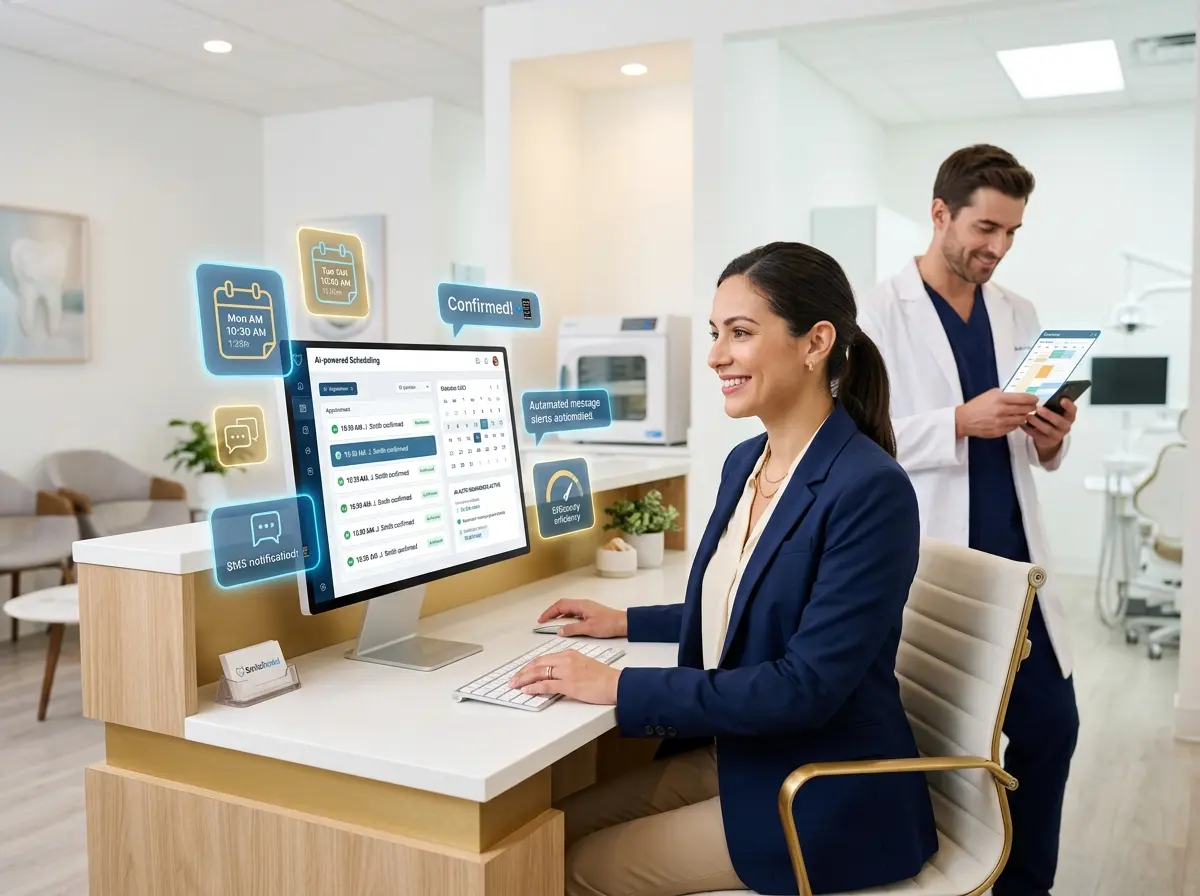
This is where Stella — an AI robot employee and phone receptionist — can make a genuine difference. Stella answers every call, 24/7, with consistent, knowledgeable responses about your practice's sensory accommodations, scheduling options, and policies. She can also collect intake information conversationally before a patient's first appointment, which means your team has what they need to prepare — and the family doesn't have to explain their child's needs from scratch at the front desk. For practices with a physical location, Stella's in-person kiosk presence can also greet arriving families warmly and guide them through check-in, reducing the unpredictability that can spike anxiety in sensory-sensitive kids.
Building Relationships That Keep Families Coming Back
Sensory-friendly dentistry isn't a one-visit win. It's a long-term relationship-building strategy. Families who find a dental practice that genuinely accommodates their child's needs become fiercely loyal — and vocal advocates in the community. Word-of-mouth among parents of children with special needs is extraordinarily powerful. These families talk. A lot. To each other, in Facebook groups, in therapy waiting rooms, at school pickup. Getting it right once tends to generate referrals you didn't even have to ask for.
Reducing the "Dreaded Visit" With Pre-Appointment Preparation
Consider offering a pre-visit desensitization appointment — a low-stakes, no-treatment visit where the child can meet the staff, explore the room, sit in the chair, and leave without anything clinical happening. For many sensory-sensitive children, the fear of the unknown is the biggest barrier. Removing that barrier before the real appointment dramatically improves outcomes and reduces cancellations.
You might also send families a personalized preparation packet: a simple guide explaining what their child will see, hear, and feel during a standard cleaning, along with tips for the morning of the appointment. It takes minimal time to create and communicates volumes about your practice's culture.
Following Up in Ways That Actually Matter
After a successful (or even a challenging) appointment, follow up with the family directly. A brief check-in call or message asking how their child is feeling — and what you could adjust next time — builds the kind of trust that retains patients for years. Document these preferences carefully in the child's record so the whole team is aligned at the next visit. Consistency is everything for this patient population.
Consider creating a simple feedback loop: a short post-visit questionnaire for parents that asks specifically about sensory accommodations and what could be improved. This data helps you iterate, and it helps families feel heard — which, more than anything else, is what keeps them coming back.
Quick Reminder About Stella
Stella is an AI robot employee and phone receptionist built for businesses of all kinds — including dental practices that want to deliver a consistently excellent experience without putting more on their human team's plate. She handles calls around the clock, greets patients in person, collects intake information, and keeps your front desk focused on what matters most. At just $99/month with no upfront hardware costs, she's worth a look.
Your Next Steps Toward a Sensory-Friendly Practice
Creating a sensory-friendly pediatric dental experience is not a single project — it's an evolving commitment. The practices that get it right aren't the ones that bought a basket of fidget toys and called it a day. They're the ones that approached it systematically, involved their team, and kept listening to families along the way.
Here's where to start:
- Audit your current environment — walk through your practice from a child's perspective (and maybe briefly consider doing it with noise-canceling headphones on to really feel it).
- Invest in staff training — partner with an occupational therapist and make sensory awareness part of your onboarding for new hires.
- Update your intake process — ask about sensory needs at booking, not at the chair.
- Offer pre-visit appointments for new sensory-sensitive patients and document everything you learn.
- Close the communication loop — make sure families can reach you easily, get their questions answered thoroughly, and feel confident before they ever walk through your door.
Families of sensory-sensitive children are looking for a dental home, not just a dental appointment. Build that, and you'll have patients — and passionate referrers — for life.