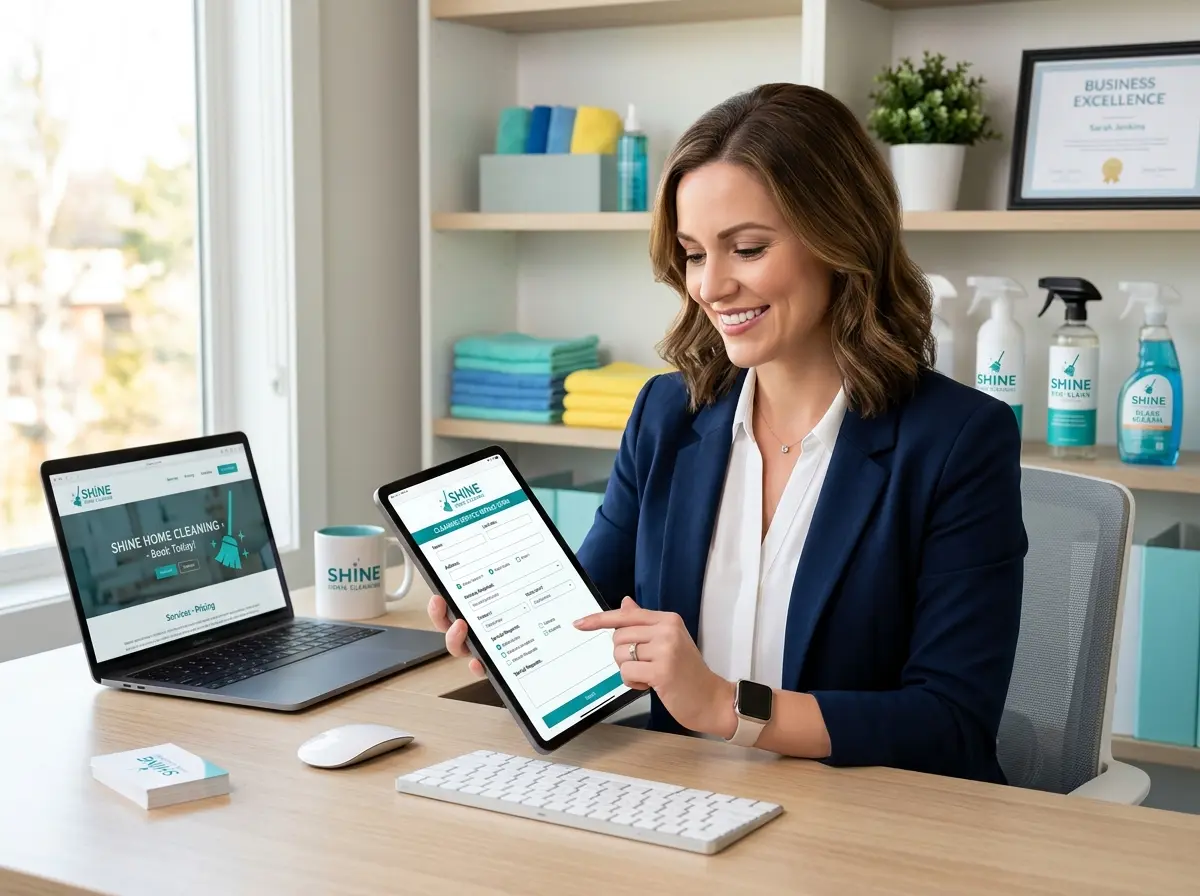
Stop Guessing, Start Winning: The Case for Digital Questionnaires in Cleaning Bids
Here's a familiar scene: you show up to bid a cleaning job, armed with your best smile and a clipboard, only to realize you forgot to ask about the industrial kitchen grease situation, the three dogs, or the fact that the client hosts weekly pottery classes in the living room. You improvise. You underbid. You regret everything.
Winning cleaning bids isn't just about having the lowest price or the shiniest equipment — it's about demonstrating professionalism, understanding your client's needs before anyone else does, and presenting a proposal so tailored it practically writes itself. The secret weapon that most cleaning businesses overlook? A well-designed digital questionnaire.
Used correctly, a digital intake form transforms your bidding process from a guessing game into a streamlined, data-driven operation that wows potential clients and gives you everything you need to price jobs accurately and win more contracts. Let's break down exactly how to make it work for you.
Building a Questionnaire That Actually Wins Bids
Not all questionnaires are created equal. A poorly designed form is just a chore — for you and your potential client. A well-crafted one, however, signals professionalism, builds trust, and starts the relationship on the right foot before you've cleaned a single baseboard.
Ask the Questions That Actually Matter
The goal of your intake questionnaire is to gather the information you genuinely need to scope the job, price it accurately, and personalize your proposal. That means skipping the fluff and getting specific. Here are the categories your form should cover:
- Property details: Square footage, number of rooms, property type (residential, commercial, Airbnb, post-construction, etc.)
- Current condition and frequency: Is this a one-time deep clean or recurring service? When was the last professional cleaning?
- Special considerations: Pets, allergies, preferred cleaning products (eco-friendly, fragrance-free, etc.), areas to avoid
- Access and scheduling: Key access, alarm codes process, preferred days and times
- Pain points: What bothers them most? What did their last cleaning service miss?
- Budget expectations: Optional, but useful for positioning your proposal correctly
That last bullet about pain points is pure gold. When a client tells you their previous cleaner always forgot the ceiling fans, you put ceiling fans front and center in your proposal. It's not manipulation — it's listening, which, frankly, is rarer than it should be.
Make It Easy to Complete (Because People Are Busy)
Your questionnaire should take no more than three to five minutes to complete. Use tools like Google Forms, Typeform, or a platform integrated with your CRM to build a clean, mobile-friendly experience. Conditional logic is your friend — if someone selects "commercial property," show them commercial-specific follow-up questions. If they select "residential," keep it focused on what matters for homes.
Send the form link via text and email immediately after first contact. According to a study by Lead Connect, 78% of customers buy from the first company that responds to their inquiry. Speed matters — and so does giving prospects something useful to engage with right away rather than making them wait for a callback or an in-person visit.
Use the Data to Craft a Proposal That Stands Out
Once your form responses come in, don't just skim them — mine them. Reference specific answers in your proposal. If they mentioned two cats and a preference for pet-safe products, call that out explicitly. If they flagged frustration with a previous cleaner's inconsistency, highlight your quality control process. Personalization at this level is rare enough in the cleaning industry that it genuinely impresses people, and impressed people become paying clients.
Automating Your Intake Process Without Losing the Human Touch
A digital questionnaire is only as powerful as the system behind it. If form responses are landing in an unmonitored inbox or getting copy-pasted into a spreadsheet manually, you're leaving efficiency — and money — on the table.
Letting Technology Handle the Legwork
This is where tools like Stella come in handy. Stella is an AI robot employee and phone receptionist designed for businesses exactly like yours. She can collect client information through conversational intake forms — whether during a phone call, on your website, or at a physical kiosk — and feed those details directly into a built-in CRM with custom fields, tags, notes, and AI-generated client profiles. That means by the time a lead reaches you, the groundwork is already done.
Stella also answers your phones 24/7, so when a potential client calls at 9 PM wondering if you service their area and how to get a quote, she handles it — professionally, consistently, and without the overtime pay. She can walk callers through your intake questions conversationally, so your prospects feel helped rather than processed. The result is a smoother pipeline and a more professional first impression, even when you're out cleaning someone else's house.
Turning Questionnaire Responses Into a Competitive Advantage
Collecting data is step one. Using it strategically is where most cleaning businesses stop short — and where you can pull ahead of the competition.
Price Jobs More Accurately (And Stop Undercharging)
Chronic underpricing is one of the most common ways cleaning businesses sabotage themselves, and it usually happens because bids are made with incomplete information. A thorough questionnaire eliminates the guesswork. When you know the square footage, the condition of the space, the number of specialty areas, and the frequency of service before you ever set foot on the property, you can build a pricing model that actually reflects the work involved.
Consider creating tiered pricing templates tied to questionnaire responses. A 2,000-square-foot home with two pets, a request for eco-friendly products, and a weekly recurring schedule maps to a specific price range. You're not pulling numbers out of thin air — you're applying a system, which makes your pricing easier to defend and your proposals easier to deliver quickly.
Identify Your Best-Fit Clients and Clone Them
Over time, your questionnaire data tells you something invaluable: who your best clients actually are. Which property types are most profitable? Which service frequencies lead to the longest client relationships? Which pain points, when addressed, result in the highest close rates? When you start tracking this information in a CRM, patterns emerge that can reshape your entire marketing strategy.
For example, if your data shows that Airbnb hosts in a certain area have a 70% close rate on bids and a strong lifetime value, that's your signal to target that segment more aggressively. Run ads to that audience, tailor your website copy to speak directly to short-term rental hosts, and refine your questionnaire to surface that demographic faster. Your questionnaire stops being just a sales tool and becomes a business intelligence engine.
Follow Up Smarter, Not Harder
Most cleaning businesses send one follow-up email after submitting a bid — maybe two if they're diligent. But with rich questionnaire data in hand, your follow-ups can be far more targeted. Reference their specific concerns. Share a relevant case study. Offer a time-limited incentive tied to a need they expressed. A follow-up that says "We noticed you mentioned struggling with post-construction dust removal — here's how we handle that specifically" is infinitely more compelling than a generic "Just checking in!"
Set up automated follow-up sequences in your CRM triggered by questionnaire responses so nothing falls through the cracks, and your prospects feel continuously attended to without you manually tracking every conversation.
A Quick Reminder About Stella
Stella is an AI robot employee and phone receptionist available for just $99/month — no upfront hardware costs, no complicated setup, and no sick days. She handles customer conversations in person at a kiosk, on the phone 24/7, and through web-based intake forms, all while keeping your CRM organized and your team informed. For cleaning businesses fielding inquiries at all hours, she's the kind of reliable front-line presence that keeps your pipeline moving even when you're elbow-deep in someone's grout.
Ready to Win More Bids? Start Here.
The cleaning industry is competitive, and the businesses winning the best contracts aren't necessarily the ones with the most experience or the lowest prices — they're the ones that make the process feel effortless and professional for the client from the very first touchpoint. A digital questionnaire, properly designed and strategically used, does exactly that.
Here's your action plan:
- Build your questionnaire this week. Use a free tool like Google Forms or Typeform. Focus on the categories outlined above and keep it under ten questions to start.
- Integrate it with a CRM. Whether you use a dedicated platform or something like Stella's built-in CRM, make sure responses are automatically organized and accessible.
- Personalize every proposal. Reference at least two to three specific answers from the questionnaire in your bid. This alone will set you apart from most competitors.
- Analyze your data quarterly. Look for patterns in your best clients, highest close rates, and most profitable jobs. Let the data guide your marketing and pricing decisions.
- Automate your follow-ups. Set up sequences that keep prospects warm without requiring manual effort every time.
Stop showing up to bids unprepared and hoping for the best. With a solid digital questionnaire and the right systems behind it, you'll walk into every sales conversation knowing exactly what your prospect needs — and exactly how to give it to them. That's not just good business. That's how you build a cleaning company people actually fight to hire.