Introduction: The Waiting Room — Where Patience Goes to Die (and Marketing Opportunities Go Unnoticed)
Let's be honest. Your waiting room is doing absolutely nothing for your business right now. Patients, clients, or customers are sitting in those chairs, scrolling through their phones, mentally composing their Yelp reviews, and counting the ceiling tiles. Meanwhile, you have a captive audience — literally, a group of people who cannot leave — and you're letting that golden opportunity slip by with a stack of 2019 magazines and a television showing the local news on mute.
Research consistently shows that perceived wait time is significantly longer than actual wait time when people have nothing engaging to do. One study found that unoccupied time feels roughly 36% longer than occupied time. That means every idle minute in your waiting area is costing you in satisfaction scores, appointment no-shows, and brand perception — even before a single service has been delivered.
The good news? With a little strategic thinking, your waiting room can become one of the most powerful marketing touchpoints in your entire practice. It's prime real estate you're already paying for. Here's how to stop wasting it.
Understanding the Waiting Room as a Marketing Channel
Your Audience Is Already There — That's Half the Battle
In the world of marketing, capturing attention is expensive. You run ads, send emails, post on social media, and hope someone pauses their scroll long enough to notice you. But in your waiting room, attention is essentially free. Your clients are already physically present, already invested in your brand (they made the appointment, after all), and — critically — they have time on their hands.
This is your moment to reinforce why they chose you, introduce them to services they didn't know you offered, and deepen the relationship before they even sit down in the exam chair, massage table, or consultation desk. Think of the waiting room not as a holding pen, but as act one of the customer experience you're designing.
The Services They Don't Know You Offer
Here's a painfully common scenario: a client visits your spa every month for a facial. She has no idea you also offer laser hair removal, IV vitamin therapy, and a monthly membership that would save her $200 a year. Why doesn't she know? Because no one told her. Not the website, not the receptionist (who was busy checking in three other people), and certainly not the pile of generic wellness magazines on the end table.
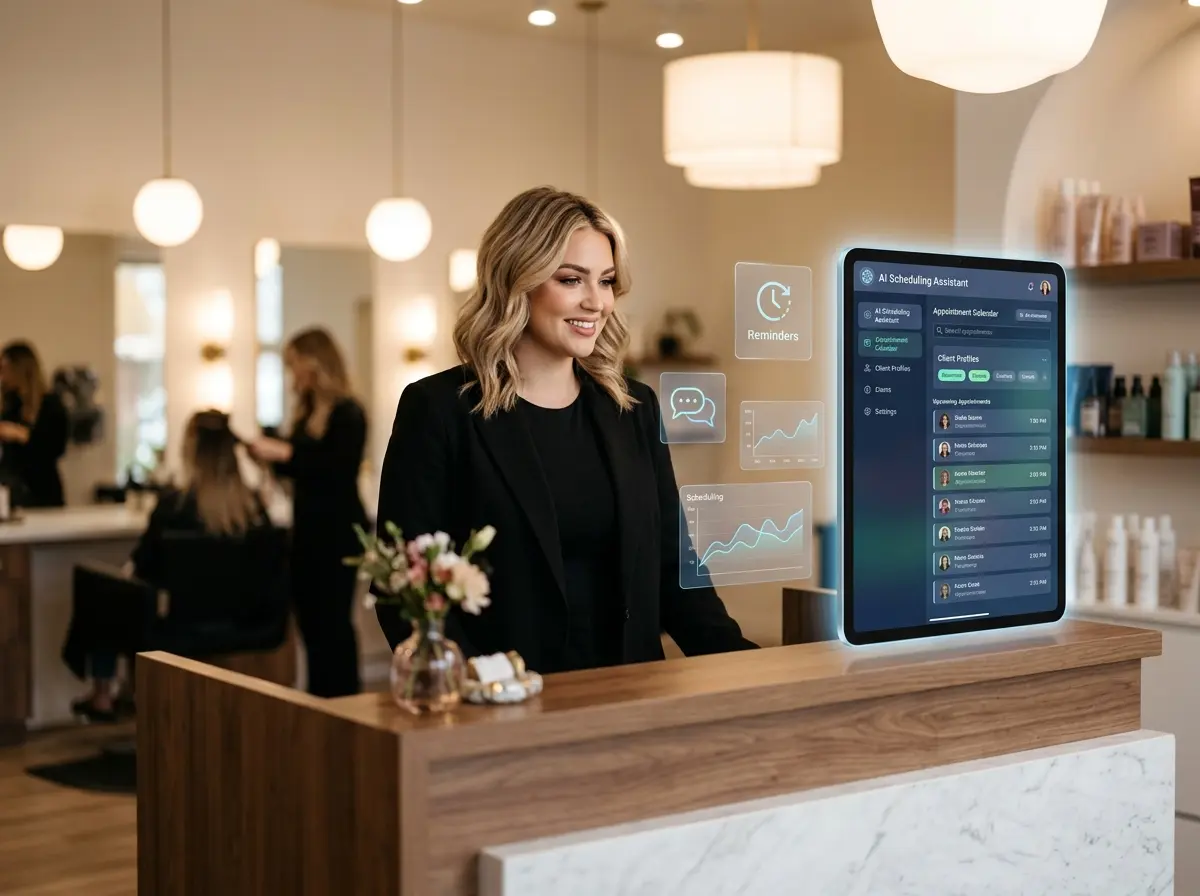
Waiting rooms are the perfect place to address this awareness gap. Digital signage displaying your full service menu, framed cards highlighting seasonal promotions, or even a friendly kiosk that answers questions can do the heavy lifting your front desk staff simply doesn't have bandwidth for. When you treat the waiting room like a curated showroom instead of a storage area for chairs, you'll be surprised how quickly upsell opportunities emerge organically.
First Impressions and Ambient Branding
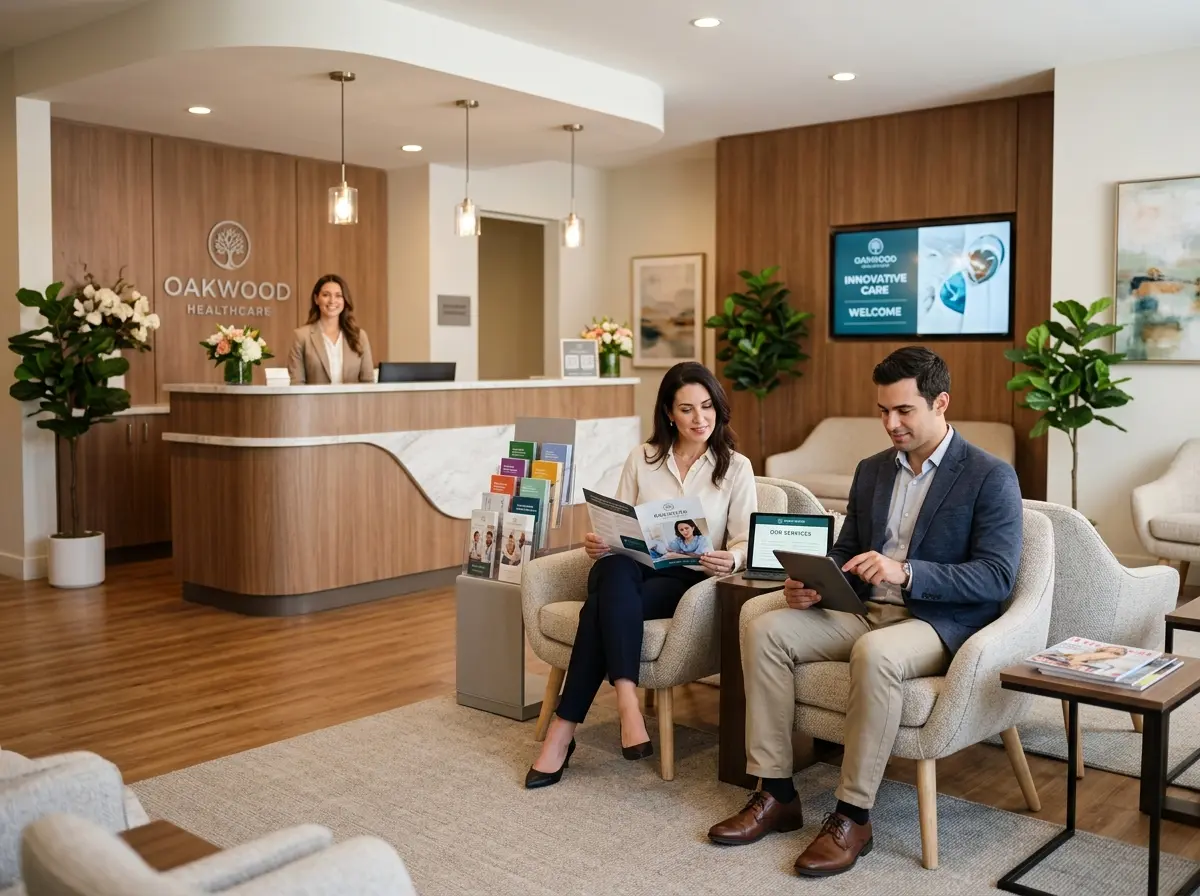
Whether you're running a law firm, a chiropractic practice, or a high-end salon, your waiting room is communicating your brand values constantly — whether you've intentionally designed it to or not. Peeling paint says one thing. A clean, well-lit space with thoughtful branding, consistent colors, and professional signage says something entirely different.
Ambient branding — the subtle, environmental expression of who you are — includes everything from the scent in the room to the font on your informational brochures. These details compound. A client who feels reassured and impressed while waiting is far more likely to accept a provider's recommendation, return for a follow-up, and refer a friend than one who spent twenty minutes sitting in visual chaos.
Let Technology Do the Talking (So Your Staff Doesn't Have To)
The In-Person Engagement Problem
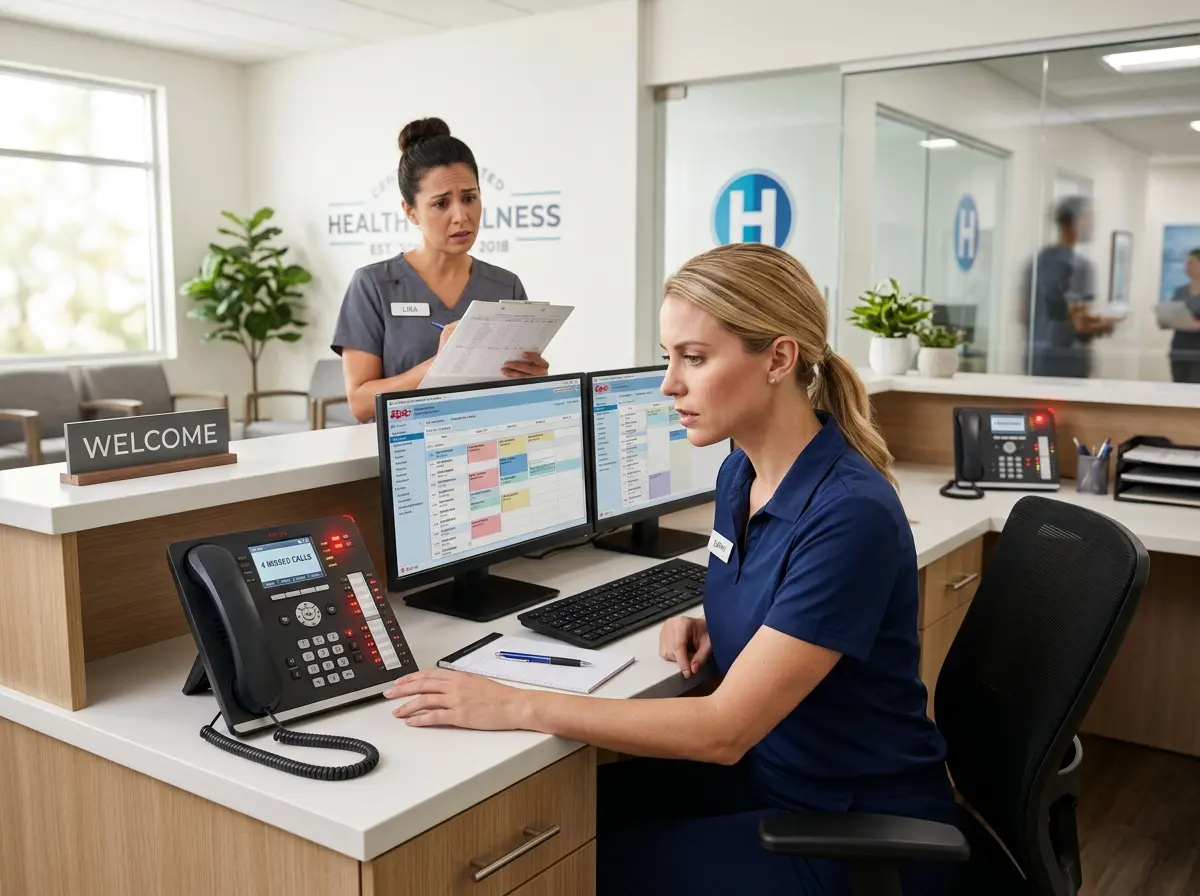
Front desk staff are remarkable multitaskers, but they are not magicians. Checking people in, answering the phone, processing payments, and managing scheduling — all simultaneously — leaves precious little time for proactive customer engagement. Asking them to also upsell your new membership program and educate every patient about your loyalty rewards is, frankly, a lot to ask.
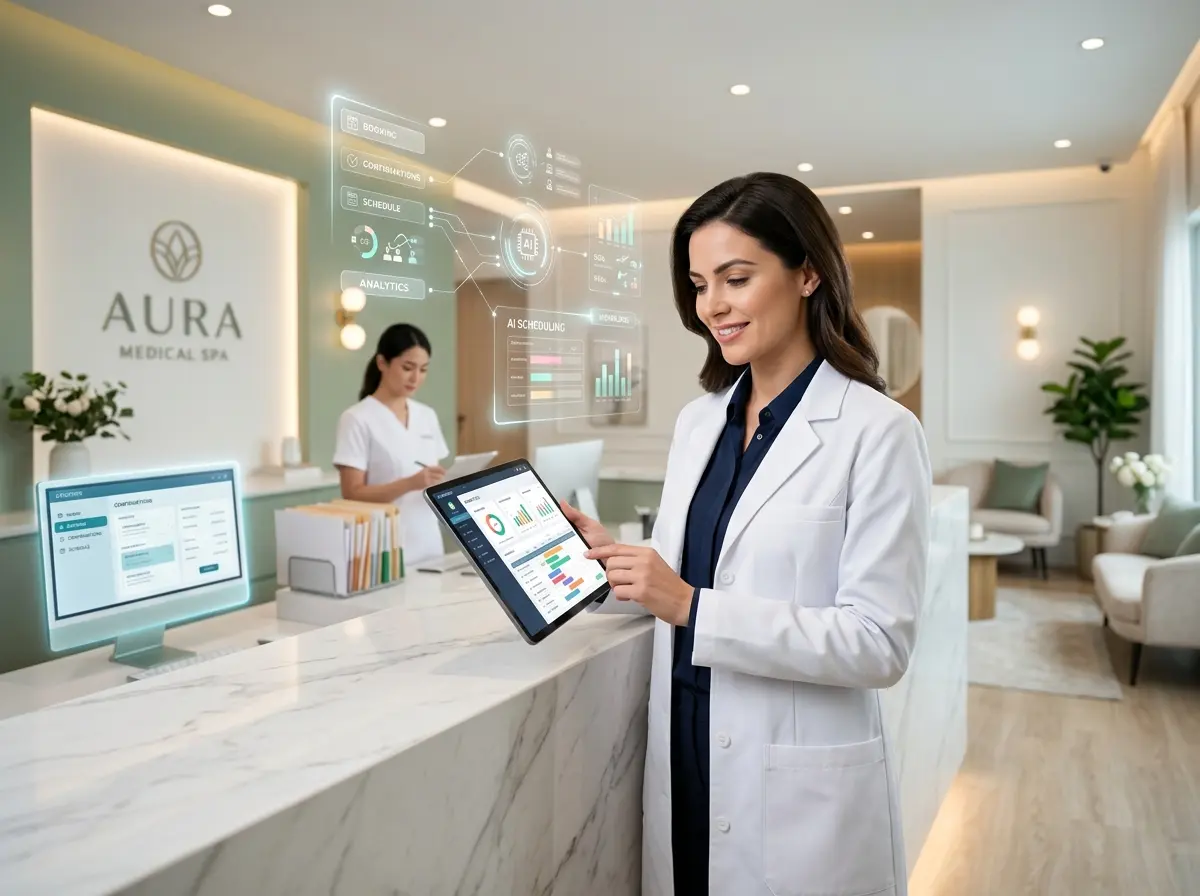
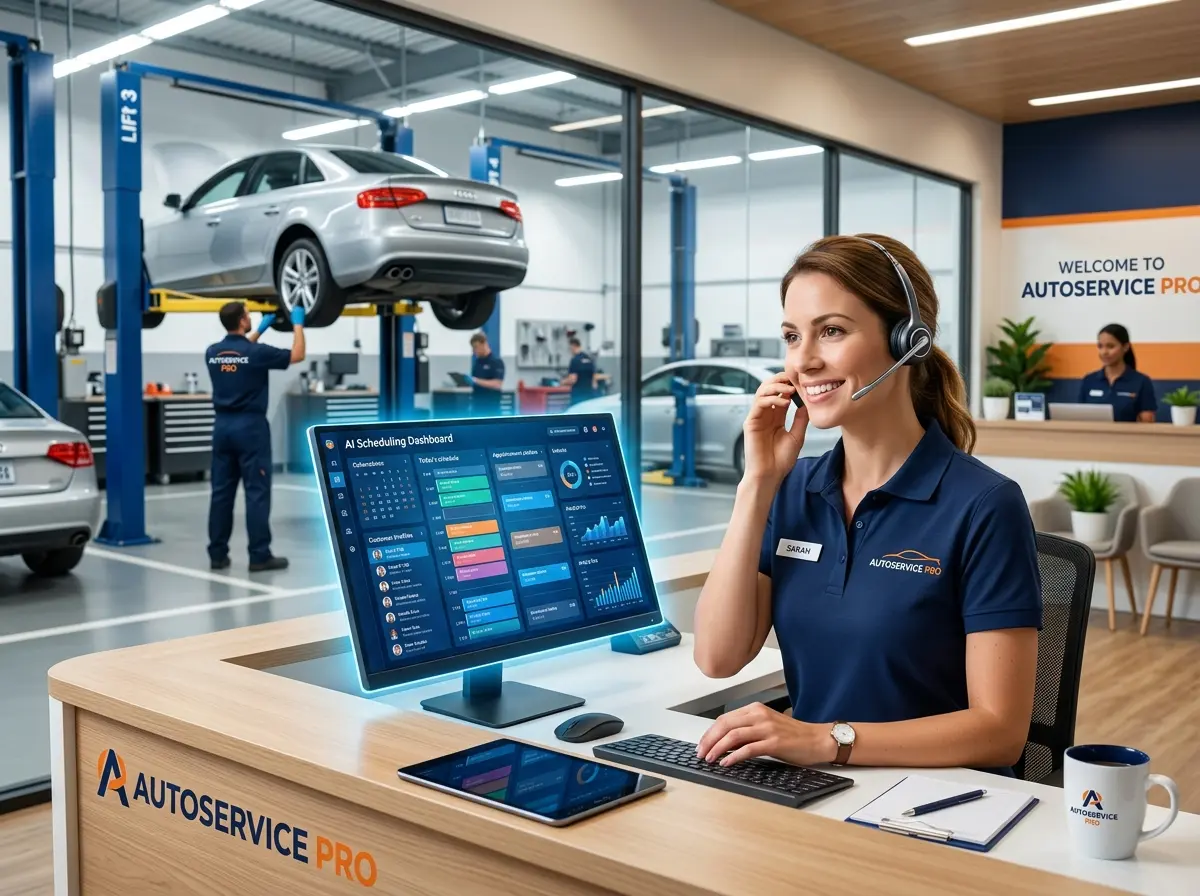
This is exactly where Stella fits in. Stella is an AI robot employee and phone receptionist designed for businesses with physical locations. She stands inside your practice as a friendly, human-sized kiosk and proactively engages walk-in visitors and waiting clients — greeting them, answering their questions, telling them about current promotions, and even collecting intake information conversationally. Your front desk team gets to breathe. Your waiting clients get helpful, engaging interaction. And your promotions actually get communicated to the people sitting right in front of you.
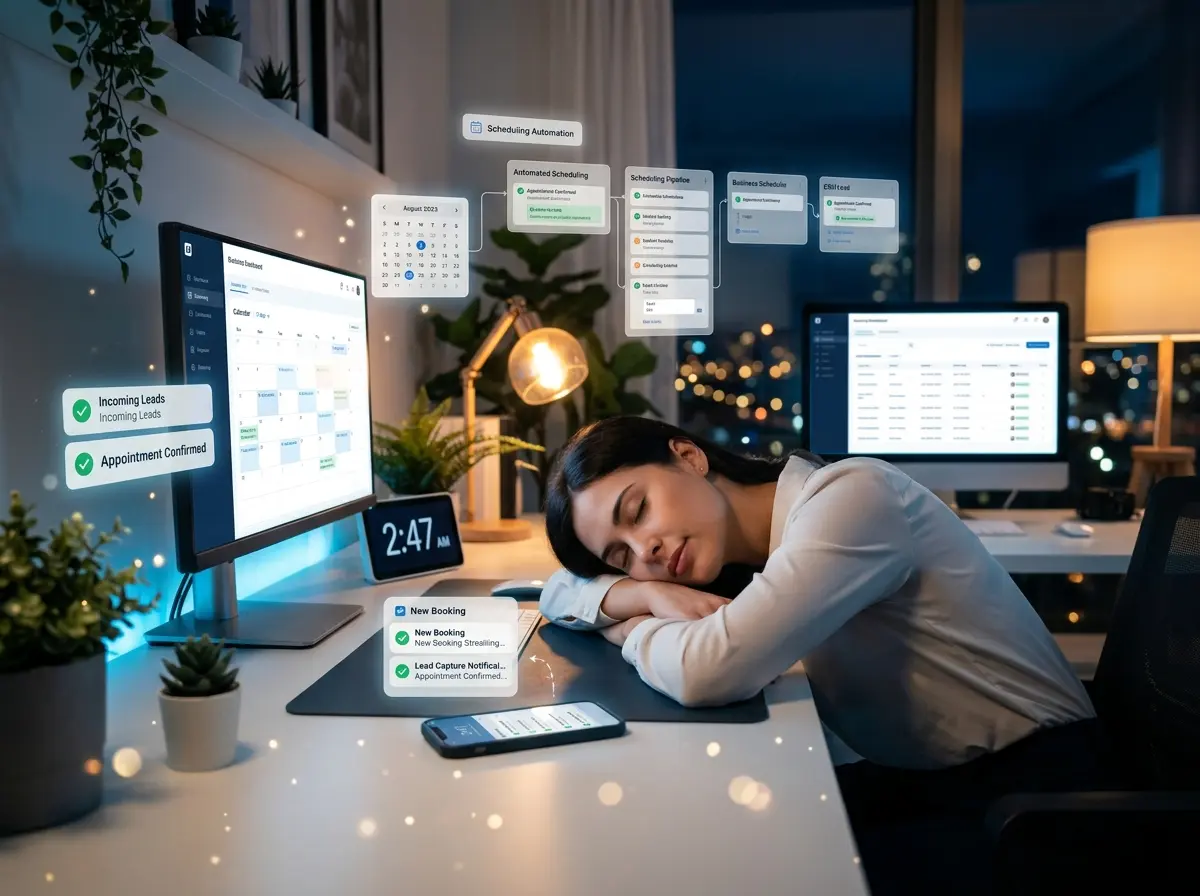
Beyond the waiting room, Stella answers phone calls 24/7 with the same business knowledge she uses in person, so whether a potential client is calling at 11pm or walking in during your lunch rush, the experience is consistent, professional, and helpful. She can even forward calls to human staff when needed — and takes AI-summarized voicemails with push notifications so nothing falls through the cracks.
Practical Strategies to Transform Your Waiting Room Experience
Digital Signage Done Right
A simple television cycling through a promotional slideshow is a massive upgrade over nothing — and it's more accessible than ever. Platforms like ScreenCloud or Canva's presentation mode let you create polished, professional displays without a graphic design degree. Rotate through your most popular services, highlight seasonal specials, feature patient testimonials (with permission), and remind people about your referral program. Keep slides brief, visually clean, and refreshed regularly so returning clients always see something new.
The key is relevance. A dental office showing ads for teeth whitening to a waiting room full of patients already in the door is far more effective than a generic social media ad shown to strangers. These people trust you enough to be here — use that trust to introduce them to more of what you offer.
Create a Feedback and Review Loop
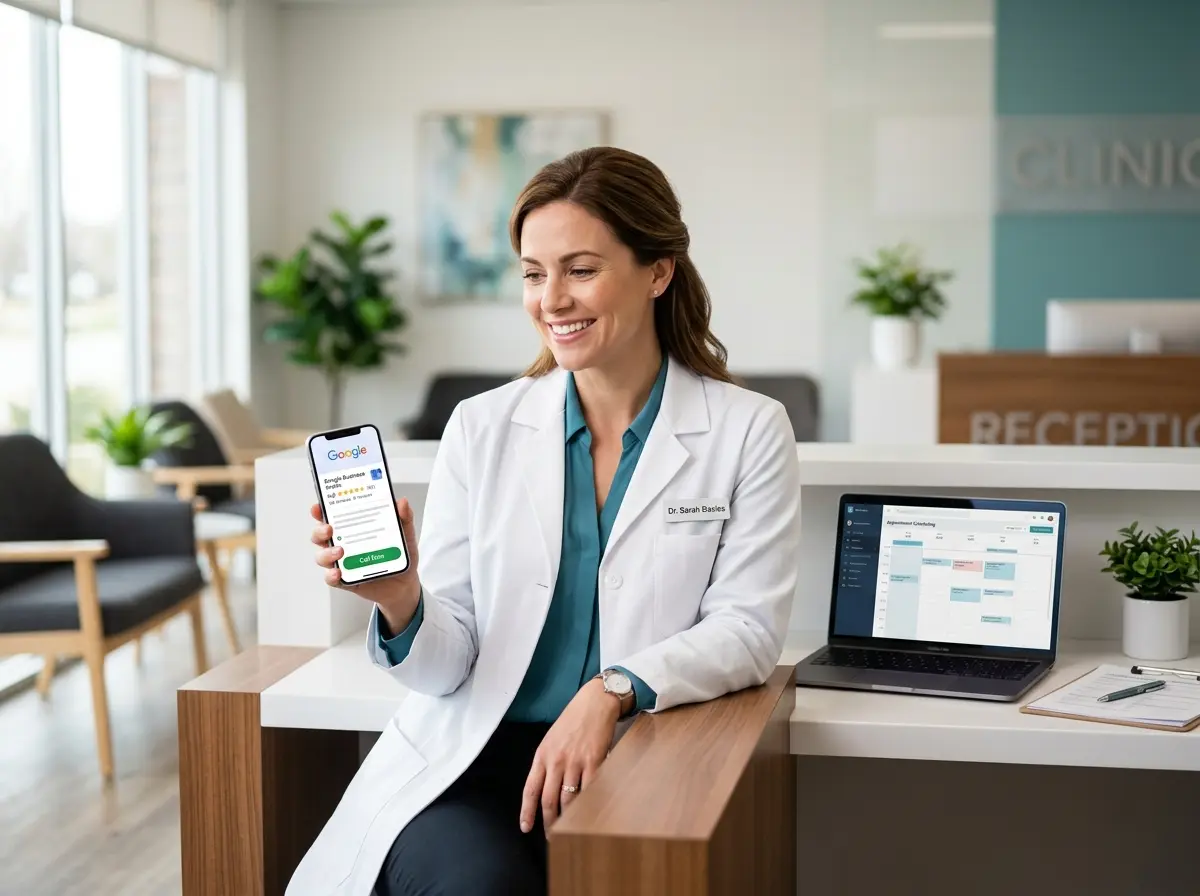
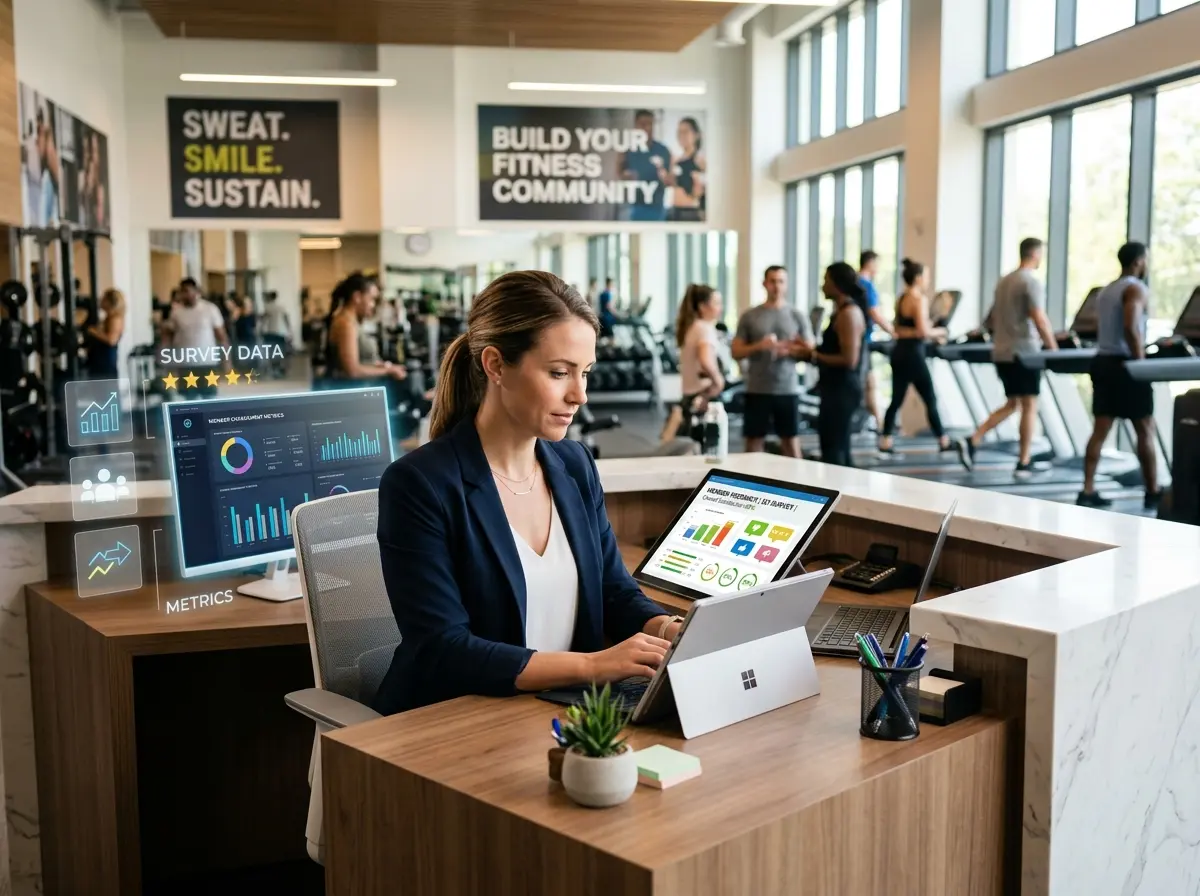
The waiting room is also an underutilized opportunity to collect feedback before a client leaves your building. A simple QR code on a table tent — linking to a short survey or directly to your Google review page — can dramatically increase your response rate compared to a follow-up email sent three days later. Engagement is highest when the experience is fresh and the person is still physically present.
Consider offering a small incentive: a discount on their next visit, entry into a monthly drawing, or a complimentary add-on service. The cost is minimal. The compounding benefit of a steady stream of authentic reviews is significant — both for search engine visibility and for the social proof that convinces new patients to book in the first place.
Educational Content That Builds Authority and Trust
One of the most overlooked waiting room strategies is simply educating your clients. A well-placed brochure explaining the difference between two similar treatments, a framed FAQ about your most common procedures, or a short video playing on a tablet can preemptively answer questions and reduce the time your providers spend on basic explanations during the appointment itself.
This approach also subtly reinforces your expertise. Clients who leave feeling more informed than when they arrived tend to trust their provider more, comply better with recommendations, and return at higher rates. Education isn't just good marketing — it's good practice management.
Quick Reminder About Stella
Stella is an AI robot employee and phone receptionist available for just $99/month with no upfront hardware costs — making her one of the most affordable ways to add a consistent, professional presence to your practice. She greets clients in person, promotes your offerings, handles phone calls around the clock, and never calls in sick. If you haven't explored what she can do for your waiting room and front desk, it's worth a look.
Conclusion: Stop Letting Your Waiting Room Waste Everyone's Time
Your waiting room will never stop existing. People will always arrive early, appointments will occasionally run behind, and clients will find themselves with a few unplanned minutes before they're called back. The question isn't whether that time exists — it's whether you're making it work for you.
Here are your immediate next steps:
- Audit your current waiting room — walk in through your front door as if you're a first-time client. What do you see? What are you missing? What could a waiting client learn in five minutes?
- Identify your top three underutilized services and find one way to feature each of them in your waiting area this week — a sign, a brochure, a screen slide.
- Add a QR code linking to your Google review page or client feedback form and place it somewhere visible in the waiting room.
- Consider automation for client engagement — whether that's a digital display system, a tablet with curated content, or a solution like Stella to handle in-person and phone interactions without adding to your staff's workload.
Dead time doesn't have to be dead weight. With a few intentional changes, your waiting room can become a marketing engine that educates, converts, and retains — quietly and consistently, every single day. Your clients are already sitting there. Give them something worth looking at.