Pour Yourself In: Why Your Tasting Events Are Missing the Mark
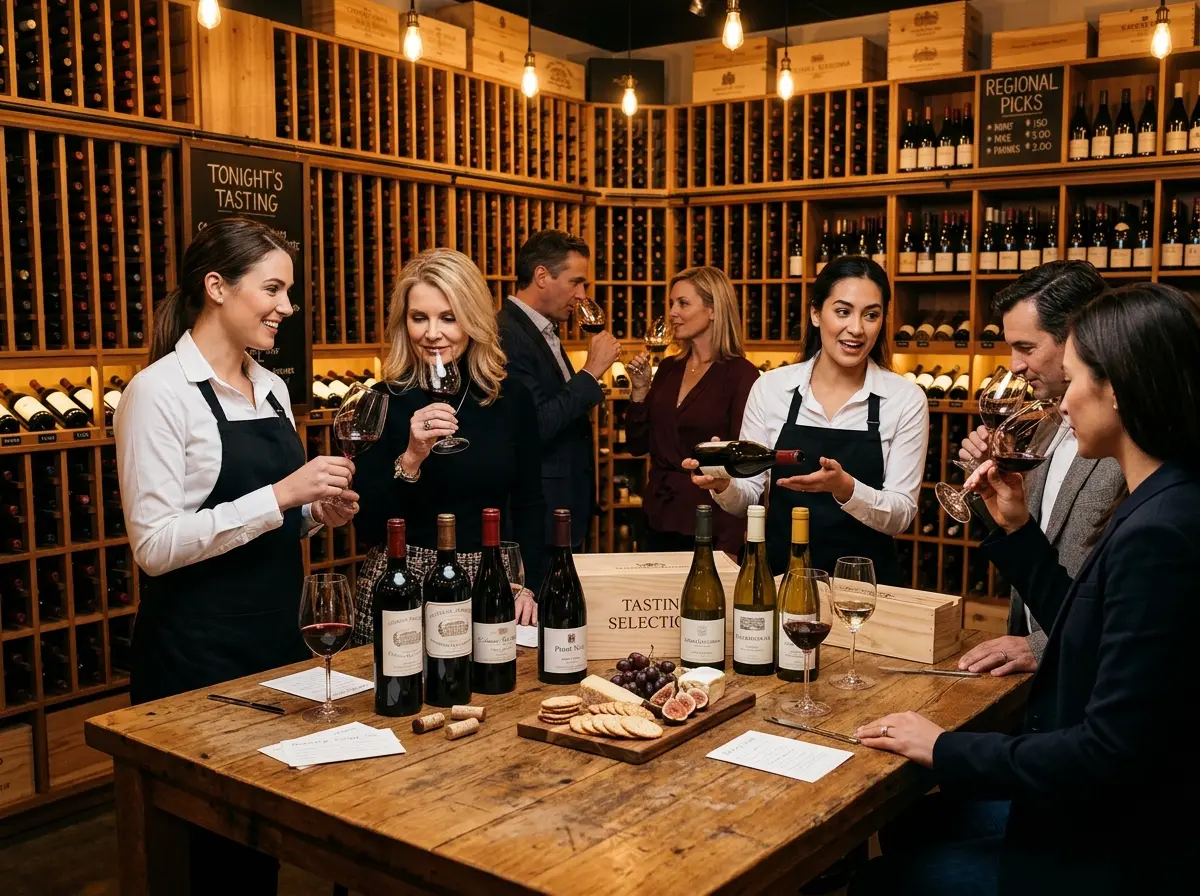
You've set out the cheese boards. You've polished the glasses. You've even ironed the tablecloth — which, let's be honest, is a level of ambition most of us reserve for holidays. And yet, after a lovely evening of "Ooh, lovely notes of blackberry" and "This pairs beautifully with the brie," your guests smile, thank you warmly, and walk out with a single bottle. Maybe two. Then they buy the rest from an online retailer at a slight discount because they had their phone out anyway.
Sound familiar? You're not alone. Wine shop owners invest real time, money, and effort into hosting tastings, but many stop short of turning those events into the revenue engine they're capable of being. The tasting was never supposed to be the destination — it was supposed to be the beginning of a relationship. And like any good relationship, it requires follow-through, strategy, and the occasional thoughtful nudge in the right direction.
This guide is here to help you close that gap — between "I had a lovely time" and "Yes, I'll take a case of that Barolo, please."
Setting the Stage for a Sale (Without Being Weird About It)
The single biggest mistake wine shop owners make with tastings is treating them as purely experiential events rather than as structured sales opportunities. There's nothing wrong with creating a memorable experience — in fact, it's essential — but experience without intention is just a party. And parties, while fun, don't pay the rent.
Design Your Tasting With a Narrative Arc
Think of your tasting like a story. It should have a beginning that draws people in, a middle that builds excitement, and an end that makes the purchase feel like the natural conclusion. This means being deliberate about the wines you choose, the order in which you present them, and the language you use throughout.
Start with something approachable and crowd-pleasing — this lowers the social temperature and gets people comfortable. Build toward your most distinctive or highest-margin offerings in the middle, when attention is high and palates are engaged. Finish with something memorable — a dessert wine, a special reserve, or an unexpected value find. End on a high note, and people will want to take that note home with them.
Research consistently shows that customers who attend in-store events spend 2–3 times more annually than those who never attend. The tasting isn't a cost — it's an investment in your highest-value customer relationships. Treat it accordingly.
Train Your Staff to Sell Without Selling
Nobody wants to feel like they're being upsold during what's supposed to be a relaxed evening. But there's a meaningful difference between high-pressure sales tactics and knowledgeable, enthusiastic recommendation. Train your staff to share genuine enthusiasm, tell the stories behind the wines, and casually mention availability, case discounts, or upcoming allocations — not as a pitch, but as helpful insider information.
Phrases like "We only got 48 bottles of this one" or "A lot of regulars have already reserved cases from this producer" are not manipulation — they're context. And context, delivered honestly, helps customers make decisions they'll feel good about. The goal is for your guests to leave feeling like they discovered something, not like they were sold to.
Make the Path to Purchase Frictionless
If someone has to hunt for a price list, wait for a staff member to check inventory, or fill out a complicated order form, you will lose them. Have printed cards at each wine station with the price, available formats (bottle, case, mixed case), and a clear case discount prominently displayed. Better yet, have a staff member stationed near the register at the end of the event whose entire job is to facilitate purchases warmly and efficiently. Remove every possible obstacle between "I loved that" and "I'll take twelve."
How Technology Can Keep the Conversation Going
Tastings are great for building relationships in the moment, but the fortune is in the follow-up. This is exactly where many wine shops leave money on the table — not during the event, but in the days and weeks after it.
Let Stella Handle the Overflow So You Can Focus on the Experience
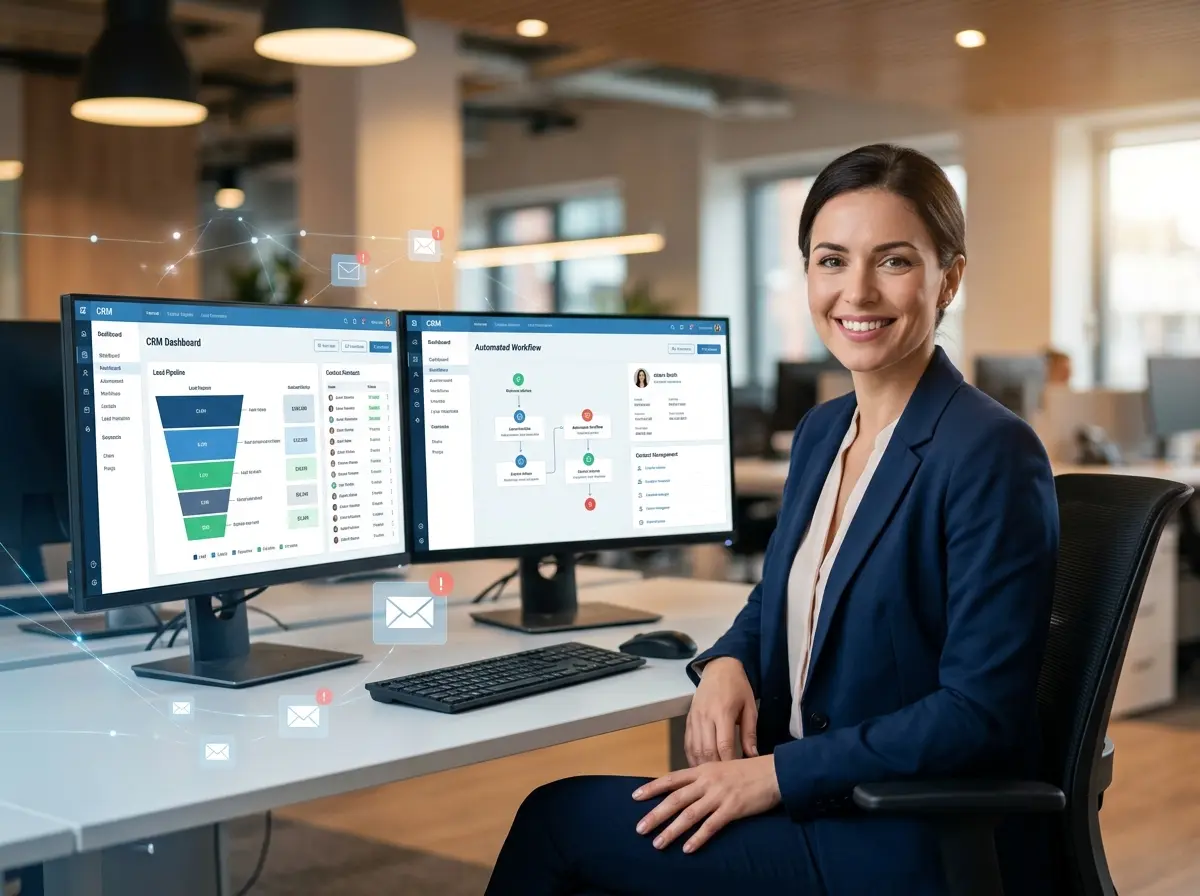
When you're hosting a tasting, your attention should be on your guests — not on answering the phone because someone wants to know your Saturday hours. Stella, an AI robot employee and phone receptionist, can handle incoming calls around the clock, answer common questions about your shop's hours, current inventory, upcoming events, and case pricing — all without pulling your team away from the event floor. For shops with a physical location, she also stands as a friendly, knowledgeable kiosk presence, greeting walk-in customers and sharing information about current promotions or tasting schedules. After the event, Stella's built-in CRM lets you log customer preferences, tag contacts by interest (Burgundy lovers, natural wine curious, "buys a case every December"), and collect intake information through conversational forms — so your follow-up outreach actually feels personal, because it is. At $99/month with no upfront hardware costs, it's one of the most practical tools a wine shop can add to its operation.
Converting the Room: During and After the Tasting
You've done the hard work. The wines are flowing, the conversation is warm, and guests are visibly enjoying themselves. Now it's time to convert that energy into sales — both tonight and in the months that follow.
Create Urgency Without Desperation
Limited availability is your friend — when it's true. If you genuinely have a small allocation of a popular wine, say so. If a producer is raising prices next quarter, mention it. If a case discount is only available through the end of the month, let people know. These aren't tricks; they're facts that help customers act in their own interest. What you want to avoid is manufactured pressure or vague "limited time" language that doesn't mean anything. Your guests are discerning — they'll see through it, and it will undermine the trust you've spent the evening building.
A simple, effective technique: at the end of the tasting, offer a brief recap of the evening's highlights and make a specific, low-pressure recommendation. Something like, "If you're only taking one thing home tonight, I'd make it the Côtes du Rhône — it's the one our regulars keep coming back for, and we're down to about two cases." Let the facts do the work.
Build a Follow-Up System That Actually Works
The majority of case sales don't happen on the night of the tasting — they happen because of what you do in the 48–72 hours that follow. Collect email addresses or phone numbers at the door (make it easy — a simple sign-in sheet or QR code works fine), and send a thoughtful follow-up the next day. Thank guests for coming, remind them of the wines they tasted, and make it easy to order. Include a direct link or a number they can call or text.
Segment your follow-ups when possible. If you know a guest was particularly enthusiastic about the Pinot Noirs, don't send them a generic newsletter — send them a note specifically about the Pinots, with a case recommendation. Personalization at this level doesn't require sophisticated software; it just requires paying attention and taking notes during the event. Over time, these small touches compound into loyal, high-value customers who view your shop as their wine advisor, not just a retailer.
Measure What's Working and Iterate
Not every tasting format will resonate equally with your customer base. Track your results: How many attendees converted to a purchase that evening? What was the average transaction size? How many returned within 30 days? Which wines drove the most conversation — and did that translate to sales? Over time, this data will tell you exactly which formats, themes, and price points are worth repeating. Don't just host another tasting because it's what you've always done — host one because the numbers tell you it works.
A Quick Reminder About Stella
Stella is an AI robot employee and phone receptionist designed to support businesses like yours — greeting customers in-store, answering calls 24/7, promoting events and specials, and managing customer contacts through a built-in CRM. She's available for $99/month with no upfront hardware costs, and she's always ready to work — even when your team is knee-deep in a tasting night and the phone won't stop ringing.
Pull the Cork and Make It Count
Hosting a tasting that converts to case sales isn't about being pushy — it's about being intentional. When you design your event with a narrative arc, train your team to guide rather than sell, remove friction from the purchase process, follow up thoughtfully, and use the right tools to stay connected with customers between events, the case sales start to feel less like a miracle and more like a natural outcome.
Here are your actionable next steps:
- Audit your next tasting plan for a clear narrative structure and a frictionless purchase path.
- Brief your staff on conversational selling techniques before the event — enthusiasm and context, not pressure.
- Set up a simple follow-up system to reach attendees within 48 hours with a personalized message.
- Start tracking your conversion data so you know what's working and what to change.
- Consider tools like Stella to keep your shop responsive and your customer relationships organized without adding to your team's workload.
The wine is good. Your guests already know that. Now give them every reason — and every opportunity — to bring a case of it home.