Introduction: The Secret Weapon Your Competitors Probably Aren't Using
Here's a scenario that might feel familiar: One of your employees does something truly outstanding — they calm down an upset customer, upsell a product perfectly, or handle a complicated situation with grace — and your response is… silence. Not because you're a bad manager. But because you were busy putting out seventeen other fires that day and completely missed it.
Meanwhile, that same employee will vividly remember the one time you pointed out something they did wrong. Funny how that works.
In retail, where employee turnover can hover around 60% annually according to the National Retail Federation, keeping good people is just as important as finding them. One of the most underutilized tools in a retail manager's toolkit isn't a new scheduling app or a fancy incentive program — it's simply catching employees being good and telling them about it. Welcome to the world of positive reinforcement, and yes, it's just as powerful as the organizational psychologists have been telling us for decades.
This guide will walk you through the practical mechanics of building a culture of positive reinforcement in your retail environment, why it matters more than you might think, and how to actually make it stick — without turning your store into an awkward episode of a corporate training video.
Why Positive Reinforcement Is the Retail Manager's Best Kept Secret
The Science (Don't Worry, It's Not Boring)
Positive reinforcement is rooted in behavioral psychology, specifically in B.F. Skinner's research on operant conditioning. In plain English: behaviors that are rewarded tend to be repeated. When your cashier gets genuine recognition for going above and beyond with a customer, their brain registers that as a win, and they're more likely to do it again. It's not manipulation — it's just how humans are wired.
The business case is hard to argue with. A Gallup study found that employees who feel adequately recognized are four times less likely to quit. Separate research from O.C. Tanner shows that 79% of employees who quit cite a lack of appreciation as a key reason for leaving. In retail, where training a single new employee can cost thousands of dollars in time and productivity, appreciation is genuinely one of the cheapest investments you can make.
The Specific Challenge in Retail Environments
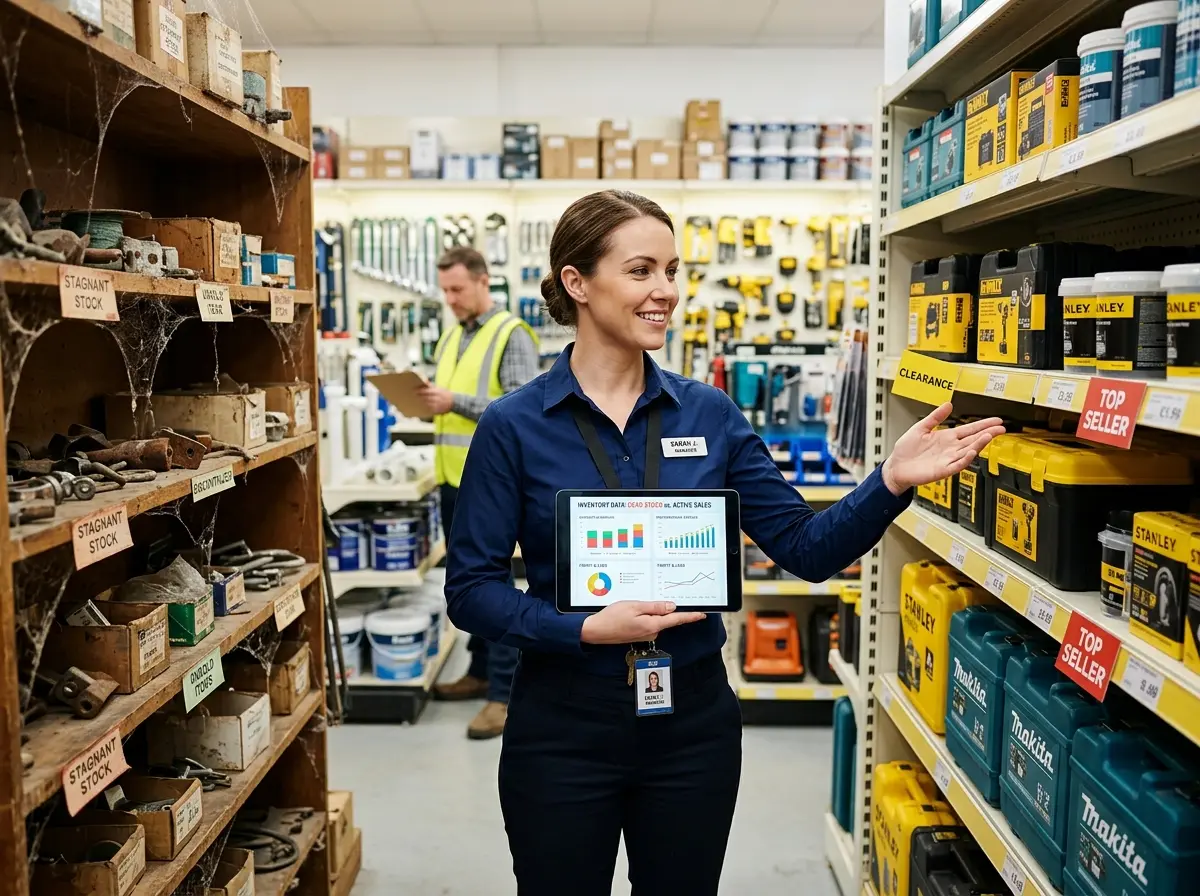
Retail managers face a unique set of obstacles when it comes to positive reinforcement. The floor is fast-paced. Customers need attention. Shipments come in. Someone just called out sick — again. The opportunities for recognition are there, but they fly by in real time, and if you blink, you miss them.
There's also the reality that retail management culture has historically skewed toward correction-heavy feedback. You notice what's going wrong because what's going wrong creates immediate problems. What's going right tends to just… keep going right, quietly and unacknowledged. Breaking this habit requires intentionality, which means it requires a system — not just good intentions.
Building a Recognition System That Actually Works
Make It Specific, Timely, and Genuine
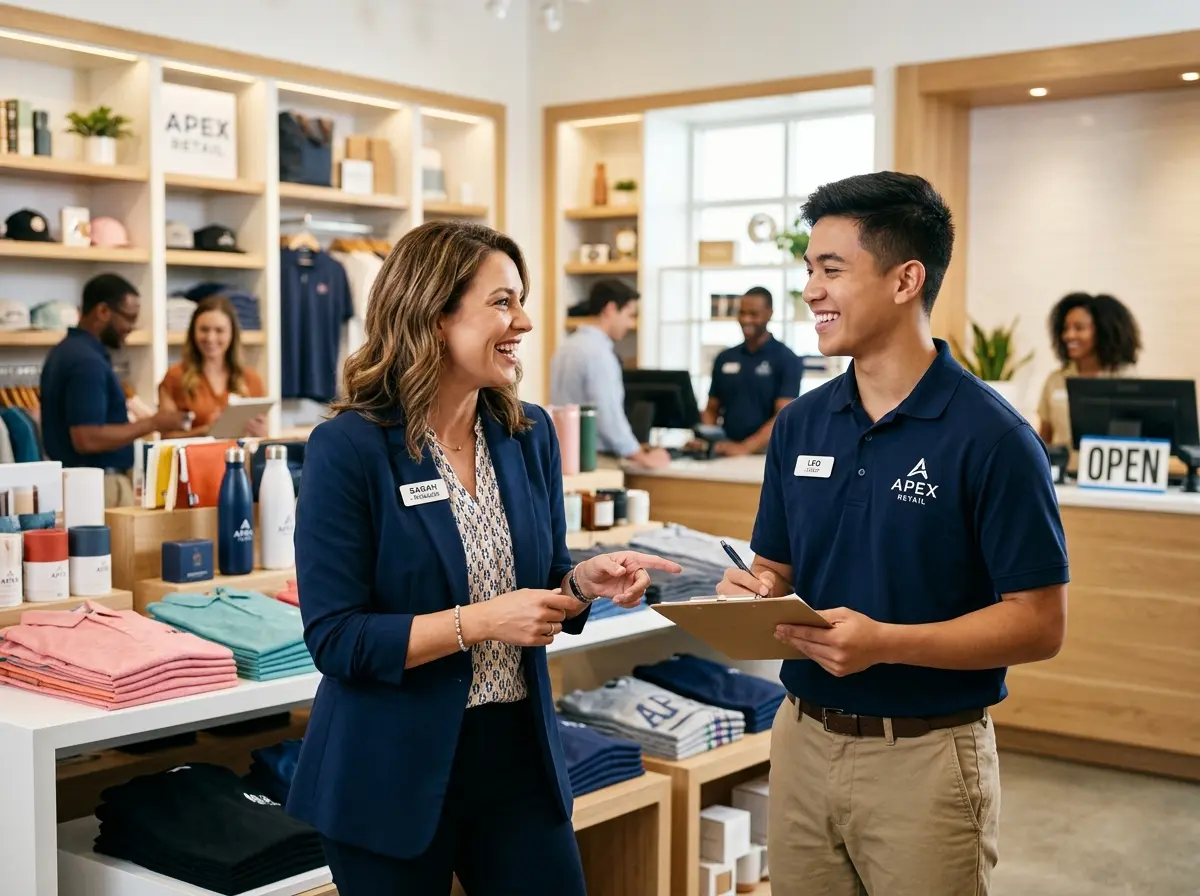
Generic praise is the fast food of employee recognition — it fills a brief moment but leaves everyone feeling a little hollow. "Good job today" lands with a thud compared to "I noticed how you handled that return situation with the customer who was clearly having a rough day. You stayed calm, found a solution, and she left smiling. That's exactly the kind of service that keeps customers coming back." Specific recognition tells the employee what they did well and why it mattered, which makes it far more likely they'll repeat the behavior.
Timing matters too. Recognition given in the moment — or at least the same day — carries significantly more weight than a vague compliment tossed out during a monthly meeting. Train yourself to notice and respond quickly. Keep a small notepad or a note on your phone to jot down moments you want to acknowledge before the shift ends.
Variety Keeps It Meaningful
Rotating your recognition methods prevents them from becoming wallpaper. Consider mixing the following approaches:
- Verbal praise delivered privately (for employees who hate being put on the spot) or publicly (for those who love it — always read the room)
- Written notes — a handwritten "thank you" left in a locker or posted publicly on a team board
- Peer-to-peer recognition programs where employees can nominate each other for a weekly shout-out
- Small tangible rewards — a gift card, an extra break, or first choice on scheduling for the following week
- Progression opportunities — asking a high performer to train a new hire or lead a section of your next team meeting
The key is making recognition feel personal. One employee might light up at a public shout-out on the team group chat. Another might find that mortifying and would much prefer a quiet, direct conversation from you. Getting to know your staff well enough to recognize them in the way they appreciate is itself a form of recognition.
How Technology Can Help You Catch More Good Moments
Freeing Up Your Attention
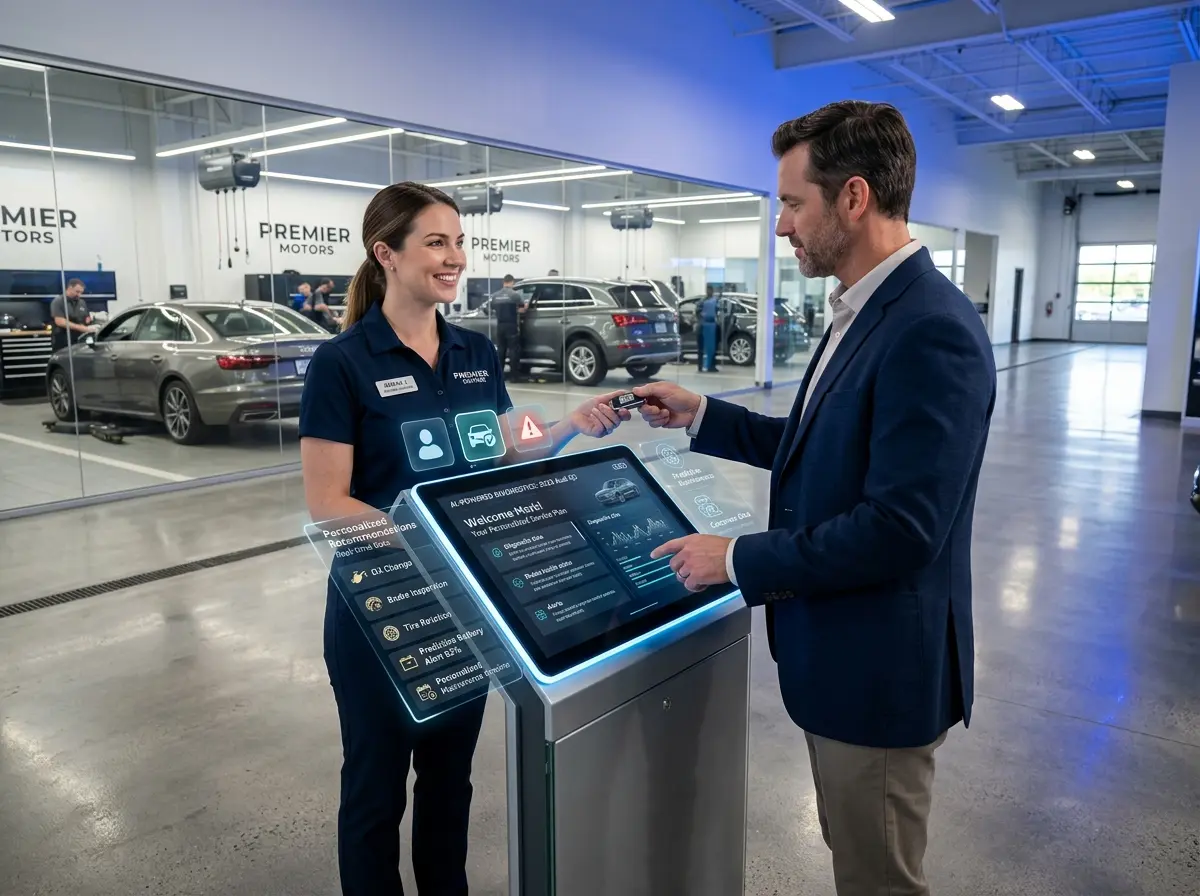
One reason managers miss recognition opportunities is simple: they're stretched too thin. When you're answering customer questions, fielding phone calls, and restocking displays, watching how your team performs becomes almost impossible. This is where smart delegation — including to technology — can quietly change everything.
Stella, the AI robot employee and phone receptionist, is designed to take a meaningful chunk of that operational noise off your plate. In-store, she greets customers, answers product and policy questions, promotes current deals, and handles the routine interactions that constantly pull managers and staff away from their actual work. On the phone side, she answers calls 24/7, forwards them based on your preferences, and handles intake and voicemails — so your staff aren't constantly interrupted mid-task. When your team isn't being pulled in a dozen directions, it becomes much easier to observe the quality of what they're doing and recognize them for it.
Creating a Culture Where Recognition Is the Norm
Lead From the Top (Yes, That Means You)
Culture in a retail environment flows downhill fast. If you, as the owner or manager, are visibly and consistently recognizing good work, your shift leads and senior employees will start doing the same. If you only ever surface when something goes wrong, that's the culture you're building — whether you intend to or not.
Start small if you need to. Commit to delivering two genuine, specific pieces of recognition per shift. That's it. Just two. Once it becomes habitual, it gets easier, and you'll start naturally noticing more moments worth acknowledging. Recognition is a skill, and like all skills, it improves with practice.
Involve Your Team in Defining "Good"
One underrated tactic is collaborating with your team on what excellent performance actually looks like in your store. When employees help define the standards, they're far more invested in meeting them — and in holding each other accountable. You might be surprised by how clearly your staff can articulate what great customer service looks like when someone asks them.
Consider running a short team exercise where everyone contributes examples of "a moment I was proud of at work" or "something a coworker did that impressed me." The answers often become the foundation of informal recognition criteria that feel meaningful because they came from the team itself.
Track It Like a Metric
If it's important, measure it. Keep a simple log of recognition moments — who was recognized, for what, and when. This serves multiple purposes: it ensures you're recognizing across your whole team (not just your obvious favorites), it gives you material for performance reviews, and it holds you accountable to making recognition a consistent practice rather than a random act of kindness when you happen to be in a good mood.
Some retail businesses build this into their weekly manager check-in: before discussing sales numbers or scheduling, each manager shares one recognition moment from the previous week. It takes three minutes and sets a tone that people notice.
A Quick Reminder About Stella
Stella is an AI robot employee and phone receptionist built for businesses like yours. She greets customers in-store, answers questions, promotes deals, and handles your phones around the clock — all for $99/month with no hardware costs. If you want your team freed up to actually do the great work worth recognizing, having a reliable presence that handles the repetitive stuff is a pretty good place to start.
Conclusion: Start Catching Them Being Good — Today
Positive reinforcement isn't a soft, feel-good concept reserved for elementary school classrooms. In retail, it's a hard-nosed business strategy with measurable impact on retention, morale, customer experience, and ultimately, your bottom line. The research is clear. The logic is undeniable. The only question is whether you're willing to make it a priority.
Here's your action plan to get started:
- Commit to two specific recognition moments per shift — set a reminder if you need to.
- Make your praise specific and timely — name the behavior, name the impact.
- Rotate your recognition methods and personalize them to your individual employees.
- Involve your team in defining what excellent work looks like in your store.
- Track your recognition habits to ensure consistency across your whole staff.
- Use tools and technology to lighten your operational load so you can actually observe your team doing good work.
Your best employees are doing remarkable things every single shift. The only question is whether you're paying enough attention to notice — and whether you're telling them about it when you do. Start catching them being good. You might be surprised how much it changes things.