Introduction: The Customers You've Already Won (And Then Completely Forgotten About)
Here's a fun little math problem for your Tuesday afternoon: You've spent years building your bookstore, carefully curating your shelves, perfecting your coffee corner, and training your staff to enthusiastically recommend obscure Nordic crime fiction to anyone who makes eye contact. You've worked hard to earn every single customer. So why are you spending the majority of your marketing budget trying to find new ones?
Studies consistently show that acquiring a new customer costs five to seven times more than retaining an existing one. And yet, most small business owners — bookstores included — pour their energy into the shiny new pursuit while their existing customer base quietly drifts away, one unreturned email and one forgotten loyalty punch card at a time.
The dormant customer problem is real, and it's expensive. Research from Harvard Business Review suggests that increasing customer retention rates by just 5% can increase profits by 25% to 95%. That's not a typo. Your forgotten 90% — the customers who've visited once or twice and haven't been heard from since — represent an enormous, largely untapped revenue opportunity sitting right there in your records.
The good news? Re-engaging dormant customers is entirely achievable, and for a local bookstore, it can be done with genuine warmth and personality rather than corporate cold-call energy. Let's talk about how.
Understanding Why Customers Go Quiet in the First Place
They Didn't Leave Angry — They Just Left
One of the most important things to understand about dormant customers is that the vast majority of them didn't storm out after a bad experience. They didn't write a scathing review or swear off your shop forever. They simply... drifted. Life got busy, they discovered a shiny new subscription box service, or they just forgot that your little corner shop exists between the dry cleaner and the insurance office.
According to research by the White House Office of Consumer Affairs, 68% of customers who stop doing business with a company do so because they felt the company was indifferent to them. Not because of bad service. Not because of pricing. Indifference. They felt like a stranger, and eventually, they acted like one. This is particularly painful for bookstores, which often pride themselves on community and connection — it turns out good vibes don't automatically re-engage someone who hasn't heard from you in eight months.
The "Out of Sight, Out of Mind" Problem
For a local bookstore, you're competing not just with Amazon (everyone's favorite villain), but with the relentless noise of modern life. Your customers are bombarded with hundreds of marketing messages daily. If you're not staying in touch consistently, you're not just losing ground — you're essentially invisible. A customer who loved your staff recommendations and your cozy atmosphere last spring has probably since been dazzled by a dozen other shiny distractions.
The solution isn't to spam people. It's to be intentional and relevant in how you communicate. Dormant customers respond best to outreach that feels personal, timely, and genuinely useful — not another generic "We miss you! Here's 10% off" email that could have come from literally any business on the planet.
What "Dormant" Actually Means for Your Store
Before you can re-engage dormant customers, you need to define what dormant looks like for your specific shop. For a bookstore, a customer who hasn't visited or purchased in three to six months might reasonably be considered dormant. Someone who hasn't engaged in over a year is deeply dormant. Segment these groups differently — your re-engagement messaging for a three-month ghost should feel very different from your Hail Mary outreach to someone who hasn't set foot in your store since the Obama administration.
How the Right Tools Can Make Re-Engagement Dramatically Easier
Knowing Who Your Dormant Customers Are (Your CRM Is Not Optional)
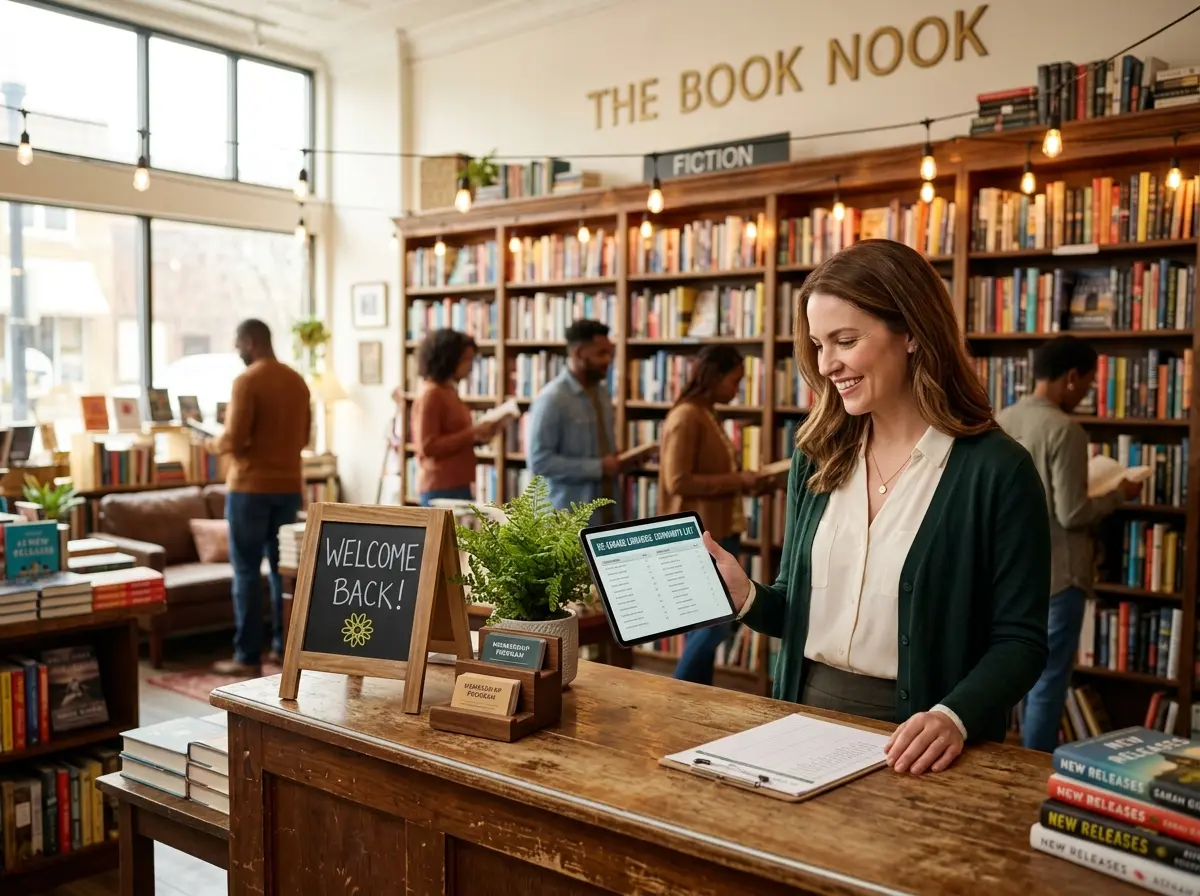
You cannot re-engage customers you can't identify. This is where a surprising number of small bookstores fall flat — they have a vague notion that certain regulars haven't been around lately, but no actual system for tracking it. A proper CRM (Customer Relationship Management) system isn't just for enterprise companies with sales teams and quarterly targets. It's for anyone who wants to treat customers like people rather than anonymous foot traffic.
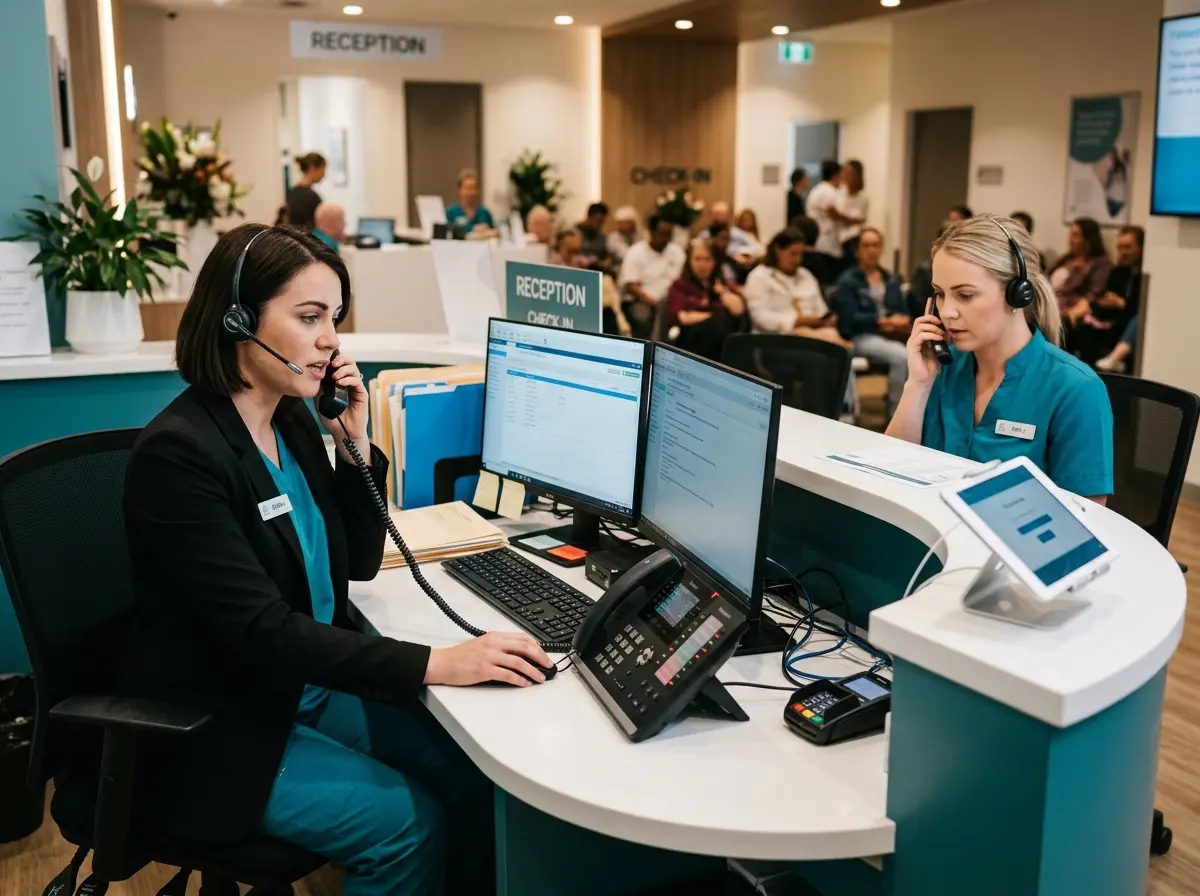
Stella, the AI robot employee and phone receptionist, can help bookstores capture and manage customer information from the very first interaction. Whether she's greeting a customer at her in-store kiosk, collecting information through a conversational intake form on a phone call, or logging visitor details on the web, Stella feeds data directly into a built-in CRM with custom fields, tags, and AI-generated customer profiles. That means when someone walks in for the first time and asks about your local author section, that interaction doesn't just vanish into the ether — it becomes a record you can actually use. No more mystery customers. No more guessing who came in last February.
Crafting Re-Engagement Campaigns That Actually Work
Personalization Is Everything — Generic Is the Enemy
The cardinal sin of re-engagement marketing is treating every dormant customer exactly the same. A customer who bought three fantasy novels and a bookish tote bag does not want an email about your upcoming business biography series. Segment your outreach based on past purchase behavior, stated preferences, and engagement history. Even a simple "Hey, we just got in the new release from an author you've bought before" message will outperform a generic blast every single time.
Your messaging should also acknowledge the gap without being weird about it. Something like, "We know life gets busy — but we've been saving some good reads for you" lands far better than guilt-tripping someone for their absence or pretending no time has passed at all. Keep it warm, keep it human, and keep it specific to your store's personality. Your bookstore has a voice — use it.
Make the Incentive Worth Coming Back For
A discount alone rarely moves the needle, especially for a dormant customer who has already demonstrated they can live without you. Instead, think about what would genuinely excite your specific audience. Consider an exclusive in-store event — an author reading, a wine-and-books evening, or a staff picks night — that offers something they genuinely can't get from Amazon Prime. Experiential incentives perform particularly well for indie bookstores because they lean into your greatest competitive advantage: you are a place, not just a transaction.
Pairing a modest discount with an exclusive experience is the sweet spot. "Come back this month, get 15% off, and join us Thursday evening for a free author talk" gives dormant customers both a financial nudge and a reason to feel excited about walking through your door again rather than just mildly guilty about not having done so sooner.
Follow Up Without Being Annoying (Yes, It's Possible)
Re-engagement isn't a one-and-done email. Most dormant customers need two to three meaningful touchpoints before they act — but there's a crucial difference between a thoughtful follow-up sequence and harassing someone into unsubscribing. A sensible re-engagement cadence might look like: a personal reconnection message at week one, a value-add follow-up (a curated reading list, a new arrivals update) at week three, and a final soft close ("We'd love to see you, but no pressure!") at week six. If they haven't responded after that, remove them from active campaigns and revisit in six months. Respecting someone's silence is also good marketing.
Quick Reminder About Stella
Stella is an AI robot employee and phone receptionist designed to help businesses like yours run more smoothly, retain customers more effectively, and never miss an opportunity — whether that's greeting someone at the door, answering a phone call at 11 p.m., or capturing customer details that make campaigns like the ones above actually possible. She's available for $99/month with no upfront hardware costs, works across virtually any industry, and is ready to go with minimal setup. Essentially, she's the employee who never calls in sick and never forgets a customer's name.
Conclusion: Your Dormant Customers Are Waiting — Go Get Them
Re-engaging dormant customers isn't a moonshot strategy reserved for big-budget retailers. It's a practical, high-return initiative that any local bookstore can pursue with the right systems, the right messaging, and a genuine commitment to treating customers like the valuable humans they are rather than line items in a spreadsheet.
Here's your actionable game plan to get started:
- Define your dormant threshold. Decide what "dormant" means for your store — three months, six months, one year — and segment accordingly.
- Audit your customer data. If it's a mess, fix it. Implement a CRM solution (like Stella's built-in system) so you're never starting from scratch again.
- Craft segmented outreach. Use purchase history and preferences to personalize your re-engagement messages. Generic is forgettable.
- Lead with experience, support with incentive. Give dormant customers a reason to be excited, not just a reason to feel slightly less guilty about ignoring you.
- Follow a sensible cadence. Two to three touchpoints over four to six weeks, then respect the silence and revisit later.
- Measure and refine. Track open rates, redemption rates, and return visit frequency so you know what's working and what deserves a respectful retirement.
Your dormant customers already know your name, already liked your store enough to visit at least once, and already exist in your world. That's more than you can say for any cold prospect. The only question now is whether you're going to reach out — or keep pretending you didn't notice they were gone.
Spoiler: they noticed you didn't notice. Time to fix that.