So, You Want to Sell Online? Welcome to the Club Nobody Warned You About
Let's set the scene: You've got a great product, loyal local customers, and a store that runs on charm and hustle. Then someone — probably your nephew — says, "You should really be selling online." And just like that, you're three browser tabs deep into Shopify pricing, questioning your life choices, and wondering if you can just not do this.
Good news: you absolutely can build a simple, functional e-commerce store without losing your mind, your savings, or your will to live. Thousands of small retailers make the leap every year, and many of them are far less tech-savvy than you. According to the U.S. Department of Commerce, e-commerce sales have grown consistently year over year, now accounting for roughly 15–16% of total retail sales — a number that keeps climbing. If your store doesn't have an online presence yet, you're not late to the party, but you're definitely not early either.
This guide is here to walk you through the essentials of launching a simple e-commerce store — without the fluff, the jargon, or the suggestion that you need to hire a six-person digital agency to get started.
Building the Foundation: Choosing the Right Platform and Getting Set Up
Before you can sell anything online, you need a place to sell it. This is where most small retailers get paralyzed — and understandably so. The platform landscape is crowded, and every option promises to be the easiest, cheapest, and most powerful. They can't all be right. Here's how to cut through it.
Picking Your E-Commerce Platform
For most small retailers just getting started, the choice comes down to a handful of solid options: Shopify, WooCommerce (for WordPress users), Square Online, and BigCommerce. Each has its strengths.
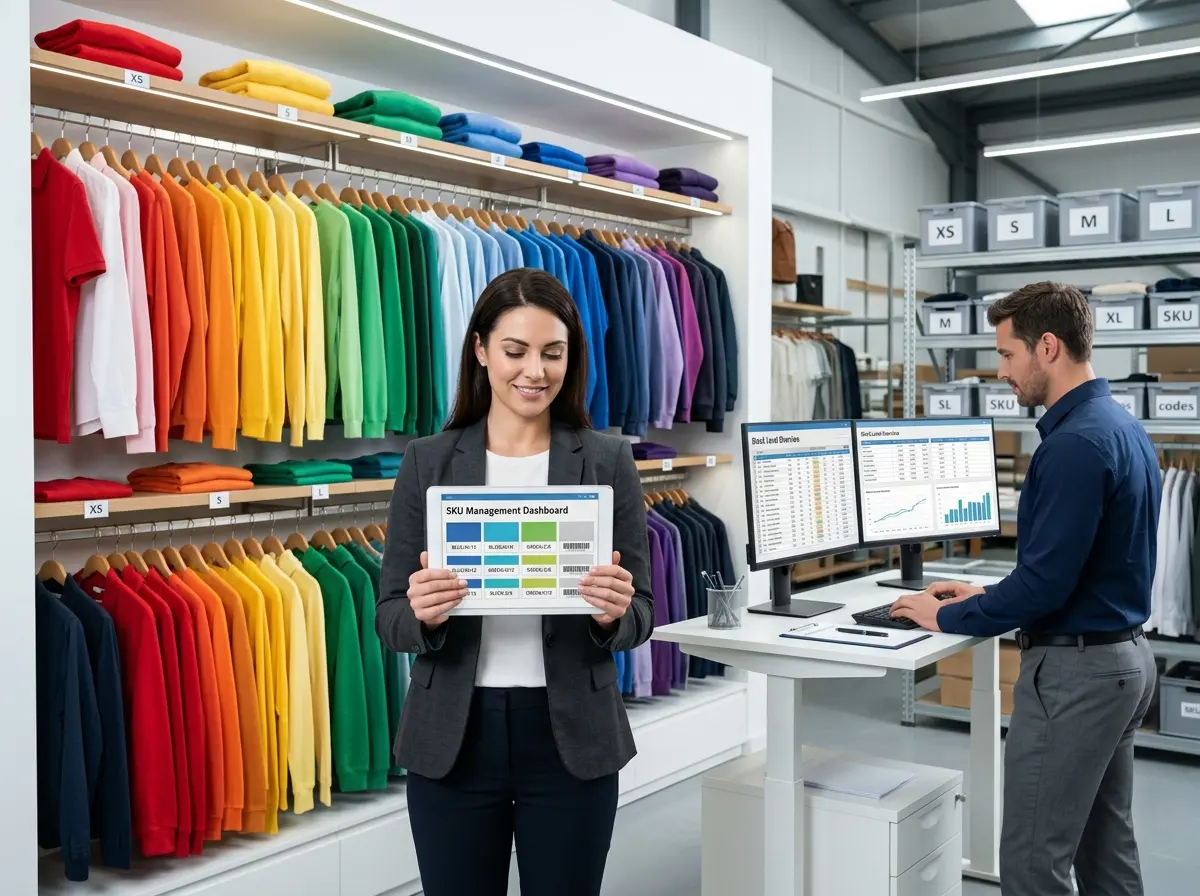
Shopify is arguably the most beginner-friendly and offers everything in one place — hosting, payment processing, templates, and inventory management. Plans start around $39/month, which is a reasonable investment for what you get. Square Online is worth considering if you already use Square for in-store point-of-sale, since the inventory syncs automatically (a genuinely wonderful feature that saves time and prevents the embarrassing "sorry, we're actually out of that" email). WooCommerce is free to install but lives on WordPress, which means a bit more technical setup — though with the right plugins, it's highly customizable.
The honest advice? Don't overthink this. Pick a platform that fits your budget, start selling, and optimize later. A simple store that's live beats a perfect store that's still being planned.
Setting Up Your Product Catalog the Right Way
Once you've got your platform, it's time to load your products — and this step matters more than most people realize. Poorly written product listings are one of the biggest reasons small e-commerce stores underperform. Shoppers can't touch, smell, or try on your products, so your descriptions and photos have to do the heavy lifting.
Use clear, well-lit photos with neutral backgrounds. Write descriptions that go beyond "great quality item" — explain what the product does, who it's for, and why someone should choose it over a competitor. Include dimensions, materials, and any relevant details. And please, write your own copy. Customers can tell when they're reading manufacturer boilerplate, and it doesn't inspire confidence.
Organize your products into logical categories from the start. It's much easier to build a clean structure now than to reorganize 200 products six months in. Think about how your customers would naturally browse — by product type, by use case, by price range — and build your navigation accordingly.
Payment Processing and Shipping: Get This Right Early
Nothing kills an online sale faster than a confusing checkout experience. Make sure you're accepting the major payment methods your customers expect: credit and debit cards, PayPal, and ideally Apple Pay or Google Pay for mobile shoppers. Most platforms handle this natively, but double-check your settings before you go live.
Shipping is its own adventure. Decide upfront whether you'll offer flat-rate shipping, free shipping (baked into your pricing), or real-time carrier rates. Free shipping over a minimum order threshold — say, $50 or $75 — is a proven tactic to increase average order value. Set up a simple return policy and make it visible. Customers are far more likely to buy when they know returns won't be a nightmare.
Keeping Your In-Store and Online Presence Working Together
Here's something a lot of small retailers don't fully think through: when you launch an e-commerce store, you're not just adding a new revenue channel — you're doubling your customer touchpoints. Shoppers will call to ask if something is in stock. They'll walk into your store having already browsed online. They'll expect consistency between your physical and digital experience.
How Stella Can Help Bridge the Gap
This is exactly where Stella — an AI robot employee and phone receptionist — earns her keep. As customers start finding you online and calling with questions, Stella handles those calls 24/7, answering questions about product availability, store hours, return policies, and current promotions with the same knowledge she uses in person at your store kiosk. She can also collect customer information through conversational intake forms during calls or at the kiosk — feeding that data directly into her built-in CRM so your team has clean, organized records without manual data entry.
For a small retailer managing both a physical location and a new online store, Stella reduces the operational chaos that comes with growth — so your staff can focus on fulfilling orders and helping in-store customers instead of fielding the same five questions over and over again.
Driving Traffic and Actually Making Sales
Congratulations — your store is live. Now comes the part nobody warns you about: a website with no visitors is just an expensive brochure. Getting traffic to a new e-commerce store takes deliberate effort, but it doesn't have to mean a massive ad budget or an MBA in digital marketing.
Start With What You Already Have
Your existing customers are your most valuable marketing asset. Email them. Post on your social media channels. Put a sign in your physical store window. Add your website URL to your receipts, your packaging, and your email signature. Tell people. Seriously — this sounds obvious, but a surprising number of retailers launch a website and then wait for magic to happen.
If you have an email list of even a few hundred customers, a simple launch announcement can generate your first wave of online orders within days. Offer a small discount for first-time online purchases to incentivize the switch. People who already trust your brand are the easiest to convert.
Local SEO and Google Shopping: Low-Cost, High-Return
Search engine optimization sounds intimidating, but for small retailers, the basics are genuinely achievable. Start by claiming and optimizing your Google Business Profile — it's free, and it dramatically improves your visibility in local search results. Make sure your store name, address, phone number, hours, and website are accurate and consistent everywhere they appear online.
Google Shopping ads are another underutilized tool for small retailers. Unlike traditional ads, Shopping ads show your actual product images and prices directly in search results — and they tend to attract buyers who are further along in their decision-making. You can start with a modest daily budget and scale up based on what converts. Most e-commerce platforms integrate with Google Merchant Center, making the setup fairly painless.
Social Proof and Reviews: Your Secret Weapon
Online shoppers are skeptical by nature — and rightly so. Reviews, testimonials, and user-generated content are what turn browsers into buyers. After every online order, send a follow-up email asking for a review. Make it easy; link directly to your Google listing or product page. Feature customer photos on your website and social channels (with permission). Even a handful of genuine reviews can meaningfully increase your conversion rate.
According to data from BrightLocal, 98% of consumers read online reviews for local businesses. That number should motivate you to make review collection a standard part of your post-purchase process, not an afterthought.
Quick Reminder About Stella
Stella is an AI robot employee and phone receptionist designed specifically for businesses like yours — she greets customers in-store at her kiosk, answers phone calls around the clock, promotes your deals, and handles routine questions so your team doesn't have to. At $99/month with no upfront hardware costs, she's built to be accessible for small retailers, not just enterprise brands. As your e-commerce store grows and customer inquiries increase, Stella scales right alongside you.
Your Next Steps: From "I Should Do This" to Actually Doing It
Launching an e-commerce store is one of those things that feels overwhelming in the planning stage and surprisingly manageable once you actually start. The retailers who succeed aren't the ones with the biggest budgets or the fanciest websites — they're the ones who get something live, learn from real customers, and keep improving.
Here's a practical sequence to get you moving:
- Choose your platform — Shopify or Square Online are great starting points for most small retailers.
- Load your top 20–30 products — don't wait until your entire catalog is perfect. Start with your bestsellers.
- Set up payments and a basic shipping policy — keep it simple, you can refine later.
- Announce to your existing customers — email, social, in-store signage, all of it.
- Claim your Google Business Profile and connect Google Merchant Center for Shopping ads.
- Build a review collection habit into your post-purchase workflow from day one.
You don't need to do everything at once. A simple, functional store that's live and actively promoted will outperform an elaborate store that's still in development every single time. Start small, stay consistent, and treat your online store like the real business asset it is — because that's exactly what it can become.