Introduction: The Difference Between a Customer and a Loyal Customer
Here's a thought experiment: think about the last time a business genuinely wowed you. Not just served you adequately — but actually made you feel like you mattered. Chances are, you told someone about it. Maybe you left a glowing review. Maybe you went back. Maybe you're still a customer today.
Now think about the last time a business made you feel like a walking transaction. You walked in, got what you needed, and left feeling vaguely invisible. Did you go back? Probably not unless you absolutely had to.
The gap between those two experiences isn't usually a massive renovation or a six-figure loyalty program. It's often something much simpler — a genuine greeting, a thoughtful recommendation, a moment where someone (or something) made you feel seen. In retail, these small moments are everything. According to a Zendesk report, 52% of customers will go out of their way to buy from brands they're loyal to — but loyalty has to be earned, one interaction at a time.
The good news? Creating that "wow" experience doesn't require a miracle. It requires intention, consistency, and a few smart strategies that even a busy small business owner can actually pull off. Let's get into it.
The Art of the First Impression (Yes, It's Still a Big Deal)
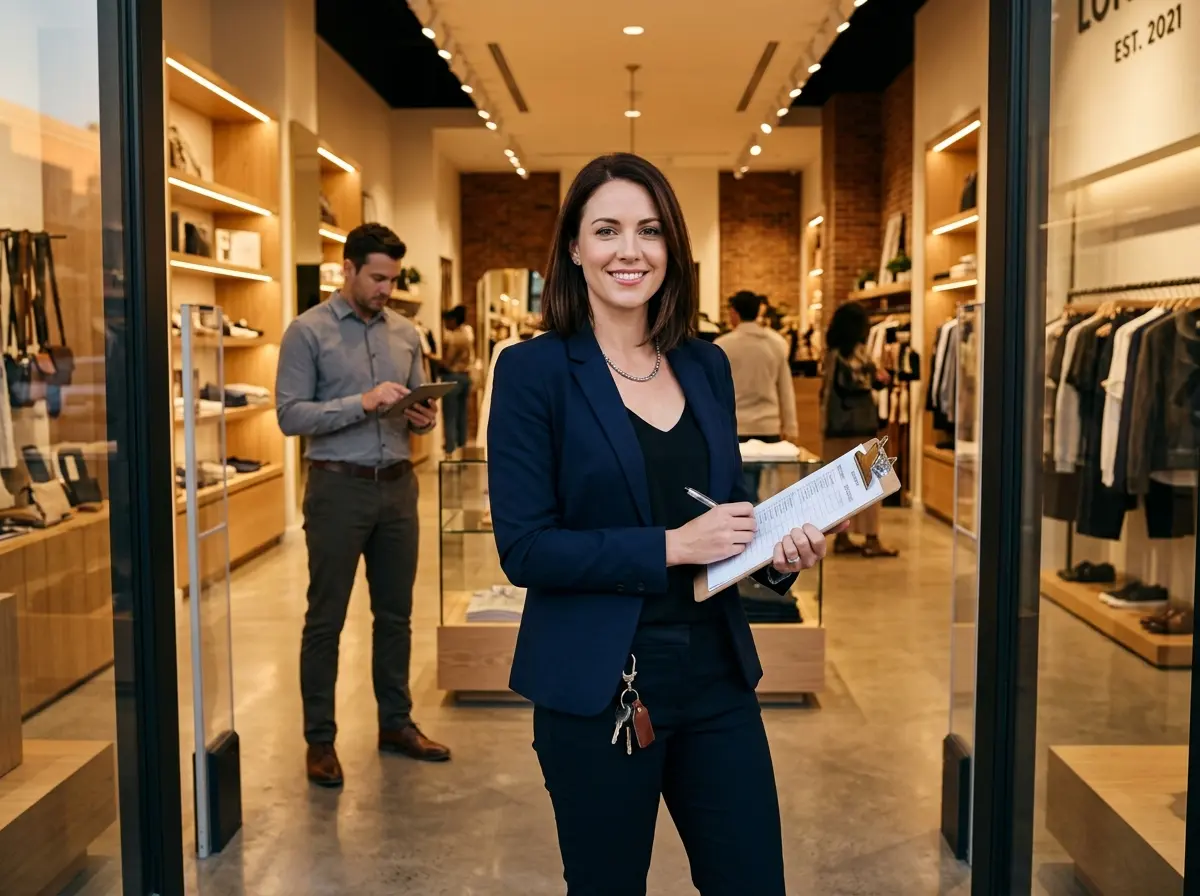
You've heard it a thousand times, and yet — walk into most retail stores and you'll be met with either an awkward silence or a half-hearted "let me know if you need anything" from someone staring at a screen. First impressions haven't lost their power; most businesses have just gotten lazy about them.
Greet Like You Mean It
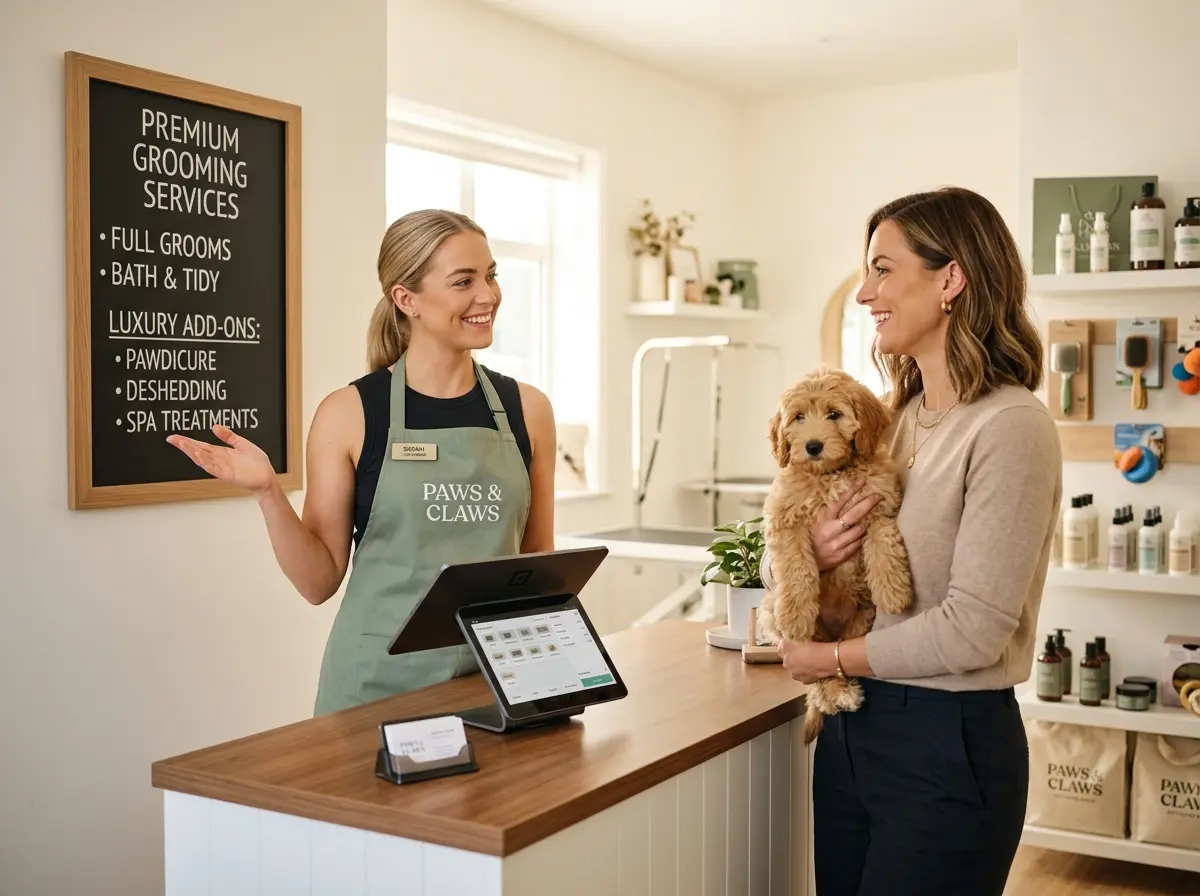
A warm, genuine greeting sets the entire tone of a customer's visit. Not a scripted, robotic "Welcome to [Store Name]!" but an actual acknowledgment that a human being just walked through your door. Train your staff to make eye contact, smile, and ideally say something specific — "Hey, we just got new arrivals in the back if you're looking for something fresh" beats a generic hello every single time.
Research from the Spiegel Research Center found that emotional connections with customers are some of the strongest drivers of long-term loyalty. And emotional connection starts with feeling noticed. It costs nothing. Do it every time, without fail.
The Physical Environment Tells a Story
Customers are reading your store before they even talk to anyone. Is it clean? Organized? Does it smell good, or does it smell like the storage room had an incident? Sensory details matter more than most business owners realize. Studies in retail psychology consistently show that ambient factors — lighting, music tempo, scent — directly influence how long customers stay and how much they spend.
Small, intentional touches make a difference: a well-placed sign that feels human and fun rather than corporate and stiff, a product display that tells a story rather than just stacking inventory, or seasonal decorations that actually look curated instead of thrown up at the last minute. Your environment is a silent salesperson — make sure it's doing its job.
First Moments on the Phone Matter Too
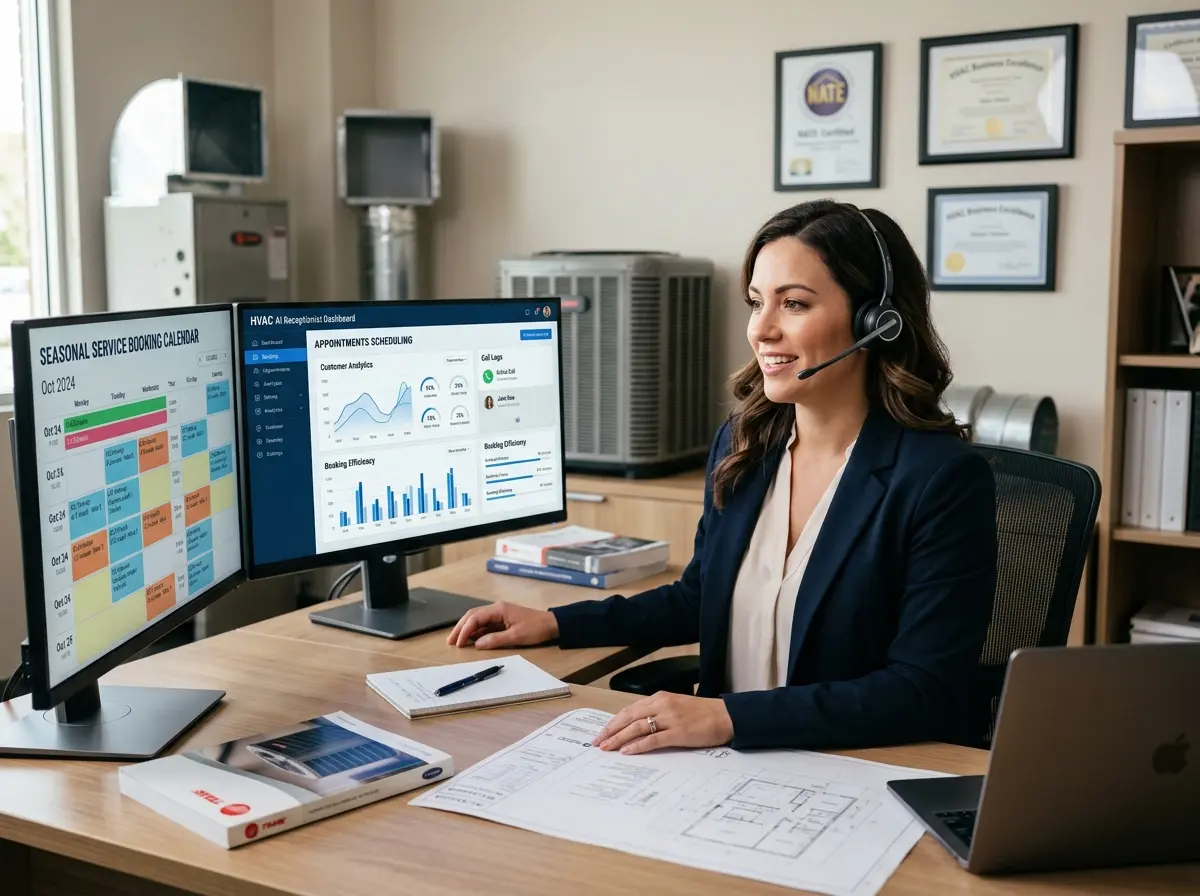
Let's not pretend the in-store experience is the only first impression that counts. A significant portion of your potential customers are calling before they ever set foot in your store — and if they're greeted with a robotic voicemail or put on hold indefinitely, they're already forming opinions. A professional, friendly, knowledgeable phone experience is just as important as the in-store one. Treat it accordingly.
Smart Tools That Help You Show Up Consistently
Here's the uncomfortable truth: even the most enthusiastic team has bad days. Staff get overwhelmed, calls get missed, and the carefully trained greeting somehow evaporates during a Saturday rush. Consistency is the hardest part of delivering great customer experiences — and it's also the most important part.
Let Technology Handle the Gaps
This is where Stella, the AI robot employee and phone receptionist, quietly becomes one of the most valuable tools in a retail owner's arsenal. In-store, Stella stands as a friendly, human-sized kiosk that proactively greets customers, answers product and service questions, promotes current deals, and even upsells and cross-sells — all without needing a coffee break or a pep talk. On the phone, Stella answers calls 24/7 with the same business knowledge she uses in person, handles intake, takes voicemails with AI-generated summaries, and forwards calls to staff based on conditions you configure. Whether you're slammed on a Saturday or closed on a Sunday, the customer experience stays consistent, professional, and warm. At $99/month with no upfront hardware costs, it's a remarkably low-stakes way to close some very real gaps in your customer experience.
Personalization, Perks, and the Power of Making People Feel Special
Generic is forgettable. Personalized is powerful. The businesses that build lifelong customers aren't just providing good products — they're providing experiences that feel tailored, thoughtful, and just a little bit magical. Fortunately, you don't need a data science team to pull this off.
Remember the Small Things
Customers notice when you remember them. It's almost embarrassingly simple, but it works. When a staff member recognizes a returning customer and says "Back for more of those candles?" it creates a moment of genuine connection that no coupon can replicate. Train your team to pay attention and make notes — yes, actual notes — about repeat customers' preferences, purchases, and quirks.
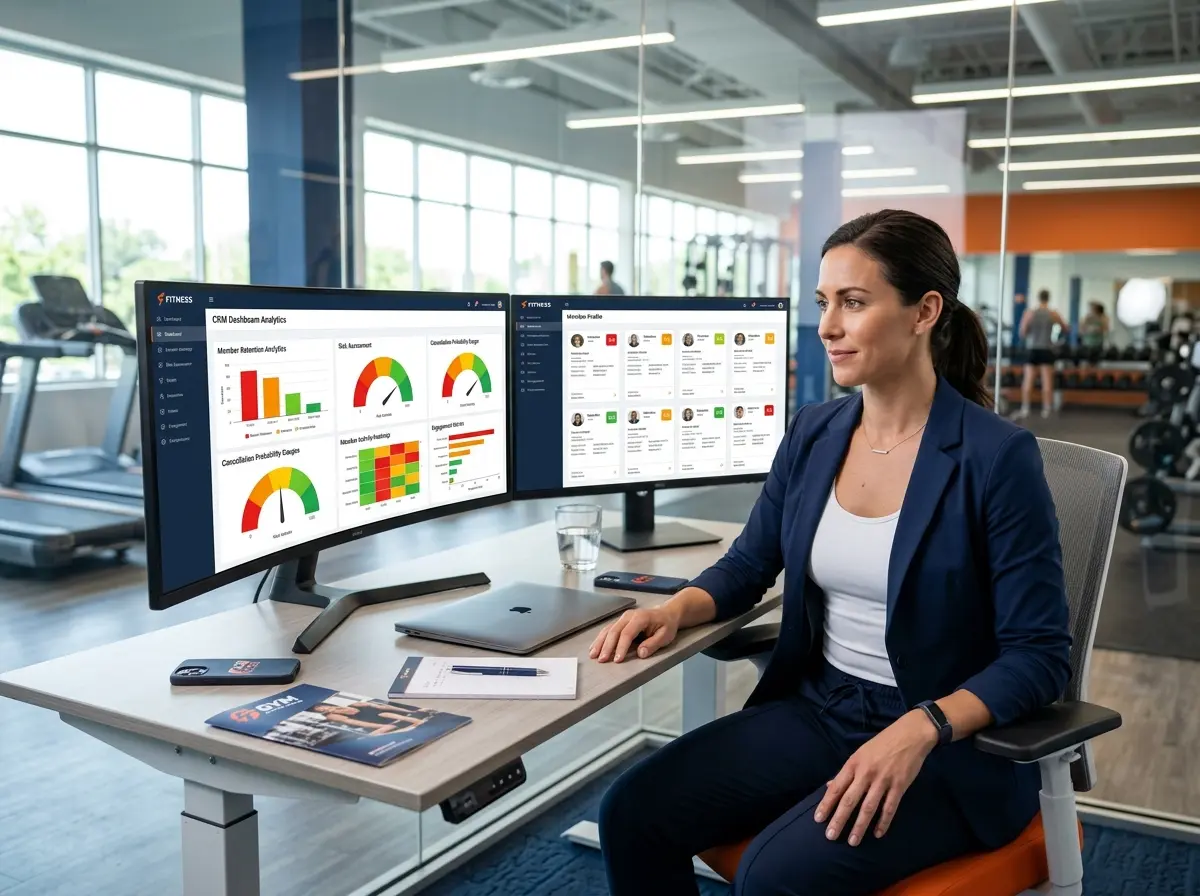
Even better, use a system that helps you track this information over time. Whether it's a CRM, a loyalty platform, or a simple note-keeping habit, having context on your customers allows you to personalize interactions in ways that feel natural rather than creepy. The goal is to make customers feel like a valued regular, not like they're being surveilled by a marketing algorithm.
Perks That Feel Like Gifts, Not Bribes
Loyalty programs work — but only when they feel generous rather than transactional. A "spend $500 to get $5 off" deal is not a perk. It's a mild insult. The best loyalty incentives are ones that feel immediate, surprising, or genuinely valuable. Consider:
- Surprise upgrades — throw in a sample, a small freebie, or an unexpected upgrade with no strings attached.
- Early access — let loyal customers shop a sale or new collection before the general public. Exclusivity feels like VIP treatment.
- Personalized recommendations — reach out with a "hey, this just came in and I thought of you" message. It's simple, and it's devastatingly effective.
- Milestone recognition — acknowledge anniversaries, birthdays, or purchase milestones with a genuine thank-you and a small reward.
According to Bond Brand Loyalty, 79% of consumers say loyalty programs make them more likely to continue doing business with a brand. The key word is "programs" — not one-time gestures. Build it into how you operate, not just how you react.
Follow Up Like You Actually Care (Because You Should)
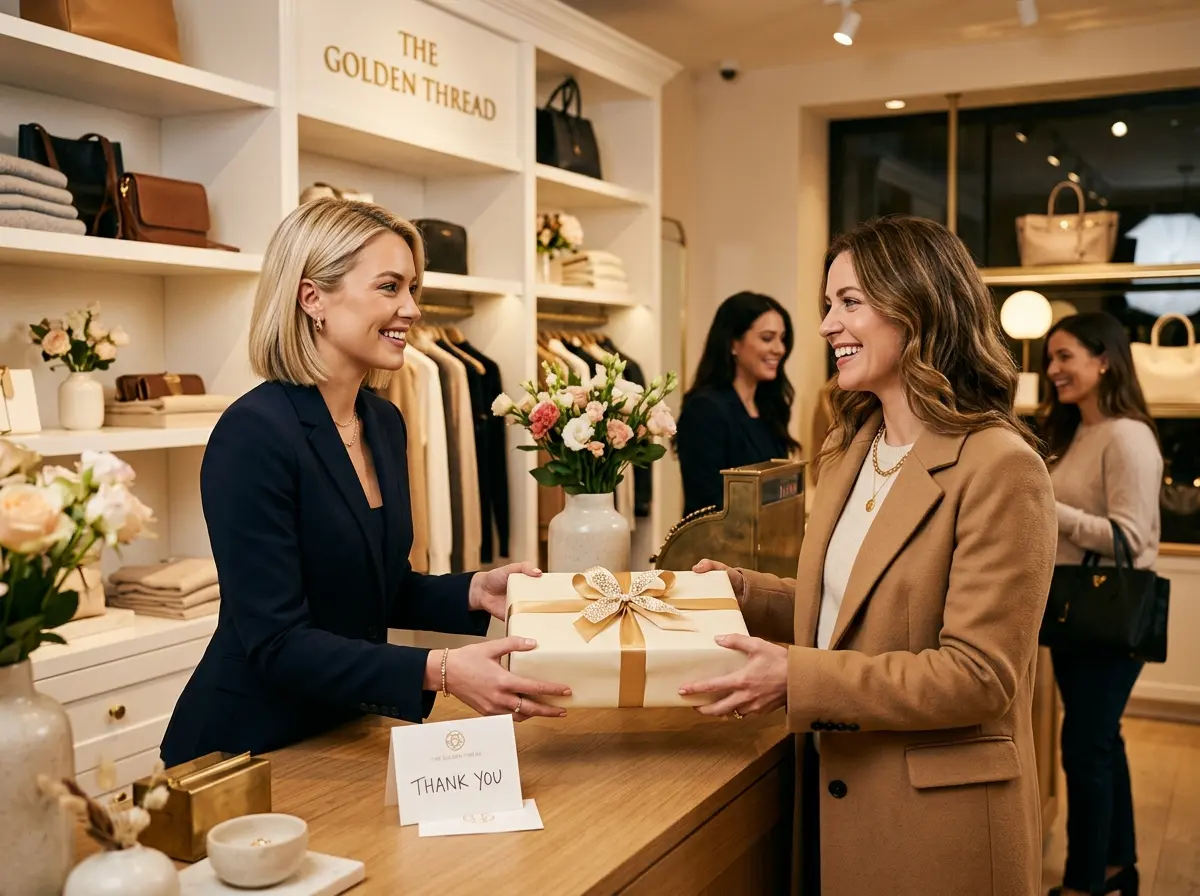
The sale doesn't end when the customer walks out the door. A well-timed follow-up — a thank-you email, a check-in message, or even a handwritten note for high-value purchases — signals that you value the relationship beyond the transaction. This is especially powerful for service-based retailers where the customer has invested real time and trust in you. Follow-up isn't just good manners; it's a retention strategy dressed in polite clothing.
Quick Reminder About Stella
Stella is an AI robot employee and phone receptionist built for businesses of all types — retail shops, restaurants, salons, gyms, medical offices, and more. She works in-store as a friendly kiosk presence that greets customers and promotes your offerings, and she answers your phones around the clock with consistent, knowledgeable professionalism. At just $99/month with no upfront hardware costs and an easy setup, she's the team member who never calls in sick and never forgets the script.
Conclusion: Start Small, Stay Consistent, and Watch Loyalty Grow
Building lifelong retail customers isn't about one grand gesture — it's about a hundred small ones done consistently over time. The businesses that win at retention aren't necessarily the flashiest or the cheapest. They're the ones that make people feel welcome every single visit, that remember the details, that follow up when they don't have to, and that never let a customer feel like an afterthought.
Here's your action plan to start this week:
- Audit your first impression. Walk into your own store like a customer would. What do you see, hear, and feel? Fix what's broken.
- Set a greeting standard. Define what a great customer greeting looks like in your business and train every team member to deliver it.
- Identify your follow-up gaps. Are you reaching out after purchases? If not, start — even a simple email template goes a long way.
- Review your loyalty perks. If your program feels transactional rather than generous, redesign it. Make people feel rewarded, not calculated.
- Close the consistency gaps. Where does your customer experience fall apart — after hours, during busy rushes, on the phone? Identify those gaps and address them, whether through staff training, better systems, or smart tools like Stella.
The "wow factor" isn't a mystery. It's just the result of caring enough to get the details right — every time, for every customer. Start there, and the loyalty will follow.