You've Got Points. Nobody Cares.
You spent time (and probably money) setting up a loyalty program. Maybe you bought the software, printed the cards, trained your staff, and even put a little sign on the counter. And yet, somehow, your regulars still don't know they have points, new customers aren't signing up, and the whole thing feels like it's quietly collecting dust next to the expired gift cards in your drawer.
You're not alone. Studies show that the average American household is enrolled in over 16 loyalty programs — but actively uses fewer than half of them. For restaurants specifically, the drop-off is even steeper. Customers sign up, forget about it, and then move on to the next place offering a free coffee after ten purchases.
So what's actually going wrong? And more importantly, what can you do about it? Let's dig in — because the answer isn't to scrap the idea of loyalty entirely. It's to stop doing loyalty badly.
Why Most Restaurant Loyalty Programs Quietly Fail
The "Collect 10 Stamps, Get a Free Sandwich" Problem
Punch cards had their moment. That moment was 1987. Today's customers are overstimulated, under-impressed, and carrying smartphones that can order a gourmet meal to their door in 20 minutes. A flimsy paper card that they'll lose between their car seats before their next visit isn't exactly a compelling loyalty strategy.
The core issue is that most basic loyalty programs offer delayed gratification with no emotional hook. Customers don't feel valued — they feel like they're filling out a spreadsheet. Worse, if the reward takes too long to earn or feels too small to bother, they'll mentally check out long before they ever redeem anything. Research from Bond Brand Loyalty found that 57% of loyalty program members feel programs take too long to earn rewards. That's more than half of your enrolled customers already feeling frustrated with the process.
You're Not Communicating (At All)
Here's a scenario that plays out in restaurants every single day: A customer signs up for your loyalty program, goes home, and never hears from you again. No welcome message. No "here's what you've earned so far." No reminder that they're two visits away from a free appetizer. Nothing.
Silence is the enemy of loyalty. If customers aren't being reminded that your program exists — and that they specifically have something to gain from returning — they simply won't think about it. Out of sight, out of mind, out of business. Proactive communication through email, SMS, or even in-person reminders during a visit is what keeps your program alive in the customer's mind between meals.
It's All About You, Not Them
The most overlooked loyalty program mistake is designing it entirely around what's convenient for the restaurant rather than what's actually valuable to the customer. Earning $1 for every $10 spent sounds reasonable on paper — until a customer does the math and realizes it'll take them a year of weekly visits to earn a $5 discount. That's not a reward. That's homework.
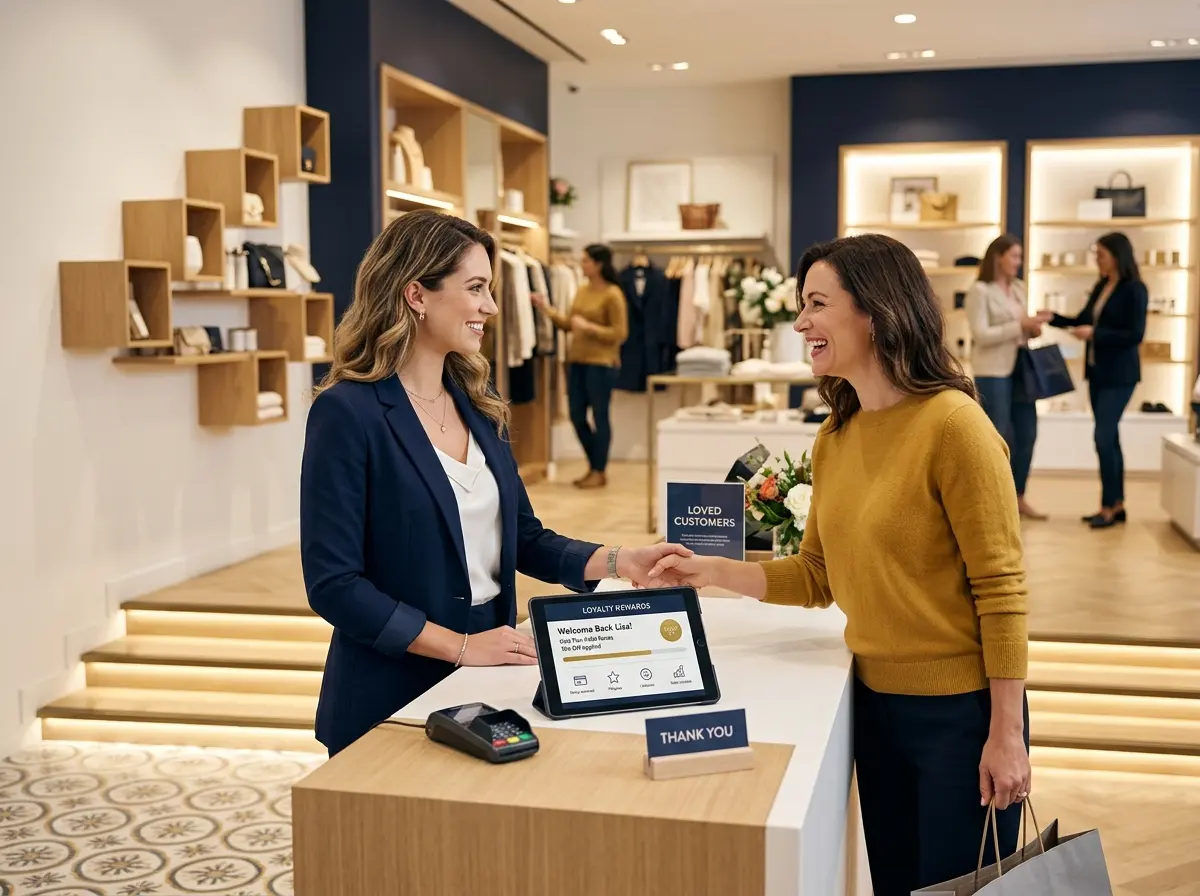
The best loyalty programs feel personal. They surprise customers, acknowledge milestones, and make people feel like regulars — not like account numbers. Think birthday perks, surprise double-point days, or a free dessert just because someone's been coming in for six months. Small gestures, big impact.
A Smarter Way to Engage Customers (Before They Even Sit Down)
Rethink the First Touchpoint
Loyalty doesn't start when a customer earns their first reward. It starts the moment they walk through your door — or, increasingly, the moment they call to ask about your hours or specials. That first impression sets the tone for everything that follows. If it's a frazzled host who forgot to mention the daily deal, or worse, a ringing phone that nobody answers, you've already missed an opportunity.
This is exactly where Stella fits naturally into your restaurant's customer experience. As an AI robot kiosk that stands inside your location, Stella greets every customer who walks by, proactively mentioning current specials, promotions, and loyalty program details — without your staff having to remember to do it. She also answers phone calls 24/7, so when someone calls at 9 PM to ask about your menu or whether you're running any deals, they get a real, helpful answer instead of voicemail. And because Stella collects customer information through conversational intake forms and stores it in her built-in CRM, you can start building a real picture of who your customers are — which is the foundation of any loyalty strategy worth having.
What Actually Works: Building Loyalty That Sticks
Make Rewards Immediate and Tangible
The psychology of loyalty is simple: people return to places that make them feel good. Immediate, tangible rewards trigger that feeling far more effectively than distant, hypothetical ones. Consider restructuring your program to offer smaller, more frequent wins rather than one big payoff at the end of a long journey.
A few approaches that restaurants have used successfully include offering a free drink on the first visit after sign-up, providing an automatic birthday reward that's loaded into the customer's account before their special day, or creating a tiered system where frequent visitors unlock visible status (think "Gold Member" with a slightly better deal on a popular item). The goal is to make customers feel the benefit of loyalty quickly, so they associate returning to your restaurant with a positive emotional response — not a chore.
Use Your Data Like You Mean It
If your loyalty program is collecting customer data and you're not using it, that's essentially leaving money on the table with a polite little sign that says "please don't touch." The data your customers generate — visit frequency, favorite items, average spend, time of day they typically come in — is pure gold for targeted marketing.
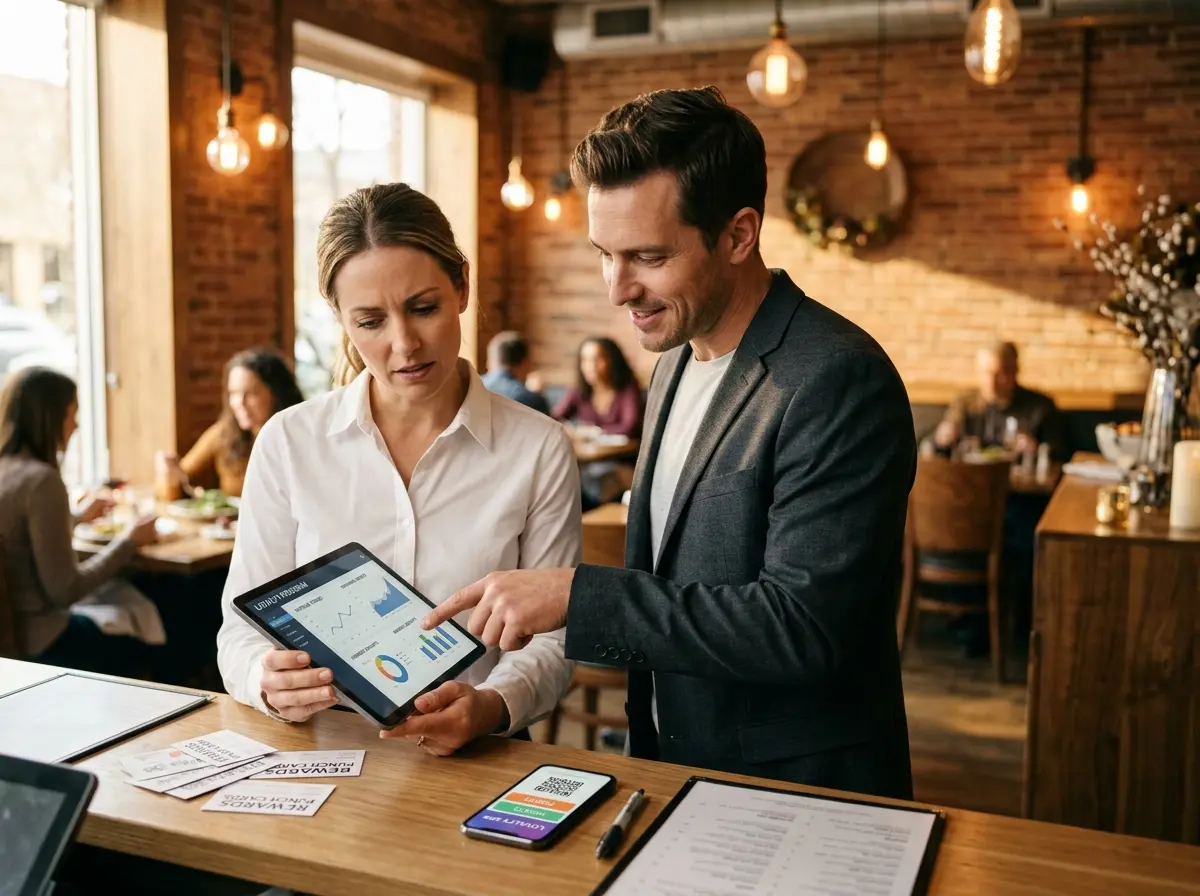
Segment your customer base. Send a re-engagement offer to people who haven't visited in 60 days. Reward your top 10% of spenders with an exclusive VIP experience. Promote your slow Tuesday nights specifically to customers who tend to visit mid-week. Personalization at this level doesn't require a massive marketing team — it just requires that you actually look at what your data is telling you and act on it. Platforms that combine CRM data with communication tools make this dramatically easier than it used to be.
Train Your Team to Be Part of the Program
Your staff are your most powerful loyalty marketing tool — and most restaurants completely forget this. When a server mentions the loyalty program naturally during a meal, when a host enthusiastically signs someone up at the door, or when a manager personally thanks a regular for being a long-time customer, those moments build the kind of emotional connection that no app or punch card can replicate on its own.
Make it part of your training. Give your team talking points. Celebrate when enrollment numbers go up. A loyalty program that lives only in software and not in your team's daily behavior is a program that will always underperform. The human touch — reinforced by smart technology — is what takes good loyalty programs and makes them great ones.
Quick Reminder About Stella
Stella is an AI robot employee and phone receptionist that works inside your restaurant as a customer-facing kiosk and handles your incoming calls around the clock — for just $99 a month with no upfront hardware costs. She's always on, always professional, and never forgets to mention the specials. If you're looking to improve how your restaurant engages customers from the very first moment, she's worth a look.
Time to Stop Blaming the Program and Start Fixing It
Your loyalty program probably isn't failing because loyalty is a bad idea. It's failing because the execution hasn't kept pace with what customers actually expect in a world full of frictionless, personalized experiences. The good news? Every problem outlined in this post has a practical solution — and none of them require you to reinvent your entire business.
Here's where to start:
- Audit your current program with fresh eyes. Ask yourself honestly: would you bother with it as a customer?
- Shorten the path to the first reward. Give people a reason to come back within the next two weeks, not the next two months.
- Set up at least one automated communication — a welcome message, a birthday offer, or a re-engagement email for lapsed customers.
- Brief your team on how to naturally bring up the loyalty program during service.
- Look at your data and identify one customer segment you can target with a personalized offer this month.
Loyalty programs work. Lazy loyalty programs don't. The restaurants winning at retention right now aren't doing anything magical — they're just being consistent, personal, and genuinely rewarding to their best customers. Do that, and the points will take care of themselves.