Introduction: The Follow-Up Gap Nobody Talks About
Your client just floated out of your spa on a cloud of lavender and hot stone bliss. She's glowing. She's relaxed. She's mentally already back at the office answering emails. And you? You're already elbow-deep in the next appointment, the scheduling system is making that noise again, and your receptionist is fielding three questions at once about whether you carry a specific brand of serum.
So that follow-up text you meant to send? The one asking how she's feeling, reminding her to drink water, nudging her toward booking her next facial? It didn't happen. It never happens. Not because you don't care — obviously you do — but because running a spa means you are perpetually doing seventeen things at once, and personalized post-treatment outreach is the thing that keeps getting bumped to tomorrow.
Here's the uncomfortable truth: post-treatment follow-up is one of the highest-ROI touchpoints a spa can have, and most spas are leaving it almost entirely on the table. Studies suggest that acquiring a new customer costs five times more than retaining an existing one, yet the moment a client walks out the door, the relationship often goes quiet until they decide — or don't decide — to rebook. That silence is costing you real revenue. The good news is that AI can fix this, and it doesn't require you to clone yourself or hire a full-time follow-up coordinator.
The Real Cost of Skipping Post-Treatment Follow-Up
Client Retention Isn't Passive — It's a Practice
There's a common misconception in the spa industry that if clients love their experience, they'll come back. And sure, some will. But loyalty is built through consistent touchpoints, not just exceptional treatments. Think about the brands you personally keep going back to — they're probably the ones that make you feel remembered, not just served. A well-timed follow-up message does exactly that. It signals that your spa sees clients as relationships, not transactions.
Research from the Harvard Business Review has shown that increasing customer retention rates by just 5% can increase profits by 25% to 95%. For a spa where the average repeat client spends hundreds of dollars annually, a follow-up system that nudges even a fraction of one-time visitors into regulars can dramatically move the needle on annual revenue.
What You're Actually Losing Without a System
Let's be specific. Without structured post-treatment follow-up, you're missing out on several concrete opportunities. You're not capturing feedback while it's still fresh, which means you lose the chance to address minor dissatisfactions before they become negative reviews. You're not reminding clients about complementary services — if someone just had a deep tissue massage, they're a prime candidate to hear about your CBD add-on or monthly membership. And you're not staying top-of-mind during the booking window, which typically opens back up within two to four weeks for most spa services.
Multiply that across fifty, one hundred, or two hundred clients per month, and you're looking at a significant churn problem masquerading as a normal business rhythm.
The Scale Problem — And Why "Doing It Manually" Isn't the Answer
The classic response here is: "We already follow up with our clients." And maybe you do — with your top ten VIPs, or when things are slow, or when a staff member happens to remember. But doing this manually at scale is genuinely not sustainable. It requires dedicated time, consistent execution, and a human who never has a bad day, never forgets, and never calls in sick. That person does not exist, which is precisely why AI has become the practical solution for follow-up at volume.
How AI Tools Like Stella Can Step In
Automated Follow-Up That Still Feels Human
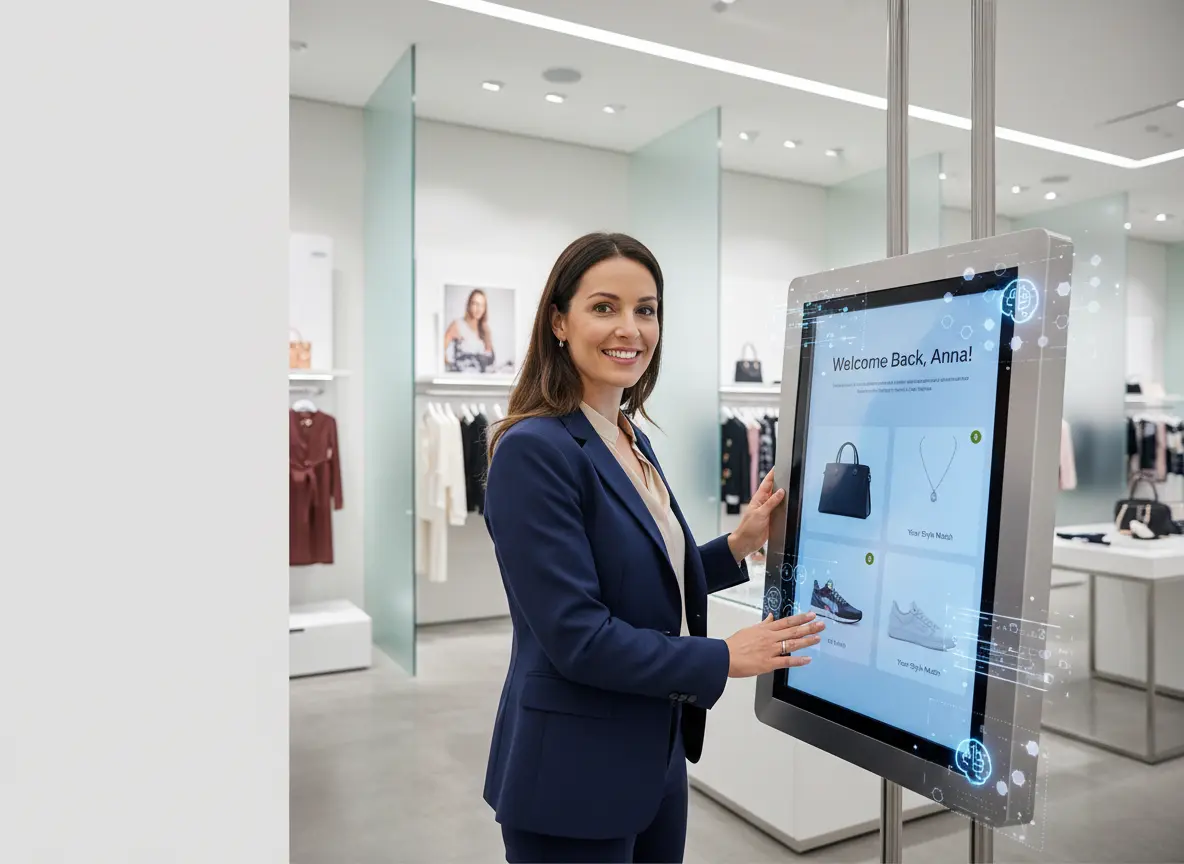
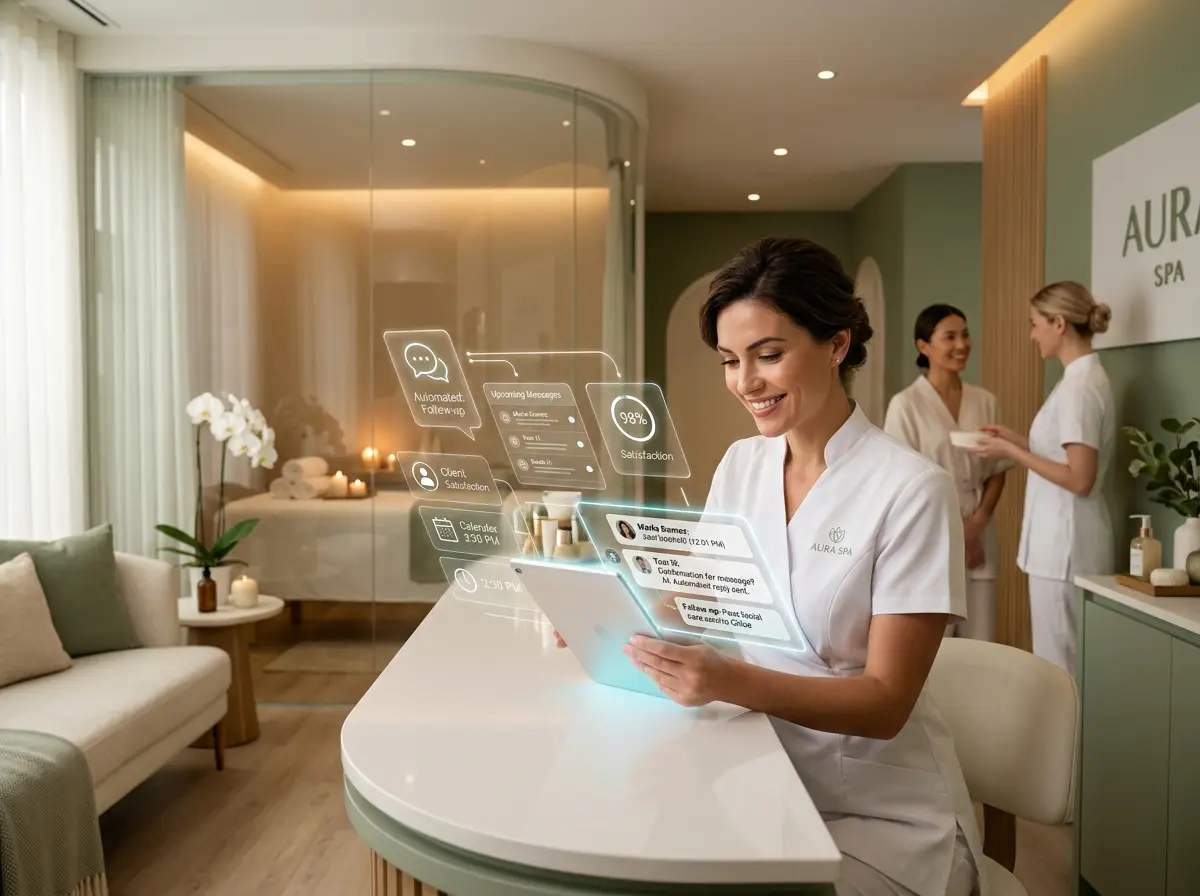
This is where things get interesting for spa owners. Stella, the AI robot employee and phone receptionist, isn't just for greeting walk-ins or answering calls — she's built to manage ongoing customer relationships through a combination of conversational intake, CRM tools, and proactive communication. When a client's information is collected through Stella's intake forms (whether at the in-store kiosk, over the phone, or on the web), that data flows directly into her built-in CRM, where custom fields, tags, and AI-generated client profiles make personalized follow-up genuinely actionable rather than theoretically possible.
Imagine a client comes in for a chemical peel. Stella collects their contact details and treatment notes during check-in or via a pre-appointment phone call. A few days later, an automated follow-up can be triggered — checking in on their skin, reminding them about aftercare, and surfacing a relevant promotion for their next visit. No staff member needed. No dropped ball. No "we really should have a system for this" conversation at your next team meeting.
Building a Post-Treatment Follow-Up Strategy That Actually Works
Timing Is Everything — Map Your Follow-Up Windows
Not all follow-up is created equal, and timing matters enormously. A message sent two hours after a facial lands differently than one sent two weeks later. A smart follow-up strategy uses multiple touchpoints across a defined window. Consider a three-stage approach: a same-day or next-day check-in focused on how they're feeling and reinforcing aftercare advice; a one-week message that introduces a complementary service or product they might benefit from based on their treatment; and a two-to-four-week rebooking nudge that creates urgency without being pushy. Each touchpoint has a different goal, and together they build a rhythm that keeps your spa present in your client's mind without being annoying about it.
Personalization at Scale — Use What You Know
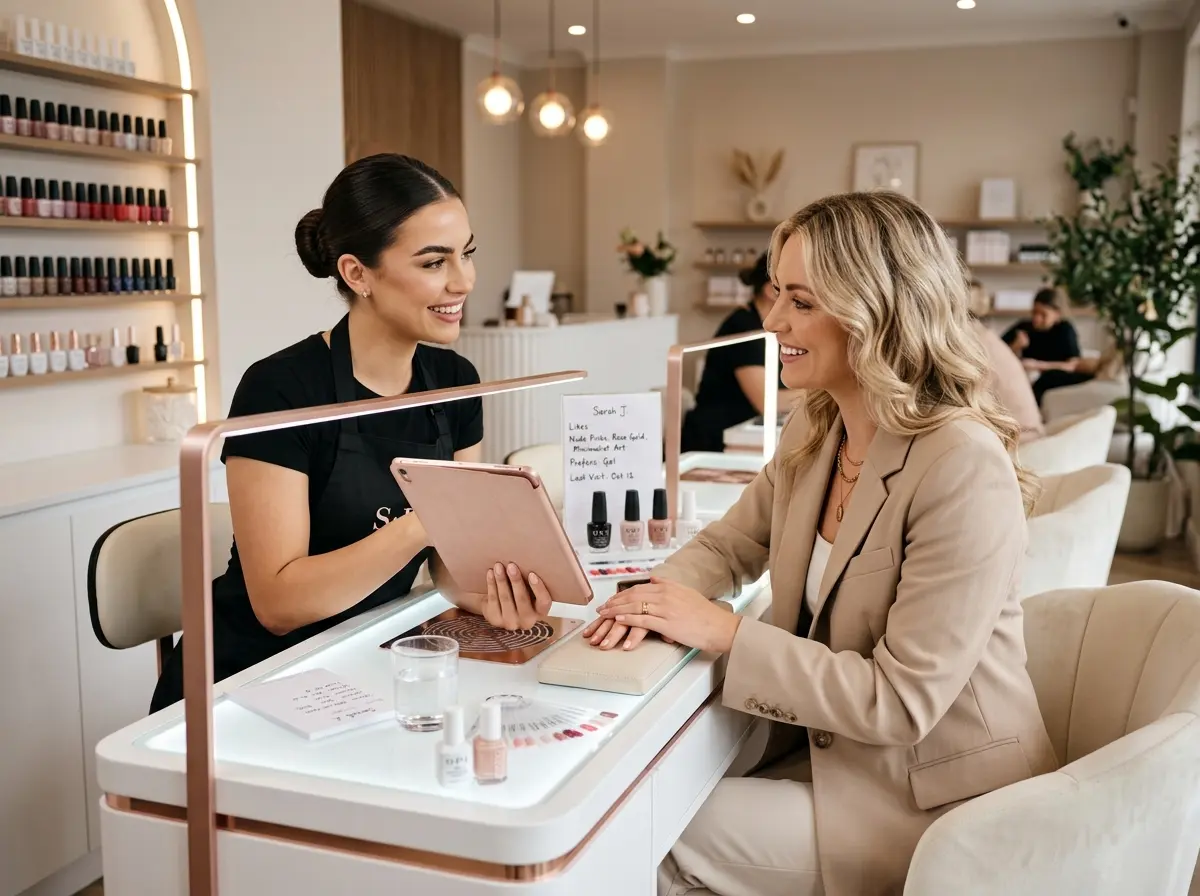
The difference between a follow-up that converts and one that gets ignored is often personalization. Generic messages feel like spam. Messages that reference a client's actual experience feel like care. This is where good data hygiene pays off. When your CRM contains treatment history, skin type notes, product preferences, and past purchase behavior, your follow-up communications can be tailored in ways that genuinely resonate.
For example, a client who regularly books hot stone massages might receive a follow-up that mentions their preference and introduces a new seasonal add-on that pairs well with that service. A first-time client who came in for a basic facial might receive educational content about your more advanced treatments, warming them up to an upgrade on their next visit. This level of specificity doesn't require a large staff — it requires a smart system.
Turning Follow-Up Into Revenue — Promotions, Packages, and Memberships
Post-treatment follow-up isn't just good client relations — it's one of your most direct channels for driving revenue. The window immediately following a positive experience is when a client's intent to return is highest, and that's exactly when to present an offer. This could be a discounted package if they rebook within a certain timeframe, an introduction to your membership program, a referral incentive, or a limited-time promotion on a product they might have used during their treatment.
The key is that these offers feel like a natural continuation of the experience rather than a hard sell. When the follow-up message is warm, timely, and contextually relevant, promotional content doesn't feel promotional — it feels helpful. That's a meaningful distinction, and it's the difference between a client who buys and a client who unsubscribes.
Quick Reminder About Stella
Stella is a friendly AI robot employee and phone receptionist designed to help businesses like spas run more smoothly without adding to the payroll. She greets clients in-store, answers phones around the clock, collects client information through conversational intake forms, and manages it all through a built-in CRM — all for just $99 per month. If your follow-up strategy has a gap, there's a good chance Stella can fill it.
Conclusion: Stop Letting Warm Clients Go Cold
Your clients leave your spa feeling incredible. The work you've done — the skill, the ambiance, the experience — is genuinely valuable. But value that isn't reinforced fades. A client who felt amazing on Saturday and heard nothing from you by Wednesday is already drifting back toward inertia. Post-treatment follow-up is how you stay in the conversation.
Here are your actionable next steps to get started:
- Audit your current follow-up process. Be honest. How many clients receive a personalized touchpoint after their visit? What does that actually look like, and how consistent is it?
- Map your follow-up timeline. Define the two or three moments post-treatment where a message would be most valuable — and decide what the goal of each message is.
- Invest in a system that makes it automatic. Whether that's Stella or another AI-powered tool, the goal is consistent execution that doesn't depend on anyone remembering to do it.
- Use your CRM data. If you're collecting client information and not using it to personalize outreach, you're sitting on gold. Start tagging clients by treatment type, skin concerns, or preferences so follow-up can be targeted.
- Include a next step in every message. Follow-up without a call to action is just a pleasantry. Whether it's a rebook link, a product recommendation, or a membership offer, give clients somewhere to go.
Your spa's reputation is built treatment by treatment. Your revenue, though? That's built in the follow-up. The spas that understand this — and build systems around it — are the ones that turn first-time visitors into loyal regulars who rave about you to everyone they know. The ones that don't? Well, they're probably still meaning to send that follow-up text from last Tuesday.
Don't be that spa.