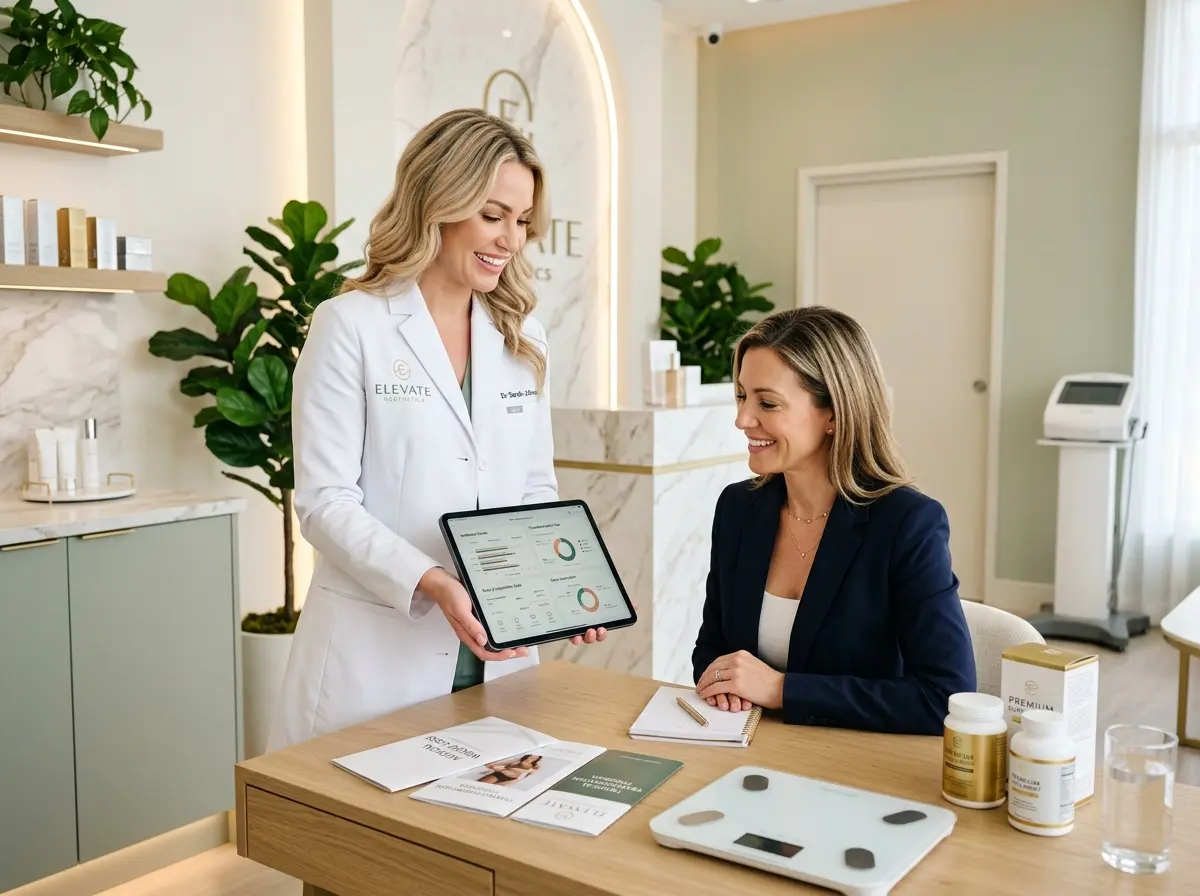
So You Want to Add Medical Weight Loss to Your Med Spa — Smart Move
Let's be honest: the wellness industry is booming, patients are increasingly interested in medically supervised weight loss, and your competitors are already adding GLP-1 programs to their service menus. If you're still on the fence about launching a medical weight loss program at your med spa, consider this your nudge — or rather, your firm-but-friendly shove — in the right direction.
Medical weight loss is one of the most powerful recurring revenue streams available to med spas today. Unlike a one-time Botox appointment, a well-structured weight loss program brings patients back month after month for consultations, follow-ups, injections, and complementary treatments. According to Grand View Research, the global medical weight management market was valued at over $23 billion and is expected to grow significantly through the decade. That's not a trend — that's a tidal wave, and you want to be riding it, not washed over by it.
The good news? Building a program that generates consistent monthly revenue isn't some mystical art form reserved for large hospital systems. With the right structure, the right team, and the right patient experience, your med spa can absolutely own this space locally. Here's how to do it properly.
Building the Foundation of Your Medical Weight Loss Program
Before you start ordering semaglutide and designing a new landing page, you need a solid operational foundation. A program that looks great on Instagram but falls apart during onboarding will churn patients faster than you can say "prior authorization."
Define Your Program Structure and Service Tiers
The most successful medical weight loss programs aren't just a prescription and a wave goodbye — they're structured journeys. Think about building your program in tiers: an initial consultation and lab work phase, a supervised treatment phase (which may include GLP-1 medications, B12 injections, appetite management support, or meal planning guidance), and an ongoing maintenance phase. Each tier should have a clear price point and defined deliverables.
Monthly membership models work exceptionally well here. Charging a flat monthly fee that includes the provider visit, medication management, and basic support creates predictable revenue for you and predictable expectations for your patient. Tack on optional add-ons — like body composition analysis, infrared sauna sessions, or skin-tightening treatments to address loose skin during weight loss — and you've got an upsell engine built right into your care model.
Get Your Medical and Legal Ducks in a Row
This is the part where we gently remind you that medical weight loss is, in fact, medical. That means you need a licensed provider (MD, DO, NP, or PA depending on your state) supervising the program, proper protocols in place, and compliance with your state's telehealth and prescribing laws. If you're not already medically directed, partnering with a medical director is non-negotiable.
You'll also want to ensure your informed consent forms, intake documentation, and HIPAA policies are buttoned up tight. Consult a healthcare attorney if you haven't already — it's an investment that pays for itself the first time something complicated comes up. Boring? Yes. Important? Absolutely.
Create a Patient Intake Experience That Doesn't Embarrass You
First impressions in healthcare are everything. If a prospective patient calls your spa and gets voicemail, or walks in and waits ten minutes before anyone acknowledges them, you've already lost ground. Your intake process should feel seamless, warm, and professional from the very first touchpoint. That means a clear new patient intake form, prompt follow-up, and a consultation experience that feels personalized — not like they're being processed through a factory.
Standardize your consultation script so every provider delivers a consistent experience. Collect baseline data (weight, BMI, health history, goals) before the appointment so your provider can walk in prepared. Patients who feel heard and organized in their first visit are far more likely to commit to a monthly program.
Streamlining Operations So Your Staff Doesn't Lose Their Minds
A thriving medical weight loss program generates a lot of moving parts — patient inquiries, follow-up calls, appointment scheduling, prescription refill questions, and more. Without systems in place, your front desk staff will be overwhelmed, and overwhelmed staff make mistakes and quit. Neither is good for business.
Let Technology Handle the Repetitive Stuff
This is where smart automation becomes your best friend. Stella — an AI robot employee and phone receptionist — is genuinely worth mentioning here because she addresses two of the biggest operational pain points for med spas running weight loss programs: managing incoming inquiries and keeping the in-person experience professional.
For your physical location, Stella stands inside your spa as a friendly kiosk, greeting patients proactively, answering questions about your weight loss program, and even collecting intake information conversationally. On the phone side, she answers calls 24/7, handles FAQs about your program pricing and process, and can forward calls to your clinical staff when something requires a human touch. Her built-in CRM also lets you tag and track weight loss patients separately, log notes, and build out patient profiles — without a separate software subscription. At $99/month with no upfront hardware costs, she's far cheaper than the front desk turnover you've been dealing with.
Marketing Your Program to Drive and Retain Patients
You can build the most medically sound, beautifully structured weight loss program in your city — and still have empty appointment slots if nobody knows about it. Marketing a medical weight loss program requires a slightly different approach than marketing aesthetics services, because you're selling a health outcome, not just a treatment.
Lead With Education, Not Just Promotion
Patients considering medical weight loss are often skeptical, have tried other programs, and are doing a lot of research before they pick up the phone. Your marketing content needs to meet them where they are. Blog posts, short-form videos, and email newsletters that explain how GLP-1 medications work, what to expect in the first 90 days, and how your program differs from a generic online prescription service will build trust far more effectively than a discount offer alone.
Host a free monthly information session — either in person or via webinar — where a provider walks attendees through the program. These convert exceptionally well because they give hesitant prospective patients a low-stakes way to engage before committing financially. Many med spas report converting 40–60% of information session attendees into paying program members.
Build a Referral and Retention Engine
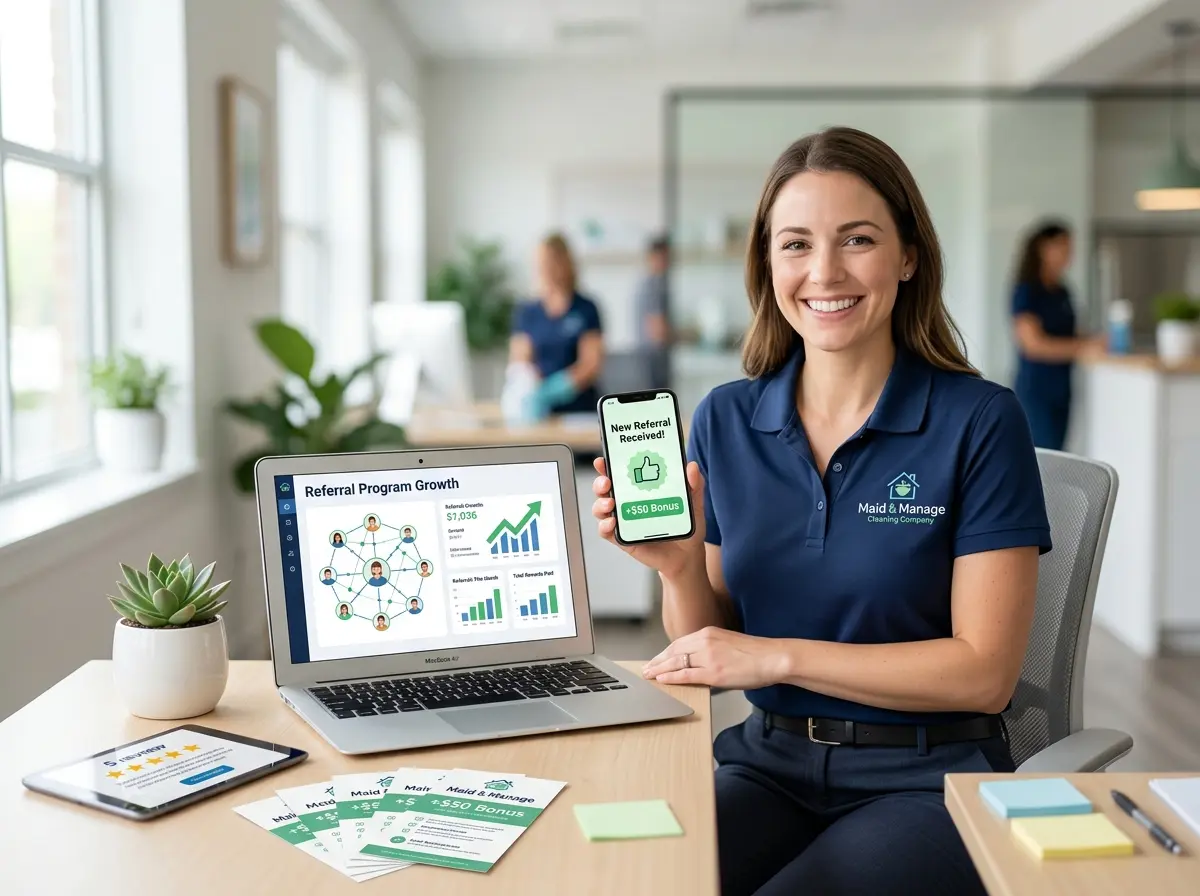
Your happiest patients are your best marketers. A structured referral program — where existing patients receive a credit toward their monthly membership for every successful referral — costs you very little and generates high-trust leads. People trust their friends' recommendations about health far more than they trust an ad.
On the retention side, don't underestimate the power of regular touchpoints. Monthly check-in calls or messages, progress milestone celebrations, and complementary service recommendations (like skin treatments as they lose weight) all reinforce that your spa is invested in their journey. Patients who feel supported don't cancel. And in a monthly recurring revenue model, retention is everything — because acquiring a new patient costs roughly five times more than keeping an existing one.
Use Your Existing Patient Base as a Launch Pad
If you already have an active patient base for aesthetic services, you're sitting on a warm audience. A simple email campaign introducing your new medical weight loss program to existing patients — especially those who've mentioned wanting to address body composition — can generate your first wave of program enrollments without spending a dollar on ads. These patients already trust you. You've already done the hard part.
Quick Reminder About Stella
Stella is an AI robot employee and phone receptionist built for businesses exactly like yours — she greets patients at your front door, answers calls around the clock, and keeps your operations running smoothly without sick days or drama. For a med spa managing a growing weight loss program and all its associated inquiries, she's the kind of reliable, professional presence that quietly makes everything run better. Starting at just $99/month, she's worth a serious look.
Your Next Steps Toward Consistent Monthly Revenue
Building a medical weight loss program that actually generates reliable, recurring revenue isn't complicated — but it does require intentionality at every stage. If you've made it this far, you already have the right mindset. Here's how to move from reading to doing:
- Week 1–2: Confirm your medical oversight structure, review your state's prescribing and telehealth regulations, and consult a healthcare attorney if needed.
- Week 3–4: Design your program tiers, set your pricing, and build out your intake and consent documentation.
- Month 2: Train your team, launch your internal soft rollout with existing patients, and set up your operational systems — including any automation tools to handle inquiries and intake.
- Month 3 and beyond: Open to new patients, launch your marketing content strategy, host your first information session, and activate your referral program.
Medical weight loss is not a trend you want to watch from the sidelines. It's a legitimate, growing demand that your med spa is well-positioned to serve — and a program structure that, once built correctly, can become the most consistent revenue line on your P&L. The patients are out there, actively searching for a provider they can trust. With the right foundation, the right experience, and the right systems behind you, that provider can absolutely be you.
Now stop reading and go build the thing.