The Phone Is Ringing — But You're in Court (Or Just Finally Eating Lunch)
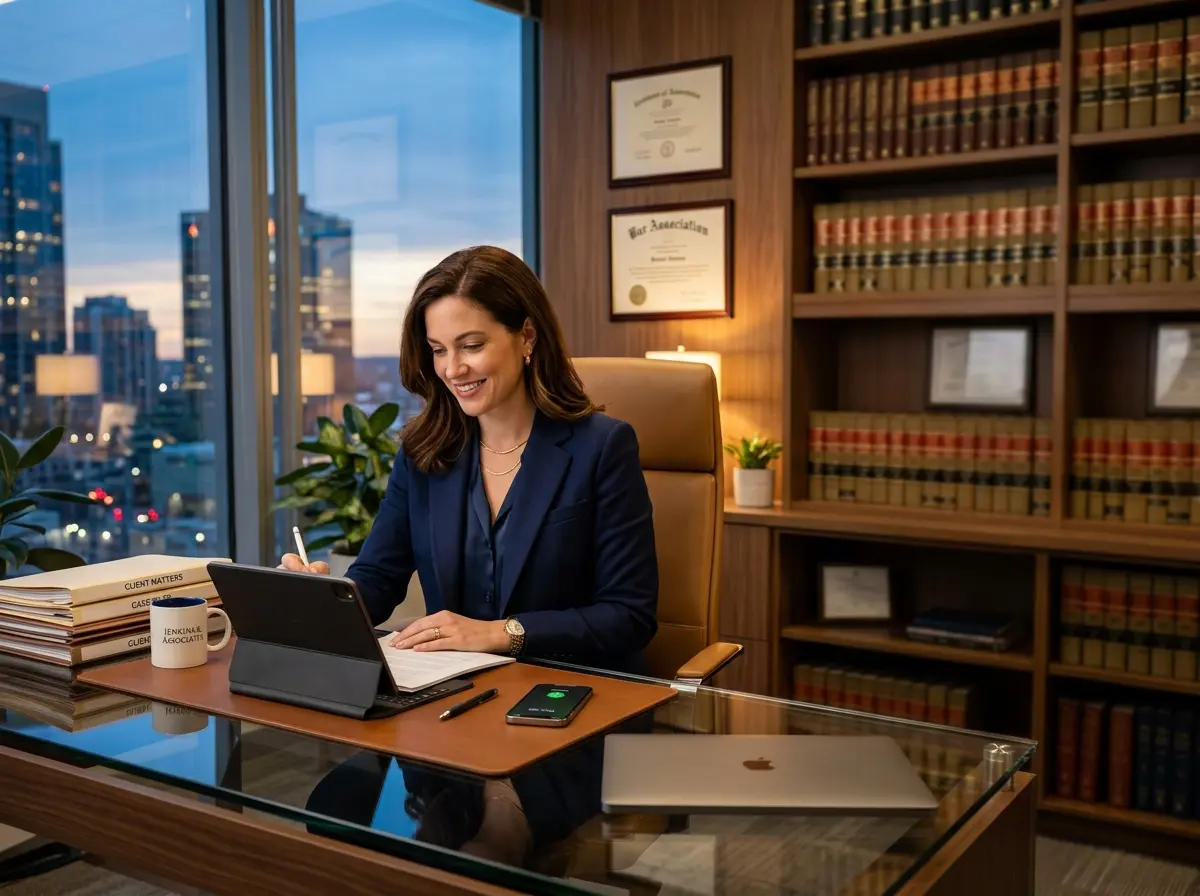
Let's paint a picture. It's 6:47 PM. You're a solo attorney wrapping up a client meeting, and somewhere across town, a potential client — let's call him Dave — is having a legal crisis. Dave found you on Google, liked your reviews, and decided to call. The phone rings. And rings. And rings some more. Dave hangs up, scrolls down the search results, and calls your competitor instead. Congratulations — you just lost a client you never knew you had.
For solo attorneys, missed calls aren't just an inconvenience. They're missed revenue, missed relationships, and in a profession built on trust and availability, they're a quiet signal to potential clients that maybe you're not the one they should hire. The brutal irony is that the busier you get — the more successful you become — the more calls you miss, and the more consultations slip through the cracks.
The good news? This is a solvable problem. And the solution doesn't require hiring a full-time receptionist, leasing office space, or sacrificing what's left of your evenings. Let's talk about how outsourcing after-hours call handling can transform the way a solo practice operates — and why it might be the best professional decision you make this year.
The Real Cost of Missed Calls in a Solo Law Practice
It's Not Just One Call — It's a Pattern
Most solo attorneys underestimate how often calls go unanswered or how much revenue those missed calls represent. Studies suggest that roughly 62% of calls to small businesses go unanswered, and in the legal industry, where a single retained client can mean thousands of dollars in fees, that number should feel alarming. One missed call isn't a crisis. But if you're missing calls every evening, every weekend, and every time you're in a deposition — that's a systematic revenue leak dressed up as a minor inconvenience.
There's also the voicemail problem. Clients in distress — and most people calling a solo attorney are at least mildly stressed — don't want to leave a voicemail and wonder when someone will call back. They want to feel heard, immediately. If your voicemail box is the first impression your practice makes after hours, you may want to reconsider your strategy.
The Consultation Bottleneck
For many solo practitioners, the initial consultation is the make-or-break moment. It's where trust is established and engagements are secured. But consultations don't schedule themselves, and the process of capturing a new lead — answering their call, gathering their information, qualifying the matter, and booking a time — can take significant effort that gets deprioritized when you're buried in casework.
When that intake process doesn't happen in real time, leads go cold fast. Research consistently shows that the odds of connecting with a lead drop dramatically after the first five minutes of inquiry. For solo attorneys working without support staff, responding within five minutes after hours isn't just difficult — it's basically mythological.
The Emotional Toll Nobody Talks About
Beyond the financial impact, there's a very human cost to being the only person responsible for everything. When you know calls might be coming in while you're unavailable, it creates background anxiety that doesn't go away. You check your phone during dinner. You feel guilty taking a Saturday off. You start to wonder whether running a solo practice was the brilliant career move you thought it was. Sustainable law practice management means building systems that work when you can't — and that starts with how your phones are handled.
How AI-Powered Call Handling Fills the Gap (Without Hiring Staff)
Always Available, Always Professional
This is where technology steps in and, frankly, outperforms what most small firms can afford in human staffing. Stella, an AI robot employee and phone receptionist, answers calls 24/7 with the same knowledge, tone, and consistency every single time. There are no sick days, no overtime rates, and no uncomfortable conversations about coverage during the holidays. For a solo attorney, this kind of reliable presence is transformative.
What makes Stella particularly useful for legal practices is her ability to handle conversational intake during the call itself. Rather than a caller being dumped into voicemail limbo, she engages them naturally, collects key information through built-in intake forms, and delivers AI-generated summaries with push notifications so the attorney can follow up intelligently — even if that follow-up happens first thing the next morning. The built-in CRM keeps every contact organized with custom fields, tags, and AI-generated profiles, so no lead falls through the cracks and no returning client feels like a stranger.
Building an After-Hours System That Actually Works
Define What "After Hours" Really Means for Your Practice
Before outsourcing anything, you need clarity on when you're unavailable and what you want to happen during those windows. For most solo attorneys, after-hours coverage needs to account for evenings, weekends, time in court, depositions, client meetings, and the occasional moment of just needing to not be at work. Map out those gaps honestly. You may discover that your coverage needs are more substantial than you initially assumed — which only reinforces the case for a systematic solution rather than a patchwork one.
Once you know your availability patterns, you can configure call handling rules accordingly. Some attorneys prefer to have all after-hours calls handled autonomously, with only urgent situations flagged for immediate attention. Others prefer a tiered approach — attempt a forward to the attorney's cell first, and if unanswered, have the AI take over. The right setup depends on your practice area, client expectations, and personal boundaries (which, yes, you are allowed to have).
Standardize Your Intake Process
One of the quiet benefits of AI-assisted call handling is that it forces you to think carefully about what information you actually need from a new caller — and then codifies that process so it happens consistently every time. Do you need to know the opposing party's name before scheduling? Do you only handle cases in specific jurisdictions? Are there conflict-of-interest questions that need to be asked upfront?
Documenting these requirements and building them into your intake flow means that by the time you follow up with a prospective client, you already have the information you need to have a substantive conversation. That's not just efficient — it's genuinely impressive from a client's perspective. They called at 9 PM on a Thursday, and by Friday morning you're reaching out with context. That's the kind of responsiveness that earns five-star reviews and referrals.
Follow Up Fast and Follow Up Well
After-hours call handling only works if the follow-up loop closes quickly. Receiving an AI-generated summary of a caller's situation at 10 PM is only valuable if you actually act on it by early the next business day. Build a habit — or even a system — around reviewing overnight summaries first thing in the morning and responding within a defined window. Many solo attorneys find that setting a personal rule of responding within two hours of opening their day-of notifications dramatically improves their conversion rate on new consultations.
The combination of fast intake, organized lead data, and prompt follow-up is genuinely difficult to compete with as a solo practitioner — which means it becomes a meaningful differentiator in markets where other solos are still letting calls roll to a generic voicemail.
Quick Reminder About Stella
Stella is an AI robot employee and phone receptionist built for businesses of all sizes — including solo law practices that can't justify a full-time receptionist but can't afford to keep missing calls. She answers phones around the clock, collects caller information through conversational intake, manages contacts in a built-in CRM, and delivers smart summaries so you're always prepared when you follow up. At $99/month with no upfront hardware costs, she's arguably the most reliable employee you'll ever hire.
Stop Letting Dave Call Your Competitor
The solo attorney who stops missing consultations isn't necessarily the one who works harder or stays up later. They're the one who builds smarter systems — systems that represent their practice professionally even when they're unavailable, capture leads reliably, and make follow-up feel effortless rather than frantic.
Here are a few actionable steps to get started:
- Audit your missed calls for the last 30 days. If you don't have data, that's already a problem worth solving.
- Map your unavailability windows and acknowledge them honestly — court, depositions, evenings, weekends, vacation (yes, that).
- Define your intake requirements so any system you implement collects the right information from the start.
- Implement after-hours call handling with an AI solution that can manage calls autonomously, collect intake data, and notify you with intelligent summaries.
- Commit to a follow-up window and protect it as seriously as you protect your billing hours.
Running a solo practice is genuinely hard work, and it deserves infrastructure that supports its growth rather than limits it. The calls are coming in whether you're ready or not — the only question is whether your practice is set up to answer them. Dave is waiting. Don't make him call someone else.