Why Your Store Smells Like Missed Revenue
Let's be honest — you've spent a small fortune on your logo, your website, your Instagram aesthetic, and maybe even a neon sign that says something clever. But have you ever stopped to think about what your store smells like? Or what your customers are hearing while they browse? No? Don't worry. Most business owners haven't. And quietly, invisibly, that oversight is costing them money every single day.
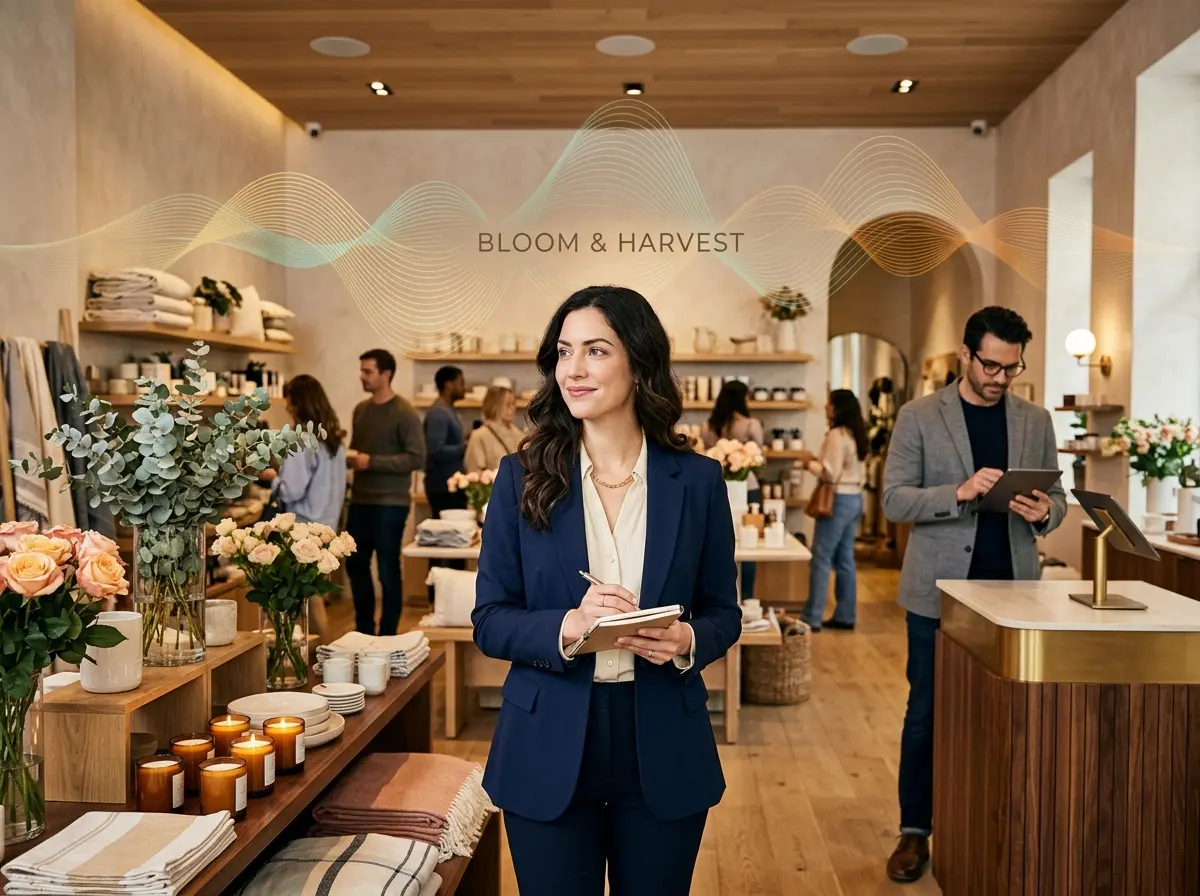
Welcome to the world of sensory marketing — the science (and art) of intentionally designing what customers see, hear, smell, touch, and even taste in your business environment to influence their behavior. This isn't mystical stuff. It's backed by decades of consumer psychology research, and some of the world's most successful brands have been doing it for years. The good news is that you don't need a Fortune 500 budget to use it. You just need to know where to start.
This guide will walk you through the most powerful sensory levers — scent and sound — and show you how to pull them strategically so your customers stay longer, spend more, and actually enjoy doing it.
The Science of Scent and Sound in Retail
Your Nose Knows (and So Does Your Wallet)
Of all five senses, smell is the only one with a direct neurological link to the brain's limbic system — the region responsible for emotion and memory. That's why a whiff of sunscreen instantly transports you to a childhood beach vacation, and why the smell of fresh bread from a grocery store bakery somehow ends up in your cart as a full loaf you didn't plan to buy. Retailers have known this for decades. Now you can use it too.
The research here is striking. A study published in the Journal of Business Research found that pleasant ambient scents in retail environments increased customer dwell time and purchase intention significantly. Nike reportedly increased purchase intent by 80% in scented showrooms compared to unscented ones. Eighty percent. That's not a rounding error. That's your entire holiday season.
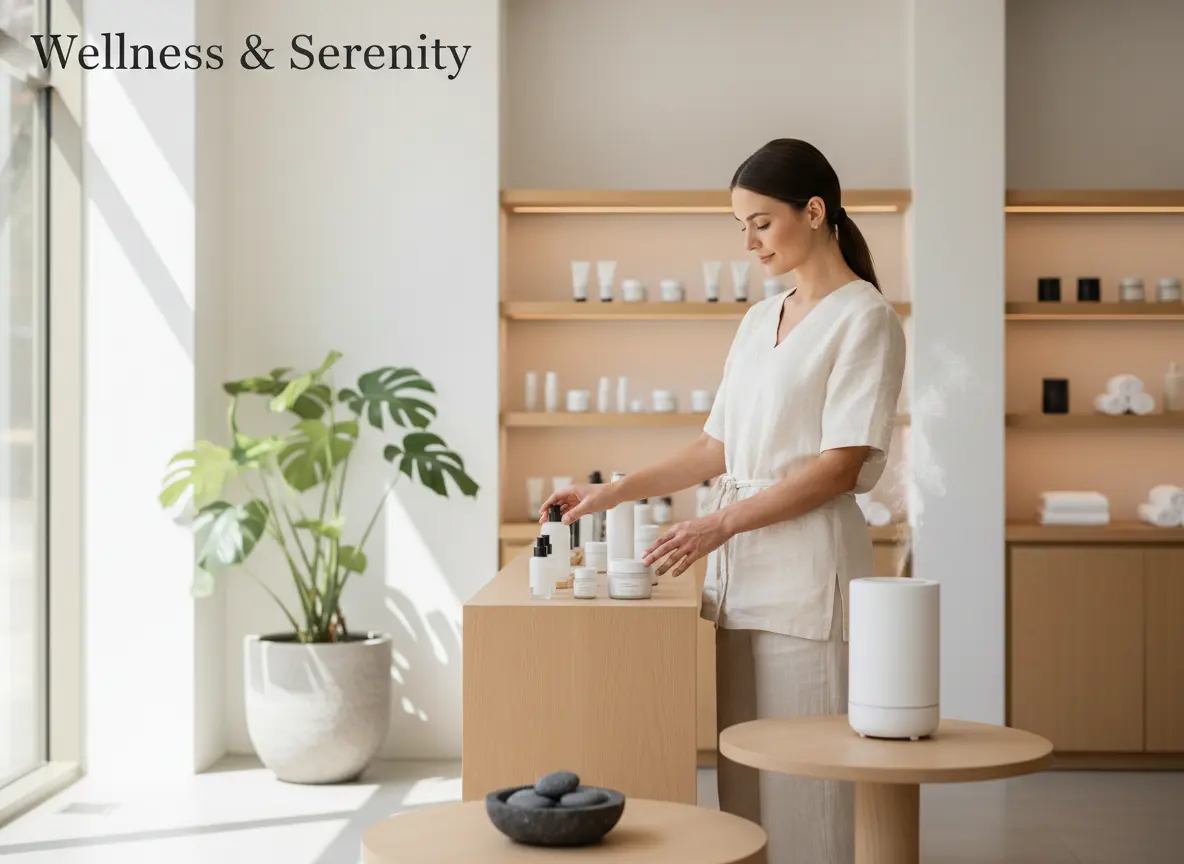
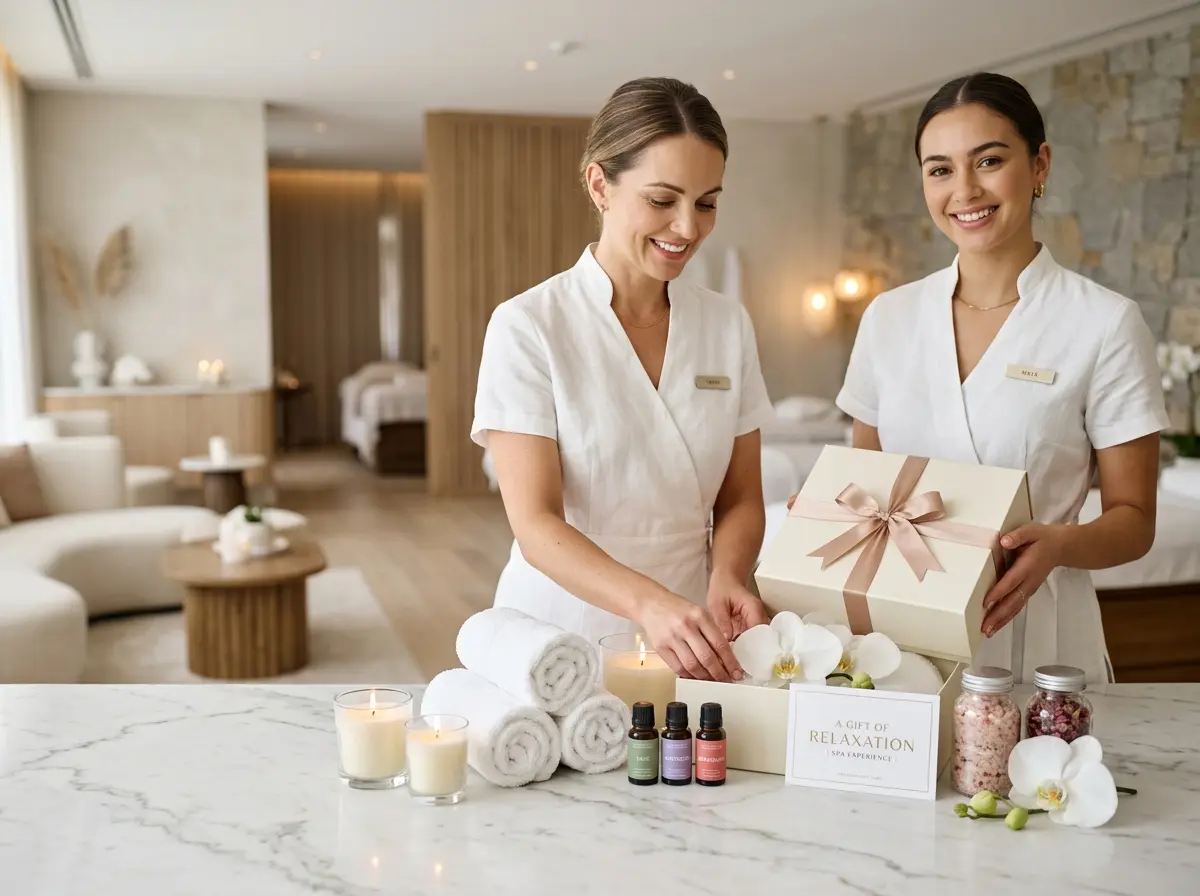
The key is choosing a scent that aligns with your brand identity and your customer's expectations. A spa should smell like eucalyptus or lavender, not like the cleaning products used to maintain it. A bookstore might lean into warm vanilla or cedar. A gym? Fresh citrus — something energizing, not something that suggests the locker room has given up entirely.
Sound Strategy: The Invisible Sales Tool
Background music isn't just ambiance. It's an active participant in your customer's decision-making process, whether they realize it or not. Research from the University of Leicester famously showed that playing French music in a wine shop caused French wine sales to outperform German wine — and vice versa when German music played. Customers weren't consciously aware of the music at all. Their wallets, however, were paying close attention.
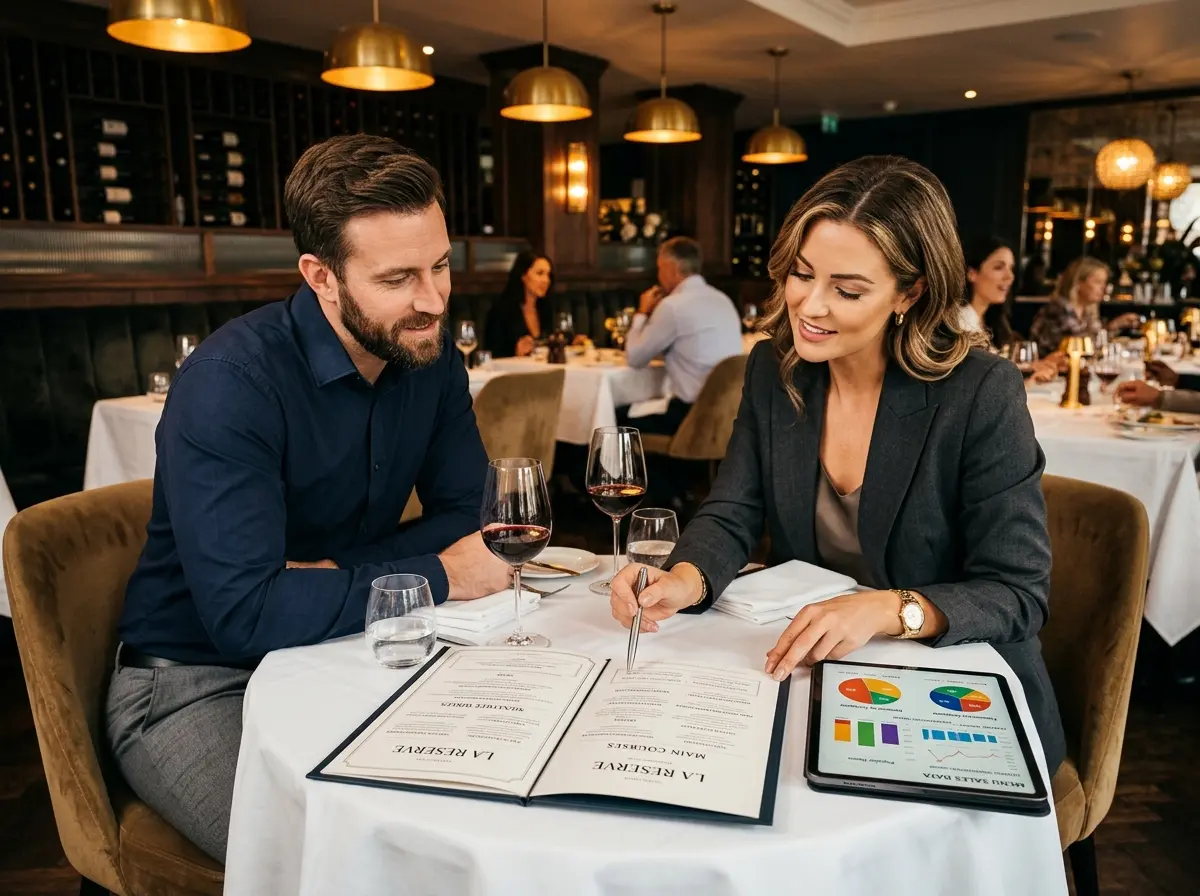
Tempo matters just as much as genre. Slower music has been shown to increase the time customers spend in a store and, accordingly, how much they spend. Fast-paced music works well in quick-service environments where you want efficient turnover. A fine dining restaurant and a fast-casual burger joint should have completely different soundscapes — and for good reason.
Volume also plays a role. Moderate volume tends to encourage social interaction and browsing. Too loud, and customers feel rushed or irritated. Too quiet, and every conversation becomes uncomfortably public, which makes people want to leave faster. Think of it as acoustic hospitality — you're designing a space where people feel comfortable enough to stay and spend.
The Multisensory Multiplier Effect
Here's where it gets really interesting: scent and sound don't just work in isolation. When they're aligned with each other and with your brand, they create what researchers call a multisensory congruence effect — a fancy way of saying the whole is greater than the sum of its parts. A study in the Journal of Retailing found that matching ambient scent and music genre (e.g., romantic music with a romantic floral scent) led to significantly higher customer evaluations of the store and their products than either element alone.
Think of it this way: if your bakery smells like cinnamon and vanilla but blasts heavy metal, you've created sensory dissonance. Your customer's brain is confused, and confused brains tend to leave. But pair that warm bakery scent with soft acoustic folk music, and suddenly people are buying a second cinnamon roll and considering whether they actually need a gift card.
Where Technology Meets the Customer Experience
Letting Stella Handle the Human Side While You Handle the Atmosphere
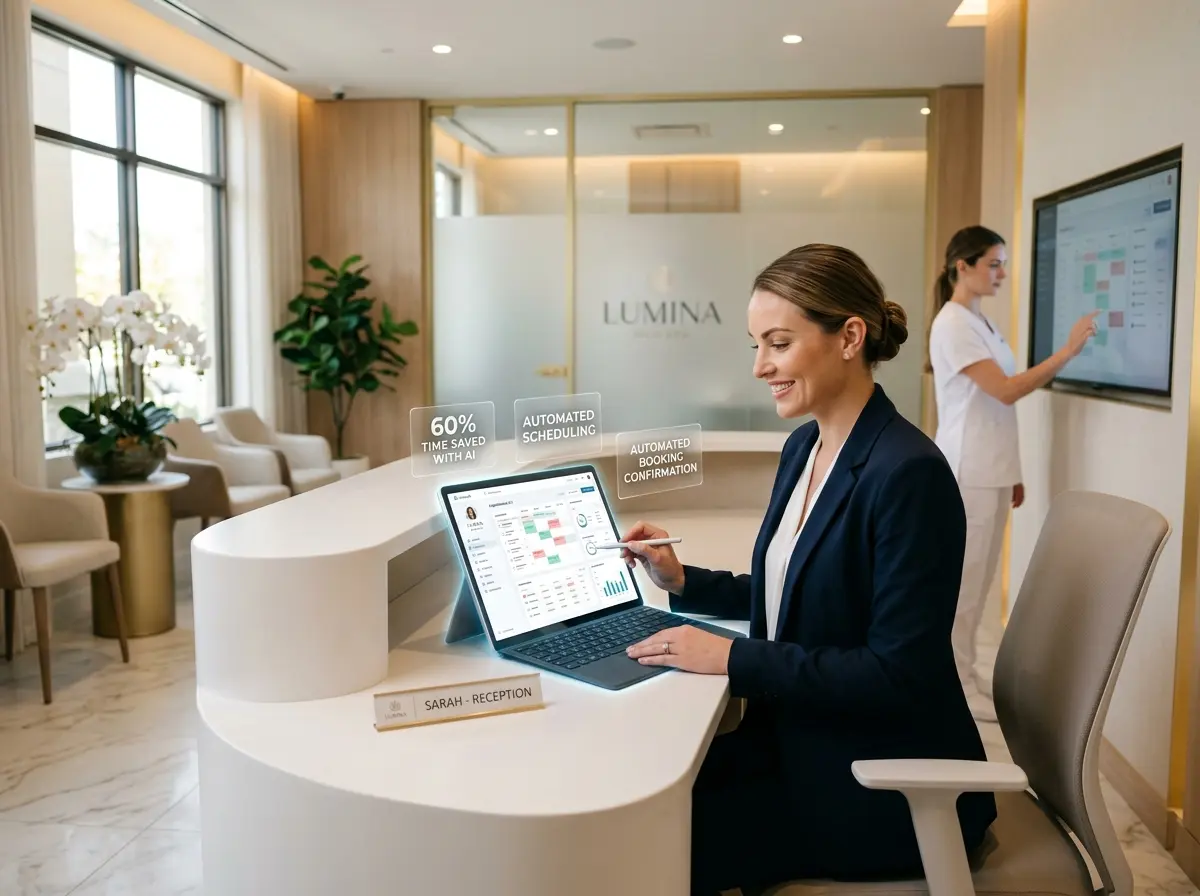
Sensory marketing sets the stage, but someone still has to engage the audience. That's where Stella comes in — the AI robot employee and phone receptionist designed for businesses exactly like yours. While you're busy optimizing your scent diffuser settings and curating your Spotify playlist, Stella greets every customer who walks through your door, proactively engages them, answers their questions, and promotes your current deals and specials — all without needing a coffee break or a performance review.
For your phone line, Stella answers calls 24/7 with the same knowledge she uses on the floor. She can handle questions about hours, services, and pricing, forward calls to human staff when needed, and even collect customer information through conversational intake forms. If someone calls after hours because they smelled your store from the sidewalk and want to know more about your loyalty program, Stella has them covered. The sensory experience hooks them; Stella reels them in.
Implementing Sensory Marketing Without Losing Your Mind (or Your Budget)
Getting Started with Scent Marketing
You don't need to hire a professional "scent architect" (yes, that's a real job title) to get started. Here's a practical approach for most small to mid-sized businesses:
- Choose a signature scent that reflects your brand personality — calming, energizing, luxurious, rustic, etc.
- Use commercial-grade diffusers rather than consumer plug-ins. They distribute scent more consistently and don't create hot spots that overwhelm customers near the door.
- Keep it subtle. If customers can identify the scent the moment they walk in, it might be too strong. The goal is a pleasant subconscious impression, not an olfactory announcement.
- Be consistent. Use the same scent every day. Consistency builds brand association over time. This is how companies like Westin Hotels made "White Tea" smell like luxury to an entire generation of travelers.
Budget-wise, a quality commercial diffuser setup for a small retail space can run anywhere from $100 to $500 upfront, with ongoing costs for scent cartridges or oils typically ranging from $30 to $100 per month depending on square footage. Compared to the return on investment, it's an embarrassingly affordable upgrade.
Building Your Sound Environment
Your in-store playlist deserves the same intentionality as your product display. Here's how to approach it without spending weeks in a music theory rabbit hole:
Start by defining the pace and mood you want customers to experience. Upscale and relaxed? Think jazz, soft classical, or ambient instrumental. Trendy and energetic? Curated pop or indie playlists. Homey and approachable? Acoustic folk or light country. From there, use services like Spotify for Business, Soundtrack Your Brand, or Cloud Cover Music — all of which are licensed for commercial use (important: standard Spotify personal accounts are not legal for in-store use, and yes, that can actually become a problem).
Set a schedule, too. Morning customers might benefit from slower, more relaxed tracks as they ease into their day, while mid-afternoon playlists could pick up the tempo slightly to maintain energy during the post-lunch lull. Test different configurations and pay attention to metrics like average transaction value and dwell time. You might be surprised what a playlist change does to your Saturday afternoon sales numbers.
Measuring What's Actually Working
Sensory marketing is powerful, but it's not magic — and it shouldn't be invisible to your analytics. Track baseline metrics before you implement changes: average transaction value, dwell time if your POS can capture it, and conversion rate from foot traffic. Then implement one change at a time and measure over four to six weeks before drawing conclusions.
Customer feedback is also underutilized here. A simple question like "How did you feel during your visit today?" on a receipt survey or a follow-up text can surface qualitative insights that numbers alone miss. You're not just trying to make the store smell nice — you're trying to understand how sensory choices translate into real purchasing behavior for your specific customers.
Quick Reminder About Stella
Stella is an AI robot employee and phone receptionist available for just $99/month with no upfront hardware costs. She stands in your store greeting customers and answering questions, and she answers your phone calls around the clock so you never miss a lead. Whether you're a retailer, spa, restaurant, or service business, she's ready to work the moment you set her up — no training montage required.
Your Action Plan: Start Small, Think Sensory
Sensory marketing isn't about turning your store into a theme park of manufactured emotion. It's about removing friction from the customer experience and replacing it with something that feels genuinely pleasant — an environment people want to be in, linger in, and come back to.
Here's where to start this week:
- Walk into your store like a customer would. What do you smell? What do you hear? Is it intentional, or is it just whatever happened to be there?
- Pick one sensory element to optimize first — scent or sound — and research options that align with your brand identity.
- Set your baseline metrics so you can actually measure the impact of changes you make.
- Implement gradually and give each change four to six weeks before evaluating results.
- Layer in additional sensory elements over time, always asking whether they're congruent with each other and with your brand.
The customers who walk into a beautifully curated sensory environment don't think "wow, this business really strategized my emotions." They just think, "I really like it here." And then they buy the cinnamon roll. And the gift card. And they tell their friends.
That's the goal. And now you know how to get there.