Introduction: Your Members' Transformations Are Gold — Don't Waste Them (or Misuse Them)
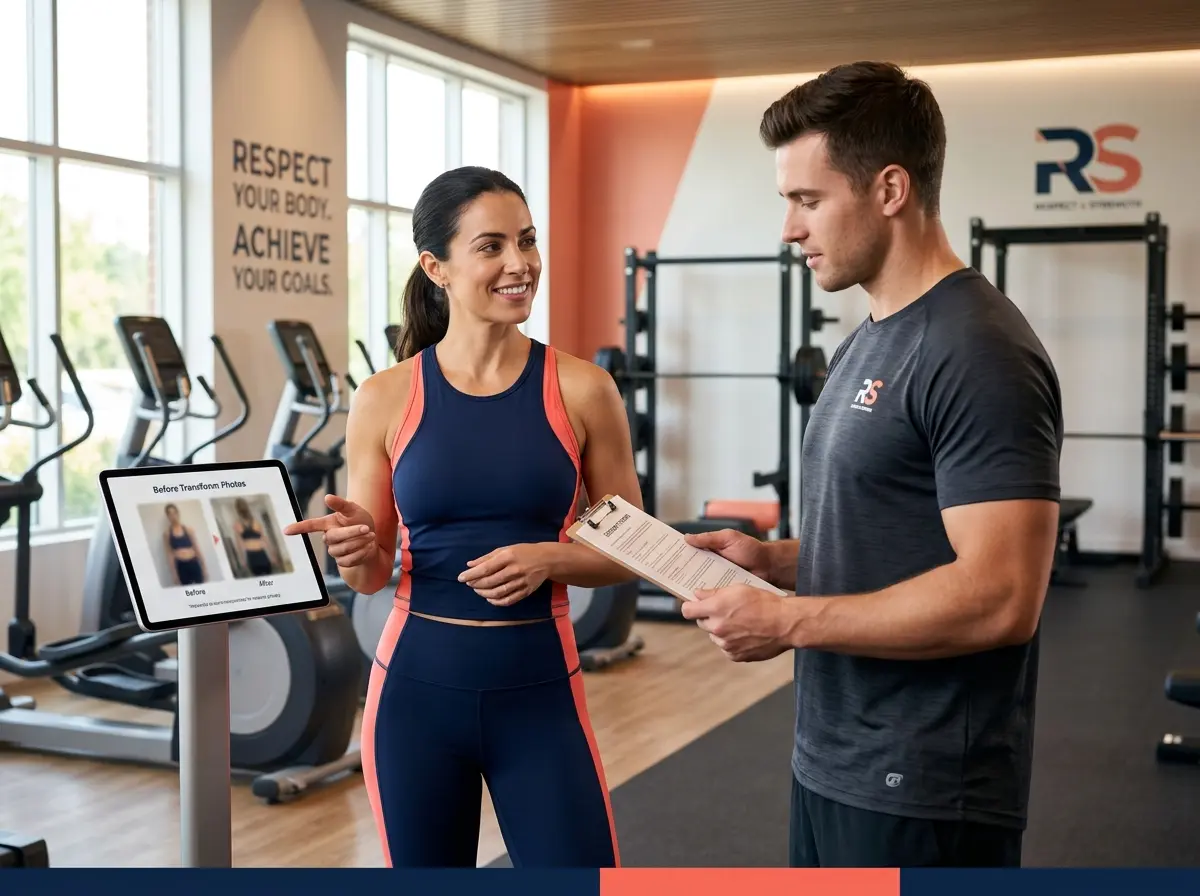
Let's be honest: a well-executed before-and-after photo is one of the most powerful marketing tools a gym owner has. It's real, it's emotional, and it tells a story that no amount of stock photography or clever copywriting can replicate. People don't join gyms because of the equipment specs — they join because they see someone who looks like them achieving something they want. Progress photos are that proof.
But here's where a surprising number of gym owners go wrong: they treat those photos like content to be harvested rather than stories to be honored. Posting a member's transformation without proper consent, using it in ways the member didn't expect, or making implied promises that the photos don't actually support — these aren't just ethical missteps. They're legal landmines and reputation killers. One uncomfortable post can undo months of community-building faster than you can say "cancelled membership."
The good news? Doing this the right way isn't complicated. It just requires a little intentionality, a solid consent process, and a genuine respect for the humans who trusted you with their fitness journey. This guide walks you through exactly how to use member progress photos ethically, legally, and effectively — so your marketing is as strong as your members' deadlifts.
The Foundation: Getting Consent the Right Way
Why a Verbal "Sure, Go Ahead" Is Never Enough
We get it — your member just hit a massive milestone, they're pumped, they're glowing, and in the moment they say "Yeah, totally share that!" That enthusiasm is wonderful. Unfortunately, it's not legally binding. Verbal consent is vague, undocumented, and entirely dependent on memory — yours and theirs. When that same member sees their photo used in a Facebook ad six months later and doesn't remember agreeing to that, you've got a problem.
A written photo release form is non-negotiable. It should clearly specify where the photos may be used (social media, website, print ads, email campaigns, etc.), whether the member's name or personal story will be included, how long you have permission to use the content, and whether the permission can be revoked and under what terms. Keep it simple and human-readable — a two-page legal document will scare people off. A clean, one-page form in plain language will actually get signed.
Making the Consent Process Feel Good, Not Bureaucratic
Here's a mindset shift that changes everything: the consent conversation is also a celebration moment. When you approach a member about featuring their transformation, frame it as an honor, not a transaction. Tell them their story could inspire someone who's standing exactly where they were six months ago. Most people find that genuinely meaningful — and they'll consent enthusiastically rather than reluctantly.
Consider building the photo release into your onboarding process as an optional, low-pressure choice. Let new members opt in from day one, with the understanding that they can change their mind at any time. This normalizes the conversation and removes the awkwardness of approaching someone mid-journey. A few gyms have had success with a "Wall of Champions" opt-in program where members voluntarily submit their own photos along with a short story — turning the whole process into something members actively want to participate in.
Special Considerations: Sensitive Contexts
Some member transformations involve deeply personal health journeys — weight loss tied to medical conditions, recovery from injury, or mental health improvements. These deserve an extra layer of care. Even with written consent, ask yourself whether sharing this story could expose the member to unwanted attention, judgment, or questions they're not prepared for. Give members the option to share their physical transformation without disclosing the personal backstory. Protect their dignity first; your marketing second.
How Stella Can Help Streamline Your Gym's Operations
Letting Technology Handle the Details So You Can Focus on Your Members
Managing consent forms, member communications, and intake processes manually is the kind of administrative overhead that quietly eats gym owners alive. Stella, the AI robot employee and phone receptionist, can help carry some of that load. Through her built-in CRM and conversational intake forms, Stella can collect and organize member information — including preferences and opt-in choices — during phone calls, at her in-gym kiosk, or through your website. That means you can log consent preferences directly into member profiles without relying on a sticky note and good intentions.
Beyond paperwork, Stella handles the front-of-house tasks that distract your staff from member relationships — greeting walk-ins, answering questions about membership options, promoting current deals, and managing phone calls 24/7. When your team isn't buried in repetitive inquiries, they have more capacity to do the high-touch work that actually builds the kind of member loyalty that produces great transformation stories in the first place.
Using Progress Photos Effectively in Your Marketing
Tell the Story, Not Just the Result
A before-and-after photo with no context is just two pictures. What makes it compelling is the narrative in between. Where was this person when they started? What was hard? What changed — not just physically, but in how they feel about themselves? When you pair a member's transformation photo with even two or three sentences of genuine story, you've created something people will actually stop scrolling to read.
Avoid the temptation to make it purely about the physical change. "Lost 30 pounds in 90 days!" hits differently — and more ethically — when it's accompanied by "and finally has the energy to keep up with her kids." The physical result is the hook; the human impact is what converts a viewer into a prospect. It also protects you from implying guaranteed outcomes, which brings us neatly to the next point.
Avoid Misleading Implications (Your Future Self Will Thank You)
The FTC has very clear guidelines about testimonials and endorsements in advertising, and progress photos fall squarely in that territory. You are legally required to ensure that your marketing doesn't imply that a member's result is typical unless it actually is. That means including a clear disclaimer when you share transformation content — something like: "Results vary. Individual outcomes depend on a variety of factors including effort, diet, and starting fitness level."
This isn't just legal housekeeping. It's also good marketing. Sophisticated consumers are skeptical of "too good to be true" claims, and a gym that acknowledges the realistic, hard-won nature of its members' achievements actually comes across as more trustworthy than one plastering "LOSE 20 LBS GUARANTEED" across everything. Authenticity sells — especially in the fitness industry, where people have been burned by empty promises before.
Platform Strategy: Where to Use Progress Photos for Maximum Impact
Not all platforms are created equal when it comes to transformation content. Instagram and Facebook remain the strongest channels for visual storytelling, particularly when you combine a compelling photo with a caption that includes the member's story. Instagram Reels featuring short video testimonials — with the member speaking directly to camera — have significantly higher engagement rates than static posts for most gym accounts.
Your website's testimonials page and email newsletter are also underutilized goldmines. A monthly "Member Spotlight" email, featuring one transformation story with photos and a brief Q&A, can become one of your highest-performing campaigns — both for retention (existing members feel celebrated) and acquisition (prospects see real results from real people). Case studies published on your blog also have the added benefit of SEO value, helping local searchers find your gym when they're actively looking for results like the ones you're showcasing.
Quick Reminder About Stella
Stella is an AI robot employee and phone receptionist built for businesses like yours — she greets members at your gym, answers calls around the clock, promotes your offerings, and manages member information through a built-in CRM, all for just $99/month with no upfront hardware costs. She's the staff member who never calls in sick, never forgets to mention the current promotion, and is always ready to make a great first impression. If your front desk feels stretched thin, Stella is worth a look.
Conclusion: Turn Member Wins Into Your Biggest Marketing Asset — Responsibly
Progress photos are one of the few marketing tools that are simultaneously free, highly effective, and genuinely meaningful to your members when handled with care. The gym owners who do this well aren't cutting corners on consent or chasing viral moments at their members' expense — they're building a culture where transformations are celebrated, stories are shared proudly, and trust is the foundation of every piece of content they put out into the world.
Here's your action plan to get started:
- Audit your current consent process. If you don't have a written photo release form, create one this week. Keep it simple, specific, and revocable.
- Build photo opt-in into your onboarding. Make it an easy, pressure-free choice from day one so the conversation never feels awkward.
- Train your staff on how to approach members about sharing their story — framing it as an honor and a chance to inspire others, not a content grab.
- Add FTC-compliant disclaimers to any transformation content you publish, everywhere you publish it.
- Launch a Member Spotlight series across your email, social, and website channels — and watch what happens to your engagement and lead quality.
Your members are doing incredible things inside your walls every single day. With the right ethical framework and a smart marketing strategy, those stories can do incredible things for your business too. Honor the trust your members place in you, and they'll become your most powerful advocates — one transformation photo at a time.