The Impulse Buy Is Not Dead — It's Just Waiting for You to Wake Up
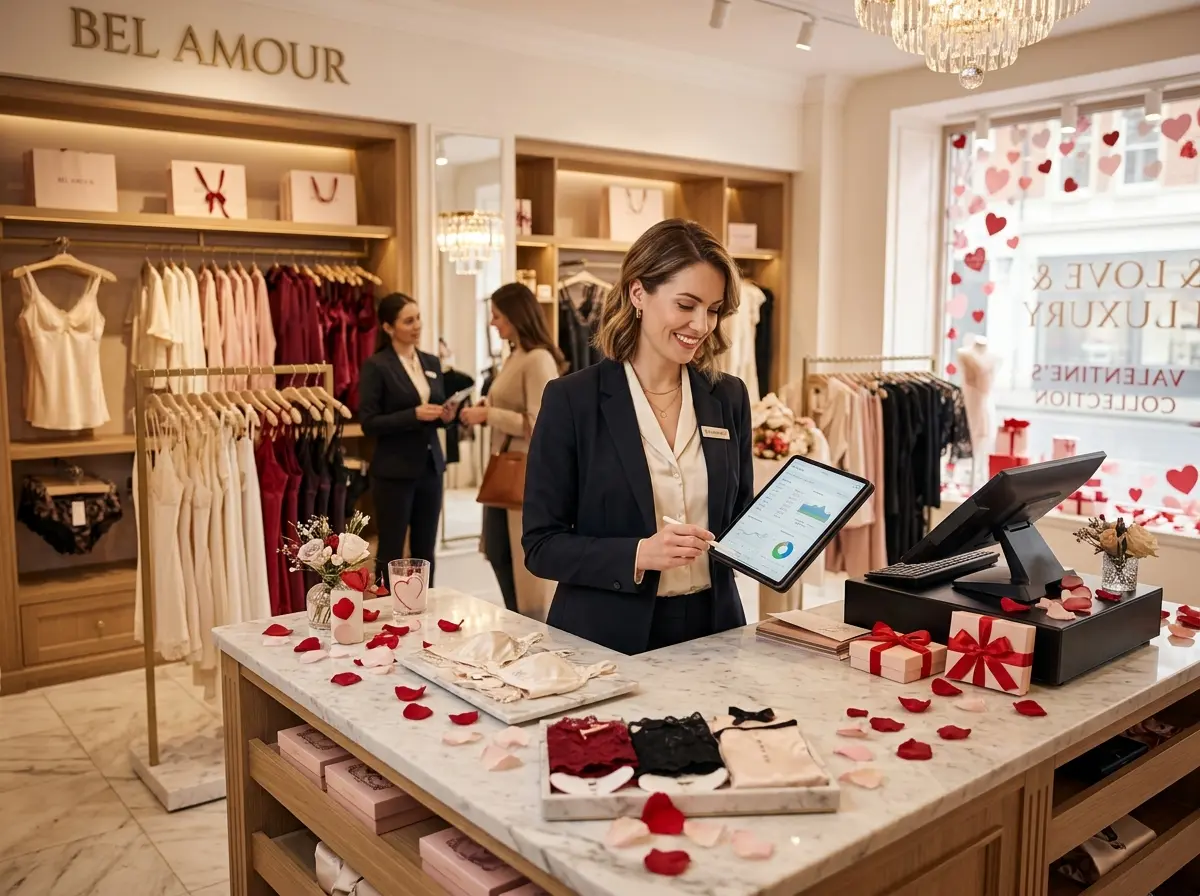
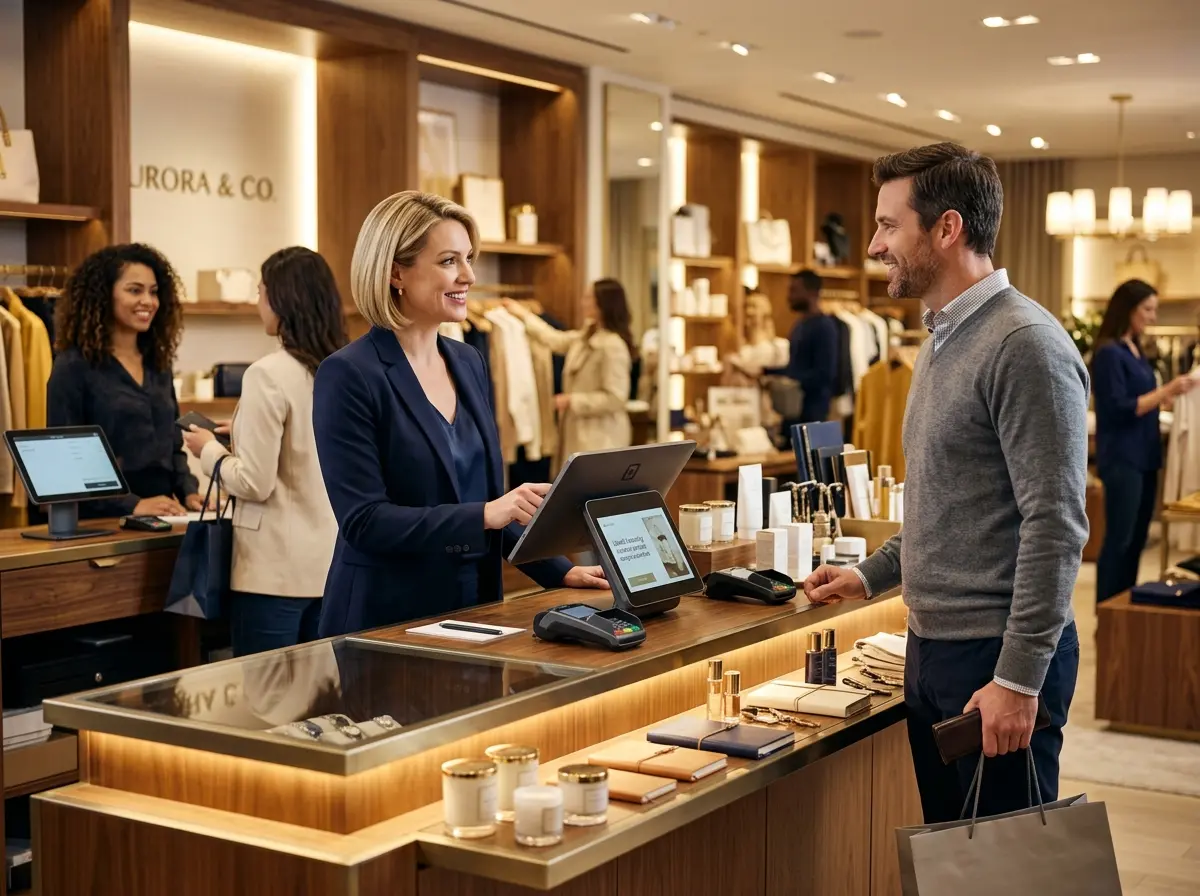
Picture this: a customer walks into your store, grabs exactly what they came for, heads to the checkout counter, pays, and leaves. Clean. Simple. And a massive missed opportunity. You've just spent money acquiring that customer — through advertising, foot traffic, word of mouth, or sheer luck — and the transaction is over before it even reached its full potential. Meanwhile, the checkout counter sits there like an untapped gold mine, just waiting for someone to pick up a shovel.
Here's the reality: impulse purchases account for roughly 40–80% of all retail purchases, depending on the category. The checkout zone is prime real estate, and most retailers treat it like a hallway instead of a sales floor. Whether you're running a boutique, a pharmacy, a hardware store, or a specialty shop, the last few feet before the door can quietly become one of your most profitable square feet per dollar. You just have to be intentional about it.
This post is your practical guide to transforming that overlooked counter space into a revenue engine — without being pushy, without overhauling your entire store, and without hiring a retail consultant who charges more per hour than your best-selling product.
Setting the Stage: The Psychology and Strategy Behind Checkout Purchases
Before you start cramming every possible product onto your counter, it helps to understand why people make last-minute purchases in the first place. Spoiler: it's not random. It's psychology, and once you understand it, you can design your checkout experience to work with human nature instead of against it.
The Science of the Last-Minute Decision
By the time a customer reaches your checkout counter, their decision fatigue is at its peak. They've already been browsing, comparing, and choosing — and their mental guard is down. This is precisely when a well-placed, low-friction, low-cost item whispers "just add me to the pile." The key word there is low-friction. Impulse items at checkout work best when they require almost no deliberation. Think small, useful, affordable, and relevant to what the customer is already buying.
A customer buying a candle? Show them a small box of matches or a wick trimmer. Someone picking up athletic wear? A single-serving protein bar or a hair tie multipack is a natural add-on. The mental calculus is quick: Oh, I could use that. It's only $4. Sure. That's the moment you're engineering.
Choosing the Right Products for Your Counter
Not everything belongs at checkout. A flat-screen TV display doesn't make sense next to the register (unless you're in a very specific kind of store). The best checkout items share a few common traits:
- Price point under $20 — Low enough to bypass the mental "should I really buy this?" filter.
- Small and compact — They shouldn't dominate the counter or create clutter that makes the space feel chaotic.
- Complementary to your core inventory — They should feel like a natural extension of what the customer already bought.
- Consumable or giftable — Items people use up and re-buy, or small gifts someone might grab for a friend, perform exceptionally well.
Rotate your checkout merchandise seasonally and pay attention to what sells versus what just sits there collecting dust. If a product hasn't moved in three weeks, swap it out. The checkout zone should feel fresh and curated — not like the shelf where items go to retire.
Merchandising That Actually Works
How you display items matters just as much as what you display. A disorganized pile of products at the counter sends the message that these are afterthoughts — because they are. Instead, invest in a few inexpensive counter display stands, small acrylic risers, or tiered organizers to create a sense of intentionality. Good lighting helps too. If your checkout counter is dimly lit, those carefully selected products become invisible. Small spotlights or even LED strip lighting under a shelf can make a surprisingly big difference. Customers are drawn to brightness, contrast, and visual clarity — so give them something worth looking at while they wait to pay.
Technology and Tools That Boost Checkout Conversions
You don't have to rely solely on product placement and good lighting to drive last-minute sales. Smart use of technology — both at the counter and throughout the broader customer journey — can meaningfully increase your conversion rates without requiring your staff to become salespeople on commission.
Where AI Can Step In at the Right Moment
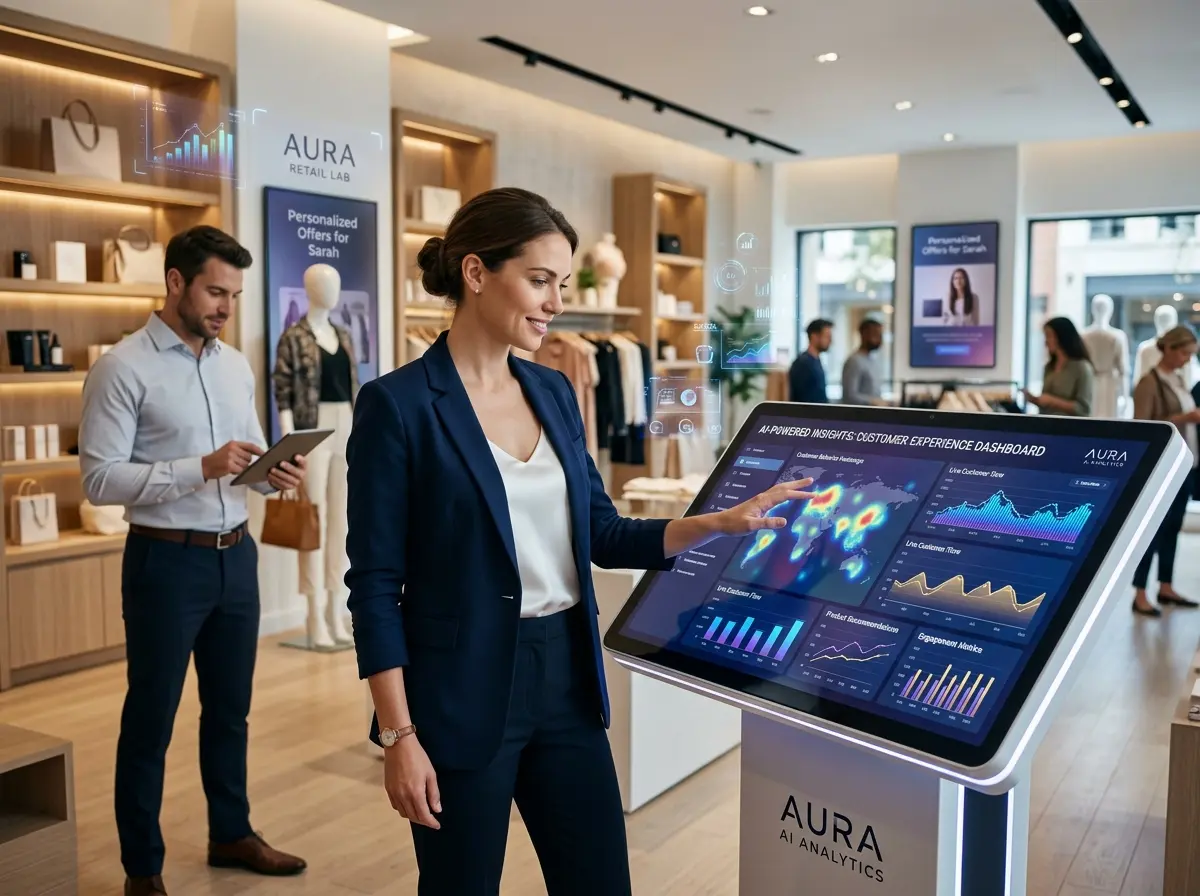
One often-overlooked opportunity is proactive engagement before the customer even reaches the counter. If your team is busy, it's easy for customers to go ungreeted, upsold, or uninformed about current promotions. That's where Stella, an AI robot employee and phone receptionist, changes the game for retail businesses. Positioned inside your store as a friendly, human-sized kiosk, Stella greets customers as they walk by, promotes current deals, and answers questions about products, pricing, and policies — all without pulling your staff away from what they're doing. By the time a customer reaches your counter, they may already be aware of your bundle deals, your loyalty program, or that limited-time add-on special, because Stella mentioned it. She also handles your phone calls 24/7, so if a customer calls ahead to ask what's in stock or whether you have a specific product, they get a knowledgeable, friendly answer every single time — not a voicemail.
Training Your Team to Close the Loop
Technology and product placement can do a lot of heavy lifting, but your staff is still the most powerful conversion tool in your store. The problem? Most employees don't think of themselves as salespeople, and frankly, nobody wants to feel like they're being sold to at checkout anyway. The good news is that effective upselling at the counter doesn't require a sales pitch — it requires a conversation.
The Art of the Soft Suggest
Train your team to make one natural, relevant suggestion during every transaction. Not a script. Not a rehearsed line. Just a genuine, human observation: "Oh, that candle is one of our most popular scents — we just got these wick trimmers in if you don't have one." That's it. No pressure, no repeat ask if the customer declines. The goal is to plant a seed, not to corner someone at the register. Studies consistently show that customers respond positively to personalized recommendations when they feel authentic — and negatively when they feel scripted. Your team knows your products. Encourage them to use that knowledge naturally.
Incentivizing Your Staff to Engage
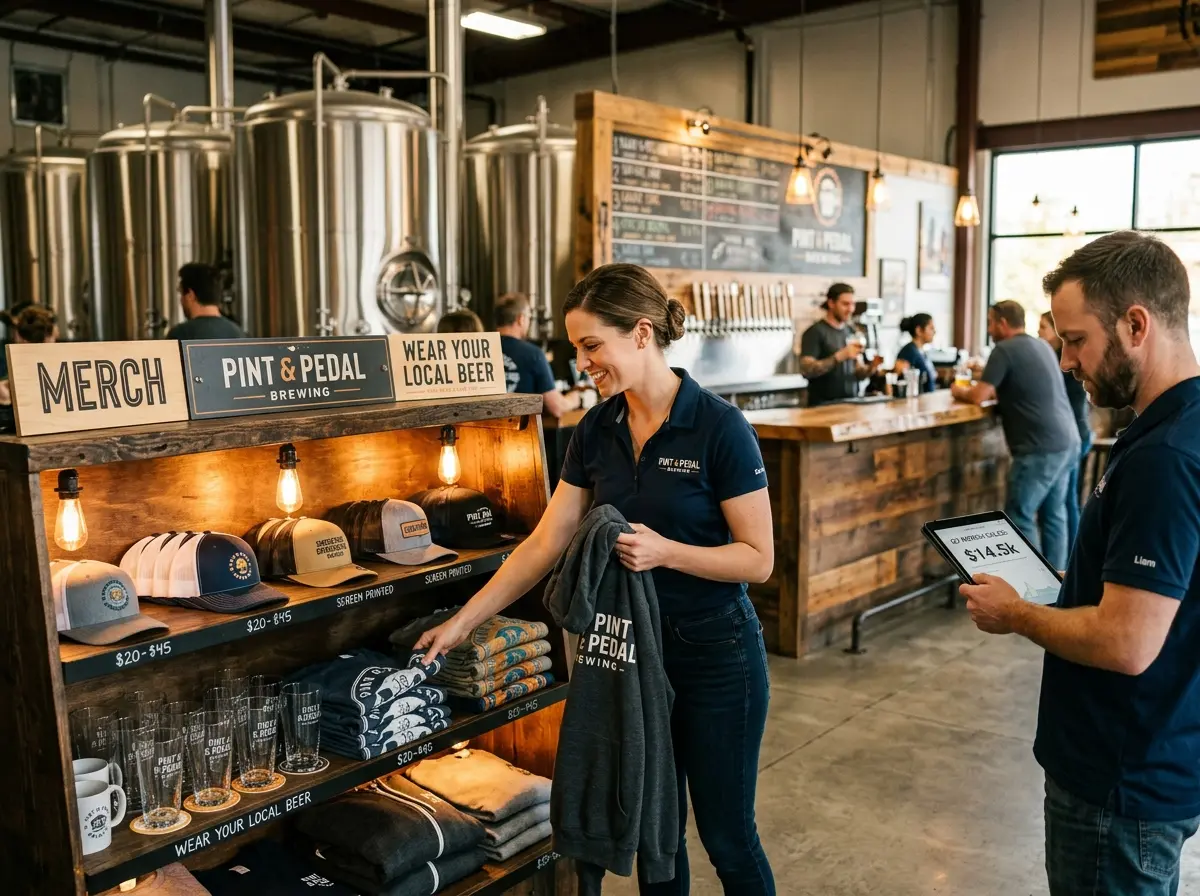
If upselling at checkout isn't happening consistently, it's worth asking whether your team has any reason to make it happen. Consider introducing a simple incentive — a small bonus when checkout add-on revenue hits a weekly threshold, a team recognition program, or even just a visible counter tracking daily add-on sales as a friendly internal competition. People respond to feedback loops. When staff can see the direct result of their suggestions in real numbers, the behavior tends to stick. Keep it fun, keep it low-stakes, and make sure the goal feels achievable — nothing kills motivation faster than a target that's out of reach from day one.
Signage That Does the Selling For You
Your staff won't always have the bandwidth to suggest an add-on to every customer — and that's okay. Well-designed signage at the counter can do a lot of the work on its own. A small tabletop sign that reads "Ask us about our loyalty program" or "Buy 2 of any lip balm, get 1 free" gives customers a reason to look twice at what's sitting in front of them. Digital signage — even a small tablet or screen at the counter — gives you the flexibility to rotate messaging without reprinting materials. Keep copy short, benefit-focused, and visually clean. If a customer has to read more than two sentences to understand the offer, you've lost them.
Quick Reminder About Stella
Stella is an AI robot employee and phone receptionist built for businesses like yours — available as an in-store kiosk that engages customers proactively, and as a 24/7 phone receptionist that handles calls, promotes deals, and collects customer information without missing a beat. At just $99/month with no upfront hardware costs, she's one of the most affordable ways to add a consistent, professional presence to your retail operation without adding to your payroll headaches.
Turning Checkout Goldmines Into a Habit, Not a Happy Accident
The checkout counter opportunity isn't a trick or a gimmick — it's a legitimate, time-tested revenue strategy that works when it's executed with intention. The retailers who consistently generate strong add-on revenue aren't doing anything magical. They've simply made deliberate choices about what products sit at the counter, how those products are displayed, how their team engages with customers, and how technology supports the overall experience.
Here are your actionable next steps to get started this week:
- Audit your current checkout space. What's there right now? Is it intentional or accidental? Remove anything that doesn't serve a purpose.
- Select 3–5 high-fit, low-price products to feature at the counter, rotating them seasonally.
- Invest in basic merchandising tools — a display stand, better lighting, and clear signage don't cost much and make a visible difference.
- Coach your team on one natural, pressure-free suggestion per transaction and consider a simple incentive to keep the momentum going.
- Explore how in-store technology — including AI-assisted engagement — can warm customers up to add-ons before they even reach the register.
The checkout counter has been there all along. The question is whether you're making it work as hard as the rest of your store. With a little strategy and a willingness to treat those final few feet as prime selling space, you might be surprised at how quickly the numbers start to move. Now go pick up that shovel.