Let's Talk About the Elephant (or the Drill) in the Room
Nobody wakes up excited for a dentist appointment. That's just a fact of life, right up there with taxes and printer jams at the worst possible moment. And yet, here you are — running a dental practice, trying to convince perfectly reasonable adults that yes, they do need to come in twice a year, and no, ignoring that molar for six more months is not a viable strategy.
Patient communication and retention are the lifeblood of any dental practice. You can have the most skilled hygienists, the most state-of-the-art equipment, and a waiting room stocked with better magazines than most spas — but if patients aren't hearing from you, aren't responding to your outreach, and aren't booking that follow-up appointment, none of it matters. According to the American Dental Association, the average dental practice loses 10–15% of its active patient base every year just through attrition. That's not counting the patients who ghost you after one visit like a bad first date.
The good news? AI tools are changing the game for dental offices when it comes to communication, follow-up, and keeping patients in the chair (metaphorically speaking — we know they'd rather be anywhere else). This guide breaks down the most practical AI-powered strategies to help you plug the leaks, re-engage lapsed patients, and build the kind of loyal patient base that actually shows up.
AI-Powered Communication Tools That Actually Move the Needle
Automated Appointment Reminders and Follow-Ups
Let's be honest — if your front desk staff is still manually calling patients to confirm appointments, they deserve a medal and possibly hazard pay. Automated reminder systems powered by AI can handle appointment confirmations, pre-visit instructions, and post-appointment follow-ups without anyone lifting a finger. And they work. Studies show that automated appointment reminders can reduce no-show rates by up to 30% — which, for a practice seeing 15–20 patients a day, translates directly into real revenue recovered.
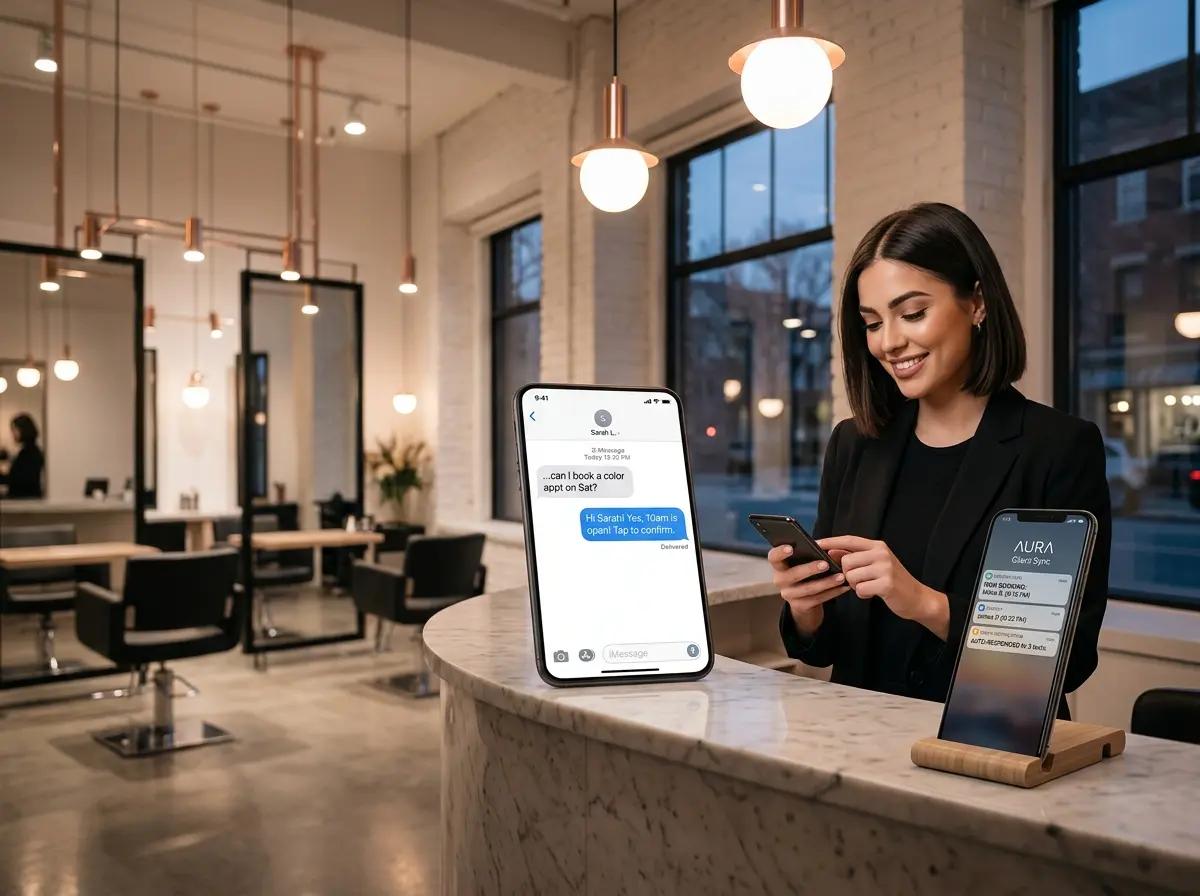
Modern AI reminder systems go beyond the basic "your appointment is tomorrow" text. They can personalize messages based on treatment type, send follow-up care instructions after procedures, and even trigger re-engagement messages when a patient hasn't scheduled their next cleaning in over six months. The best part? They do this at scale, consistently, without forgetting or getting pulled away to handle something else at the front desk.
AI Chatbots for Patient Questions and After-Hours Support
Your patients have questions at 10 PM on a Sunday. They want to know if their insurance covers a crown, whether they can eat normally after a filling, or how to handle a toothache that just kicked in. An AI chatbot integrated into your website can handle these questions around the clock, providing accurate, practice-specific answers without requiring anyone to be on-call.
This matters more than you might think. A 2023 survey by Salesforce found that 69% of patients expect connected experiences across channels, and a significant portion report that an unanswered question is enough reason to look elsewhere. Losing a patient because no one answered a simple FAQ at an odd hour is entirely preventable — and frankly, a little embarrassing in today's tech landscape.
Personalized Outreach and Re-Engagement Campaigns
AI-driven communication platforms can segment your patient list and craft outreach that feels personal rather than like a mass email blast. Patients who haven't visited in 18 months can receive a "we miss you" campaign. Patients who've had a specific treatment can be targeted with relevant follow-up education. Families with young children can receive reminders about pediatric dental milestones. This level of personalization used to require a dedicated marketing team. Now it requires the right software and a few hours of setup.
Putting AI to Work at Your Front Desk (Yes, Literally)
How an AI Receptionist Can Transform Patient Intake and First Impressions
Here's a scenario every dental office knows well: the phone rings, the front desk is checking in a patient, someone is asking about insurance, and another call is going to voicemail. It's barely 9 AM. Stella, the AI robot employee and phone receptionist, is built for exactly this kind of chaos.
For dental practices with a physical location, Stella stands in the office as a friendly, human-sized kiosk — greeting patients as they walk in, answering questions about services, current promotions, or office policies, and collecting intake information conversationally so staff don't have to. On the phone side, she answers calls 24/7, handles common patient inquiries, and forwards calls to staff based on configurable conditions. For new patient intake specifically, Stella's built-in CRM and conversational intake forms mean that by the time a human staff member gets involved, the basic information is already captured and organized. At $99/month with no upfront hardware costs, it's a practical addition for practices that want professional, consistent patient communication without adding headcount.
Retention Strategies That Go Beyond the Reminder Text
Building a Patient Experience That People Actually Talk About
Retention isn't just about reminders — it's about the overall experience that makes patients choose to come back. AI tools can help you analyze patient feedback at scale, identifying patterns in reviews and post-visit surveys that you'd never catch manually. Are patients consistently mentioning long wait times? Difficulty reaching the office by phone? Confusion about billing? These are fixable problems, and AI-powered sentiment analysis tools can surface them before they become a trend on your Google reviews page.
Beyond feedback analysis, practices that use AI to create more seamless, personalized experiences — from the first touchpoint to the follow-up — consistently report higher patient satisfaction scores. Patients notice when communication feels thoughtful rather than generic. They remember when their follow-up message addressed their specific procedure, when the office reached out proactively about a treatment plan, or when getting answers to their questions didn't require a game of phone tag.
Loyalty Programs and Value Communication with AI Assistance
Dental in-house membership plans — where patients pay a flat monthly or annual fee in exchange for preventive care and discounts — have exploded in popularity, especially for uninsured patients. AI tools can help you communicate the value of these programs clearly, target the right patients with enrollment offers, and track membership engagement over time.
Additionally, AI-powered content tools can help your practice maintain consistent, educational communication through email newsletters, social media, or patient portals — positioning your team as trusted experts rather than just the people who make them floss. Patients who feel genuinely informed and cared for are exponentially more likely to stay, refer friends, and actually book that six-month check-up without needing three reminders.
Using Data to Predict and Prevent Patient Churn
One of the most powerful — and underutilized — applications of AI in dental practices is predictive analytics. By analyzing appointment history, communication engagement, and treatment plan follow-through, AI systems can flag patients who are showing early signs of disengagement. A patient who used to come in every six months and is now 14 months overdue? That's a retention opportunity waiting to happen. AI doesn't replace the human relationship you've built with that patient, but it makes sure that patient doesn't silently slip through the cracks while your team is focused on today's schedule.
A Quick Word About Stella
Stella is an AI robot employee and phone receptionist designed to give businesses a reliable, professional presence without the turnover, the sick days, or the perpetual need for coffee. She greets patients in-person at your kiosk, answers phones around the clock, and keeps your front desk from becoming a one-person emergency response team. For dental practices juggling calls, walk-ins, and everything in between, she's a surprisingly practical solution at an even more surprisingly affordable price point.
Your Next Steps Start at the Front Desk
The dental practices that thrive over the next decade won't necessarily be the ones with the fanciest equipment or the most Instagram-worthy waiting rooms. They'll be the ones that communicate consistently, follow up reliably, and make patients feel like more than just a slot on the schedule. AI tools make all of that achievable without burning out your staff or blowing your budget.
Here's where to start:
- Audit your current communication gaps. Where are patients falling off? After a first visit? When treatment plans go unscheduled? Track it before you try to fix it.
- Implement automated reminders and follow-ups. If you're not doing this already, it's the single highest-ROI communication change you can make right now.
- Evaluate your after-hours support. Can patients get answers when your office is closed? If not, that's a retention leak worth patching.
- Explore AI tools for patient intake and front desk support. Whether that's a chatbot, an AI receptionist, or a CRM that actually keeps your patient data organized, these tools pay for themselves quickly.
- Use data to drive your outreach. Stop guessing which patients need a nudge and start letting your systems tell you.
The technology exists, it's accessible, and it doesn't require a PhD in computer science to implement. Your patients are out there, due for their cleanings, quietly dreading the call they know they should make. The least you can do is make it easy for them — and maybe even make them feel a little looked after in the process. Even dentists deserve loyal patients who actually show up.