Because Your Patients Deserve Better Than Hold Music and Missed Calls
Let's be honest — nobody wants to go to the dentist. Your patients are already arriving with sweaty palms and a rehearsed excuse for why they haven't been flossing. The last thing they need is to be greeted by a phone that rings into the void, a front desk buried in paperwork, or a follow-up system that relies entirely on Karen remembering to make the calls before she leaves at 5 PM sharp.
Patient communication and retention are the lifeblood of any dental practice. You can have the steadiest hands in the business and a waiting room stocked with actually current magazines — but if your communication game is weak, patients will quietly drift to the practice down the street. Studies suggest that dental offices lose up to 40-50% of new patient leads simply due to missed calls or slow follow-up. That's not a leaky bucket. That's a bucket with no bottom.
The good news? AI tools have matured to the point where they're genuinely useful for dental practices — not in a sci-fi "robot hygienist" kind of way, but in practical, revenue-protecting, staff-relieving ways. Let's dig in. (Pun absolutely intended.)
The Communication Problems Dentists Face Every Single Day
The Front Desk Bottleneck
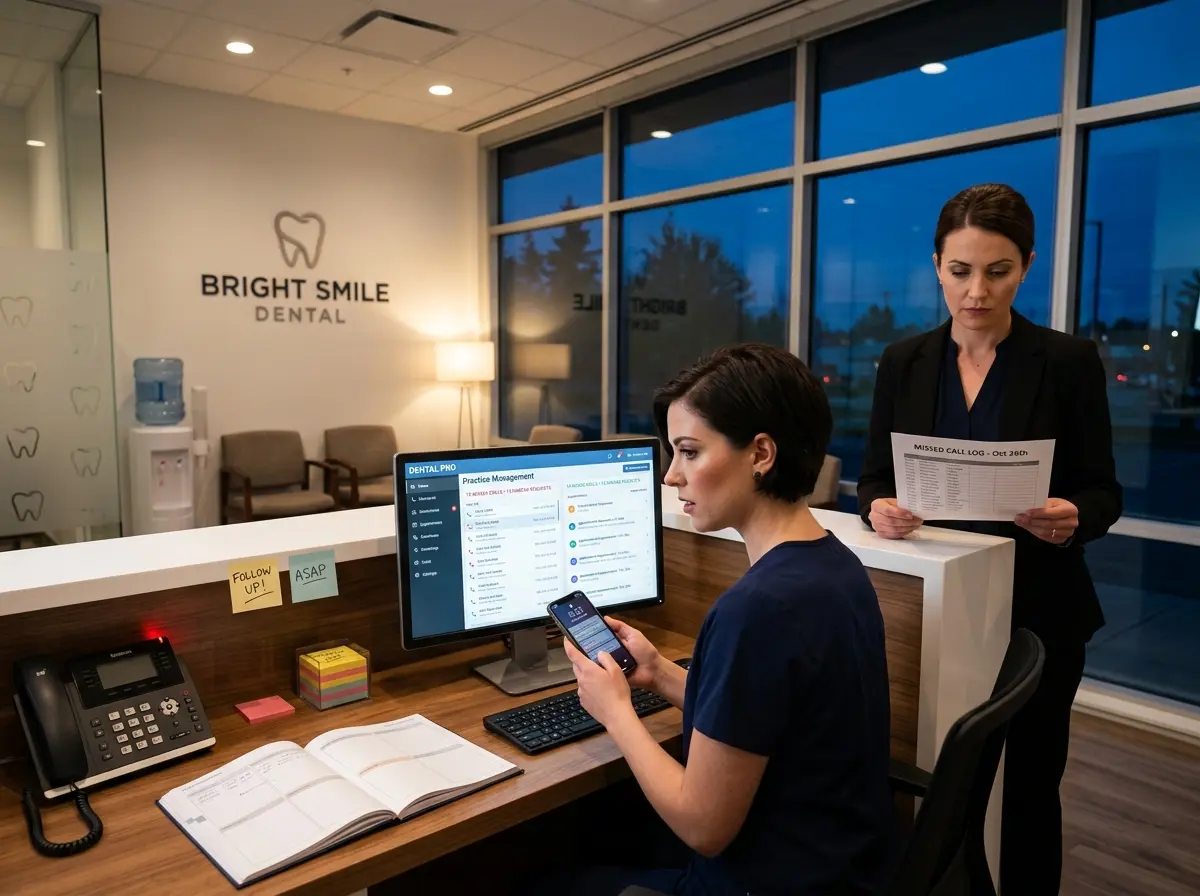
Your front desk coordinator is somehow expected to check in arriving patients, answer phones, handle billing questions, verify insurance, schedule appointments, and smile warmly through all of it — simultaneously. This is not a job description. It's a circus act. And when they're overwhelmed, things fall through the cracks: calls go unanswered, new patients get voicemail and never call back, and existing patients feel like they're bothering someone just by asking a question.
The bottleneck isn't a people problem — it's a system problem. No single human being can be in two places at once, no matter how much you appreciate them. AI tools are specifically designed to absorb the high-volume, repetitive communication tasks that eat up front desk bandwidth, freeing your team to focus on the in-person patient experience where their human touch actually matters.
After-Hours Silence Is Costing You Patients
A significant chunk of patients try to call dental offices outside of business hours — evenings, weekends, that strange purgatory between 12 and 1 PM when everyone's at lunch. According to various industry surveys, over 60% of patients who reach voicemail do not leave a message. They just hang up and call your competitor. Your office was literally closed, and you still lost a patient to it.
After-hours AI phone coverage isn't a luxury for large corporate dental chains anymore. It's a competitive necessity for any practice that wants to capture leads when they actually call — which, annoyingly, is whenever it's convenient for them, not you.
The Follow-Up Gap
Recall systems, reactivation campaigns, post-appointment check-ins — every dental consultant on the planet will tell you these are essential. And every dental practice owner will nod enthusiastically and then admit their follow-up process is "mostly reminders in the practice management software that we kind of check." AI-driven communication tools can automate recall outreach, send appointment reminders via text or email, flag lapsed patients for re-engagement, and do it all without needing a dedicated staff member to babysit the process.
AI Tools That Actually Move the Needle for Dental Practices
Automated Appointment Reminders and Recall Campaigns
The most immediately impactful AI communication tools for dentists are those that handle the appointment reminder and recall workflow. Platforms like Weave, Lighthouse 360, and Dental Intel connect directly to your practice management software and automate text, email, and phone reminders for upcoming appointments. The result is fewer no-shows — some practices report reductions in no-show rates of 30% or more after implementing automated reminder systems.
Recall campaigns work similarly. Instead of hoping someone remembers to pull a six-month-overdue patient list and start dialing, AI tools can automatically send personalized reactivation messages based on appointment history. Patients feel thought of. Your schedule fills up. Everyone wins — except the cavity that was quietly developing undetected, which, honestly, also wins for you.
AI-Powered Phone Answering and Front Desk Support
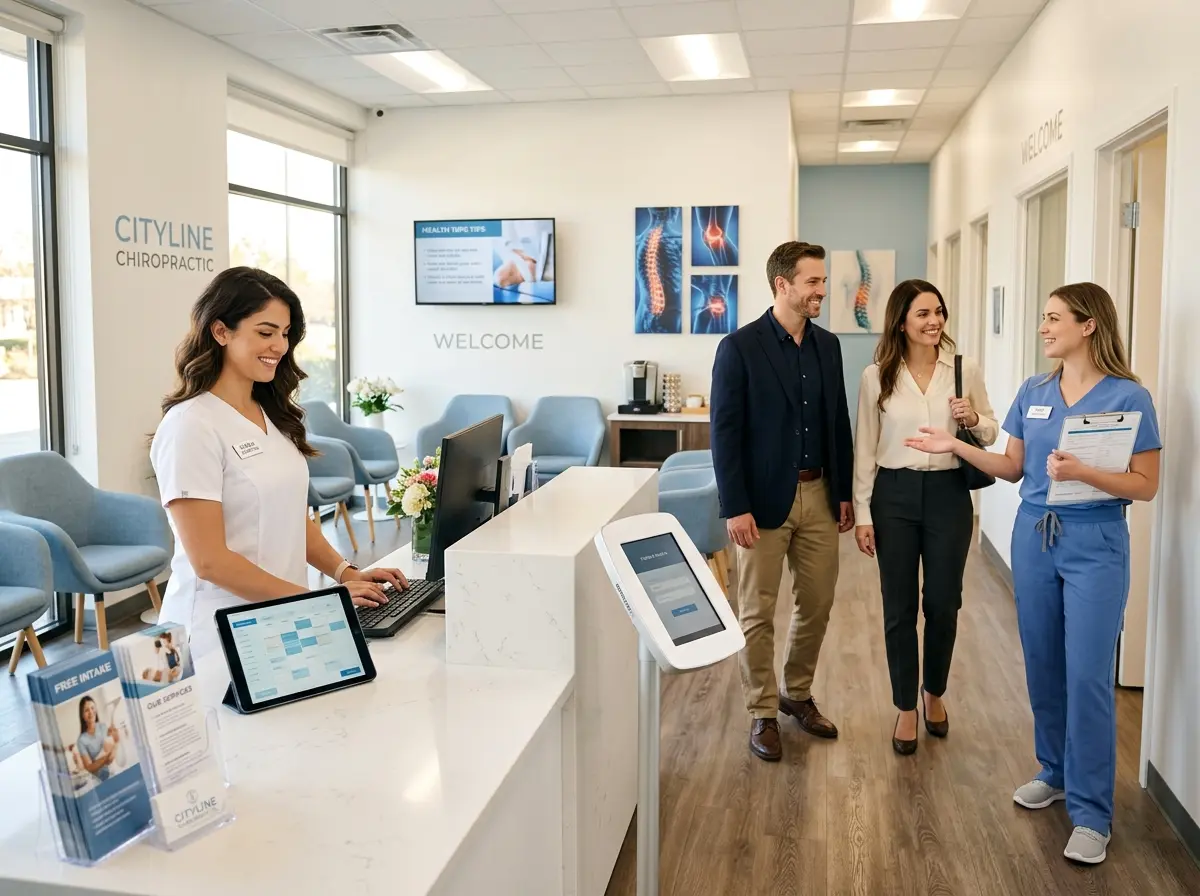
This is where Stella enters the operatory. Stella is an AI robot employee and phone receptionist that answers calls 24/7 with full knowledge of your practice's services, hours, policies, and promotions. For dental offices with a physical location, she also functions as an in-person kiosk — greeting patients as they arrive, answering questions, and creating a professional first impression before they even reach the front desk.
What makes Stella particularly useful for dental practices is her built-in CRM and conversational intake forms. She can collect patient information during a phone call — new patient details, reason for visit, insurance basics — and automatically generate a contact profile with AI-generated summaries. That means your front desk already has context before they ever pick up the phone. She also sends push notifications and AI-summarized voicemails to managers, so nothing gets lost in the shuffle. At $99/month with no upfront hardware costs, she's considerably cheaper than the turnover cycle of a front desk hire.
Retention Strategies That Keep Patients Coming Back
Personalized Communication Makes Patients Feel Valued
There is a meaningful difference between a generic "It's time for your cleaning!" text and a message that references the patient's name, their last visit, and their specific treatment history. AI tools that integrate with your practice management software can personalize outreach at scale — sending messages that feel human without requiring a human to write each one individually.
Patients who feel personally acknowledged are dramatically more likely to stay loyal to a practice. A study by Salesforce found that 76% of consumers expect companies to understand their needs — and that expectation has absolutely migrated into healthcare. Dental patients are consumers too, and they notice when communication feels canned versus considered.
Post-Treatment Follow-Up and Patient Satisfaction
Following up after a procedure — even just a simple "How are you feeling after yesterday's appointment?" message — has a disproportionately positive effect on patient satisfaction and online reviews. Most dental practices don't do this consistently because it takes time and falls outside the normal workflow. AI-driven tools can automate post-visit check-ins and even include gentle prompts to leave a Google review when sentiment is positive.
This matters more than ever. 77% of patients use online reviews as a first step in finding a new provider, according to a survey by Software Advice. Your reputation online is now as important as your reputation in the operatory. Automated post-visit communication is one of the lowest-effort, highest-return investments a dental practice can make.
Loyalty Programs and Re-Engagement for Lapsed Patients
Dental membership plans and loyalty programs have surged in popularity — especially for uninsured patients — and AI tools help you market and manage them effectively. Automated campaigns can target patients who haven't been seen in 12+ months with tailored messaging that emphasizes value, new services, or promotional offers. These aren't spam blasts. When done well with proper segmentation and personalization, they read as genuine outreach from a practice that actually wants them back. Because you do. Their teeth do too.
Quick Reminder About Stella
Stella is an AI robot employee and phone receptionist built for businesses exactly like yours — she answers calls around the clock, greets patients in person at her kiosk, collects intake information, manages contacts through a built-in CRM, and keeps your practice running professionally even when your team is elbow-deep in a root canal. She starts at just $99/month with no hardware costs and is straightforward to set up. Think of her as the front desk team member who never calls in sick and never asks for a raise.
Your Next Steps Toward Better Patient Communication
The practices that will win the next decade of dentistry aren't necessarily the ones with the newest equipment or the fanciest waiting rooms. They're the ones that communicate consistently, follow up reliably, and make every patient feel like they're more than a chart number. AI tools make all of that achievable without requiring a bloated staff or an unrealistic budget.
Here's where to start:
- Audit your missed call rate. Pull your call data for the last 30 days and find out how many calls went unanswered. That number will motivate everything else on this list.
- Implement automated appointment reminders. If your practice management software supports it, turn this on immediately. If not, look at platforms like Weave or Lighthouse 360.
- Close the after-hours gap. Explore AI phone answering solutions so that patients calling at 9 PM on a Tuesday get a response, not a voicemail they'll never leave.
- Build a recall and reactivation workflow. Identify patients overdue for care and set up automated outreach sequences — even a basic one will recover lapsed patients.
- Start collecting reviews systematically. Automate post-visit follow-ups with a review prompt and watch your Google rating climb.
Your patients are out there, trying to reach you. Some of them are even flossing now. Meet them where they are, communicate like a practice that values their time, and they'll keep coming back — no guilt-tripping required.