First Impressions: You Only Get One Shot (Make It Count)
Let's be honest — most service businesses spend a tremendous amount of time and money acquiring new customers, and then approximately zero minutes thinking about what happens during those first critical moments of contact. A new customer walks through the door or calls your number, and suddenly it's a coin flip: did the right staff member happen to be available? Were they in a good mood? Did they remember to mention the current promotion? Did they even say hello?
This is where a lack of a "First Visit" protocol quietly bleeds businesses dry. Not dramatically, not all at once — just one missed opportunity at a time. A customer who felt ignored. A caller who got a rushed answer and hung up. A first-timer who had questions that nobody addressed, so they left and never came back. You'll never even know it happened.
The good news? A well-designed first visit protocol isn't complicated. It's a repeatable, intentional system for how your business greets, informs, engages, and follows up with new customers — every single time, without relying on whoever happens to be standing near the door. And once you have one, you'll wonder how you ever operated without it.
What a First Visit Protocol Actually Looks Like
It Starts Before They Walk In (or Call)
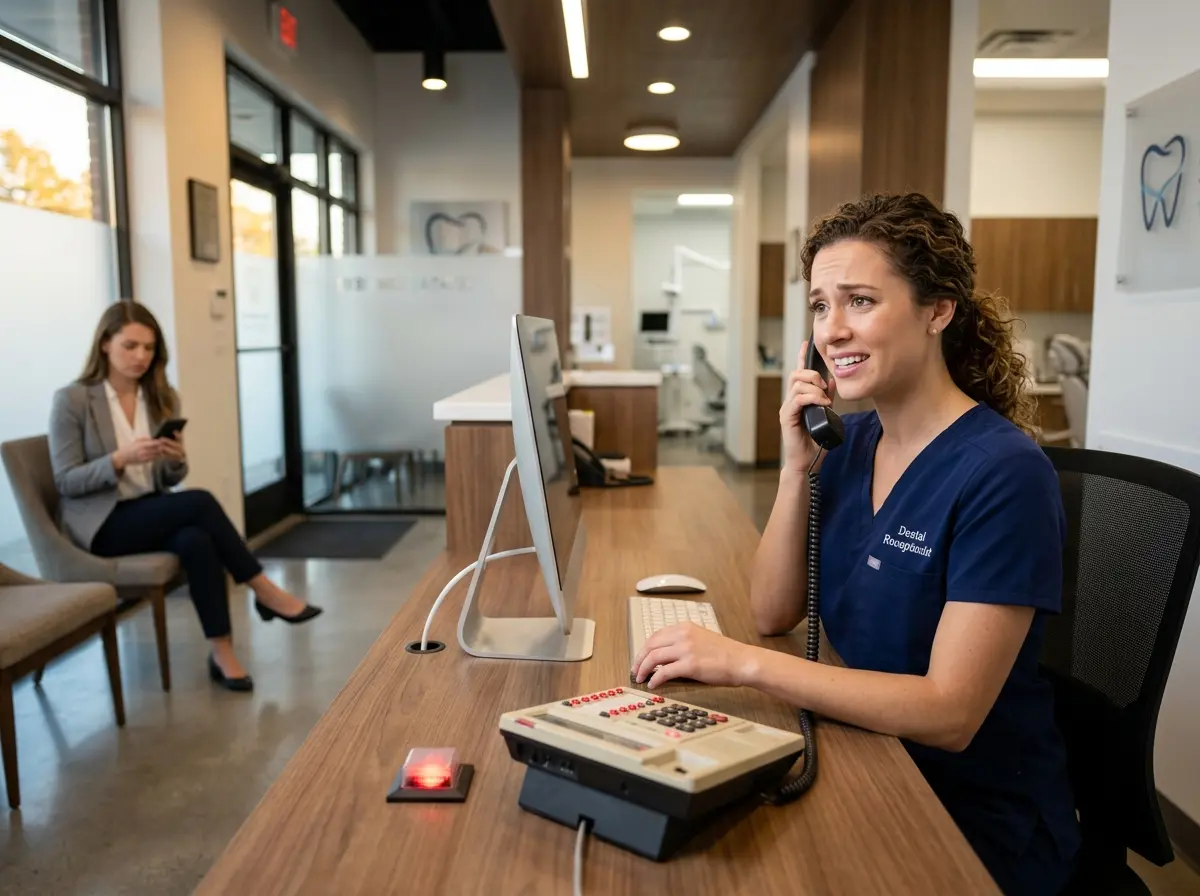
Your first visit protocol doesn't begin when the customer arrives — it begins the moment they consider reaching out. That means your phone experience, your online presence, and your availability all set the tone before a single handshake (or hello) takes place. If a potential customer calls at 7:30 PM on a Tuesday and gets a generic voicemail — or worse, a busy signal — that's already a first impression. Not a great one.
Think about the last time you called a business after hours and got nothing. Did you call back? Maybe. Did you also check out their competitor while you were at it? Probably. Studies show that nearly 80% of callers who reach voicemail won't leave a message — they just move on. Your first visit protocol needs to account for this by ensuring that every point of first contact is covered, professional, and informative, regardless of when it happens.
The In-Person Greeting: Scripted, Not Robotic
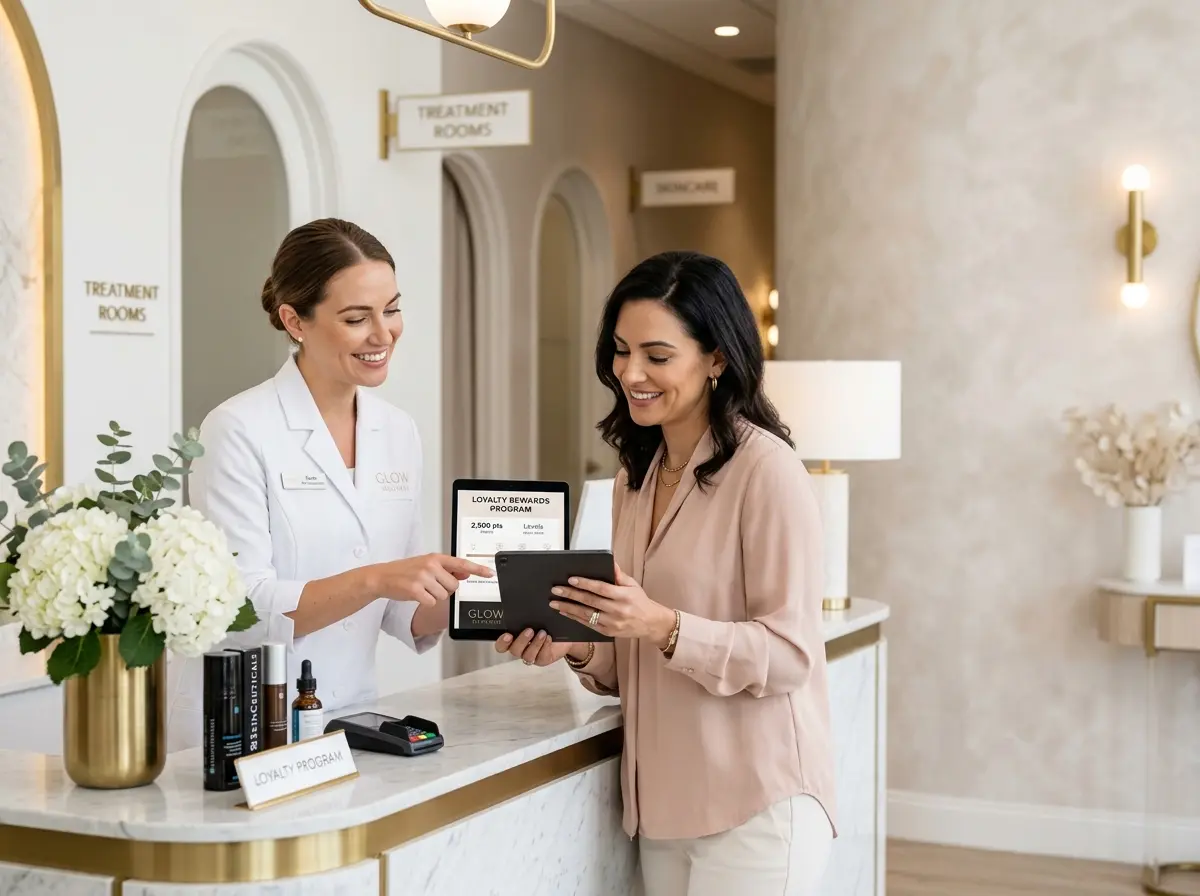
There's a meaningful difference between a scripted greeting and a robotic one. A scripted greeting ensures consistency — every new customer hears about your key offerings, feels welcomed, and has an opportunity to ask questions. A robotic greeting is just reciting words without engagement. Your protocol should define the former.
At minimum, your in-person first visit protocol should include a warm acknowledgment within the first few seconds of a customer entering, a brief introduction to what your business offers (especially anything new or promotional), and a natural invitation to ask questions. Staff should be trained to recognize first-time visitors — a simple "Have you been in before?" goes a long way — and adjust the conversation accordingly. First-timers need orientation. Regulars need recognition. Your protocol should handle both.
Information Gathering Without the Interrogation
A smart first visit protocol also captures useful information — without making your customer feel like they're applying for a mortgage. Name, contact info, how they heard about you, what they're looking for: this data is gold for follow-up marketing, loyalty programs, and understanding what's actually bringing people through the door.
The key is making it feel like a natural part of the experience rather than a form-filling exercise. Conversational intake — where you're simply asking questions as part of a genuine interaction — works far better than handing someone a clipboard. When done right, customers don't even realize they're "being onboarded." They just feel like someone is paying attention to them. Which, frankly, is a refreshing experience in most service environments.
How Technology Can Standardize the Experience
Letting Smart Tools Do the Heavy Lifting
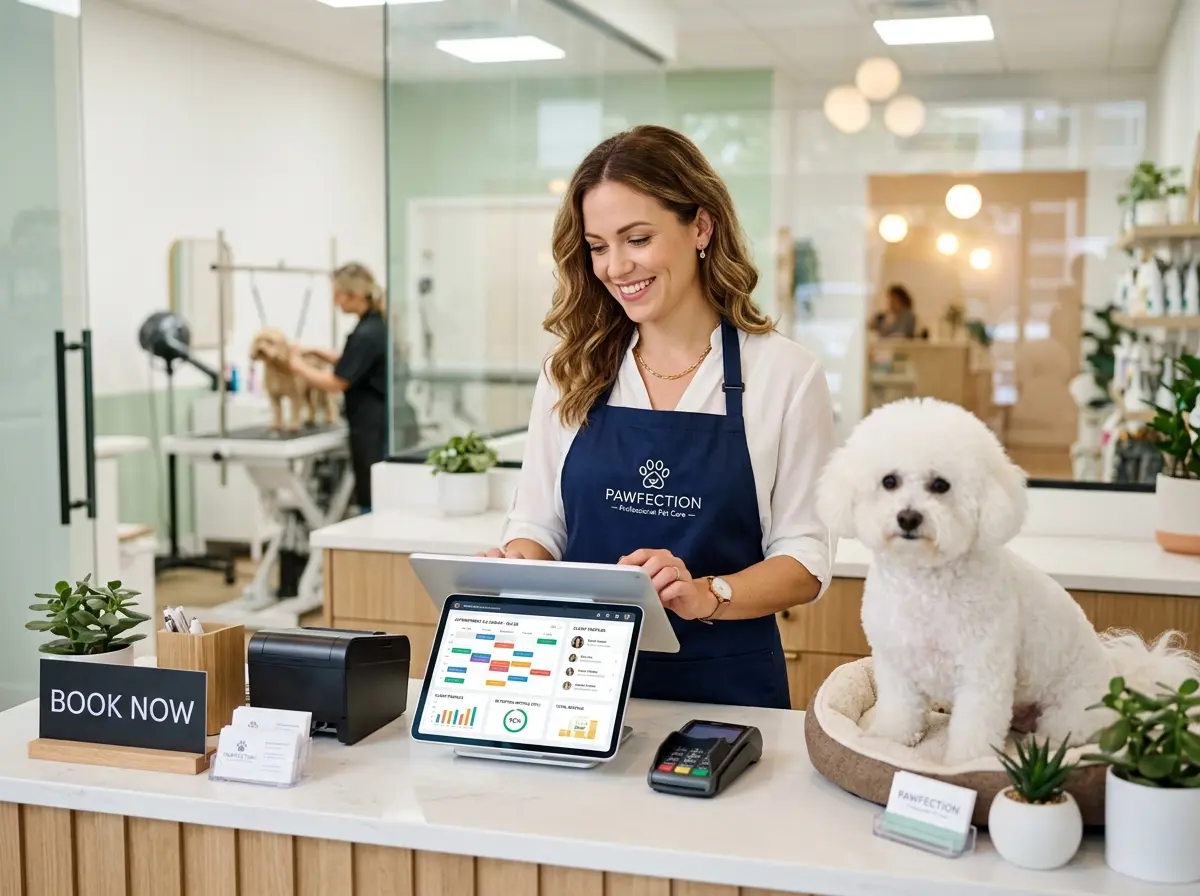
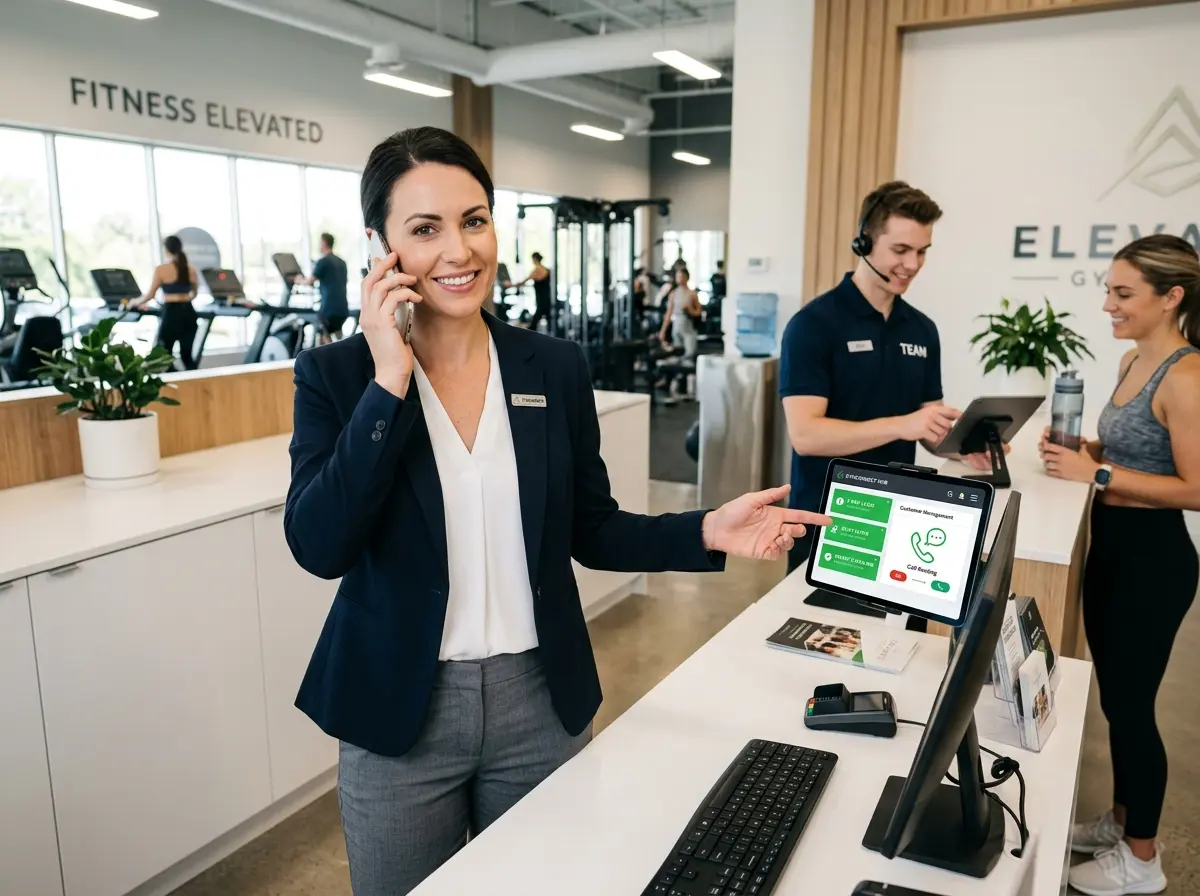
Here's where things get genuinely exciting — or at least, more reliable than hoping your front desk staff remembered to smile. Stella, an AI robot employee and phone receptionist, is specifically built to handle the moments your team can't always cover consistently. For businesses with a physical location, Stella stands inside the store as a friendly, human-sized kiosk that proactively greets customers, answers their questions, highlights current promotions, and even collects contact information through conversational intake forms — all without breaking a sweat or taking a lunch break.
On the phone side, Stella answers calls 24/7 with the same business knowledge she uses in person, meaning that 7:30 PM Tuesday caller gets a real, helpful, professional interaction instead of a voicemail void. She can collect customer information, answer questions about services and hours, forward calls to human staff based on configurable rules, and even generate AI-powered summaries of voicemails with push notifications sent directly to managers. Her built-in CRM stores customer profiles with custom fields, tags, and notes — so your first visit data doesn't disappear into a sticky note that eventually meets a tragic end near the coffee machine.
Making the Protocol Stick Across Your Team
Document It Like It Matters (Because It Does)
The biggest reason first visit protocols fail isn't bad intentions — it's bad documentation. A verbal explanation during onboarding, a quick "just follow Sarah's lead," and a general vibe of "be friendly" is not a protocol. It's a wish. If your first visit experience lives only in the heads of your best employees, it disappears every time someone calls in sick, quits, or simply has a bad Thursday.
Document your protocol clearly: what to say upon greeting, what to offer or explain, what questions to ask, and how to log the interaction. Make it short enough that people will actually read it, and specific enough that it's actionable. One page, clearly written, reviewed during training and referenced often, is worth more than a ten-page operations manual nobody opens.
Train for the Edge Cases
A solid protocol accounts for the usual scenario — but the best ones also prep your team for the awkward ones. What happens when a new customer arrives during a rush? When they have a complaint right off the bat? When they're comparing you openly to a competitor? When they're in a hurry and don't want the full welcome experience?
Role-playing these scenarios during team training sounds slightly ridiculous but works extremely well. Staff who've rehearsed an edge case handle it far more gracefully when it happens in real life. Give your team language they can use — not a script they're forced to recite word-for-word, but flexible phrases and approaches that keep the interaction professional and on-brand regardless of how the conversation goes. The goal is confidence, not performance.
Measure, Adjust, and Actually Improve
A protocol that never gets evaluated is just theater. Build in simple feedback mechanisms: follow-up messages to new customers asking about their experience, staff check-ins during team meetings, and regular review of conversion rates for first-time visitors. Are new customers coming back? Are they taking you up on the promotional offer that's part of your greeting? If not, something in the protocol isn't landing — and you want to know that before you've lost another hundred potential loyal customers to inertia.
Use the data you collect during first visits to identify patterns. If a significant portion of first-timers ask the same question your greeting already answers, maybe the greeting isn't as clear as you think. If customers consistently mention they heard about you from a specific source, double down there. A first visit protocol is a living document — treat it like one.
Quick Reminder About Stella
Stella is an AI robot employee and phone receptionist available for just $99/month with no upfront hardware costs — designed to give service businesses a consistent, professional, always-on presence both inside the store and on every phone call. Whether you're a solo operator, a growing service business, or a multi-location brand, she's ready to work the moment you set her up, and she never calls in sick right before your busiest weekend of the year.
Your Next Steps: Build the Protocol You've Been Putting Off
If you've made it this far, you already know your business needs a first visit protocol — you've probably just been telling yourself you'll get to it "soon." Here's the thing: every day without one is another day of inconsistent first impressions, missed follow-up opportunities, and new customers who had a fine experience but didn't feel compelled to return.
Start simple. This week, write down exactly what an ideal first interaction with your business looks like — from first contact (phone or in-person) through the end of the visit. Identify the gaps between that ideal and what's actually happening. Then close those gaps one at a time, with clear documentation, staff training, and smart tools where appropriate.
Specifically, here's a straightforward action plan to get started:
- Audit your current first contact experience — call your own business, walk in as a mystery shopper, and honestly assess what a new customer encounters.
- Define the ideal experience — write down the greeting, key information shared, questions asked, and data collected during a perfect first visit.
- Document and train — get it on paper, train your team, and make it part of onboarding for every new hire.
- Cover the gaps with technology — identify where human consistency is hardest to maintain (after-hours calls, peak hour greetings, intake forms) and use tools built for exactly those moments.
- Review quarterly — set a recurring calendar reminder to evaluate the protocol, check your data, and adjust based on real customer feedback.
Your best customers were all first-time visitors once. The businesses that grow sustainably are the ones that treat that first visit not as a random event, but as the beginning of a relationship worth designing. Build the protocol, implement it consistently, and let your systems do what your good intentions sometimes can't — show up the same way, every single time.