Your Portfolio Website Is Either Closing Deals or Losing Them — There Is No Middle Ground
Let's be honest: most contractor websites are doing more harm than good. They're either ghost towns that haven't been updated since 2017, digital brochures with stock photos of people shaking hands, or — the classic — a single page that just lists a phone number and says "call us for a free quote." Riveting stuff.
Here's the uncomfortable truth: before a potential client ever picks up the phone or fills out your contact form, they've already made up their mind about you based on your website. Studies show that 75% of users judge a company's credibility based on its website design. In the contracting world — where trust, quality, and professionalism are everything — your online portfolio isn't just a nice-to-have. It's your hardest-working salesperson, operating 24/7 without a lunch break or a personality conflict with the office manager.
The good news? You don't need to be a tech wizard or spend a fortune to build a portfolio website that actually converts visitors into paying clients. You just need to know what works, what doesn't, and why photos of your finished bathroom remodel are worth more than a thousand words of corporate-speak about your "commitment to excellence."
The Foundation: What Your Portfolio Website Actually Needs
Before we talk aesthetics, let's talk strategy. A contractor's portfolio website has one job: to make a stranger trust you enough to give you money. Everything on the site should serve that goal. If it doesn't, cut it. Here's what genuinely moves the needle.
High-Quality Project Photos and Detailed Case Studies
Your portfolio is the centerpiece of everything, and low-quality, dimly lit photos are a dealbreaker. Invest in a decent camera or hire a photographer for your best completed projects — it's a one-time cost that pays for itself the first time it lands you a high-value job. For each featured project, go beyond just showing the finished product. Include before-and-after comparisons, describe the scope of work, note any challenges you overcame, and mention the timeline and general budget range if appropriate. This storytelling approach transforms a photo gallery into a persuasive case study that helps potential clients visualize what you can do for them.
Organize your portfolio by project type or specialty — kitchen remodels, roofing, commercial builds, landscaping — so visitors can quickly find work that mirrors what they need. A homeowner looking for a deck addition doesn't want to scroll through your commercial HVAC projects to find relevant examples.
Social Proof That Doesn't Feel Forced
Testimonials are table stakes at this point, but how you present them matters enormously. A wall of five-star quotes with no names or context reads as suspicious. Instead, feature full-name testimonials with the client's city and project type. Even better, embed your Google Reviews or Houzz reviews directly on the page so visitors can see that the praise is independently verified and not just something you typed yourself at midnight.
If you have any before-and-after videos, client video testimonials, or third-party award recognitions, showcase those prominently. According to BrightLocal, 87% of consumers read online reviews for local businesses, and contracting is one of the most review-driven industries out there. Your credibility depends heavily on what other people say about you — so make it easy for visitors to find that evidence.
A Clear, Compelling Services Page With Real Specificity
Vague services pages are a conversion killer. "We do it all!" sounds great until a client realizes they have no idea if you handle the specific type of project they need. Break your services page into clearly defined offerings. Describe what's included, what types of clients or properties you typically work with, and what your process looks like from first contact to final walkthrough. This specificity builds confidence and also quietly filters out clients who aren't a good fit — saving you both time.
Turning Visitors Into Leads Without Chasing Them
Getting traffic to your website is only half the battle. The other half is converting that traffic into actual inquiries before visitors click away and call your competitor. This is where most contractor websites completely drop the ball.
Contact Forms, CTAs, and the Follow-Up Problem
Every page on your site should have a clear call to action — not buried at the bottom, not hidden behind three clicks. Make it easy for visitors to request a quote, schedule a consultation, or simply ask a question. Keep your contact forms short: name, email, phone, project type, and a brief description is plenty. Long forms are abandoned forms.
But here's where many contractors silently lose business: the follow-up. Someone fills out your form at 9 PM on a Tuesday, and if they don't hear back by Wednesday afternoon, there's a solid chance they've already booked a consultation with someone else. Speed-to-response is a massive competitive advantage in contracting, and most businesses aren't taking it seriously enough.
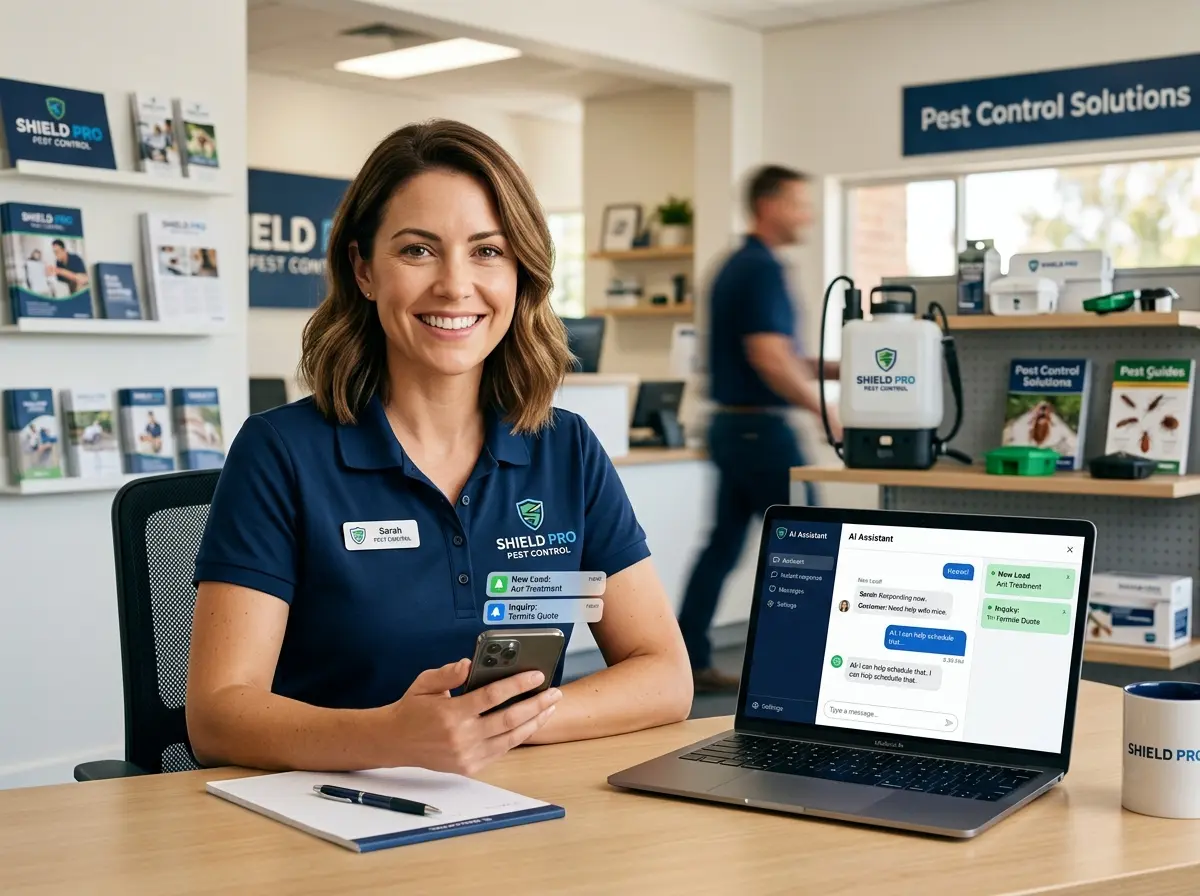
This is exactly where Stella steps in. While your portfolio website does the visual convincing, Stella handles the conversation — answering incoming calls around the clock, collecting intake information through conversational forms, and making sure no lead slips through the cracks at 11 PM when you're not at your desk. For contractors who live and die by the phone, having an AI receptionist that can intelligently answer questions about your services, collect project details, and forward urgent calls to the right person is genuinely game-changing. Her built-in CRM also keeps all your leads organized with AI-generated profiles, custom tags, and notes — so when you do follow up, you already know exactly what the client needs.
SEO and Local Visibility: Getting Found Before the Competition
A beautiful portfolio website that nobody can find is just an expensive hobby. Local SEO is the single most important traffic driver for contractors, and the basics are surprisingly accessible even without a dedicated marketing team.
Google Business Profile and Local Search Optimization
If you haven't fully built out your Google Business Profile, stop reading and do that right now. Seriously. Your GBP is often the first thing a local searcher sees, and it directly influences whether they click through to your site at all. Fill out every field, upload project photos regularly, respond to every review, and make sure your business name, address, and phone number are exactly consistent across your website, GBP, and every other directory listing. Inconsistencies confuse search engines and quietly tank your local rankings.
On your actual website, make sure your location is woven naturally into your content — particularly on your homepage, services pages, and in your meta descriptions. Targeting phrases like "kitchen remodeling contractor in [your city]" or "licensed roofing company near [neighborhood]" will serve you far better than generic keywords with national competition.
Content That Builds Authority Over Time
A blog or resource section isn't just filler content — it's a long-term SEO asset. Writing practical articles like "How to Choose the Right Roofing Material for the Pacific Northwest" or "5 Things to Ask a Contractor Before Signing a Quote" positions you as an expert, earns backlinks from other local sites, and keeps your website fresh in Google's eyes. You don't need to publish weekly; even one solid, well-researched article per month compounds meaningfully over a year or two.
Mobile Performance and Page Speed
Over 60% of web searches now happen on mobile devices, and Google uses mobile-first indexing — meaning your site's mobile experience directly affects your search rankings. Run your site through Google's PageSpeed Insights tool and take the recommendations seriously. Compress your project photos (large image files are the most common culprit for slow load times), choose a clean and responsive website theme, and make sure your phone number is tappable so mobile visitors can call you with a single touch.
Quick Reminder About Stella
Stella is an AI robot employee and phone receptionist built for businesses like yours — answering calls 24/7, collecting lead information, managing customer contacts, and keeping things professional even when you're knee-deep in a job site. At just $99/month with no upfront hardware costs, she's the kind of always-on staff member who never calls in sick and never puts a potential client on hold to go find a sticky note. For contractors juggling fieldwork and business development simultaneously, that kind of reliable backup isn't just convenient — it's a competitive edge.
Build the Website That Works as Hard as You Do
Your portfolio website is a living business asset, not a one-time project you set and forget. The contractors winning the most business online aren't necessarily the best craftspeople in their market — they're the ones who've built a credible, visible, and conversion-optimized digital presence that does the selling before the first phone call ever happens.
Here's your action plan to get started:
- Audit your existing portfolio. Remove outdated or low-quality project photos and replace them with your best recent work, complete with context and descriptions.
- Claim and fully optimize your Google Business Profile if you haven't already — and start actively soliciting reviews from satisfied clients.
- Simplify your contact forms and add clear calls to action on every major page of your site.
- Run a mobile speed test on your current site and address any glaring performance issues.
- Plan one piece of locally relevant content per month to begin building your SEO authority organically.
- Shore up your lead response process so inquiries from your site get followed up within the hour — or consider tools that can handle that automatically on your behalf.
The contractors who treat their website as a strategic sales tool — rather than a digital business card nobody asked for — are the ones with full project calendars and waitlists. Everything you need to get there is entirely within reach. You've already built things far more complicated than this.