So You've Got Magic Hands — Now What?
You became a massage therapist because you wanted to help people, not because you dreamed of stressing over rent every slow season. Yet here you are, counting bookings like a hawk, wondering if there's a way to grow your income without cloning yourself or working until your own shoulders give out. Good news: there is. And it involves doing something you probably already do without realizing it — teaching people how to take care of each other.
Caregiver workshops are one of the most underutilized revenue streams in the massage therapy world. Family members caring for aging parents, partners supporting spouses with chronic illness, parents of children with special needs — these people are exhausted, often untrained in basic physical support techniques, and desperately in need of guidance. You have exactly the expertise they need. Packaging that expertise into structured workshops isn't just good business; it's genuinely meaningful work that extends your impact far beyond the massage table.
This guide is going to walk you through how to build, market, and run caregiver workshops as a legitimate, recurring revenue stream — without burning yourself out in the process. Let's get into it.
Building a Workshop That People Actually Want to Attend
The biggest mistake wellness professionals make when launching workshops is building what they find interesting rather than what their audience desperately needs. Caregivers are not a monolith. A parent caring for a child with cerebral palsy has different needs than an adult child helping an elderly parent with mobility issues. Start narrow, go deep, and expand later.
Identifying Your Niche Within the Caregiver Audience
Before you design a single slide or book a single venue, do your homework. Talk to local senior care centers, hospice organizations, pediatric therapy offices, and support groups. Ask them what their clients and families struggle with most. You'll likely hear a consistent drumbeat: back pain from improper lifting, not knowing how to provide soothing touch, feeling helpless during pain episodes, and general caregiver burnout.
From there, you can develop workshop concepts that directly address those pain points. A few strong starting points include:
- Safe Touch for Seniors: Basic massage and comfort techniques for family members caring for aging parents
- Partner Relief Workshops: Targeted for spouses and partners of people with chronic pain conditions
- Gentle Techniques for Special Needs Caregivers: Adapted touch therapies for families of children with sensory processing differences
- Caregiver Self-Care Intensives: Because the caregiver's own body is always the forgotten patient
Pick one. Build it well. Then repeat the model once you've worked out the kinks.
Structuring a Workshop That Delivers Real Value
A two-hour workshop priced between $75 and $150 per attendee is a reasonable starting point, depending on your market. If you can run it with 8 to 12 participants, you're looking at $600 to $1,800 for a single session — not bad for an afternoon's work. But the structure has to deliver genuine value, or you'll never see those attendees again (and word travels fast in caregiver communities).
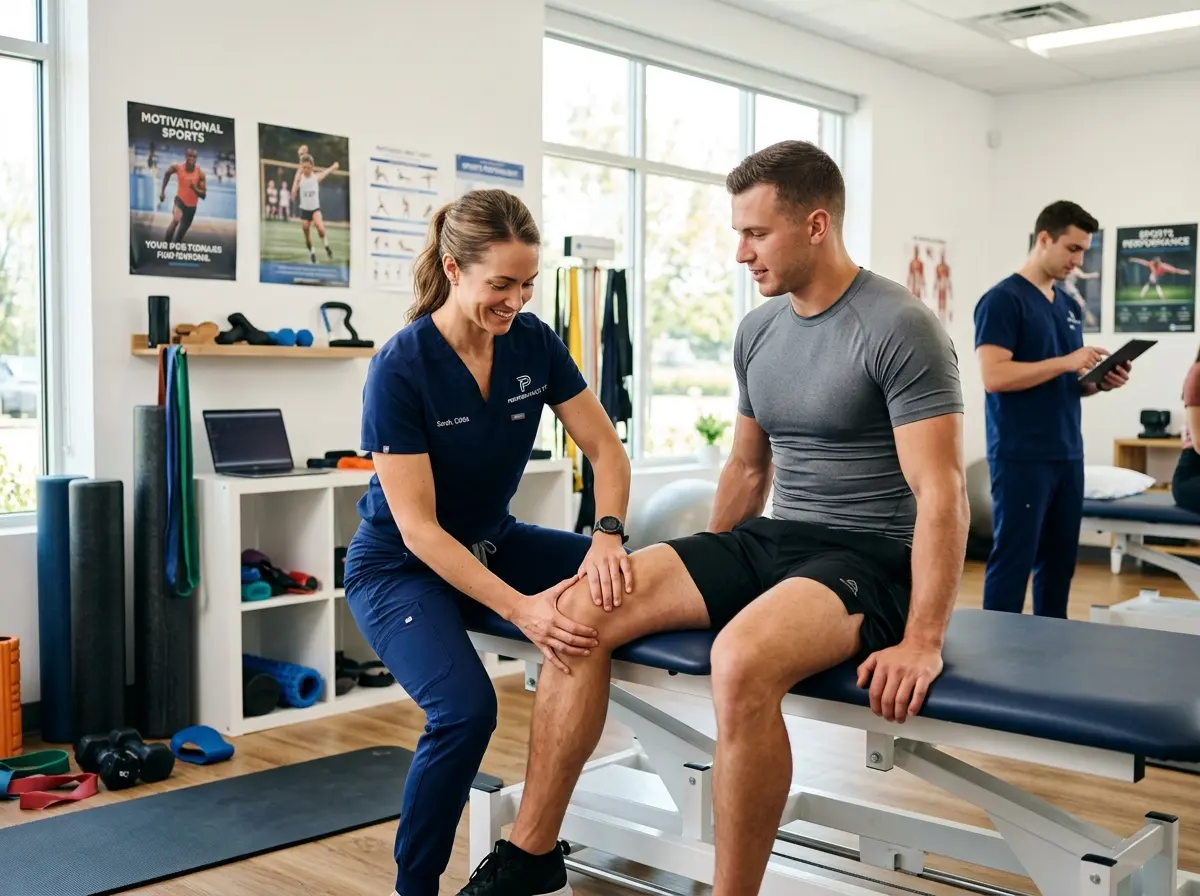
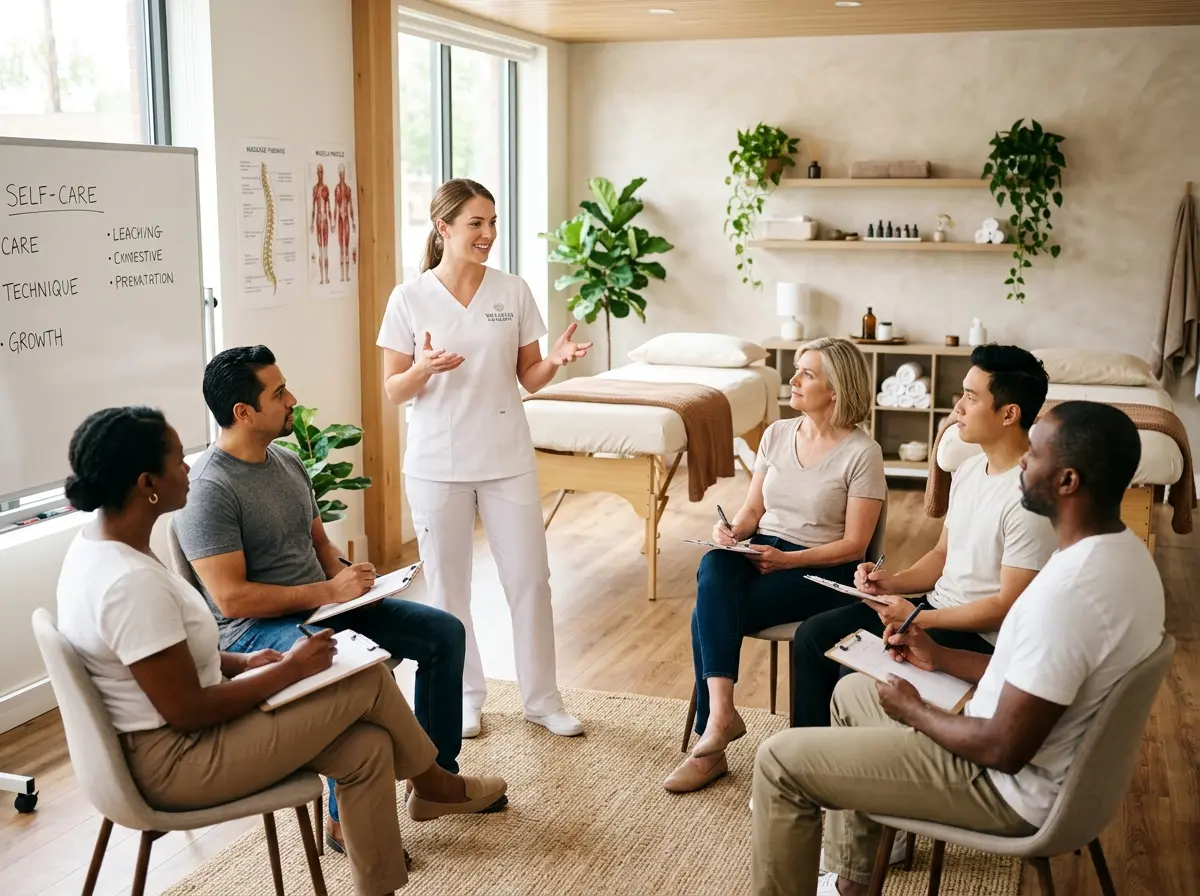
A solid workshop structure typically includes a brief educational segment covering anatomy and why certain techniques work, a hands-on demonstration portion where you show techniques clearly and slowly, a supervised practice segment where attendees try the techniques on each other or on a partner they've brought, and a Q&A and resource-sharing close. Always send attendees home with a simple reference card they can pin to the fridge. That little gesture gets remembered and talked about.
Pricing, Packaging, and Upsell Opportunities
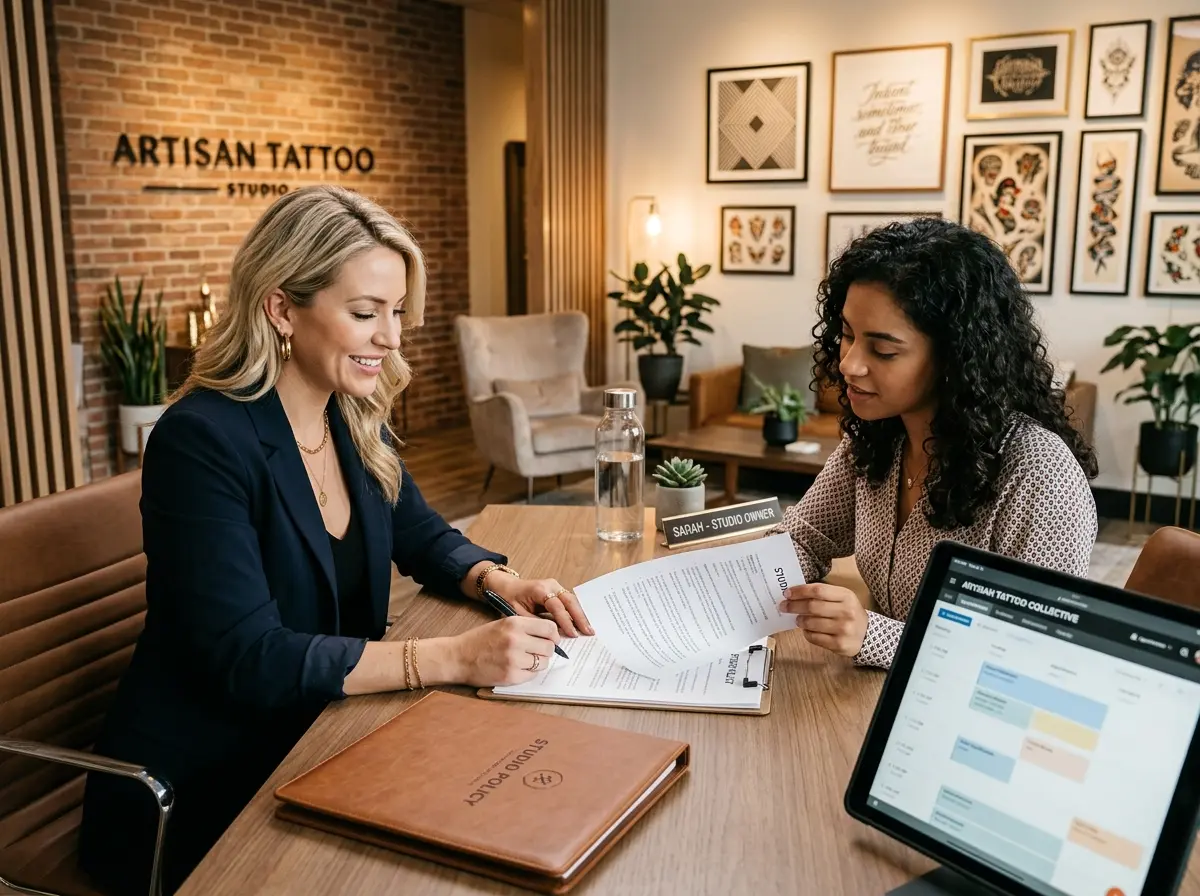
Workshops don't have to be a one-and-done transaction. Consider offering a workshop series — perhaps a three-part curriculum that builds skills progressively — at a bundled price. You can also create an optional follow-up private session where a caregiver brings their loved one in for a real appointment, allowing you to demonstrate personalized techniques directly. This is a natural, non-pushy upsell that serves everyone involved. Partnering with local caregiver support organizations to offer group rates can also fill seats and build your referral network simultaneously.
Keeping Your Business Running While You Focus on New Ventures
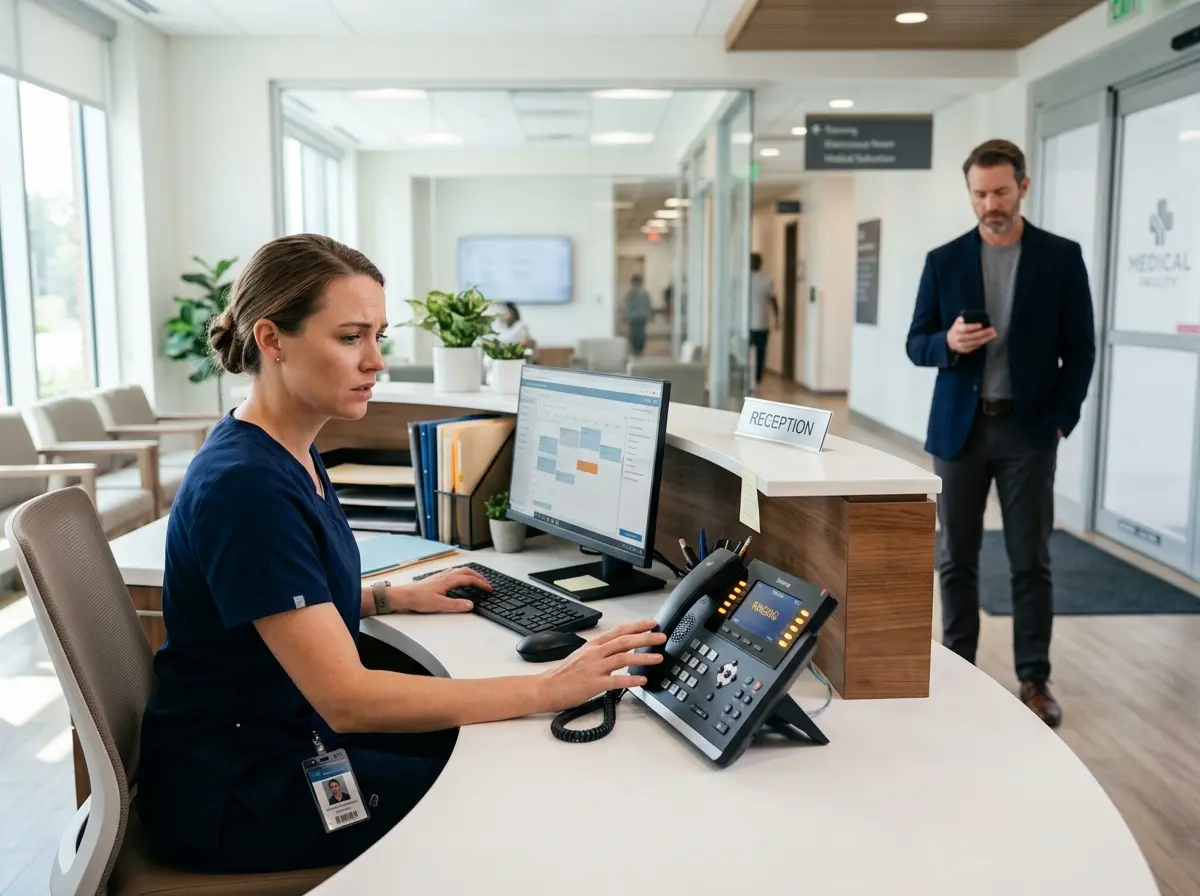
Here's the practical problem with launching workshops: they require your attention and creative energy at exactly the same time your regular practice still needs to function. Phones still ring. Clients still have questions. Bookings still need to be managed. That's a lot of hats for one person — or even a small team — to wear at once.
Let Technology Handle the Repetitive Stuff
This is where Stella, the AI robot employee and phone receptionist, becomes genuinely useful for a practice like yours. While you're busy planning curriculum, coordinating venue logistics, or running a Saturday morning workshop, Stella can be answering your phones, telling callers about your upcoming caregiver workshops, fielding questions about pricing and availability, and capturing lead information through conversational intake forms — all without you lifting a finger. For massage therapists with a physical studio, she also operates as an in-store kiosk, greeting walk-ins and proactively promoting your workshop schedule to anyone who comes through the door. At $99 a month, she's considerably cheaper than the front desk staff you probably can't yet afford to hire.
Marketing Workshops Without a Marketing Degree
You don't need a massive advertising budget or a social media following of ten thousand people to fill a workshop. Caregiver audiences are actually quite reachable through targeted, community-based outreach — which tends to be free or very low cost. The key is positioning yourself as a trusted resource rather than just another business selling something.
Building Referral Relationships with Healthcare and Community Partners
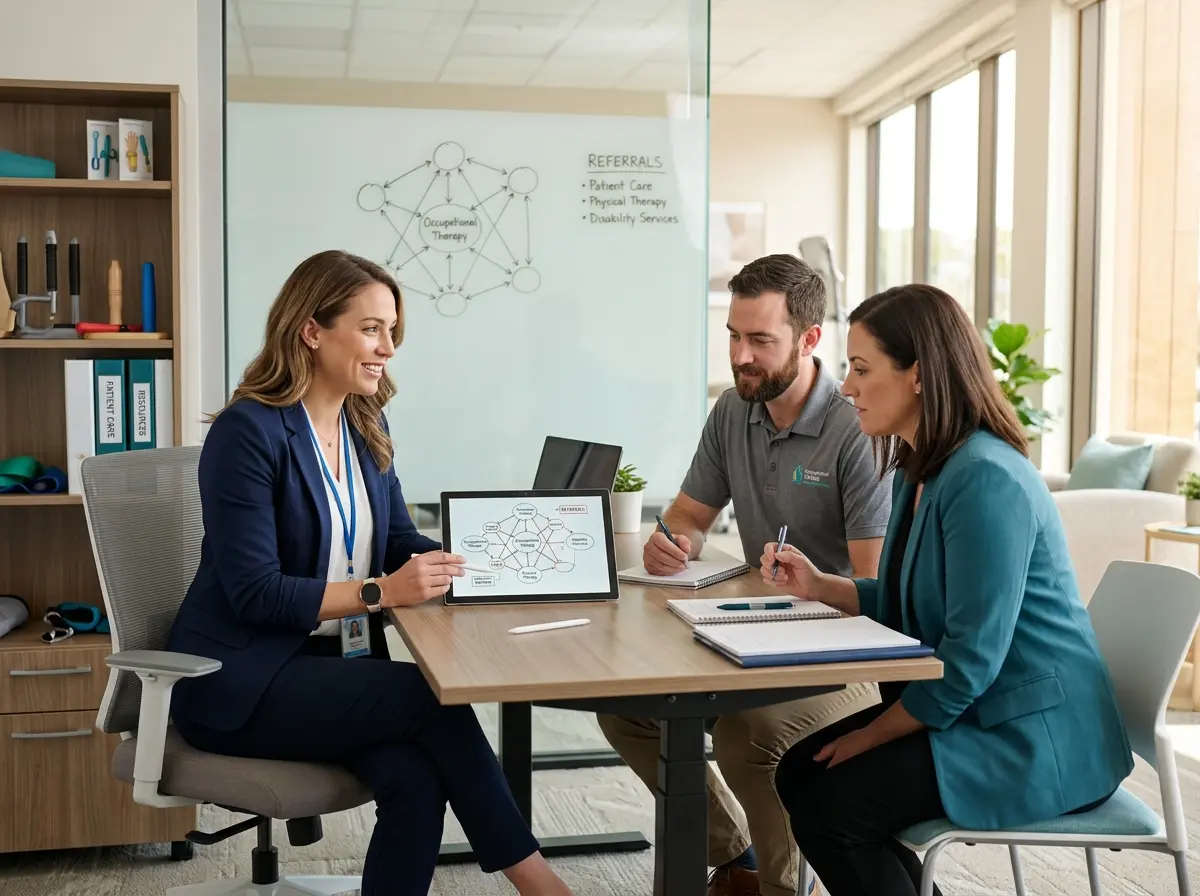
Your fastest path to a full workshop isn't Facebook ads — it's a 20-minute conversation with the right people. Home health agencies, physical therapy clinics, occupational therapists, hospice social workers, neurologists, and geriatric care managers all regularly interact with the exact caregivers you want to reach. Visit them in person. Bring printed information about your workshop. Explain how attending will help their clients' families. Offer to run a complimentary preview at their next family education event.
These professionals are actively looking for resources to recommend. If you show up professionally, present a credible offering, and make it easy for them to refer, you'll build a referral pipeline that fills seats consistently with almost no ongoing effort on your part.
Using Content and Community to Build Authority
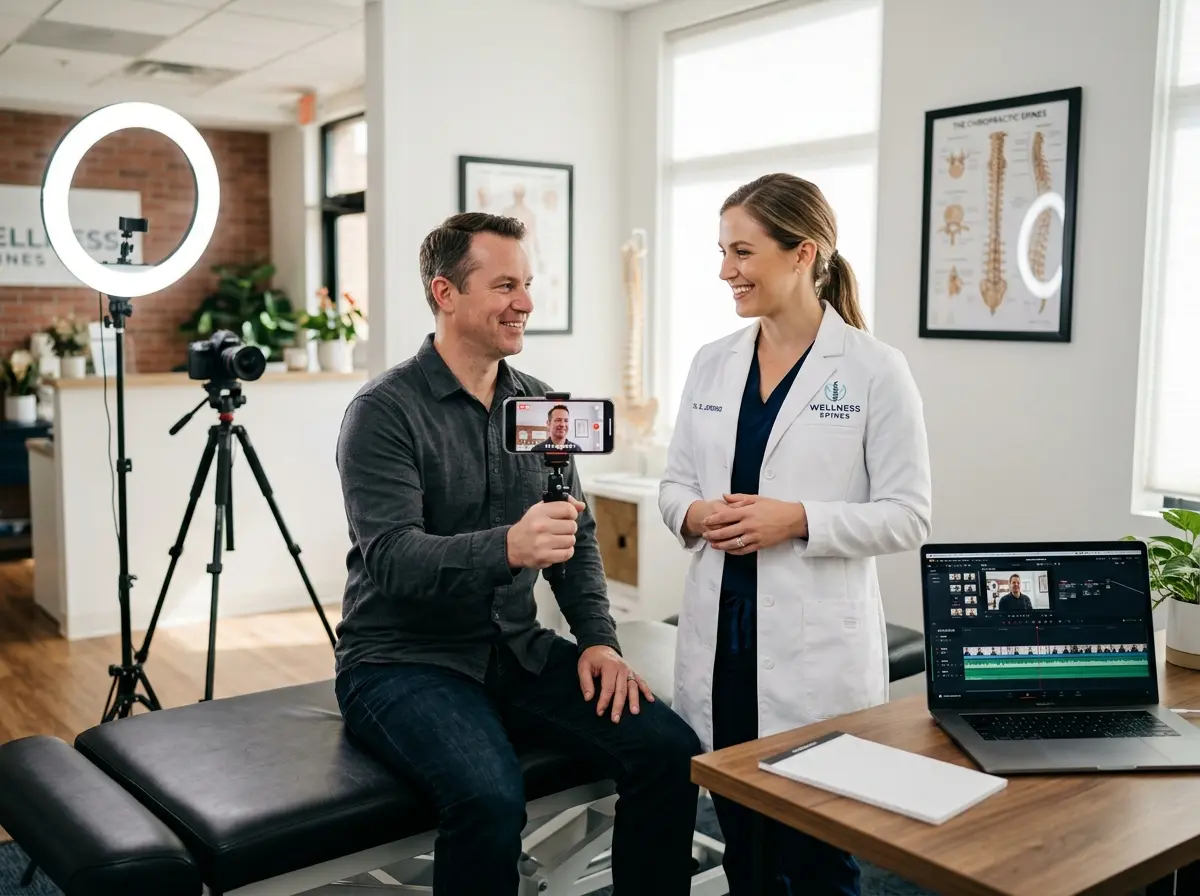
A short monthly email newsletter, a few well-written social posts demonstrating a simple technique, or even a 10-minute YouTube video walking through a basic comfort massage for caregivers can do more for your reputation than almost any paid advertising. Caregivers share resources with other caregivers constantly. One helpful video that gets passed around a Facebook support group can fill a workshop faster than a month of boosted posts.
Don't overthink the production quality. A clean background, decent lighting, and clear audio are enough. The expertise is what people come for, and you have that in abundance.
Converting Attendees into Long-Term Clients
Every workshop attendee is a potential ongoing client — either for their own massage therapy needs (caregiver burnout is real and physical) or as a referral source for their extended network. Follow up with every attendee within 48 hours of the workshop. A simple, personal email thanking them for attending and inviting them to book a session goes a long way. Offer workshop alumni a modest discount on their first personal appointment. Track who attends what, note their caregiving situation, and check in with them periodically. These small touches build loyalty that generic marketing never can.
Quick Reminder About Stella
Stella is an AI robot employee that works as both an in-store kiosk and a 24/7 phone receptionist for businesses of all sizes — including solo massage therapy practices. She answers questions, promotes services and workshops, collects client information, and manages contacts through a built-in CRM, all for $99 a month with no hardware costs. While you're busy building something new, she makes sure your existing clients are never left waiting.
Time to Book Your First Workshop
If you've read this far, you already have what it takes to make caregiver workshops a real part of your business model. You have the expertise. You have the empathy. You have access to a community that genuinely needs what you know. What you need now is to stop waiting for the perfect moment — because in small business, the perfect moment is a myth perpetuated by people who never actually do the thing.
Here's a simple action plan to get started:
- Choose one caregiver niche that aligns with your existing client base or community connections
- Outline a two-hour workshop curriculum covering education, demonstration, and practice
- Identify three local partners — a home health agency, a support group, or a healthcare provider — and schedule meetings
- Set a launch date six to eight weeks out and commit to it publicly
- Set up your intake and follow-up process so no lead or attendee falls through the cracks
Workshops won't replace your one-on-one practice, nor should they. But they will diversify your income, expand your reach, deepen your community relationships, and — not for nothing — remind you how much you genuinely know and how many people need to hear it. That's a pretty good return on an afternoon's work.