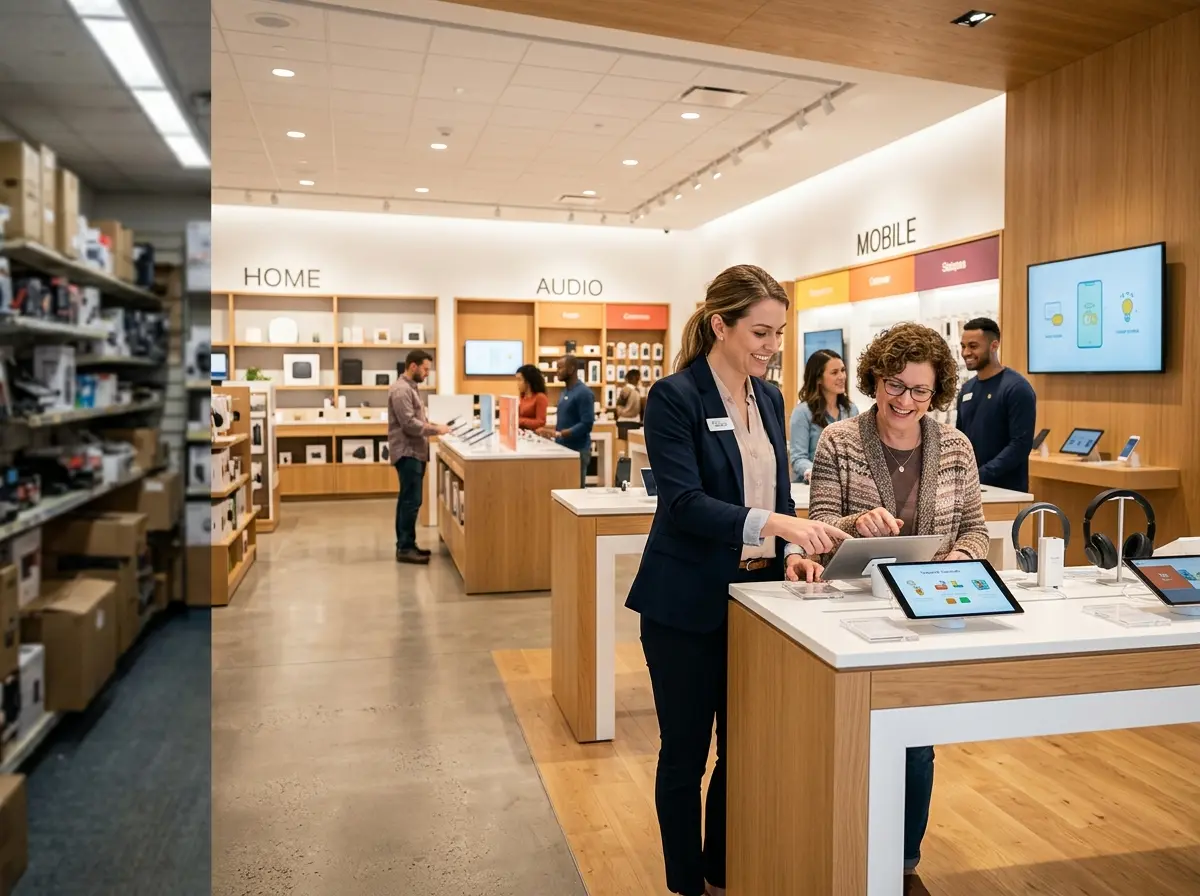
Welcome to the Jungle (Also Known as Your Electronics Store)
Picture this: A customer walks into your electronics store looking for a simple wireless speaker. Within thirty seconds, they're surrounded by walls of blinking devices, towering display stands, and enough technical jargon to make their head spin. They smile politely at a passing employee, pretend to look interested in a router they have absolutely no intention of buying, and quietly slip back out the door. Sale lost. Customer lost. Probably forever.
Sound familiar? You've worked hard to build an impressive inventory, but if your store feels like a NASA control room to the average shopper, you've got a design problem — not a product problem. The good news is that making your electronics store approachable to tech novices doesn't mean dumbing it down. It means smartening up your layout, your signage, your staff strategy, and your overall customer experience. Tech beginners represent a massive, loyal, and often underserved customer segment. Win them over, and you've got repeat business for life. Ignore them, and your competitors will happily scoop them up.
Let's talk about how to turn that intimidating tech fortress into the kind of welcoming, helpful space that keeps customers — of all experience levels — coming back.
Rethinking Your Store Layout and Visual Design
The physical environment of your store communicates something to every customer the moment they step through the door. The question is: what is it saying? If the answer is "only experts welcome here," it's time for a redesign.
Create Clear, Intuitive Zones
One of the most effective changes you can make is organizing your store by customer need rather than product category. Instead of grouping all audio equipment together regardless of complexity, consider zones like "Getting Started," "Home Entertainment," "Work From Home Essentials," and "For the Tech Enthusiast." This simple reframing tells a nervous customer exactly where they belong without requiring them to decode your entire inventory first.
Use clear, readable signage with plain language — and we do mean plain. "Wireless Speakers Under $100" will outperform "Bluetooth Audio Output Devices" every single time when it comes to drawing in a first-time buyer. Reserve the technical terminology for product spec cards aimed at shoppers who actually want that information.
Declutter and Create Breathing Room
More products on the floor does not equal more sales — especially when your customers are already overwhelmed. Studies in retail psychology consistently show that cluttered environments increase customer anxiety and decrease purchase confidence. Give your best-selling beginner-friendly products room to breathe. Create open display areas where customers can actually pick things up, try them out, and feel comfortable without bumping into someone or knocking over a display stand.
Consider a dedicated "Try It Before You Buy It" station where low-pressure demos are available. A customer who gets to feel how easy a product is to use is a customer who is far more likely to buy it — and far less likely to return it later with complaints.
Use Friendly, Human-Centered Merchandising
Lifestyle imagery and context-based product displays go a long way toward making technology feel accessible. Instead of a camera sitting alone on a shelf next to its spec card, show it in a scene: on a hiking trail, at a birthday party, or capturing a family moment. Help customers visualize the product in their own life, not in a laboratory. The emotional connection does more selling than any bullet-pointed feature list ever will.
Training Your Team to Meet Customers Where They Are
Your layout can be perfect, your signage impeccable, and your demo stations flawless — and you can still lose the sale the moment an employee opens their mouth and starts talking about "4K HDR display panels with variable refresh rates." Staff training is just as important as store design when it comes to welcoming tech novices.
Teach the Art of the Friendly First Question
Train your team to lead with empathy, not expertise. Instead of launching into product features, coach employees to ask simple, open-ended questions: "What are you hoping to use it for?" or "Is this a gift, or for yourself?" These questions accomplish two things simultaneously — they make the customer feel heard, and they give your staff the information they need to actually be helpful. Nobody wants to feel talked down to, and nobody wants to feel talked over. Find the middle ground.
Role-play scenarios during staff training where an "expert" employee helps a fictional tech novice. It might feel silly, but it surfaces habits your team didn't even know they had — like instinctively reaching for the most advanced model or using acronyms without explanation.
Leveraging Smart Technology to Welcome Every Customer
Here's the irony that's too good to ignore: the best tool for making your electronics store feel less intimidating might just be a piece of technology itself. Specifically, Stella — an AI robot employee and phone receptionist — is designed to do exactly what your busiest human employees often can't: greet every single customer, answer questions patiently, and never make anyone feel rushed or judged for asking a "basic" question.
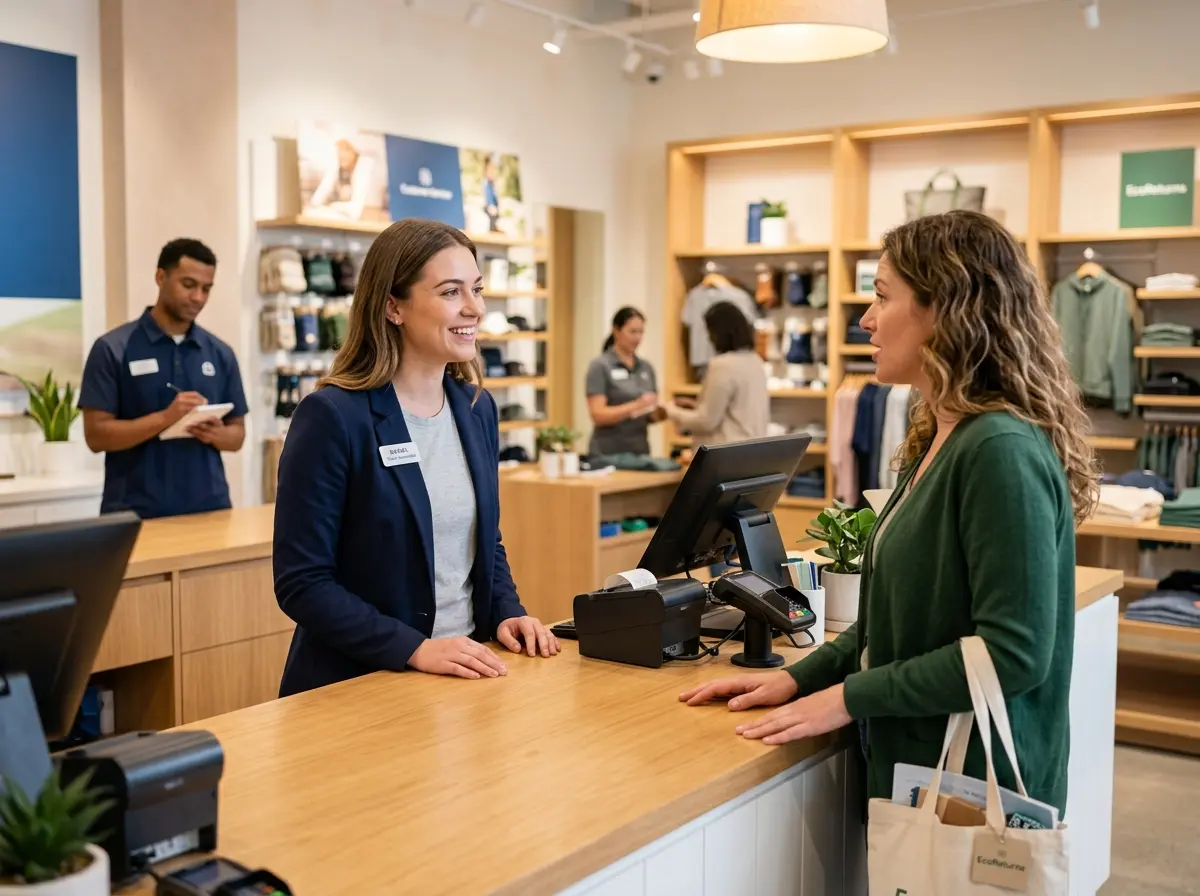
For your physical store, Stella stands as a friendly, approachable kiosk that proactively engages customers the moment they walk in. She can guide a nervous shopper to the right product zone, explain features in plain language, highlight current promotions, and even upsell accessories — all without pulling your human staff away from more complex tasks. And because she's available 24/7 on the phone as well, customers who prefer to research before they visit can get their questions answered at 10 PM on a Sunday without reaching a voicemail dead end. For a electronics retailer trying to reduce the intimidation factor, that kind of consistent, patient, always-available presence is genuinely valuable.
Building a Post-Purchase Experience That Keeps Novices Coming Back
Getting the tech novice through the door and to the checkout counter is only half the battle. The real long-term win is in what happens after they leave — and whether they feel confident enough to return.
Offer Simple, Accessible Setup Support
One of the top reasons tech novices return products isn't because the product was wrong — it's because they couldn't figure out how to set it up and felt too embarrassed to ask for help. Consider offering a free or low-cost "Getting Started" service where customers can bring in their new purchase for a simple setup walkthrough. This reduces returns, builds trust, and creates a natural upsell opportunity for accessories or protection plans.
Even a well-designed one-page quick-start guide tucked into the bag at checkout — written in actual human language — can dramatically improve a novice customer's first experience with their new device. Small touches like this signal that you care about their success, not just their money.
Create a Community, Not Just a Customer Base
Consider hosting beginner-friendly in-store workshops or "Tech Tuesdays" where customers can come in, ask questions, and learn the basics of their devices in a low-pressure group setting. These events position your store as a trusted resource rather than just a transaction point, and they drive foot traffic during slower periods. Customers who feel like they're part of a community become your most loyal advocates — and they refer their equally tech-challenged friends, too.
Follow Up and Stay Connected
A simple follow-up message a week after purchase — asking how the product is working out and reminding them of your support options — can make a powerful impression. Most retailers never bother. Being the one that does puts you in an entirely different category in your customer's mind. Pair this with a basic loyalty program and you've got a retention strategy that costs very little but pays dividends for years.
A Quick Reminder About Stella
Stella is an AI robot employee and phone receptionist that greets customers in-store, answers calls around the clock, promotes your deals, handles common questions, and never calls in sick. She runs on a straightforward $99/month subscription with no upfront hardware costs — and she's ready to work from day one. For an electronics retailer looking to provide a consistently welcoming experience to every customer who walks in or calls in, she's worth a serious look.
Turning Intimidation Into Invitation — Starting Today
Making your electronics store approachable for tech novices isn't about lowering your standards or hiding your expertise. It's about meeting people where they are and earning their trust one positive interaction at a time. The customers who feel welcomed and supported in your store today are the ones who will come back for their next upgrade, recommend you to their family, and leave the glowing reviews that bring new shoppers through your door.
Here's where to start:
- Walk your store as if you've never been there before. What's confusing? What's cluttered? What's intimidating? Fix those things first.
- Audit your signage. Replace technical jargon with plain, benefit-focused language wherever possible.
- Schedule a staff training session focused specifically on communicating with non-technical customers.
- Add a demo station in a high-traffic area and make it interactive and low-pressure.
- Build a simple post-purchase follow-up process — even a brief email or text makes a lasting impression.
- Explore tools like Stella to provide consistent, friendly customer engagement in-store and on the phone without adding to your payroll.
The tech novice market isn't a consolation prize — it's a growth opportunity hiding in plain sight. Design your store for them, support them well, and you'll find that the most loyal customers you've ever had weren't the ones who already knew everything. They were the ones who trusted you to help them learn.