So You Want to Text Your Customers Without Making Them Hate You
Congratulations — you've discovered text message marketing. So has every other business owner, which means your customers' inboxes are already a warzone of "FLASH SALE!!!" messages and mystery discount codes from brands they barely remember. The good news? Most businesses are doing SMS marketing badly, which means doing it well is your competitive advantage.
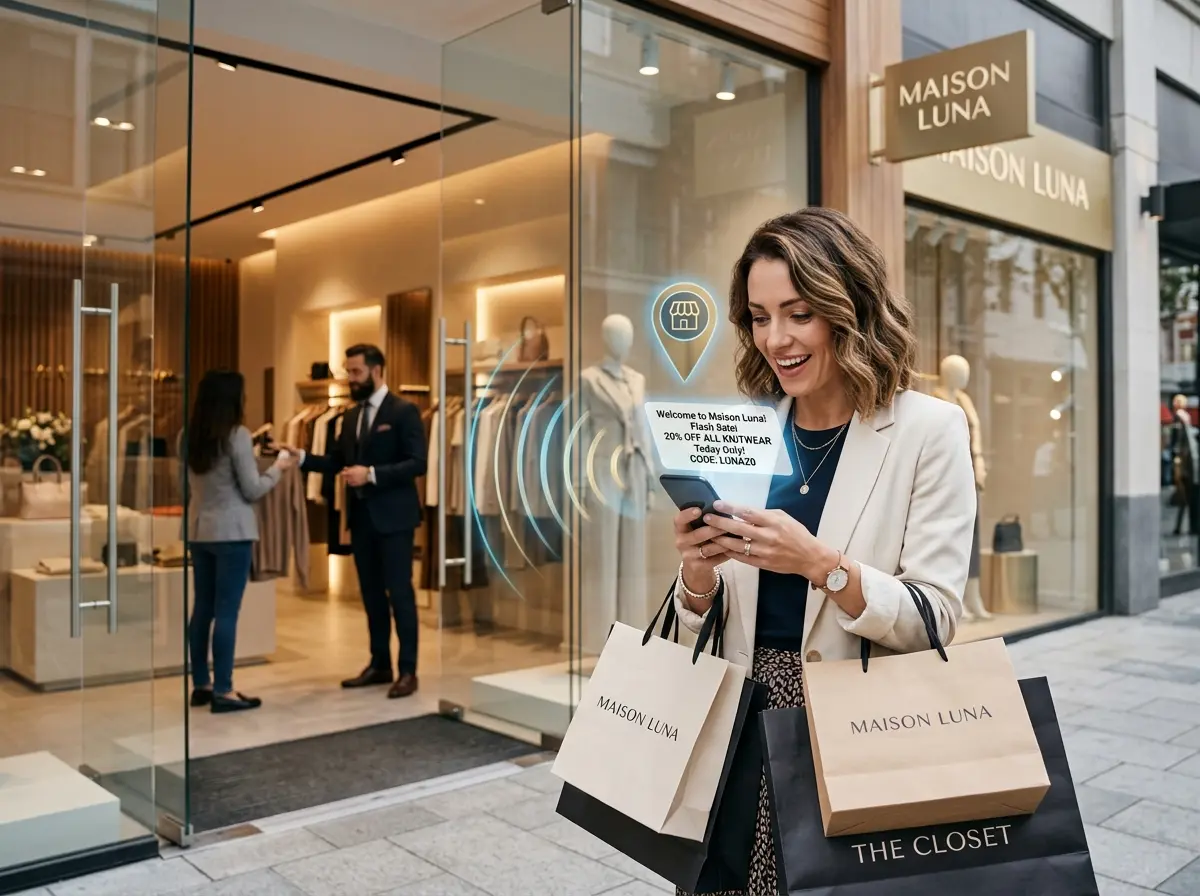
Text message marketing, when done right, is genuinely one of the most effective tools in a local shop's arsenal. We're talking about a channel with open rates hovering around 98% — compared to email's humble 20-30%. People read their texts. The question is whether they'll be glad they did, or whether they'll be hunting for that unsubscribe link faster than you can say "limited time offer."
This guide is here to help you become the former. Let's talk about how local shops can build SMS campaigns that customers actually appreciate — and maybe even look forward to.
Building a List Worth Texting (Without Being Creepy About It)
Before you send a single message, you need a list of people who want to hear from you. This sounds obvious, but you'd be amazed how many businesses skip the "consent" part and then wonder why their unsubscribe rates are through the roof.
Make Opting In Feel Like a Privilege, Not a Trap
The best SMS lists are built on genuine value exchange. That means you're not just asking customers to hand over their phone number — you're giving them a compelling reason to do it. A discount on their next visit is a classic for a reason. But you can get creative: early access to new products, VIP-only promotions, appointment reminders, or exclusive content all make for compelling opt-in hooks.
Post your opt-in offer at your point of sale, on your receipts, on table tents if you run a café or restaurant, and prominently on your website. Make the process simple — a keyword-to-shortcode setup (like "Text SALON to 55555") is easy, frictionless, and clearly communicates what they're signing up for. Complexity kills conversions.
Stay Legal — Seriously, This Isn't Optional
The Telephone Consumer Protection Act (TCPA) and guidelines from the Cellular Telecommunications Industry Association (CTIA) are not suggestions. You need explicit written consent before texting anyone for marketing purposes. Your opt-in process should clearly state what kind of messages they'll receive, how often, and how to unsubscribe. Always include opt-out instructions (like "Reply STOP to unsubscribe") in your messages — both legally and ethically, it's the right move.
Buying phone number lists and blasting them with promotions is not SMS marketing. It's spam, it's illegal, and it will get your short code or long code banned. Don't do it. Build your list organically, treat it with respect, and it will serve you well for years.
Segment From the Start
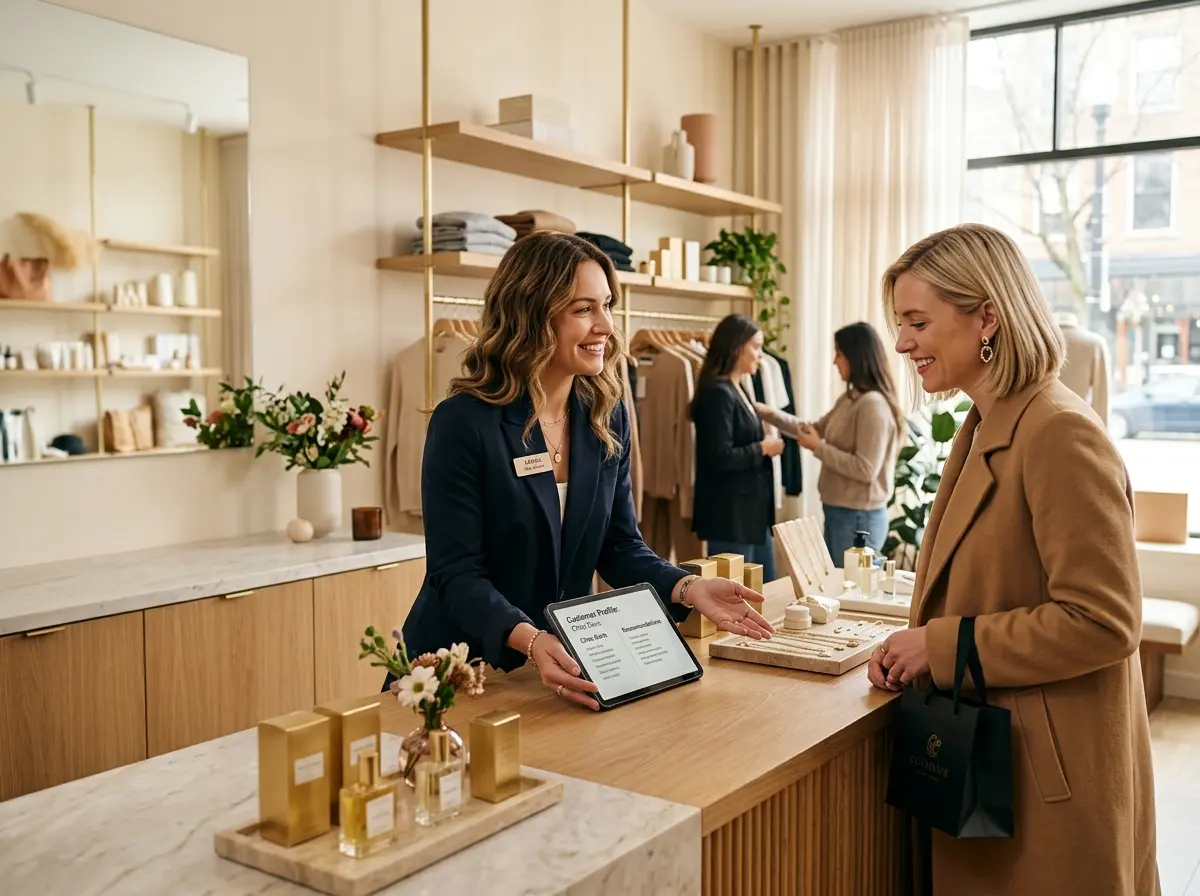
Not all customers are the same, so your messages shouldn't be either. As you collect contacts, gather a little context — are they a first-time visitor or a loyal regular? Do they prefer certain product categories? Have they mentioned an upcoming event like a wedding or birthday? Even basic segmentation allows you to send messages that feel personal rather than broadcast. A spa customer interested in facials doesn't need to hear about your new massage package every week — but when you have a facial promotion, that message should feel tailor-made for them.
Writing Messages That Don't Get Immediately Deleted
The Golden Rules of SMS Copywriting
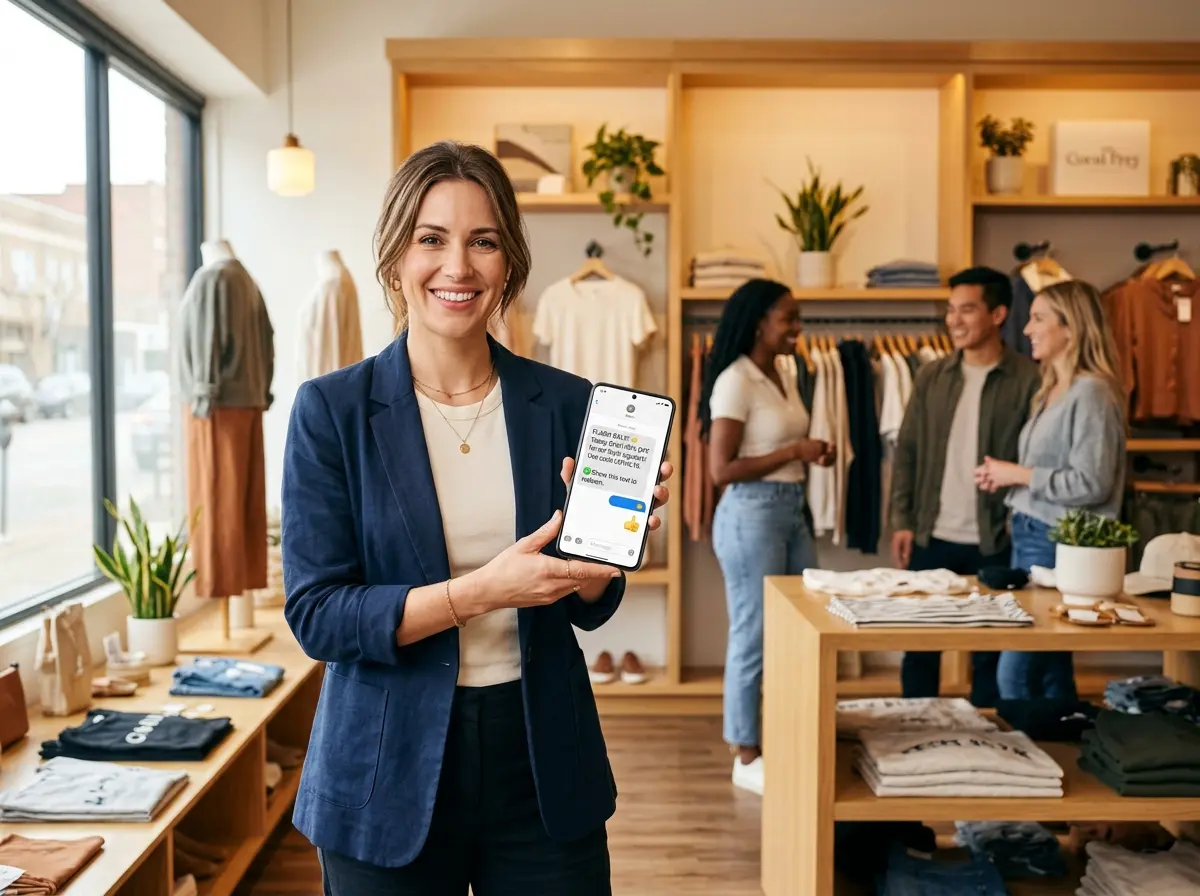
SMS is not email. You don't have subject lines, headers, or paragraphs to work with. You have roughly 160 characters and someone's divided attention. Every word earns its place, or it gets cut. Lead with the value — what's in it for them — and follow with the action you want them to take. "20% off all haircuts this weekend only. Book now: [link]" is infinitely better than "Hi! We wanted to reach out and let you know that we're running a special promotion this weekend that our valued customers might enjoy!"
Be conversational, be specific, and always include a clear call to action. Vague messages produce vague results. Tell them exactly what you want them to do — visit the store, use a code, click a link, call to book — and make it easy to do it.
Timing and Frequency: The Art of Not Overstaying Your Welcome
Even if your messages are genuinely great, sending them too often will turn subscribers into opt-outs. For most local shops, two to four messages per month is the sweet spot. Any more and you risk list fatigue. Any less and customers may forget they signed up in the first place.
Timing matters just as much as frequency. A lunch special text works best around 10:30–11:00 AM, not at 7 PM when your restaurant is closing. A weekend retail promotion should land Thursday or Friday, not Monday morning when people's brains are fully occupied with their impending workweek. Think about when your customer is in a mindset to act on your message, and schedule accordingly.
How Stella Can Help You Capture and Manage Your Contacts
Building an SMS list takes consistent effort, and a lot of that effort depends on capturing contact information at the right moment — which is exactly where Stella comes in. Stella's conversational intake forms can collect customer info naturally, whether someone is chatting with her at the in-store kiosk, filling out a form on your website, or speaking with her over the phone. She doesn't make it feel like a data grab — she makes it feel like part of the conversation.
Once that information is captured, it flows directly into Stella's built-in CRM, where you can tag customers, add notes, and build the kind of segmented lists that make your SMS campaigns actually relevant. Whether a customer walked in off the street or called after hours, Stella makes sure their information is organized and ready to use — so you're texting the right people with the right message at the right time.
Turning SMS Into a Two-Way Relationship
Don't Just Broadcast — Actually Respond
One of the most common mistakes local businesses make with SMS marketing is treating it like a megaphone instead of a conversation. Customers reply to texts. They ask questions, request appointments, and occasionally share feedback that ranges from glowing to... instructive. If you're not monitoring replies — or worse, if you're sending from a number that doesn't accept incoming messages — you're leaving money and goodwill on the table.
Set up a dedicated business number for your SMS campaigns and make sure someone is checking it regularly. Responding promptly to a customer who replied "Do you have appointments available Saturday?" is the kind of experience that turns a casual shopper into a loyal one. That responsiveness is part of your brand, even in a text thread.
Use SMS to Complement Your Other Marketing Channels
SMS works best as part of a broader marketing ecosystem, not as a standalone strategy. Use it to drive foot traffic announced on social media, remind customers about email promotions they might have missed, or follow up after an in-store visit with a thank-you and a discount for their next purchase. When your channels reinforce each other, the cumulative effect is significantly stronger than any single touchpoint on its own.
Consider pairing SMS with your loyalty program if you have one. Sending a "You're 50 points away from a free service!" message is personal, timely, and genuinely useful — the trifecta of messages customers don't hate receiving. Use the data you have about your customers to make those messages feel earned rather than generic.
Measure, Adjust, Improve
If you're not tracking the performance of your SMS campaigns, you're flying blind. Most SMS platforms provide basic analytics — delivery rates, click-through rates, opt-out rates — and you should be reviewing them after every campaign. A spike in unsubscribes after a particular message is feedback. A promotion that drove a 30% increase in weekend foot traffic is a template worth repeating. Treat your SMS marketing like any other business system: observe what's working, cut what isn't, and keep improving.
A Quick Reminder About Stella
Stella is an AI robot employee and phone receptionist designed for local businesses — she greets customers at your physical location, answers phone calls around the clock, promotes your deals, collects customer information, and manages it all through a built-in CRM. She works across retail shops, restaurants, salons, gyms, medical offices, and more, starting at just $99/month with no upfront hardware costs. Think of her as the team member who's always on, always professional, and never calls in sick.
Your Next Steps Toward SMS Marketing That Actually Works
Text message marketing isn't complicated, but it does require intention. The businesses that do it well aren't sending more messages — they're sending better ones, to the right people, at the right time, with the right ask. That's a discipline, and it's one that pays off.
Here's where to start:
- Choose a compliant SMS platform that supports two-way messaging, segmentation, and basic analytics.
- Set up a simple, compelling opt-in offer and promote it everywhere your customers already are.
- Build your contact list with context — tag customers by preference, purchase history, or visit frequency from day one.
- Commit to a sustainable cadence — two to four messages per month is a solid starting point for most local shops.
- Review your campaign data regularly and be willing to adjust based on what you see.
And if you want a head start on capturing and organizing those customer contacts, it's worth exploring what Stella can do for your business — both on the floor and on the phone. The foundation of great SMS marketing is great customer data, and that's exactly what she helps you build.
Now go text your customers something worth reading.