Your Front Desk Is Costing You Patients (And You Don't Even Know It)
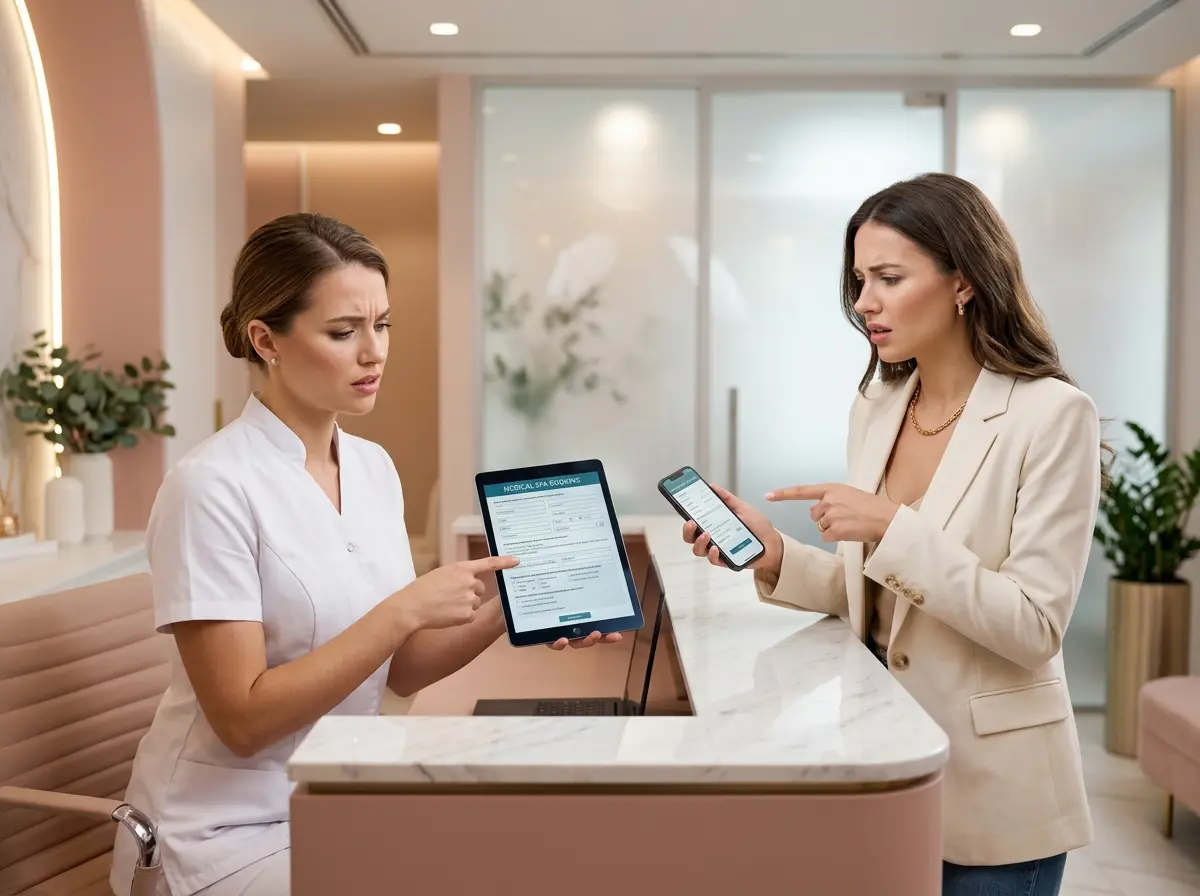
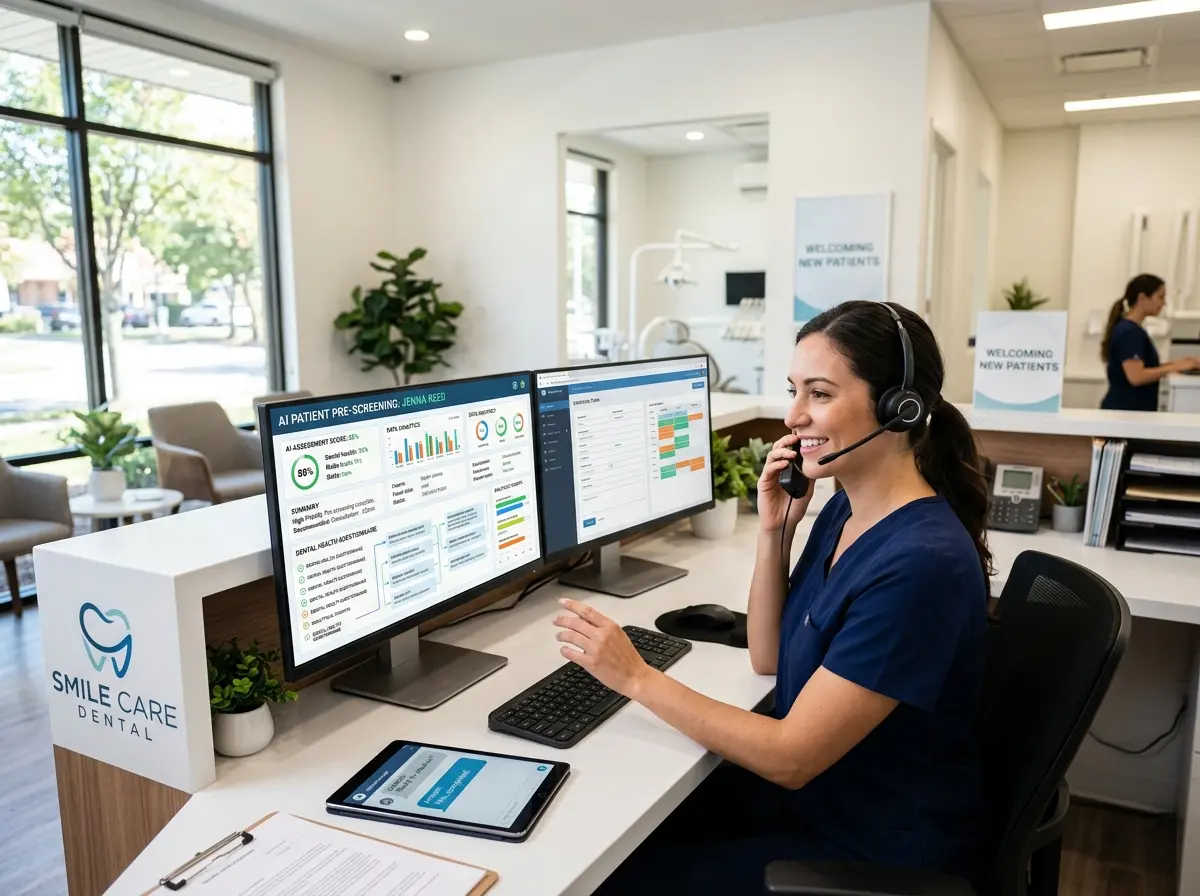
Let's paint a picture. A potential new patient calls your dental practice. They're nervous, maybe a little embarrassed about how long it's been since their last cleaning, and they just want a few quick answers before committing to an appointment. Your front desk team — wonderful, hardworking people that they are — is juggling three in-office patients, an insurance verification, and someone asking where the bathroom is. The phone rings. It goes to voicemail. The caller hangs up. They call the dental office down the street instead.
Congratulations. You just lost a patient before you even knew they existed.
This isn't a staffing failure. It's a systems failure. And the solution isn't necessarily hiring more people — it's pre-screening new patients intelligently before they ever reach your team. When you know who's calling, why they're calling, and what they need before a human picks up the phone, everything downstream gets faster, smoother, and more profitable. Let's talk about why that matters more than you think.
The Hidden Cost of Unscreened New Patient Calls
Your Staff Wasn't Hired to Be a Triage Center
Dental front desk coordinators are skilled professionals. They schedule appointments, handle insurance billing, manage patient records, and somehow still manage to smile at every patient who walks through the door. What they're not optimally designed for — at least during peak hours — is spending 8–12 minutes on a call gathering basic intake information from a new patient who may or may not even show up.
According to industry research, dental practices lose an average of $50,000 or more per year in unscheduled treatment and failed new patient conversions. A significant portion of that loss happens right at the first phone call. When staff are overwhelmed, calls get rushed, key questions get skipped, and patients who needed a little extra reassurance end up feeling like a burden rather than a valued new client. That's not good for your practice, and it's certainly not good for your Google reviews.
Pre-Screening Isn't Just About Efficiency — It's About Patient Experience
There's a meaningful difference between a new patient who calls and gets transferred immediately to a rushed scheduler, and one who is warmly greeted, asked thoughtful questions about their needs, and made to feel like the practice was expecting them. Pre-screening tools create that second experience consistently — every single time, without depending on whether it's a Monday morning or a Friday afternoon at 4:45 PM.
When a patient feels heard before they even book, they're more likely to show up, more likely to complete treatment, and more likely to refer their family. That's not soft metrics — that's your practice's growth trajectory.
What Good Pre-Screening Actually Looks Like
Effective pre-screening for new dental patients should capture the essentials without making callers feel like they're filling out a government form. At minimum, you want to gather the reason for their visit, their insurance information, whether they're a dental anxiety patient, and any urgent symptoms that might affect scheduling priority. The goal is to arrive at the scheduling conversation — or the handoff to a human — with enough context to make it genuinely useful. When done right, the patient barely notices it's happening. When done wrong, they hang up and leave a one-star review about your "cold, robotic phone system." The bar is higher than you think.
How AI Tools — Like Stella — Are Changing the Intake Game
Always-On Pre-Screening Without the Overhead
This is where modern AI phone tools are genuinely earning their keep. Stella, for example, handles new patient phone calls as a fully capable AI receptionist — gathering intake information through natural, conversational dialogue rather than a robotic menu system. She can ask about the reason for the visit, collect insurance details, flag urgent situations, and either schedule the appointment directly or pass a fully briefed summary to your human staff for follow-up. She does this at 2 PM and at 2 AM with exactly the same professionalism.
What makes this particularly valuable for dental practices is Stella's built-in CRM, which automatically creates a contact profile for every new patient caller — complete with custom fields for dental-specific information, AI-generated summaries, and tags you define. When your front desk coordinator finally does pick up the phone or pull up the record, they're not starting from zero. They're continuing a conversation that's already been thoughtfully started.
Intake Forms That Don't Feel Like Intake Forms
Stella's conversational intake forms work across phone calls, your website, and even her in-office kiosk presence — so if a walk-in patient arrives before they've called ahead, the same intelligent intake experience is available the moment they step through the door. For practices that see a mix of scheduled and walk-in patients, that kind of consistency is surprisingly rare and genuinely useful. And at $99/month with no upfront hardware costs, the math is pretty straightforward.
Building a Pre-Screening Workflow That Actually Works
Define Your Non-Negotiable Intake Questions
Before you can automate or optimize your pre-screening process, you need to know exactly what information your team needs to do their job well. Work backwards from your scheduling and clinical needs. What does your scheduling coordinator need to know to assign the right appointment length? What does your hygienist need to prep for a new patient? What does your billing team need to verify coverage before the patient sits in the chair?
Common non-negotiables for dental practices include: chief complaint or reason for visit, last dental visit and general dental history, insurance carrier and member ID, preferred appointment times, and whether the patient has any dental anxiety or special accommodation needs. Once you've documented this list, you have the foundation for a pre-screening flow that serves your entire team.
Create a Triage Protocol for Urgent vs. Routine Calls
Not all new patient calls are equal. Someone calling with a cracked tooth and swelling needs a different response than someone calling to schedule a routine cleaning six weeks out. Your pre-screening workflow should include clear triage logic: what qualifies as urgent, who gets called back first, and when does a call get forwarded to a live team member immediately versus handled asynchronously.
Documenting this protocol also gives your AI tools — and your human staff — a consistent decision framework. Inconsistency in how urgent calls are handled is one of the fastest ways to generate both patient complaints and liability exposure. A well-defined triage ladder eliminates a lot of that risk before it ever materializes.
Measure What Matters and Adjust
Once your pre-screening system is in place, resist the temptation to set it and forget it. Track your new patient conversion rate from first call to booked appointment. Monitor how often calls are being escalated to human staff and whether those escalations are appropriate. Look at no-show rates for patients who came through your pre-screened intake versus those who didn't.
Over time, this data tells you whether your intake questions are the right ones, whether your triage logic is calibrated correctly, and whether your team is receiving patient information in a format that's actually useful. The practices that treat intake as a living, evolving system consistently outperform those that treat it as a solved problem.
A Quick Reminder About Stella
Stella is an AI robot employee and phone receptionist built for businesses of all types — including dental practices looking to modernize their front desk experience. She answers calls 24/7, collects patient information through intelligent conversational intake, manages contacts through a built-in CRM, and can stand as a physical kiosk presence inside your practice for in-office patient engagement. She's available for $99/month, requires no upfront hardware investment, and she will never call in sick on a Monday.
The Takeaway: Stop Letting Opportunity Walk Out the Door
Pre-screening new patient phone calls isn't a nice-to-have. It's a competitive advantage, a staff retention tool, and a patient experience investment all rolled into one. When you know who's calling before your team picks up, when patients feel heard from the first moment of contact, and when your front desk coordinator has context instead of chaos — everything works better.
Here's what you can do right now. First, audit your current new patient phone experience. Call your own practice as a mystery shopper and note every friction point. Second, document the intake information your team actually needs — don't rely on what you think they need. Third, evaluate whether your current phone system supports intelligent pre-screening or whether it's just an expensive voicemail box. And fourth, explore AI-assisted intake tools that can handle the early stages of that new patient conversation so your team can focus on the moments that require genuine human connection.
The dental practices that will thrive over the next decade aren't necessarily the ones with the most advanced equipment in the operatory. They're the ones that figured out how to make the patient experience seamless from the very first phone call. That journey starts before anyone sits in your chair — and it starts with a better conversation at the front door.